Key Points
- Brecknock Road Proposal: A major submission includes internal and external structural alterations to a residential property located on Brecknock Road.
- Borough-Wide Extensions: Submissions highlight a surge in household extensions, including single-storey rear and side-return infill extensions across residential terraces.
- Conservation Area Tree Works: Multiple notifications have been submitted for tree management, including crown reductions and removals within designated conservation zones.
- Heritage & Window Upgrades: Applications detail the ongoing transition towards energy efficiency, proposing double-glazed timber replacements in listed buildings and sensitive streetscapes.
- Public Consultation Open: Islington Council has opened the statutory public consultation phase, inviting local residents and neighborhood groups to submit comments on the proposals.
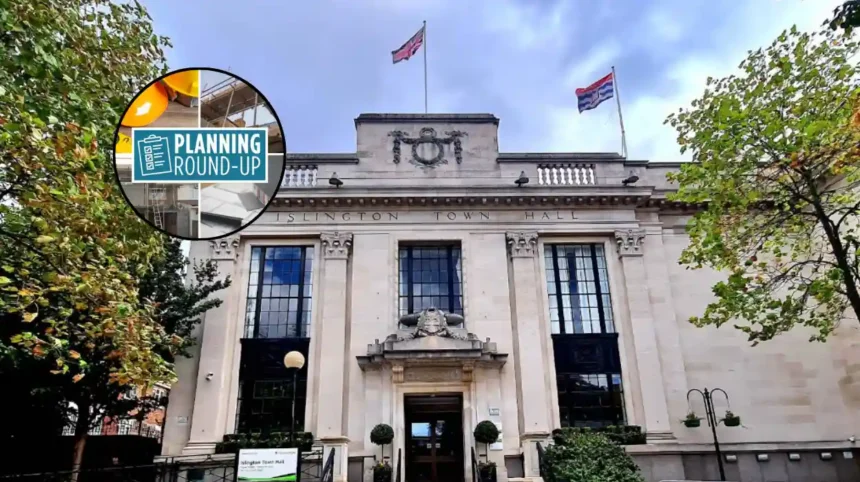
Islington (North London News) September 18, 2026 — Islington Council has formally registered and published its latest batch of planning and conservation applications. As reported by local municipal correspondents, the new list features a diverse range of development proposals, spanning structural alterations to domestic properties, extensive tree works, and sensitive heritage upgrades across the North London borough.
- Key Points
- What Are the Key Details of the Latest Islington Planning Submissions?
- How Are Conservation Areas and Local Trees Being Managed in the Proposals?
- What Is the Process for Public Consultation and Community Feedback?
- Background of the Particular Development
- Prediction: How This Development Can Affect Local Residents and Homeowners
What Are the Key Details of the Latest Islington Planning Submissions?
The newly submitted list of planning applications submitted to Islington Council reflects ongoing residential investment across the local authority’s catchment area. Prominently featured in the weekly register is a proposal for changes to a residential property situated on Brecknock Road. The application outlines planned home alterations designed to adapt the existing living space to contemporary standards while respecting the immediate streetscape.
In addition to the Brecknock Road scheme, property owners across the borough have lodged requests for minor works, rear lower ground floor extensions, and side-return infill developments aimed at expanding domestic living accommodation. As noted in the council’s public register, homeowners in conservation areas are also seeking approval for window replacements, replacing single-glazed timber sashes with energy-efficient double-glazed units.
How Are Conservation Areas and Local Trees Being Managed in the Proposals?
A substantial portion of the latest validation list involves tree works notifications within Islington’s numerous Conservation Areas. As detailed by planning reporting staff tracking municipal logs, several applications focus on routine tree preservation, including crown reduction of mature Robinia and London Plane trees, alongside selective removals where specimen health has deteriorated.
The local planning authority enforces strict controls over tree works in conservation zones to ensure the preservation of the borough’s natural canopy and green infrastructure. Property owners seeking to prune or fell trees are required to submit detailed specifications to prevent unapproved damage to protected environmental assets.
What Is the Process for Public Consultation and Community Feedback?
According to officers within Islington Council’s Planning and Building Control Department, each validated application has now entered its statutory public consultation window. Members of the public, immediate neighbours, and local amenity societies are entitled to inspect the submitted plans online via the council’s dedicated planning portal.
Feedback submitted during this period will be evaluated by planning officers against local development frameworks, conservation guidelines, and national policy before formal decisions or approvals are issued.
Background of the Particular Development
Islington Council operates under one of inner London’s most densely populated and historically sensitive urban environments. With a high concentration of Georgian, Victorian, and Edwardian residential terraces, the borough maintains strict planning controls to balance modern residential development with heritage conservation.
In recent years, the council has seen an increasing volume of householder applications focused on sustainability and space optimization. Homeowners frequently apply for permission to construct basement or rear extensions and upgrade single-glazed windows to meet contemporary thermal efficiency standards without compromising historic character. Furthermore, tree protection orders (TPOs) and conservation area regulations remain key components of Islington’s local planning policy, requiring property owners to undergo rigorous review processes even for minor arboricultural maintenance.
Prediction: How This Development Can Affect Local Residents and Homeowners
The continuous influx of planning applications across Islington directly impacts local property owners, immediate neighbours, and the broader community in several ways:
- Impact on Property Owners: For applicants, approval of these proposals allows for essential upgrades, increased living space, and improved energy efficiency, ultimately enhancing property values in a competitive North London real estate market.
- Impact on Immediate Neighbours: Nearby residents may experience short-term disruptions related to residential construction, including noise, localized traffic from trade vehicles, and temporary loss of privacy or light during building works.
- Impact on the Local Environment: Enforcing strict review processes for tree works ensures that the borough retains its urban tree canopy, supporting biodiversity and visual amenity across streetscapes.
- Impact on Heritage Preservation: The ongoing scrutiny of window replacements and structural alterations helps maintain the structural integrity and aesthetic character of Islington’s historic neighborhoods for long-term residents.