Islington, in North London, contains some of London’s most distinctive historic neighbourhoods. Clerkenwell, Barnsbury, Canonbury, Angel and Highbury stand out for their architectural heritage, historic streets, religious landmarks and established community identities. Each neighbourhood reflects a different period of London’s development, from medieval settlements and monastic institutions to Georgian residential expansion and Victorian urban growth.
- Why Does Islington Have Such a Strong Historical Identity?
- How Did Islington Develop from a Rural Settlement?
- Why Does Architecture Matter to Islington’s Historic Identity?
- Which Islington Neighbourhood Has the Strongest Medieval and Religious Heritage?
- What Makes the London Charterhouse Historically Important?
- Why Is Clerkenwell Green Associated with Political History?
- What Other Historic Landmarks Define Clerkenwell?
- Which Islington Neighbourhood Is Best Known for Georgian and Victorian Architecture?
- What Makes Barnsbury Square Historically Significant?
- Which Historic Buildings and Streets Should Visitors Explore?
- Why Does Barnsbury Retain Its Residential Identity?
- Why Is Canonbury One of Islington’s Most Distinctive Historic Neighbourhoods?
- What Is the Historical Importance of Canonbury Tower?
- Why Is Canonbury Square an Important Historic Landmark?
- How Does the New River Contribute to Canonbury’s Identity?
- How Does Angel Reflect Islington’s Historic Commercial Identity?
- Why Is Upper Street Important to Angel’s History?
- What Makes Camden Passage Historically Interesting?
- Which Historic Streets Should Visitors Explore Around Angel?
- Which Historic Features Give Highbury Its Distinctive Identity?
- Why Is Highbury Fields Historically Important?
- How Did Arsenal Football Club Shape Highbury’s Identity?
- What Architectural Features Define Highbury?
- Does Newington Green Have a Distinctive Historical and Cultural Identity?
- Why Is Newington Green Associated with Religious Nonconformity?
- What Is the Connection Between Newington Green and Mary Wollstonecraft?
- Which Historic Features Should Visitors Explore?
- How Does Clerkenwell Compare with Barnsbury, Canonbury and Highbury?
- Which Neighbourhood Is Best for Medieval History?
- Which Neighbourhood Is Best for Georgian and Victorian Streets?
- Which Neighbourhood Offers the Strongest Cultural Identity?
- Which Neighbourhood Is Best for Historic Green Spaces?
- What Other Historic Areas in Islington Deserve Attention?
- What Makes Bunhill Fields Historically Important?
- What Is the Historical Identity of Mildmay?
- Why Is Tufnell Park Worth Exploring?
- How Can Visitors Explore Islington’s Historic Neighbourhoods?
- Which Official Heritage Walking Routes Are Available?
- Which Historic Places Should Visitors Include in a Walking Itinerary?
- How Can Digital Nomads and Business Travellers Experience Islington’s Heritage?
- How Are Islington’s Historic Neighbourhoods Protected for the Future?
- What Does Conservation Area Designation Mean?
- What Is the Difference Between a Listed Building and a Conservation Area?
- Why Does Historic Preservation Matter to Islington’s Future?
- Which Islington Neighbourhood Should History Enthusiasts Visit First?
The strongest historic identities are found in neighbourhoods where historic buildings, street layouts, public spaces and cultural traditions remain visible. Clerkenwell has the deepest medieval and religious heritage. Barnsbury is recognised for its Georgian and Victorian residential architecture. Canonbury retains the character of an historic manor and planned residential suburb. Angel reflects the development of Upper Street as an important commercial route, while Highbury combines historic green spaces, Victorian architecture and sporting heritage.
Understanding these differences helps visitors explore Islington beyond its well-known restaurants, theatres and shopping streets. It also explains how the borough developed from a collection of rural settlements into one of London’s most established inner-city districts.
Why Does Islington Have Such a Strong Historical Identity?
Islington has a strong historical identity because its development combines medieval settlements, religious institutions, historic transport routes, Georgian suburbs and Victorian architecture. Its proximity to the City of London encouraged centuries of commercial, residential and cultural growth across distinct neighbourhoods.
Islington occupies an important position immediately north of the historic City of London. Its development followed routes connecting the capital with northern England. The Great North Road, now associated with the A1, played a significant role in the growth of settlements around Upper Street and the Angel.
The area’s name originates from the historic settlement of Islington. Historic England identifies an early form of the name as Giseldone, generally interpreted as Gisla’s hill. The settlement developed around the historic village and expanded northwards as London’s population increased.
The borough also contains evidence of medieval manors, religious foundations, agricultural land and early water infrastructure. These features established the foundations for later residential and commercial development.
How Did Islington Develop from a Rural Settlement?
During the medieval period, Islington consisted of settlements and estates outside London’s built-up centre. Barnsbury, Canonbury and Highbury were associated with medieval manors before becoming established residential neighbourhoods.
The area’s proximity to London gradually increased demand for housing, services and transport. Agricultural land gave way to streets, terraces, public buildings and commercial premises.
The New River, opened in 1613, represented an important development in London’s water infrastructure. Designed to bring fresh water from Hertfordshire to New River Head, it supported the expanding population of northern London.
The Regent’s Canal arrived during the early nineteenth century. It connected Islington with other parts of London and supported commercial transport and industrial activity.
Why Does Architecture Matter to Islington’s Historic Identity?
Architecture provides visible evidence of how different periods shaped Islington. Georgian terraces, Victorian churches, medieval buildings, industrial structures and historic public spaces represent different stages of urban development.
Islington Council currently recognises 42 conservation areas. These include Clerkenwell Green, Barnsbury, Canonbury, The Angel, Highbury Fields and Newington Green. Conservation areas protect places with special architectural or historic interest. Their character includes buildings, street layouts, boundaries, paving materials, trees and public spaces.
This protection helps retain the architectural features that distinguish individual neighbourhoods.
Which Islington Neighbourhood Has the Strongest Medieval and Religious Heritage?
Clerkenwell has Islington’s strongest medieval and religious identity. Its historic character centres on the London Charterhouse, former monastic institutions, Clerkenwell Green and historic churches. These landmarks connect the neighbourhood with medieval religious life and later political and cultural movements.
Clerkenwell, in south-west Islington, has a history extending back more than 600 years. Its name is associated with the Clerks’ Well, a historic water source connected with medieval religious communities.
The neighbourhood developed around religious institutions, monasteries and settlements outside the medieval City of London. Its historic buildings preserve evidence of the area’s religious, social and commercial importance.
What Makes the London Charterhouse Historically Important?
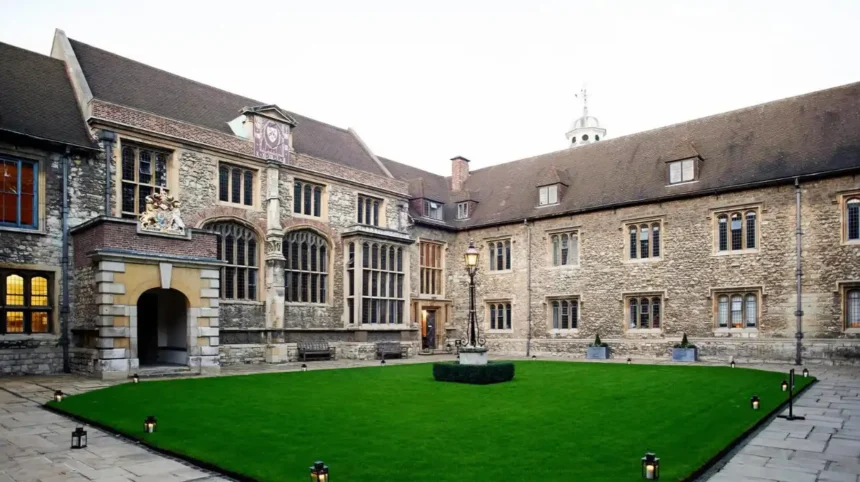
The London Charterhouse is one of Clerkenwell’s most important historic landmarks. Founded in 1348 on the site of a plague cemetery, it originally operated as a Carthusian monastery.
The Carthusians were a Catholic religious order known for their disciplined and largely secluded way of life. The monastery operated until the English Reformation, when Henry VIII dissolved religious houses across England.
Following its closure in the sixteenth century, the Charterhouse underwent several changes. It became a private residence and later developed into an institution providing accommodation and support for older people.
Its surviving historic buildings offer visitors an opportunity to understand medieval religious architecture and the transformation of religious properties after the Reformation.
Why Is Clerkenwell Green Associated with Political History?
Clerkenwell Green has an established association with political activism, publishing and working-class movements. Its central location made it an important gathering place for different social and political groups.
The area also has a connection with Vladimir Lenin, who worked at a revolutionary newspaper in Clerkenwell during 1902–1903. This association forms part of the neighbourhood’s wider history of radical political activity.
Nearby historic buildings and public spaces reflect Clerkenwell’s changing social identity. Religious institutions gradually shared the area with workshops, printing businesses, commercial premises and residential streets.
What Other Historic Landmarks Define Clerkenwell?
Several historic sites help explain Clerkenwell’s distinctive identity.
St John’s Gate is a surviving medieval gateway associated with the Priory of the Order of St John. The priory was an important religious institution connected with the Knights Hospitaller.
Sadler’s Wells Theatre also contributes to the neighbourhood’s cultural history. Its origins are associated with a mineral water spring that attracted visitors before the site became an established entertainment venue.
The neighbourhood’s historic streets also contain former industrial buildings and Victorian commercial architecture.
For visitors interested in medieval London, religious history and political heritage, Clerkenwell is one of the most significant neighbourhoods in Islington.
Which Islington Neighbourhood Is Best Known for Georgian and Victorian Architecture?
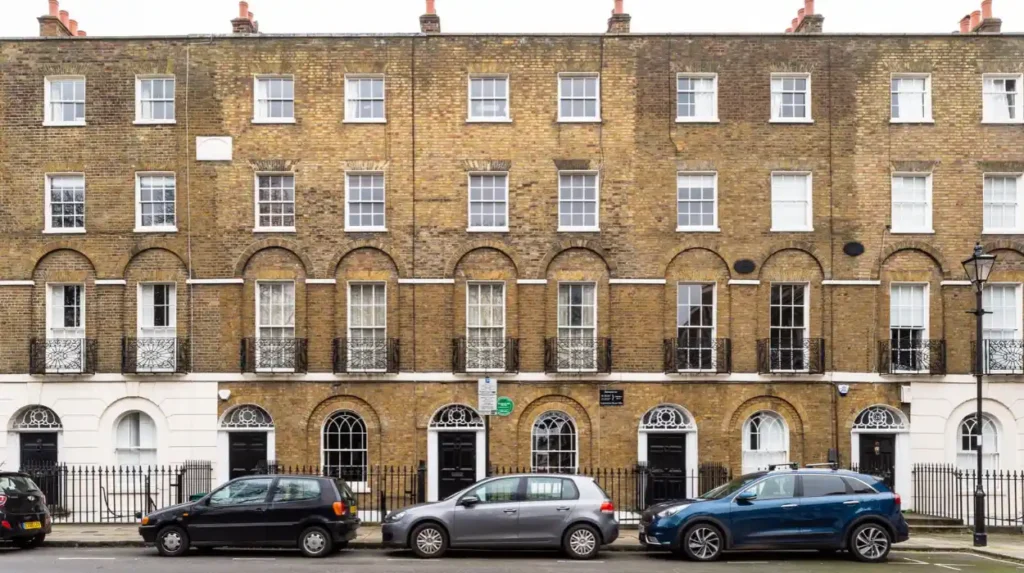
Barnsbury has one of Islington’s strongest residential architectural identities. Its Georgian and Victorian terraces, garden squares, historic institutions and planned streets reflect nineteenth-century suburban expansion and the area’s transition from agricultural land into an established residential district.
Barnsbury, located west of Upper Street, is particularly recognised for its historic residential character. Its development reflects the expansion of London during the eighteenth and nineteenth centuries.
The area originally formed part of a medieval manor. Historical records identify Barnsbury Manor as an established estate during the medieval period. The land later became attractive for residential development as London’s population expanded.
Barnsbury’s historic identity is closely connected with planned streets, residential terraces and landscaped squares.
What Makes Barnsbury Square Historically Significant?
Barnsbury Square is one of the neighbourhood’s most recognisable historic spaces.
The square reflects the residential planning principles used during London’s nineteenth-century suburban expansion. Houses surrounding landscaped communal spaces created an attractive residential environment for middle-class households.
Its buildings and surrounding streets demonstrate the architectural consistency that gives Barnsbury its distinctive character.
Which Historic Buildings and Streets Should Visitors Explore?
Barnsbury contains several architectural and historical points of interest. Richmond Avenue is recognised for its historic residential character and decorative features, including sphinx sculptures.
Other important locations include:
- The Gardens, Barnsbury Square: A historic residential garden square surrounded by traditional housing.
- West Library Reading Room: A local heritage landmark associated with the area’s educational and community history.
- Islington Workhouse: Evidence of the area’s nineteenth-century social welfare institutions.
- Richmond Avenue: A residential street with distinctive historic architectural details.
Islington Council’s two-mile Barnsbury local history trail includes these heritage highlights and provides a structured way to explore the neighbourhood. Islington Council+1
Why Does Barnsbury Retain Its Residential Identity?
Barnsbury retains its identity through its historic street pattern, residential architecture and landscaped spaces. The Barnsbury Conservation Area was designated in 1969 and extended in 2004.
Conservation protection helps maintain the area’s traditional appearance. It also provides planning controls that support the preservation of historically important buildings and streets.
For visitors, Barnsbury offers a quieter architectural experience than the commercial streets around Angel and Upper Street.
Why Is Canonbury One of Islington’s Most Distinctive Historic Neighbourhoods?
Canonbury has a distinctive historic identity because it developed around an Elizabethan manor before becoming a planned residential suburb. Canonbury Tower, Canonbury Square, historic terraces and the New River Walk preserve its architectural and landscape heritage.
Canonbury lies east of Upper Street and has a strong association with historic residential architecture. Its character differs from Clerkenwell’s religious heritage and Barnsbury’s planned Victorian streets.
The neighbourhood takes its name from the medieval manor associated with the canons of St Bartholomew’s Priory. The estate later became associated with Canonbury House and its surviving tower.
Most of the surrounding residential development took place during the late eighteenth and early nineteenth centuries.
What Is the Historical Importance of Canonbury Tower?
Canonbury Tower is one of the neighbourhood’s most recognisable historic structures.
The tower forms part of the area’s Elizabethan architectural heritage. It is associated with the historic Canonbury manor and provides evidence of the neighbourhood’s earlier estate-based development.
Its surviving structure distinguishes Canonbury from surrounding residential districts dominated by later Georgian and Victorian housing.
Why Is Canonbury Square an Important Historic Landmark?
Canonbury Square is among Islington’s notable historic residential squares. Its architecture reflects the area’s development as an established residential suburb.
The square contains historic houses and mature landscaping. Its residential layout demonstrates the importance of planned open spaces in nineteenth-century urban development.
The Canonbury Conservation Area was designated in 1969 and extended in 2001. Its protected character includes historic streets, buildings, gardens and landscape features.
How Does the New River Contribute to Canonbury’s Identity?
The New River is an important part of Canonbury’s landscape and wider Islington history.
It opened in 1613 to transport fresh water from Hertfordshire to New River Head. The project was associated with Sir Hugh Myddelton, a Welsh entrepreneur and financier who helped organise its construction.
The waterway remained an important part of London’s water supply for centuries. Its surviving sections now provide historic walking routes and green spaces.
The New River Walk gives visitors an opportunity to experience the relationship between London’s historic infrastructure and its modern residential neighbourhoods.
Canonbury is particularly suitable for visitors interested in historic houses, architectural details, residential planning and landscaped public spaces.
How Does Angel Reflect Islington’s Historic Commercial Identity?
Angel represents Islington’s historic commercial identity through its position on Upper Street and the Great North Road. Its coaching history, traditional markets, historic streets and Georgian buildings connect the neighbourhood with centuries of movement and trade.
Angel is one of Islington’s best-known neighbourhoods. It developed around an important road junction north of the City of London.
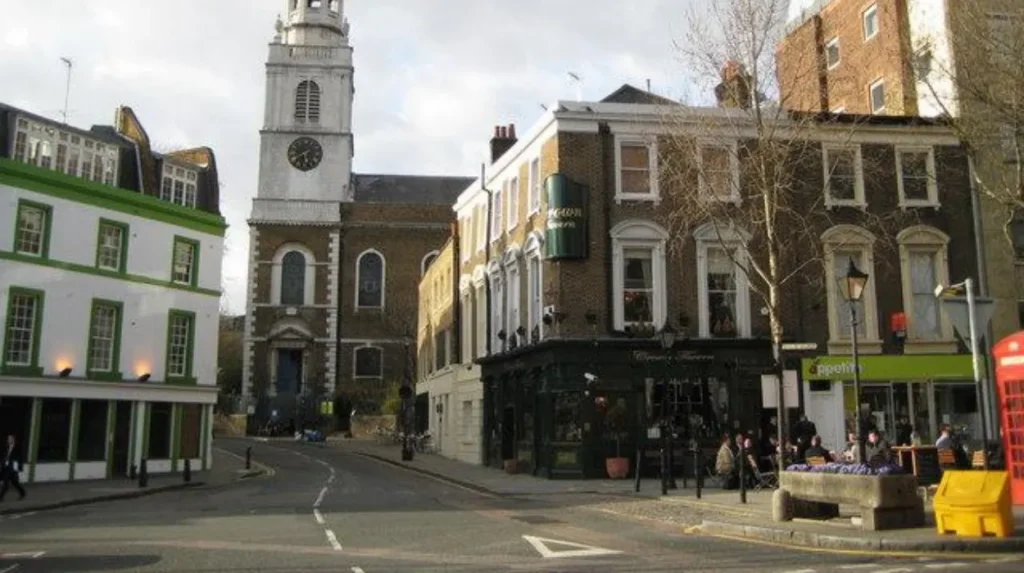
The area takes its name from the Angel Inn, a historic coaching inn associated with the junction. Its location made it an important stopping point for travellers using the Great North Road.
As London’s northern suburbs expanded, Angel developed into a busy commercial and residential centre.
Why Is Upper Street Important to Angel’s History?
Upper Street forms the main historic commercial route through Islington. It connects Angel with residential areas farther north and follows the wider pattern of settlement along the Great North Road.
The street developed through successive periods of commercial expansion. Traditional shops, public houses, restaurants and residential buildings created a mixed-use urban environment.
Its historic importance is also reflected in the Upper Street North Conservation Area, designated in 1985.
What Makes Camden Passage Historically Interesting?
Camden Passage is a historic pedestrian street close to Upper Street.
It is particularly associated with antique shops, independent retailers and specialist markets. Its commercial identity developed around small-scale trading rather than large retail developments.
The passage provides a different experience from the main Upper Street shopping area. Its narrow street layout and traditional shopfronts contribute to the historic character of Angel.
Which Historic Streets Should Visitors Explore Around Angel?
The Duncan Terrace and Colebrooke Row area contains attractive historic residential architecture.
These streets form part of a designated conservation area. Their terraces, landscaped settings and traditional building styles represent the residential expansion of nineteenth-century Islington.
Visitors can also explore nearby Chapel Market, which has an established local trading identity.
Angel therefore combines several historical themes: transport, commerce, residential architecture and independent retail.
Which Historic Features Give Highbury Its Distinctive Identity?
Highbury’s historic identity comes from its former rural estates, Victorian residential development, historic green spaces and sporting heritage. Highbury Fields, traditional terraces and Arsenal’s long association with the area connect its architectural character with London’s changing social and recreational life.
Highbury lies north of Canonbury and is recognised for its residential streets, open spaces and connection with Arsenal Football Club.
Historically, the area formed part of an estate outside central London. Its residential development accelerated during the nineteenth century as transport improvements and population growth encouraged suburban expansion.
Highbury developed a distinctive identity through its combination of residential architecture, green spaces and sporting institutions.
Why Is Highbury Fields Historically Important?
Highbury Fields is one of Islington’s major historic open spaces.
The park provides a large area of public green space surrounded by residential streets. Its importance extends beyond recreation because it preserves part of the landscape associated with the area’s suburban development.
The Highbury Fields Conservation Area was designated in 1969. Its protection recognises the historic relationship between the open space and surrounding architecture. Islington Council+1
How Did Arsenal Football Club Shape Highbury’s Identity?
Arsenal Football Club has a significant connection with the area’s sporting history.
The club played at the former Arsenal Stadium in Highbury from 1913 until 2006. The stadium became an important part of the neighbourhood’s identity and attracted supporters from across London and beyond.
Arsenal moved to the Emirates Stadium in 2006. The modern stadium stands near the historic Highbury area and continues the club’s strong connection with Islington.
The former Highbury stadium site was redeveloped for residential use. Its historic stadium architecture remains an important reference point in the neighbourhood’s sporting heritage.
What Architectural Features Define Highbury?
Highbury contains Victorian terraces, substantial residential houses, historic churches and planned residential streets.
Highbury New Park and Aberdeen Park are notable residential areas with distinctive architectural character. Their conservation designations help protect the historic appearance of the streets.
Highbury is especially relevant to visitors interested in the relationship between London’s residential expansion, public parks and sporting culture.
Does Newington Green Have a Distinctive Historical and Cultural Identity?
Newington Green has a distinctive historical identity because of its association with religious nonconformity, intellectual debate and independent community life. Its historic green, meeting places and surrounding architecture reflect centuries of social, educational and cultural development.
Newington Green lies in the north-eastern part of Islington, close to the borough boundary with Hackney. It has a long association with religious dissenters, educational reform and independent thinking.
During the seventeenth and eighteenth centuries, the area attracted people who challenged established religious and political institutions. Its distance from central London and established community networks supported the development of a distinctive intellectual environment.
Why Is Newington Green Associated with Religious Nonconformity?
Religious nonconformity describes forms of Christian worship outside the established Church of England.
Newington Green became associated with dissenting religious communities and intellectual discussion. Its historic meeting places reflect the presence of communities that supported alternative approaches to religion and education.
The Newington Green Unitarian Church is an important landmark in this history. Its association with religious reform provides evidence of the area’s long-standing connection with independent religious thought.
What Is the Connection Between Newington Green and Mary Wollstonecraft?
Mary Wollstonecraft was an eighteenth-century writer and philosopher who became an important figure in the history of women’s rights.
She lived and worked in Newington Green during the 1780s. Her association with the area connects the neighbourhood with early debates about women’s education, equality and political rights.
Her 1792 publication, A Vindication of the Rights of Woman, became an influential work in the history of feminist political thought.
This association gives Newington Green an intellectual and cultural identity that extends beyond its architectural heritage.
Which Historic Features Should Visitors Explore?
The green itself is the central historic public space. Its surrounding buildings provide evidence of the area’s eighteenth- and nineteenth-century development.
The Unitarian church and historic residential properties help explain the neighbourhood’s religious and intellectual traditions.
Newington Green is particularly suitable for visitors interested in London’s social history, religious diversity and the development of political ideas.
How Does Clerkenwell Compare with Barnsbury, Canonbury and Highbury?
Clerkenwell has the strongest medieval identity, Barnsbury has the clearest Georgian and Victorian residential character, Canonbury preserves its historic manor heritage, and Highbury combines Victorian architecture, public parks and sporting history. Each represents a different stage of Islington’s development.
Islington’s neighbourhoods cannot be assessed through architecture alone. Their historic identities also depend on their original functions, cultural associations, street layouts and surviving landmarks.
The following comparisons help visitors select neighbourhoods according to their historical interests.
Which Neighbourhood Is Best for Medieval History?
Clerkenwell is the strongest choice for medieval heritage.
The London Charterhouse, St John’s Gate and Clerkenwell Green provide evidence of the area’s religious and institutional history.
The neighbourhood also contains archaeological sites associated with medieval religious houses and historic burial grounds.
Visitors interested in the relationship between medieval London and the English Reformation should prioritise Clerkenwell.
Which Neighbourhood Is Best for Georgian and Victorian Streets?
Barnsbury and Canonbury are particularly important for historic residential architecture.
Barnsbury is recognised for its planned residential squares, traditional terraces and Victorian streets.
Canonbury offers a combination of Elizabethan manor heritage and later Georgian residential development. Canonbury Tower and Canonbury Square provide the strongest architectural reference points.
Both neighbourhoods are suitable for visitors interested in historic houses and residential urban planning.
Which Neighbourhood Offers the Strongest Cultural Identity?
Newington Green has a particularly strong association with religious nonconformity, intellectual discussion and social reform.
Clerkenwell also has an established cultural identity through its connections with political movements, printing, theatre and religious institutions.
Angel offers a more commercial identity shaped by transport routes, markets and independent retail.
Which Neighbourhood Is Best for Historic Green Spaces?
Highbury and Canonbury are particularly relevant for visitors interested in historic landscapes.
Highbury Fields combines a substantial public park with Victorian residential surroundings.
Canonbury offers landscaped residential squares and access to the historic New River corridor.
Barnsbury also provides an opportunity to explore traditional London garden squares.
What Other Historic Areas in Islington Deserve Attention?
Beyond the best-known neighbourhoods, Islington contains historic districts such as Bunhill, Finsbury, Mildmay and Tufnell Park. Their identities reflect religious burial grounds, industrial development, community institutions and nineteenth-century residential expansion.
These areas provide additional context for understanding the borough’s wider historical development.
What Makes Bunhill Fields Historically Important?
Bunhill Fields is a historic Nonconformist burial ground.
It is particularly associated with notable figures including the writer and poet William Blake and the religious writer John Bunyan.
The burial ground is Grade I registered and represents an important part of London’s religious and literary history.
Its location opposite the historic John Wesley’s Chapel on City Road creates a significant concentration of religious heritage.
What Is the Historical Identity of Mildmay?
Mildmay has a distinctive community and religious history.
The area includes Newington Green, a historic Jewish burial ground and a Unitarian chapel. These landmarks demonstrate the area’s connections with different religious and cultural communities.
Islington Council’s two-mile Mildmay local history trail identifies several of these landmarks and provides a route for visitors interested in local heritage.
Why Is Tufnell Park Worth Exploring?
Tufnell Park developed primarily as a residential neighbourhood during London’s nineteenth-century expansion.
Its traditional housing, residential streets and local community institutions contribute to its historic character.
The Tufnell Park Conservation Area was designated in 1970. It forms part of the wider network of protected historic districts within Islington.
Although Tufnell Park has a less prominent medieval identity than Clerkenwell, its architecture provides useful evidence of suburban development in North London.
How Can Visitors Explore Islington’s Historic Neighbourhoods?
Visitors can explore Islington’s historic neighbourhoods through self-guided walking routes, conservation areas, museums, historic buildings and public green spaces. Walking is particularly effective because many heritage landmarks sit within connected residential streets and established local centres.
Islington Council provides local history walking and cycling routes covering different parts of the borough.
These routes are useful for visitors who want to understand the relationship between historic buildings and the surrounding streets rather than visiting individual landmarks separately.
Which Official Heritage Walking Routes Are Available?
The council identifies several routes with specific historical highlights:
- Barnsbury trail: A two-mile route covering Barnsbury Square, West Library Reading Room, Richmond Avenue and the Islington Workhouse.
- Mildmay trail: A two-mile route covering Newington Green, the Jewish Burial Ground and the Unitarian Chapel.
- EC1 trail: A 2.5-mile route covering St John’s Gateway, Clerks’ Well, Finsbury Health Centre, the Metropolitan Water Board site and Sadler’s Wells Theatre.
These routes provide structured ways to understand the borough’s architectural and social history.
Which Historic Places Should Visitors Include in a Walking Itinerary?
A heritage-focused itinerary can begin in Clerkenwell and continue towards Angel and Canonbury.
Clerkenwell provides medieval religious landmarks. Angel introduces the commercial history of Upper Street. Canonbury offers historic residential architecture and the New River landscape.
Barnsbury and Highbury are suitable additions for visitors with more time.
Visitors should check individual site opening arrangements before travelling. Some historic buildings operate as institutions or private properties rather than unrestricted tourist attractions.
How Can Digital Nomads and Business Travellers Experience Islington’s Heritage?
Islington’s historic neighbourhoods also suit visitors with limited free time.
Angel and Upper Street provide established commercial centres with cafés, restaurants and transport connections. Clerkenwell offers cultural landmarks and historic streets close to central London. Highbury and Canonbury provide access to public green spaces and quieter residential environments.
A short heritage walk during a work break provides an opportunity to explore the borough without requiring a full-day excursion.
Explore More Area Guide
What Makes Archway an Important North London Neighbourhood?
The Telegraph Ranks Six Top Secondary Schools in North London 2026
How Are Islington’s Historic Neighbourhoods Protected for the Future?
Islington protects its historic identity through conservation area designation, listed-building protection, planning controls and heritage documentation. These mechanisms help preserve significant architecture, traditional street layouts, historic landscapes and the character of established neighbourhoods.
Historic preservation is important because urban development continually changes London’s residential and commercial environment.
Islington’s conservation framework provides additional protection for areas with architectural and historical significance.
What Does Conservation Area Designation Mean?
A conservation area is a location recognised for its special architectural or historic interest.
Islington currently has 42 designated conservation areas. Their protection covers more than individual buildings. It also recognises the importance of street patterns, public spaces, traditional materials, trees and landscape features.
Designation gives the council additional planning controls over demolition, alterations and certain types of development.
What Is the Difference Between a Listed Building and a Conservation Area?
A listed building is an individual building recognised for its special architectural or historic interest.
A conservation area protects the wider character of a neighbourhood.
For example, Canonbury Tower is an important historic building, while the Canonbury Conservation Area protects the broader architectural and landscape setting around it.
Both systems contribute to heritage protection, but they operate at different levels.
Why Does Historic Preservation Matter to Islington’s Future?
Historic preservation maintains the physical evidence of Islington’s development. It also supports cultural tourism, architectural research, community identity and understanding of London’s social history.
The borough’s historic neighbourhoods contain evidence of medieval religious institutions, early water infrastructure, industrial activity, political movements and suburban expansion.
Future development must respond to this historic context. Sensitive planning helps accommodate modern housing, commercial activity and public infrastructure while retaining the features that make individual neighbourhoods distinctive.
For visitors and residents, the continued protection of historic buildings and streets ensures that Islington’s different local identities remain recognisable.
Which Islington Neighbourhood Should History Enthusiasts Visit First?
Clerkenwell is the strongest starting point for history enthusiasts because it contains medieval religious landmarks, historic institutions and important political associations. Barnsbury, Canonbury, Angel, Highbury and Newington Green provide complementary architectural, cultural and social heritage experiences.
These neighbourhoods demonstrate why Islington has such a diverse historical identity. Each district preserves a different aspect of London’s development.
Visitors interested in the wider historical context should also explore [Insert Anchor Text for Islington Historical Background Article Here] to understand how the borough developed from medieval settlements into a major part of modern North London.
Clerkenwell is the best choice for medieval history, while Barnsbury and Canonbury are particularly suitable for architectural exploration. Angel provides an insight into historic commercial activity, and Newington Green offers connections with religious reform and intellectual movements.
Together, these neighbourhoods make Islington an important destination for understanding London’s architectural, cultural and social heritage.
Which Islington neighbourhood has the strongest historical identity?
Clerkenwell has one of Islington’s strongest historical identities because of its medieval religious heritage, historic buildings and political associations. The London Charterhouse and St John’s Gate are important landmarks.