Barnet is entering a significant period of urban development, with major investment in housing, transport, employment, town centres and environmental improvements. Located in North London, the London Borough of Barnet combines established residential neighbourhoods, historic high streets, suburban centres and extensive green spaces. Its future development strategy aims to accommodate population growth while protecting the borough’s character and improving everyday facilities.
- What Is Driving Barnet’s Future Development?
- How Will Brent Cross and Cricklewood Change?
- What Will Brent Cross Town Include?
- How Will Brent Cross Shopping Centre Contribute?
- What Is the Economic Impact of Regeneration?
- How Will Colindale Develop in the Future?
- What Is Planned for Mill Hill East?
- How Will Transport Improvements Shape Barnet’s Future?
- What Is the Importance of Brent Cross West Station?
- Will Barnet Improve Walking and Cycling Facilities?
- What Is the Future of Public Transport in Barnet?
- How Will Barnet Protect Its Green Spaces and Environment?
- What Is Barnet’s Parks and Open Spaces Strategy?
- Which Green Spaces Will Remain Important?
- How Will Barnet Respond to Climate Change?
- How Will Barnet’s Town Centres and High Streets Change?
- How Will Barnet Balance Modern Development with Its Historic Character?
- How Does Heritage Protection Influence New Construction?
- Why Is Historic Preservation Important for Tourism?
- What New Opportunities Will Barnet Create for Businesses and Employment?
- Which Industries Will Benefit from Development?
- What Is the Role of Sheffield Hallam University?
- Will Barnet Become More Attractive to Remote Workers?
- How Will Housing Development Affect Barnet’s Communities?
- What Types of Housing Will Barnet Need?
- How Will Affordable Housing Influence Development?
- Will New Housing Increase Pressure on Public Services?
- What Will Barnet Offer Tourists and Leisure Visitors in the Future?
- Which Attractions Will Remain Important?
- Will New Parks and Leisure Facilities Attract More Visitors?
- What Challenges Could Affect Barnet’s Future Development?
- Can Infrastructure Keep Pace with Population Growth?
- How Will Barnet Protect Its Green Belt?
- Will Regeneration Preserve Local Community Identity?
- What Is the Expected Timeline for Barnet’s Transformation?
- Barnet’s development timeline
- What Does Barnet’s Future Mean for North London?
The borough’s long-term direction is shaped by the Barnet Local Plan 2021–2036, the Growth Strategy, the Transport Strategy 2025–2042 and its environmental policies. These frameworks establish where development takes place, how infrastructure supports new communities and how Barnet manages environmental pressures.
The largest transformation is taking place around Brent Cross and Cricklewood. The wider regeneration programme includes thousands of new homes, employment space, parks, improved transport connections and new community facilities. Other growth areas, including Colindale and Mill Hill East, are also important to Barnet’s changing urban landscape.
For visitors, these developments mean new public spaces, improved connections and additional leisure facilities. For residents, they influence housing choices, employment opportunities, local services and the future appearance of neighbourhoods.
What Is Driving Barnet’s Future Development?
Barnet’s future development is driven by population growth, housing demand, employment opportunities and infrastructure investment. The adopted Local Plan 2021–2036 provides the planning framework for accommodating growth while improving neighbourhood facilities, protecting green spaces and supporting sustainable communities.
The London Borough of Barnet is one of London’s largest boroughs by population. Barnet Council estimates that almost 400,000 people live in the borough, with a further 50,000 residents expected by 2036. Population growth increases demand for housing, schools, healthcare, public transport and recreational facilities.
This growth creates a planning challenge. New homes require supporting infrastructure, including roads, public transport, education facilities, healthcare services and accessible outdoor spaces. Development without these facilities places additional pressure on existing neighbourhoods.
What is Barnet’s Local Plan?
The Barnet Local Plan 2021–2036 is the statutory planning framework adopted by the council on 4 March 2025. It replaced the previous 2012 plan and establishes where development takes place and how planning applications are assessed.
Its principal ambitions include:
- Nearly 44,000 additional homes by 2036.
- Up to 67,000 square metres of additional office space.
- A new metropolitan town centre at Brent Cross.
- A new regional park with three sports and recreational hubs.
- Infrastructure and employment opportunities supporting approximately 27,000 jobs.
These targets demonstrate the scale of Barnet’s planned transformation. Housing growth is concentrated in sustainable locations, including designated growth areas, town centres, transport connections and suitable redevelopment sites.
How Does the Council Manage Urban Growth?
Barnet Council uses planning policies, development frameworks and regeneration partnerships to manage new construction. Developers submit planning applications, which are assessed against relevant policies covering land use, building design, transport, environmental impacts and infrastructure.
The council also works with the Greater London Authority, Transport for London, developers, housing organisations and local communities.
Three guiding principles shape its wider growth strategy: creating healthy and cohesive communities, delivering sustainable development and ensuring local people benefit from investment.
This approach is important because Barnet needs additional homes without losing the neighbourhood characteristics that distinguish its residential areas.
How Will Brent Cross and Cricklewood Change?
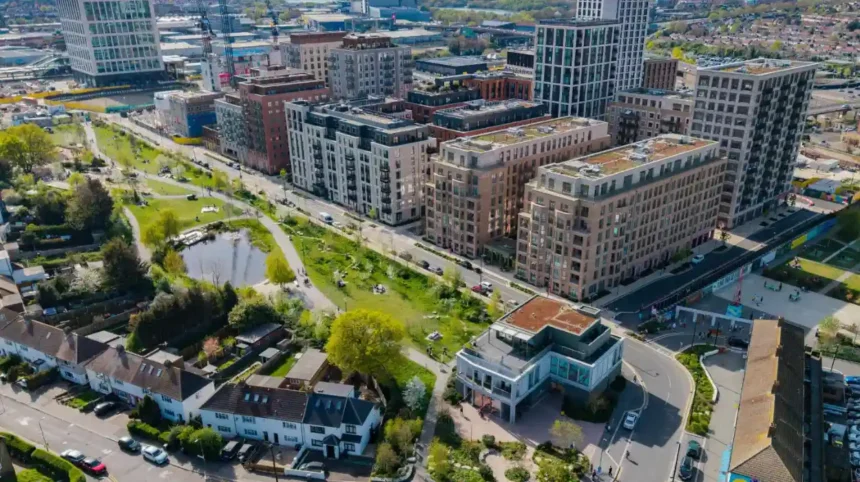
Brent Cross and Cricklewood are at the centre of Barnet’s largest regeneration programme. The development combines new housing, employment space, shopping facilities, public parks and transport infrastructure to create a major mixed-use neighbourhood connected to central London.
The Brent Cross Cricklewood regeneration programme is the largest redevelopment and growth project undertaken by Barnet Council. It is also one of the Mayor of London’s major growth projects.
The development covers a substantial regeneration area and includes Brent Cross Town, a new neighbourhood being delivered through a partnership between Barnet Council and Related Argent.
What Will Brent Cross Town Include?
Brent Cross Town is planned as a 180-acre, mixed-use neighbourhood with residential, commercial, educational and recreational facilities.
Its principal development targets include:
- Up to 6,700 new homes, including different housing tenures.
- Approximately three million square feet of office space.
- Employment space supporting up to 25,000 jobs.
- Around 50 acres of parks and playing fields.
- A new high street with shops, cafés and restaurants.
- Public squares, educational facilities and community spaces.
The development follows a 15-minute neighbourhood concept. This planning approach places everyday facilities within convenient walking or cycling distance of homes. Residents are intended to access work, shopping, education and leisure without depending on cars for every journey.
The new neighbourhood also includes facilities for sports and recreation. Planned and improved facilities include spaces for tennis, football, BMX, parkour and bouldering. Barnet Council+1
How Will Brent Cross Shopping Centre Contribute?
Brent Cross Shopping Centre is an established retail destination in North London. Its wider regeneration programme connects retail development with residential construction, commercial activity and improved public infrastructure.
The shopping centre’s future role extends beyond traditional retail. The surrounding development aims to create a wider destination for shopping, restaurants, entertainment and everyday services.
For visitors, this means Brent Cross will remain an important leisure and shopping destination while its surrounding neighbourhood develops.
What Is the Economic Impact of Regeneration?
New commercial buildings, retail premises and community facilities create opportunities for local businesses. Construction activity also generates demand for skilled workers, contractors, suppliers and professional services.
Brent Cross Town’s employment target of up to 25,000 jobs represents a major part of Barnet’s economic development ambitions.
The programme also creates opportunities for local residents to access training and employment in construction, hospitality, retail, administration and other sectors.
The long-term economic outcome depends on successful delivery, business occupancy and the ability of local people to access the opportunities created.
How Will Colindale Develop in the Future?
Colindale is one of Barnet’s largest housing and regeneration areas. Its development programme includes 10,170 new homes, improved Underground access, educational facilities, healthcare provision, public parks and a new neighbourhood centre supporting a growing residential population.
Colindale is changing from an established suburban and institutional area into a larger residential neighbourhood. Its regeneration is part of Barnet Council’s Delivering for Barnet programme.
The area has attracted residential development because of its transport connections, available redevelopment land and access to existing services.
The council’s regeneration programme identifies 10,170 new homes across different Colindale sites. More than 3,400 homes have already been delivered through the programme, according to the council’s published progress information.
What Infrastructure Is Planned for Colindale?
Housing growth requires improvements to public services and neighbourhood infrastructure. Colindale’s development programme includes several important projects.
The planned and ongoing improvements include:
- Redevelopment of Colindale Underground station with step-free access.
- Better bus connections.
- A pedestrian and cycling bridge linking Montrose Park with the hospital and Underground station.
- New health and community facilities.
- Additional primary, secondary and further education provision.
- Improvements to Colindale, Montrose, Rushgrove and Silkstream parks.
- Better public spaces around Colindale Avenue and Grahame Park Way.
These facilities are designed to support residents as the population increases.
The proposed neighbourhood hub is particularly important. It brings health, children’s and community services into a more accessible local centre.
Why Is Colindale Important for North London Visitors?
Colindale has an established identity connected with aviation, museums, residential development and local parks. Its future neighbourhood facilities will increase the range of everyday services available to visitors and residents.
The area’s proximity to the RAF Museum London also gives it an established cultural attraction. Improved walking connections and public spaces support more convenient visits to local attractions.
As development progresses, visitors will encounter a combination of established landmarks and newer residential environments.
What Is Planned for Mill Hill East?
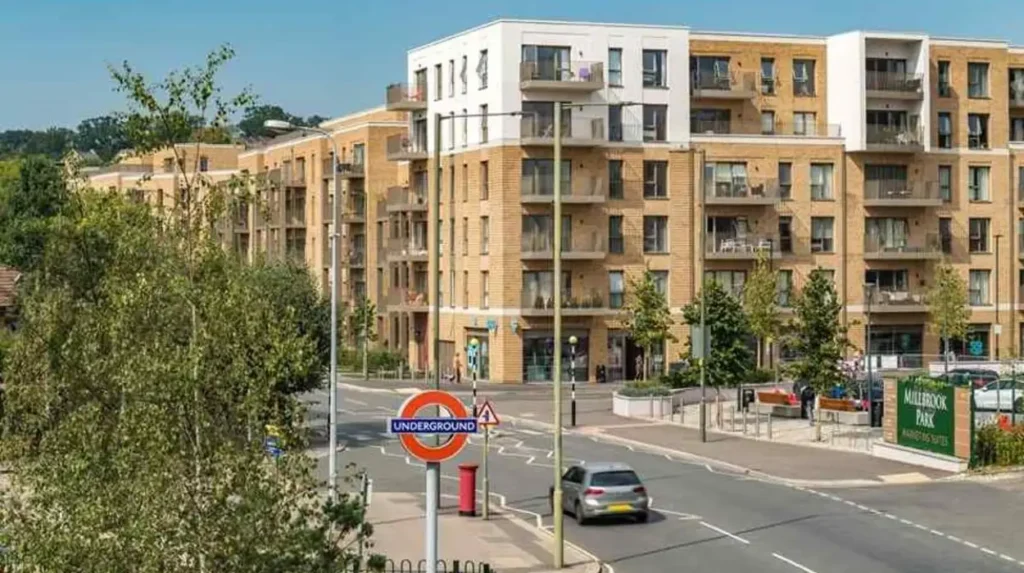
Mill Hill East is developing into a larger residential community through the Millbrook Park regeneration programme. The project includes 2,240 homes, upgraded transport facilities, new parks, a primary school, employment space and community infrastructure.
Mill Hill East regeneration focuses on more than 40 hectares of mainly vacant and previously developed land. The site includes the former Inglis Barracks and a former council waste depot.
The Millbrook Park development is transforming this land into a residential neighbourhood with supporting facilities.
The programme is delivered through a partnership involving Barnet Council, VSM Estates and Annington Property. Development includes land preparation, infrastructure construction and individual residential building projects.
What Facilities Will Millbrook Park Provide?
The regeneration programme includes 2,240 new homes and a range of supporting infrastructure.
Important components include a new primary school, community facilities, improved bus services and upgrades to Mill Hill East Underground station.
The scheme also includes:
- A new public piazza opposite the Underground station.
- Panoramic Park and other public green spaces.
- A multi-use games area.
- Approximately 3,470 square metres of employment space.
- Around 1,100 square metres of town-centre retail space.
- Improvements to road junctions and local access.
- A permanent energy centre.
- Sustainable drainage infrastructure.
The council reports that Millbrook Park Primary School, Central Park, Eastern Park, Barracks Park and Officers Mess Gardens have been completed. It also reports that 394 homes had been delivered at the time of its published progress update.
How Will Mill Hill East Benefit Local Communities?
New housing increases the need for accessible schools, local shops, healthcare and outdoor recreation.
Millbrook Park’s development approach combines these facilities within a residential setting. Its public spaces also create opportunities for walking, children’s activities and outdoor exercise.
The redevelopment of the historic former officers’ mess building is another important feature. Its conversion into mixed-use accommodation connects the site’s former military identity with its new residential purpose.
This combination of heritage, housing and modern facilities illustrates how Barnet is approaching redevelopment across different neighbourhoods.
How Will Transport Improvements Shape Barnet’s Future?
Barnet’s transport future focuses on safer journeys, improved public transport, accessible stations and better walking and cycling connections. The Transport Strategy 2025–2042 establishes the framework for connecting expanding neighbourhoods with employment, education and leisure destinations.
Transport infrastructure is essential to Barnet’s long-term development. New residential and commercial districts require reliable connections to central London and other parts of the capital.
Barnet Council adopted its Transport Strategy in July 2025. The strategy replaced the Long-Term Transport Strategy adopted in September 2020 and establishes transport priorities through 2042. Barnet Council
What Is the Importance of Brent Cross West Station?
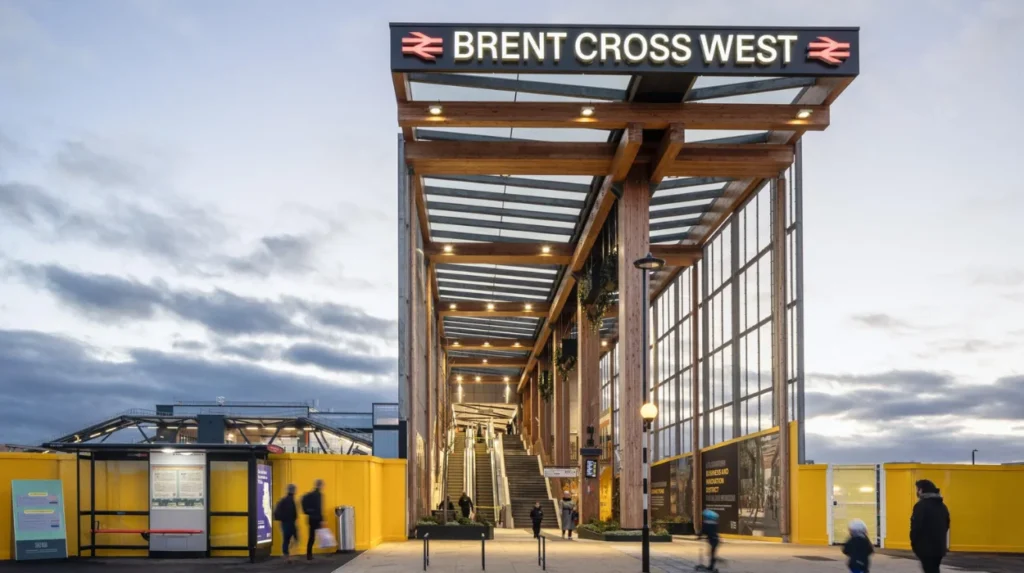
Brent Cross West railway station opened on 10 December 2023. It is the first major new mainline railway station to open in London in more than a decade.
The station provides Thameslink connections and serves the developing Brent Cross Town neighbourhood.
Journey times to central London can be as short as 12 minutes. The station also provides connections towards Luton Airport and St Pancras International, which offers onward international rail connections.
Barnet Council reported 575,000 journeys to and from the station during its first year of operation, with nearly 2,000 daily journeys at the time of its published update. Barnet Council+1
The station also includes a pedestrian and cycling overbridge. This connection improves access between communities separated by the Midland Main Line railway.
Will Barnet Improve Walking and Cycling Facilities?
Walking and cycling are important parts of the borough’s sustainable transport approach.
The council’s transport strategy prioritises accessible and healthy transport, integrated public transport, thriving neighbourhoods and innovation in transport delivery.
New developments are incorporating walking routes, cycle connections and safer pedestrian access into their layouts.
Brent Cross Town provides an example of this approach through its pedestrian connections, cycle paths and public spaces.
Colindale also includes plans for a pedestrian and cycling bridge linking important local destinations.
These improvements support residents who travel short distances without cars. They also provide more convenient routes for visitors exploring neighbourhood attractions.
What Is the Future of Public Transport in Barnet?
Barnet’s public transport network includes Northern line Underground services, Thameslink rail connections and local bus routes.
Future transport improvements focus on ensuring that these existing networks serve expanding residential areas. Station accessibility, interchange facilities and reliable bus connections remain important priorities.
The proposed West London Orbital railway is also relevant to wider north-west London connectivity. However, it should be treated as a proposed transport project rather than an operational Barnet railway service.
The wider objective is to reduce dependence on private cars and make public transport more useful for daily journeys.
How Will Barnet Protect Its Green Spaces and Environment?
Barnet’s environmental future depends on protecting parks, improving biodiversity, reducing carbon emissions and managing climate risks. Its Parks and Open Spaces Strategy 2026–2036 provides a framework for maintaining accessible green infrastructure as housing and population increase.
Barnet has an established network of parks, woodlands, nature reserves, playing fields and recreational landscapes. These areas contribute to public health, wildlife habitats and the borough’s suburban character.
The council’s environmental objectives recognise that development and population growth increase pressure on these spaces.
What Is Barnet’s Parks and Open Spaces Strategy?
Barnet’s Parks and Open Spaces Strategy 2026–2036 was approved in March 2026 following public consultation. The consultation received 142 representations.
The strategy aims to provide inclusive and sustainable parks that improve wellbeing, celebrate local identity, support biodiversity and involve communities.
The council’s supporting documentation identifies more than 250 open-space sites, including parks, wetlands, woodlands and designated wildlife habitats. barnet.moderngov.co.uk+1
The strategy establishes a longer-term approach to managing these spaces as the borough grows.
Its priorities include maintaining existing facilities, improving access, supporting wildlife and ensuring parks remain useful for different age groups.
Which Green Spaces Will Remain Important?
Several established green destinations contribute to Barnet’s environmental and recreational identity.
Hampstead Heath provides extensive walking routes, natural landscapes and outdoor recreation. Totteridge Valley is recognised for its countryside character and wildlife habitats. Victoria Park in Finchley provides local recreational space, while the Dollis Valley Greenwalk connects green corridors across North London.
These destinations are important for residents and visitors seeking outdoor activities without travelling far from residential neighbourhoods.
Future planning needs to balance public access with habitat protection. Increased visitor numbers require suitable paths, waste management, maintenance and protection of sensitive natural areas.
How Will Barnet Respond to Climate Change?
Barnet’s environmental policies identify climate adaptation, biodiversity, cleaner air and sustainable transport as important development priorities.
The council’s corporate environmental objectives set a target of becoming a net zero council by 2030 and a net zero borough by 2042. These are policy targets, not claims that carbon neutrality has already been achieved.
Climate adaptation involves preparing buildings, infrastructure and communities for environmental changes.
Barnet’s sustainability action plan identifies several mechanisms:
- Sustainable drainage systems, which manage surface water and reduce pressure on drainage networks.
- Biodiversity improvements, including wildlife habitats and green infrastructure.
- Active travel, including walking, wheeling and cycling.
- Cleaner transport and increased use of ultra-low-emission vehicles.
- Climate adaptation measures addressing extreme heat and flooding.
These measures are particularly relevant when planning new housing developments. Sustainable drainage systems, for example, help manage heavy rainfall through features such as permeable surfaces, rain gardens and water-retention areas.
Environmental planning also affects the design of public spaces. Trees, planting and accessible green corridors contribute to local cooling, wildlife movement and recreational opportunities.
How Will Barnet’s Town Centres and High Streets Change?
Barnet’s town centres are expected to become more adaptable, accessible and commercially diverse. Future development prioritises local shopping, employment, community facilities, leisure services and public spaces that support both established residents and growing neighbourhood populations.
Barnet contains several established town centres, including High Barnet, Finchley Central, Edgware, Hendon, North Finchley and Chipping Barnet. Each serves a different residential catchment and contributes to the borough’s local economy.
Town-centre development is important because population growth changes how people use local services. New homes increase demand for supermarkets, cafés, restaurants, healthcare facilities, leisure venues and professional services.
What Will Happen to Local Shopping Areas?
Barnet’s Local Plan supports more adaptable town centres with a wider mixture of commercial and community uses.
This approach addresses changes in shopping habits and the growth of online retail. Traditional shops remain important, but town centres also need services that encourage people to visit regularly.
Future commercial development is expected to support:
- Independent retailers, such as local food shops and specialist businesses.
- Hospitality businesses, including cafés, restaurants and takeaways.
- Health and wellbeing services, such as pharmacies and fitness facilities.
- Community services, including libraries and advice centres.
- Leisure facilities, such as entertainment venues and recreational spaces.
The objective is to create active local centres rather than areas dependent on a single type of business.
Will Cricklewood Become a More Important Destination?
Cricklewood is an important part of the wider Brent Cross regeneration programme. Its location between different parts of North London and neighbouring boroughs gives it a significant role in regional development.
The regeneration approach includes improving public spaces, encouraging commercial activity and strengthening connections with Brent Cross.
The Mayor of London’s previous Cricklewood regeneration programme included investment in high-street improvements, including shopfront improvements, lighting, public-space upgrades and tree planting.
For visitors, improved public spaces and a broader selection of businesses support more opportunities for shopping, eating and exploring the area.
How Will Barnet Balance Modern Development with Its Historic Character?
Barnet’s future planning must accommodate modern housing and infrastructure while retaining historic buildings, conservation areas and established neighbourhood identities. Heritage protection, careful building design and sensitive redevelopment remain essential to maintaining the borough’s distinctive character.
Barnet’s identity is shaped by its historic villages, suburban architecture, religious buildings, traditional high streets and protected landscapes.
Areas such as Monken Hadley, Chipping Barnet, Finchley and Hampstead Garden Suburb demonstrate different stages of the borough’s development.
Modern construction needs to respond to this established built environment. New buildings in sensitive locations require careful consideration of their scale, appearance, materials and relationship with surrounding streets.
How Does Heritage Protection Influence New Construction?
Conservation areas are designated locations where special architectural or historic interest requires additional planning consideration.
Barnet’s planning policies recognise conservation areas, historic buildings and protected open spaces through the Local Plan and its Policies Map.
Developers must consider the impact of proposals on heritage assets. Planning decisions also account for the wider character of streets and neighbourhoods.
This does not prevent all development. It establishes requirements for appropriate design and protects important features from unsuitable changes.
For a deeper understanding of the borough’s historic foundations, explore [Insert Anchor Text: How Barnet Protects Its Historic Character].
Why Is Historic Preservation Important for Tourism?
Historic buildings and traditional neighbourhoods give visitors additional reasons to explore Barnet beyond its shopping and residential districts.
Monken Hadley, Hampstead Garden Suburb and the historic streets of Chipping Barnet provide opportunities to understand the borough’s architectural and social development.
Heritage locations also support walking tours, photography, local businesses and cultural visits.
The future challenge is to maintain these attractions while accommodating new housing and transport requirements.
What New Opportunities Will Barnet Create for Businesses and Employment?
Barnet’s regeneration strategy connects housing development with new employment space, business investment and skills opportunities. Brent Cross Town, expanding town centres and commercial redevelopment are central to creating a more diverse local economy.
Economic development is an important part of Barnet’s long-term planning. The borough needs employment opportunities that match its growing population.
The Local Plan identifies capacity for up to 67,000 square metres of additional office space across Barnet’s town centres. It also supports employment growth associated with Brent Cross and other regeneration locations.
Which Industries Will Benefit from Development?
Construction is an immediate beneficiary of regeneration. Housing projects, railway improvements, commercial buildings and public infrastructure require architects, engineers, contractors and skilled tradespeople.
Retail and hospitality businesses also benefit from larger residential populations. New neighbourhoods increase demand for shops, restaurants, cafés and personal services.
Other relevant employment sectors include:
- Education, including schools and higher education.
- Healthcare, including medical practices and community health services.
- Professional services, including finance, technology and administration.
- Property and construction management.
- Leisure, sports and tourism.
These sectors create opportunities for different skill levels and employment backgrounds.
What Is the Role of Sheffield Hallam University?
Brent Cross Town’s education ambitions include a higher education presence associated with Sheffield Hallam University.
The proposed university presence forms part of the area’s wider education and employment vision. It strengthens the connection between education, local skills and future business activity.
A higher education campus also supports demand for student accommodation, hospitality, transport and cultural facilities.
This creates opportunities for the wider neighbourhood rather than benefiting only the education institution.
Will Barnet Become More Attractive to Remote Workers?
Barnet’s transport links, residential neighbourhoods and growing commercial centres make it relevant to people working remotely or using hybrid working arrangements.
Digital nomads and remote professionals generally require reliable internet, convenient transport, cafés and accessible workspaces.
Brent Cross Town’s commercial development and the expanding facilities in local centres provide a basis for a wider range of work-friendly destinations.
For domestic business travellers, improved railway connections also make it easier to combine professional visits with shopping, dining and local leisure activities.
However, the availability of specific coworking facilities and flexible office spaces depends on individual commercial operators and their opening arrangements.
How Will Housing Development Affect Barnet’s Communities?
Barnet’s housing future centres on increasing supply, providing different housing options and supporting growing households. New residential developments must also address affordability, accessible accommodation, schools, healthcare and the infrastructure required for sustainable neighbourhoods.
Housing is one of the most significant pressures influencing Barnet’s future.
The borough’s population growth increases demand for family housing, smaller flats, affordable homes and accommodation suitable for older residents.
The Local Plan’s target of nearly 44,000 additional homes by 2036 represents a substantial development programme.
What Types of Housing Will Barnet Need?
Different households require different types of accommodation.
Young professionals often seek smaller flats near public transport and employment centres. Families require larger homes close to schools, parks and community facilities. Older residents need accessible accommodation with convenient healthcare and local services.
Regeneration projects therefore include different housing tenures and residential formats.
Brent Cross Town, for example, is designed to accommodate a mixture of affordable housing, private sale, rental accommodation and other residential options.
How Will Affordable Housing Influence Development?
Affordability remains a central issue in Barnet’s housing strategy.
The council identifies the relationship between property costs and household incomes as a significant barrier for local residents.
Affordable housing policies aim to ensure that development contributes to a broader housing supply rather than focusing exclusively on higher-priced properties.
The long-term success of these policies depends on the delivery of affordable homes, appropriate tenure arrangements and access to supporting facilities.
Will New Housing Increase Pressure on Public Services?
Additional homes increase demand for schools, healthcare, public transport and community facilities.
Barnet’s planning approach links housing development with infrastructure requirements. Colindale and Mill Hill East demonstrate this approach through planned education, healthcare, transport and recreational improvements.
The timing of infrastructure delivery is particularly important. Facilities need to become available as new residents move into developing neighbourhoods.
If services fall behind housing construction, existing facilities experience greater pressure and residents face longer journeys to access essential services.
What Will Barnet Offer Tourists and Leisure Visitors in the Future?
Barnet’s future development will expand its appeal through improved public spaces, transport connections, shopping destinations and recreational facilities. Its combination of historic neighbourhoods, green landscapes, cultural attractions and modern developments supports different types of visitor experiences.
Barnet already offers attractions for people interested in history, architecture, outdoor activities and shopping. Future regeneration will add new destinations and improve access to existing facilities.
Which Attractions Will Remain Important?
The RAF Museum London in Colindale is one of the borough’s established cultural attractions. It presents the history of aviation through aircraft collections, exhibitions and educational displays.
Hampstead Garden Suburb attracts visitors interested in architecture, landscape design and historic residential planning.
Monken Hadley provides a traditional village environment with historic buildings and green spaces. High Barnet also offers access to local heritage, independent businesses and established walking routes.
These destinations will remain important as Barnet develops its modern residential and commercial districts.
Will New Parks and Leisure Facilities Attract More Visitors?
Brent Cross Town’s proposed parks, playing fields and recreational facilities will increase the availability of outdoor activities.
Millbrook Park and Colindale also include new and improved green spaces.
These facilities support different activities, including walking, cycling, children’s play, organised sports and outdoor exercise.
The development of a new regional park under the Local Plan also demonstrates the importance of recreation within Barnet’s long-term growth strategy.
For leisure visitors, these projects create additional reasons to explore neighbourhoods beyond established shopping destinations.
What Challenges Could Affect Barnet’s Future Development?
Barnet’s development programme faces challenges involving housing affordability, infrastructure capacity, environmental protection, construction delivery and community needs. Effective planning and investment are essential to ensure regeneration improves neighbourhoods without creating additional long-term pressures.
Large regeneration programmes require coordination between councils, developers, transport providers, utility companies and local communities.
Barnet’s future depends not only on the number of homes constructed but also on the quality of supporting infrastructure.
Can Infrastructure Keep Pace with Population Growth?
Population growth increases demand for schools, healthcare, public transport and roads.
The delivery of 44,000 additional homes requires substantial coordination between housing developers and public-service providers.
Transport improvements need to serve new residential areas from the beginning of occupation. Schools and healthcare facilities also need sufficient capacity for growing communities.
The challenge is maintaining a reasonable balance between construction and public-service investment.
How Will Barnet Protect Its Green Belt?
Barnet contains Green Belt and Metropolitan Open Land designations. These planning protections help prevent inappropriate development and preserve important open landscapes.
The Local Plan identifies protected land and open spaces through its planning policies and Policies Map.
Future housing requirements create pressure to use land efficiently. This increases the importance of brownfield redevelopment, which involves bringing previously developed land back into productive use.
Brent Cross and Mill Hill East demonstrate how former industrial and institutional sites can accommodate new development.
Protecting green spaces while increasing housing supply remains a central planning challenge.
Will Regeneration Preserve Local Community Identity?
New developments change the appearance and character of neighbourhoods.
Long-established communities have existing businesses, social networks, cultural institutions and local traditions. Regeneration needs to recognise these features when introducing new housing and commercial facilities.
Community consultation helps residents contribute to planning decisions. Barnet’s Parks and Open Spaces Strategy, for example, incorporated public representations before its approval in March 2026.
Long-term success depends on ensuring that regeneration benefits existing residents as well as incoming households.
Explore More Area Guide
How Barnet Protects Its Historic Buildings and Conservation Areas
Barnet Development Areas: Major Regeneration Projects in North London
What Is the Expected Timeline for Barnet’s Transformation?
Barnet’s development follows several overlapping planning and delivery periods. The Local Plan guides growth through 2036, the Parks and Open Spaces Strategy covers 2026–2036, and the Transport Strategy establishes priorities through 2042.
The following milestones explain how these programmes fit together.
Barnet’s development timeline
These dates represent different policy and delivery milestones rather than a single completion date for Barnet’s regeneration.
Individual projects have separate construction schedules, planning permissions and funding arrangements. Some facilities are already operational, while others remain under development or planning.
What Does Barnet’s Future Mean for North London?
Barnet’s future is centred on managed population growth, modern infrastructure, stronger employment opportunities and environmental protection. Its regeneration programmes aim to create connected neighbourhoods while retaining the historic buildings, green spaces and local identities that define North London.
The borough is developing beyond its traditional suburban role. Brent Cross is becoming a major residential and commercial destination, Colindale is expanding into a larger neighbourhood, and Mill Hill East is establishing new residential and recreational facilities.
These developments also influence the wider North London economy. Improved railway connections support access to central London, while additional employment space strengthens local business opportunities.
For tourists, the changing borough offers a combination of established attractions and emerging leisure destinations. For residents, the main priorities are access to affordable housing, reliable transport, public services and well-maintained green spaces.
The success of Barnet’s future development will ultimately depend on how effectively these priorities work together. New buildings alone do not create sustainable communities. Transport, education, healthcare, employment, environmental protection and heritage preservation must progress alongside housing construction.
Barnet’s long-term plans provide a framework for achieving this balance. The coming years will determine how successfully the borough converts its regeneration ambitions into accessible facilities, stronger neighbourhoods and a more sustainable North London environment.
What is the future development plan for Barnet?
Barnet’s future development is guided by the Local Plan 2021–2036, adopted on 4 March 2025. It aims to deliver nearly 44,000 new homes, employment opportunities, improved transport and better public spaces.