Islington, in North London, has a long history of political activism, social reform and community organising. Its political identity developed through working-class movements, democratic reform campaigns, women’s rights organisations, anti-apartheid activism, trade unions and grassroots community groups. From nineteenth-century Chartist demonstrations to twentieth-century campaigns against racial discrimination, Islington became an important location for people organising around political representation, equality and social change.
- What Made Islington an Important Centre of Political Activism?
- How Did Nineteenth-Century Radical Movements Shape Islington?
- How Did Women’s Rights Campaigns Influence Political Activism in Islington?
- How Did Feminist Organisations Develop in Islington?
- What Was the Significance of Grassroots Women’s Organising?
- How Did Islington Become Associated with Anti-Fascist Activism?
- Why Did Islington Become an Important Centre of Anti-Apartheid Activism?
- What Happened at the ANC Headquarters on Penton Street?
- Who Were the London Recruits?
- How Did Islington Council Support the Anti-Apartheid Movement?
- How Did Immigration and Cultural Diversity Strengthen Islington’s Activist Networks?
- What Was the Role of the Keskidee Centre?
- How Did Migrant Communities Contribute to Anti-Racist Campaigning?
- How Did Trade Unions and the Miners’ Strike Shape Islington’s Political Identity?
- What Was Islington’s Role in the 1984–1985 Miners’ Strike?
- How Did the Miners’ Strike Connect Different Social Movements?
- How Did Local Government and Community Campaigns Expand Political Activism in Islington?
- How Did Community Organisations Influence Local Politics?
- What Was the Importance of the 1970s Community Campaigns?
- Which Islington Locations Are Important for Understanding Its Political History?
- How Does Islington’s Political Activism Continue to Influence the Borough Today?
- How Has Independent Publishing Preserved Islington’s Radical Traditions?
- Why Does Political Heritage Matter to Modern Islington?
- How Can Visitors Explore Islington’s Political Activism Heritage?
- What Is the Lasting Significance of Islington’s Political History?
The borough’s political history reflects wider developments in British society. Industrialisation, economic inequality, immigration, housing pressures and changing attitudes towards civil rights influenced local campaigns. Its proximity to central London also connected residents and organisations with national political institutions, demonstrations and international movements.
Today, Islington’s political heritage remains visible in its historic meeting places, former campaign headquarters, community organisations, independent publications and public institutions. Understanding this history explains why the borough holds an important place in London’s wider story of political activism.
What Made Islington an Important Centre of Political Activism?
Islington became an important centre of political activism through its working-class population, radical publishing traditions, trade union networks and proximity to central London. These conditions encouraged organised campaigns for democratic representation, workers’ rights, racial equality and wider social reform.
Islington’s political development began long before modern political parties became established. During the nineteenth century, the area experienced population growth, urban expansion and changing employment patterns. Workers, publishers, reformers and political campaigners used local meeting places to exchange ideas and organise collective action.
The borough’s location strengthened these connections. Islington sits immediately north of the City of London and is connected to Westminster through established transport routes. Activists could organise locally while maintaining links with national political campaigns.
Its history also includes influential political organisations and individuals. Chartists campaigned for democratic reform, socialist publishers circulated working-class literature, and later organisations established networks supporting women’s rights and international liberation movements.
Political activism in Islington developed through several connected traditions:
- Democratic reform: Campaigns for wider voting rights and parliamentary representation.
- Workers’ rights: Trade union organisation, employment campaigns and industrial solidarity.
- Women’s equality: Campaigns for political representation, reproductive rights and workplace equality.
- Anti-racism: Local opposition to racial discrimination and international apartheid.
- Community activism: Campaigns addressing housing, public services, poverty and neighbourhood conditions.
These movements did not operate independently. Their organisations frequently shared meeting spaces, volunteers, publications and political networks.
How Did Nineteenth-Century Radical Movements Shape Islington?
Nineteenth-century radicalism established an important foundation for Islington’s political identity. Chartist organisers, working-class publishers and supporters of trade union rights used nearby streets, meeting places and printing networks to campaign for political equality and improved working conditions.
The nineteenth century was a period of major political and economic change in Britain. Industrialisation expanded urban populations and increased public debate about wages, working conditions, voting rights and political representation.
Islington became connected to these developments through its radical publishing and organising networks.
One important figure was James Watson (1799–1874), a radical publisher and political activist associated with Chartism. He supported the circulation of reform literature at a time when government authorities frequently restricted radical publications.
Watson helped establish the London Working Men’s Association in 1836. This organisation contributed to the development of Chartism, a national working-class movement demanding parliamentary reform.
What Was the Chartist Movement?
Chartism was a working-class political movement that campaigned for six parliamentary reforms. Its demands appeared in the People’s Charter of 1838.
The six demands included:
- Universal male suffrage for adult men.
- Equal electoral districts.
- The abolition of property qualifications for MPs.
- Payment for Members of Parliament.
- Annual parliamentary elections.
- The secret ballot.
The movement developed during a period when most working-class men lacked the right to vote. Chartists organised petitions, public meetings and demonstrations to demand political representation.
The National Archives documents the movement’s development between 1836 and 1848, including its major demonstrations and original political publications.
Why Was Copenhagen Fields Important?
Copenhagen Fields, now associated with Caledonian Park in Islington, was an important location in the history of working-class protest.
In April 1834, a large crowd gathered there during demonstrations supporting the Tolpuddle Martyrs. These six agricultural labourers from Dorset had been transported to Australia after forming a trade union.
Their punishment generated national opposition. Campaigners organised demonstrations demanding their release, and the men eventually received pardons and returned to Britain in 1836.
The protests connected Islington with the wider struggle for workers’ rights and freedom of association.
James Watson participated in the radical political networks surrounding these campaigns. His activities demonstrate how publishing, public meetings and trade union solidarity contributed to the borough’s early activist traditions.
How Did Women’s Rights Campaigns Influence Political Activism in Islington?
Women’s rights campaigns strengthened Islington’s political culture through feminist organisations, independent publications, workplace activism and community networks. These movements challenged unequal employment conditions, limited political representation and discrimination against women in public and private life.
Women’s political activism became increasingly visible during the nineteenth and twentieth centuries. The campaign for women’s suffrage demanded equal voting rights, while later feminist organisations addressed employment, education, reproductive rights and domestic inequality.
The wider British suffrage movement included organisations with different approaches. The National Union of Women’s Suffrage Societies, led by Millicent Garrett Fawcett, pursued constitutional campaigning. The Women’s Social and Political Union, founded by Emmeline Pankhurst in 1903, adopted more militant methods.
The movement eventually secured significant legislative change through the Representation of the People Act 1918, which extended voting rights to certain women aged 30 and above who met property qualifications. The Equal Franchise Act 1928 established equal voting terms for women and men aged 21 and above.
How Did Feminist Organisations Develop in Islington?
During the 1970s, Islington became associated with feminist organising and independent political publishing.
The borough’s feminist networks connected women’s organisations, workplace campaigns, community centres and independent publications. These groups discussed employment rights, childcare, public spending and women’s representation.
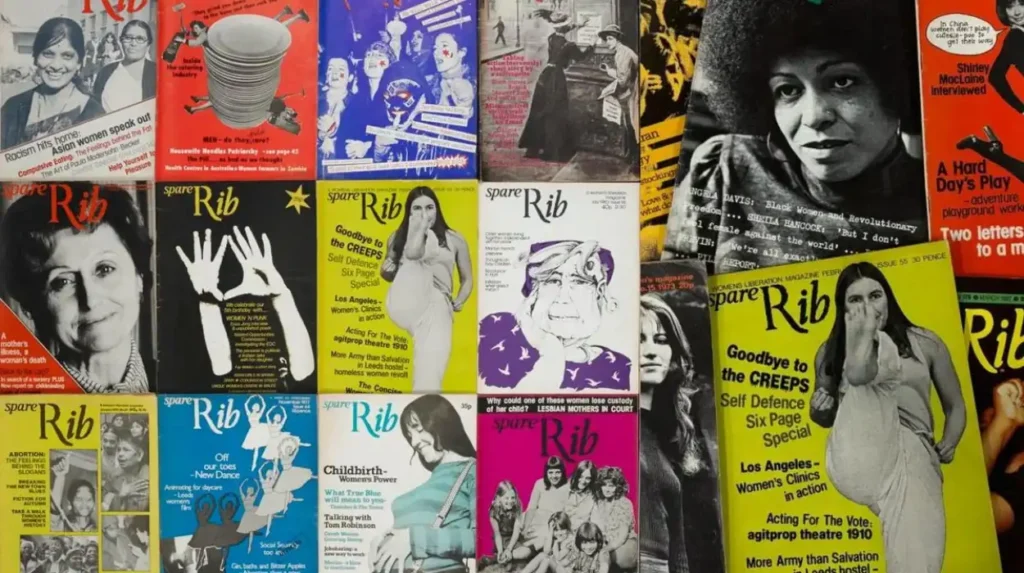
One significant publication was Spare Rib, a British feminist magazine launched in 1972. It contributed to national discussions about women’s equality and the wider women’s liberation movement.
Other radical publications also circulated in Islington. These included socialist and community-focused newspapers that provided space for political debate outside mainstream media.
Women’s activism also developed through local employment disputes. Women employed in public services organised around pay, working conditions and recognition of undervalued labour.
These campaigns connected feminist concerns with trade union activity and local government policy.
What Was the Significance of Grassroots Women’s Organising?
Grassroots organising refers to political activity led by ordinary residents and community members rather than exclusively by established political institutions.
In Islington, women’s groups used community networks to discuss local problems and organise collective responses. Their work included campaigns for childcare provision, improved public services, workplace protections and equal opportunities.
These activities helped establish links between feminist organisations, trade unions and neighbourhood campaigns.
The history of women’s organising also demonstrates that Islington’s political identity developed through practical community action, not only parliamentary politics.
How Did Islington Become Associated with Anti-Fascist Activism?
Islington’s anti-fascist history developed through political opposition to authoritarianism, international solidarity and support for democratic movements. Local activists participated in campaigns connected with the Spanish Civil War, refugee support and opposition to fascist political movements.
Anti-fascism refers to organised opposition to fascist political movements and authoritarian systems. In Britain, anti-fascist activism became particularly visible during the 1930s as European fascist movements expanded.
Islington’s political history includes individuals who supported international anti-fascist causes.
Who Was Leah Manning?
Leah Manning (1886–1977) was a British Labour politician and Islington MP who supported the Spanish Republican side during the Spanish Civil War.
The Spanish Civil War began in 1936 following a military uprising against Spain’s Republican government. General Francisco Franco led the Nationalist forces, which received military support from Nazi Germany and Fascist Italy.
Manning opposed the British Government’s non-intervention policy. She became secretary of the Spanish Medical Aid Committee and helped organise medical assistance for people affected by the conflict.
She also played a significant role in the evacuation of Basque children from Spain.
In 1937, Manning and Edith Pye helped organise the evacuation of 3,826 children and 95 teachers aboard the SS Habana. The children subsequently received accommodation in Britain through public donations.
This campaign connected Islington’s political networks with international humanitarian action.
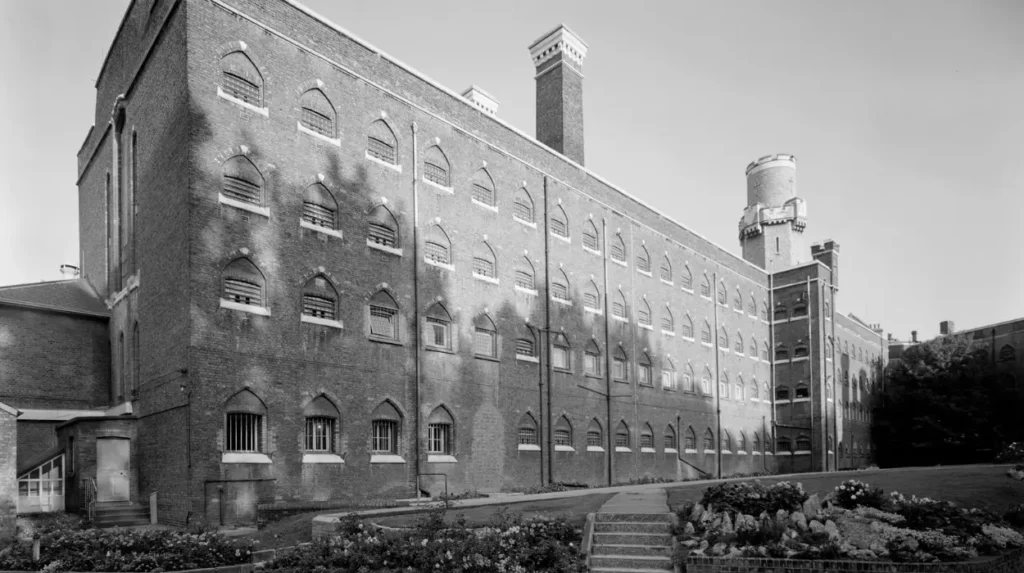
Why Was Holloway Prison Significant to Political Activism?
Holloway Prison became an important location in the history of British women’s political activism.
The prison held suffragettes who had been arrested during campaigns for women’s voting rights. Some prisoners organised hunger strikes to protest against their treatment and their classification as ordinary criminals rather than political prisoners.
The Government introduced the Prisoners (Temporary Discharge for Ill Health) Act 1913, commonly known as the Cat and Mouse Act. It allowed authorities to release hunger-striking prisoners temporarily when their health deteriorated and rearrest them after recovery.
The treatment of suffragettes attracted national attention and strengthened public debate about women’s political rights.
Edith Garrud, a suffragette and martial arts instructor who grew up in Islington, taught self-defence techniques to women involved in the campaign. Her contribution represents another connection between Islington and the wider history of political protest.
Why Did Islington Become an Important Centre of Anti-Apartheid Activism?
Islington became a major centre of British anti-apartheid activism because the African National Congress established its London headquarters in the borough in 1978. Local campaigners, community organisations and Islington Council supported international efforts to end racial segregation in South Africa.
Anti-apartheid activism represents organised opposition to apartheid, the system of institutionalised racial segregation and discrimination enforced by South Africa’s government between 1948 and 1994.
Islington played a significant role in the British anti-apartheid movement because it hosted important organisational and communication facilities.
The African National Congress (ANC), a South African political organisation established in 1912, operated its London headquarters from 28 Penton Street between 1978 and 1994.
Oliver Tambo, a prominent ANC leader, was central to the organisation’s international work during this period. His leadership helped coordinate international support for the movement against apartheid.
What Happened at the ANC Headquarters on Penton Street?
The ANC headquarters at 28 Penton Street became a centre for political coordination, international communication and anti-apartheid campaigning.
The organisation used its London presence to maintain relationships with supporters, communicate its political objectives and organise international solidarity.
The building also became associated with the ANC’s wider underground and international networks.
A related location was the ANC print shop at 1 MacKenzie Road, Islington. It provided facilities for printing campaign materials supporting the anti-apartheid movement.
The headquarters and print shop demonstrate the practical infrastructure required to sustain an international political campaign.
Who Were the London Recruits?
London Recruits were British volunteers who undertook covert assignments supporting the African National Congress during apartheid.
Some young activists travelled to South Africa disguised as tourists. They distributed ANC campaign materials and supported communication efforts inside the country.
Four young Islington residents participated in these activities, according to historical material documenting the borough’s anti-apartheid connections.
These assignments involved considerable personal risk because South African authorities treated ANC activities as threats to the apartheid government.
The history of the London Recruits demonstrates how local residents participated in an international political struggle.
How Did Islington Council Support the Anti-Apartheid Movement?
Islington Council developed formal links with anti-apartheid campaigns through its local government policies and international solidarity activities.
The council established its first Race Relations Committee in 1979. In 1983, it became a founding member of Local Authorities Against Apartheid (LAAA), a network coordinating action by British local authorities.
In 1985, Islington adopted its Declaration on Southern Africa. The declaration committed the borough to boycotting South African and Namibian goods and withdrawing investments from companies involved in South Africa.
The council also committed to promoting the history of the Southern African freedom struggle in local schools.
These policies connected local government decisions with international human rights campaigning.
The Anti-Apartheid Movement Archives records the participation of more than 120 local councils in anti-apartheid initiatives by 1985. Islington’s declaration formed part of this wider national campaign.
How Did Immigration and Cultural Diversity Strengthen Islington’s Activist Networks?
Immigration strengthened Islington’s political networks by bringing together people with different experiences of discrimination, displacement and political repression. Refugees, migrant communities and international organisations contributed to campaigns for racial equality, cultural recognition and social justice.
Islington’s population developed through successive waves of immigration. People arrived from Europe, the Caribbean, Africa and other parts of the world.
Some migrants came to Britain for employment and economic opportunities. Others escaped political persecution, conflict or discrimination.
These communities influenced the borough’s cultural and political development.
Islington Council’s historical project, Islington as a Place of Refuge, documents the experiences of several migrant communities, including Hungarian and South African political refugees, German Jewish refugees, and West Indian, Italian and Irish migrants. Islington as a Place of Refuge
What Was the Role of the Keskidee Centre?
The Keskidee Centre was an important cultural and political institution established in Islington during the 1970s.
Located at 64 Gifford Street, the centre was envisioned by Guyanese architect and cultural activist Oscar Abrams.
It provided educational, social and cultural activities for the borough’s predominantly West Indian community.
The centre became an important location for African and Afro-Caribbean arts, theatre and political discussion. It is recognised as Britain’s first dedicated arts centre for the Black community.
Its activities connected cultural expression with discussions about racial discrimination, identity and political representation.
The Keskidee demonstrates how community institutions supported political participation beyond traditional party structures.
How Did Migrant Communities Contribute to Anti-Racist Campaigning?
Migrant communities contributed to anti-racist activism through local organisations, cultural institutions, political education and public campaigns.
Their activities addressed discrimination in employment, housing, education and public services.
Community organisations provided spaces where residents discussed shared problems and organised collective responses. Cultural events also created opportunities to communicate political experiences to wider audiences.
The presence of South African activists and ANC supporters strengthened Islington’s connection with international anti-racist campaigning.
These relationships helped establish a political culture in which local concerns and international human rights issues frequently overlapped.
How Did Trade Unions and the Miners’ Strike Shape Islington’s Political Identity?
Trade unions and industrial solidarity strengthened Islington’s political identity through workplace campaigns, public meetings and support for striking workers. The 1984–1985 miners’ strike brought local activists together with mining communities and wider labour, feminist and LGBTQ+ organisations.
Trade unions are organisations that represent workers in negotiations over pay, working conditions, employment rights and workplace protections.
Islington developed connections with the British labour movement through its public-sector workforce, political organisations and community campaigns.
The borough’s trade union networks also supported national industrial disputes.
What Was Islington’s Role in the 1984–1985 Miners’ Strike?
The miners’ strike began in March 1984 following disputes over proposed pit closures and the future of Britain’s coal industry.
The National Union of Mineworkers (NUM), led by Arthur Scargill, organised the national industrial action.
Supporters outside mining communities established networks to provide financial assistance, food collections and practical support.
Islington became part of this wider solidarity movement.
An important example was the Islington Miners’ Support Committee, which brought together activists from trade union organisations and other political groups.
The committee supported Tower Colliery in South Wales. Islington and the mining community developed a relationship that included regular collections of food and money.
How Did the Miners’ Strike Connect Different Social Movements?
The miners’ strike created relationships between groups campaigning on different political and social issues.
Women employed in Islington Council’s children’s day centres participated in workplace disputes during the same period. Their union activities connected with wider solidarity campaigns.
Lesbians and Gays Support the Miners (LGSM) also established links between LGBTQ+ campaigners and mining communities.
The organisation became particularly associated with the Pits and Perverts fundraising event held in December 1984.
These connections demonstrated how industrial disputes created opportunities for cooperation between groups campaigning for workers’ rights, gender equality and LGBTQ+ recognition.
Academic geographer Diarmaid Kelliher examines these relationships in his 2021 book, Making Cultures of Solidarity: London and the 1984–5 Miners’ Strike. The research documents how mutual support networks connected London’s political organisations with mining communities.
How Did Local Government and Community Campaigns Expand Political Activism in Islington?
Local government expanded political activism in Islington by providing institutional routes for residents to influence public policy. Council committees, neighbourhood organisations, public consultations and community campaigns connected political participation with housing, equality, employment and public services.
Political activism does not always involve demonstrations or national political movements. Local campaigns also influence decisions about everyday conditions.
Islington’s local government became an important part of this process.
The borough’s political organisations and community networks addressed issues affecting residents, including housing affordability, public spending, employment conditions and equal access to services.
How Did Community Organisations Influence Local Politics?
Community organisations provided residents with opportunities to raise concerns and coordinate campaigns.
These organisations included tenants’ associations, neighbourhood groups, voluntary organisations and community advice services.
Their activities involved organising meetings, circulating campaign materials, collecting evidence and communicating with councillors.
The development of community networks also created links between local residents and established political organisations.
This approach helped residents participate in decisions that directly affected their neighbourhoods.
What Was the Importance of the 1970s Community Campaigns?
The 1970s saw the growth of community-based political activity across Islington.
Activists organised around local government spending, employment and public service provision.
Women’s centres, tenants’ organisations and neighbourhood forums became part of broader political networks.
The General Cuts Campaign and National Working Women’s Charter Campaign illustrate the connections between workplace activism and community politics during this period.
These campaigns reflected disagreements about public expenditure, employment rights and the provision of local services.
Their history shows how political activism developed through cooperation between residents, trade unions and community organisations.
Which Islington Locations Are Important for Understanding Its Political History?
Islington’s political heritage is visible through historic campaign headquarters, public meeting places, community institutions and local landmarks. Locations including Clerkenwell Green, Caledonian Park, Penton Street and Gifford Street help visitors understand the borough’s activist history.
Visitors interested in political history can explore several locations associated with Islington’s historical movements.
Clerkenwell Green
Clerkenwell Green has a long association with London’s radical political traditions.
The area hosted public meetings and demonstrations during the nineteenth century. It was also associated with Chartist activity and the wider struggle for working-class political representation.
The nearby Marx Memorial Library preserves materials relating to labour history, socialism and international political movements.
Caledonian Park
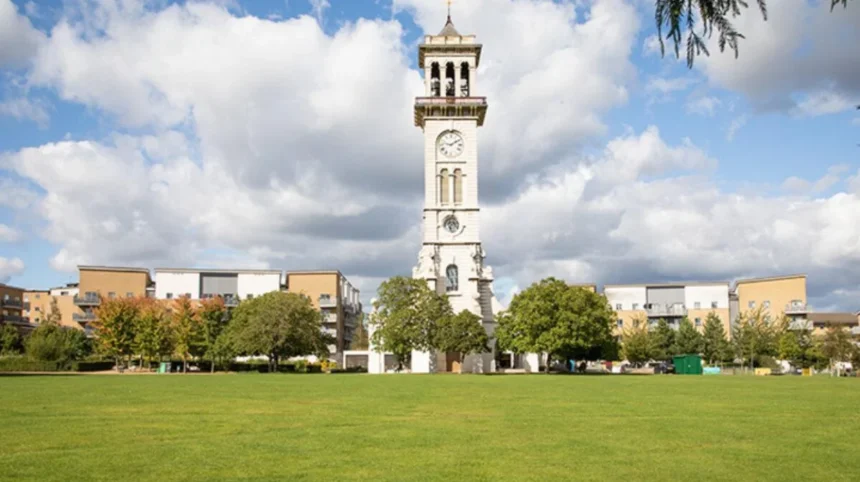
Caledonian Park occupies the historic site of Copenhagen Fields.
The area is associated with demonstrations supporting the Tolpuddle Martyrs and the 1851 rally welcoming Hungarian revolutionary Lajos Kossuth.
The Cally Clock Tower provides a visible historical landmark within the park.
Penton Street
28 Penton Street is one of the most significant locations in Islington’s anti-apartheid history.
The building served as the ANC’s London headquarters between 1978 and 1994.
Its history connects the borough with Oliver Tambo, international anti-apartheid campaigning and the struggle against South African racial segregation.
Gifford Street
Gifford Street was home to the Keskidee Centre.
Its history demonstrates the importance of Black cultural organisations in Islington’s political and social development.
The former centre’s story connects community education, theatre and political expression.
Holloway
Holloway is associated with the history of women’s political imprisonment through Holloway Prison.
The prison held suffragettes and other women involved in political campaigns.
Its history forms an important part of understanding the relationship between political protest, imprisonment and women’s rights in Britain.
These locations provide a useful starting point for visitors exploring Islington’s political heritage.
How Does Islington’s Political Activism Continue to Influence the Borough Today?
Islington’s activist heritage continues to influence its community organisations, cultural institutions and public discussions. Historical traditions of political publishing, international solidarity, trade union participation and neighbourhood campaigning remain relevant to contemporary debates about equality and democratic participation.
Islington’s political history is not limited to nineteenth-century reform movements or twentieth-century international campaigns.
The borough continues to provide space for political discussion through community organisations, cultural projects and local initiatives.
Modern activism addresses a broad range of issues, including housing, environmental protection, racial equality, workers’ rights and access to public services.
How Has Independent Publishing Preserved Islington’s Radical Traditions?
Independent publishing played an important role in Islington’s political history.
During the 1970s, publications such as Spare Rib, The Islington Gutter Press and The Pink Paper provided spaces for feminist, socialist and LGBTQ+ political discussion.
Independent publications enabled campaigners to circulate information outside established media organisations.
This tradition continues through community publishing and local historical projects.
In March 2026, Islington Now reported on Cubitt Community Press, an artist-led initiative based in Angel. The collective launched its community press in 2024 and developed publications featuring contributions from local groups.
Its work connects contemporary creative activity with Islington’s history of radical publishing. Islington Now
Why Does Political Heritage Matter to Modern Islington?
Political heritage provides a historical explanation for the borough’s involvement in debates about equality, democratic participation and community representation.
It also documents the contributions of people whose activities took place outside conventional political institutions.
The histories of James Watson, Edith Garrud, Leah Manning, Oliver Tambo and local anti-apartheid campaigners demonstrate different forms of political participation.
Their work involved publishing, public demonstrations, humanitarian assistance, international organising and local government campaigning.
Understanding these contributions provides visitors with a wider perspective on London’s political development.
Explore More Area Guide
How Did Islington Become a Centre of Political Activism?
History of Islington’s New River and London’s Water Supply
How Can Visitors Explore Islington’s Political Activism Heritage?
Visitors can explore Islington’s political history through historic landmarks, local museums, archive collections and guided heritage projects. Clerkenwell Green, Caledonian Park, former ANC sites and the Islington Museum provide starting points for understanding the borough’s activist traditions.
Islington offers several opportunities for visitors interested in British political and social history.
The most useful approach is to connect historical locations with the organisations and movements associated with them.
The Islington Museum and Islington Local History Centre preserve material relating to the borough’s social development, migration and political history.
The Marx Memorial Library provides additional historical resources about socialist movements, working-class politics and international campaigns.
The Anti-Apartheid Movement Archives also offers historical photographs, documents, interviews and campaign records.
Visitors researching the borough’s wider historical development should also explore its architectural, industrial and social heritage. As you explore modern Islington, you are crossing neighbourhoods with a deep historical background. Discover the [Insert Anchor Text for Islington’s Historical Background Article Here] to understand how the borough developed into the community it is today.
A heritage visit can include Caledonian Park, Clerkenwell Green, Penton Street and the historic locations around Holloway and Angel.
Visitors should check current museum opening arrangements and access information before travelling.
What Is the Lasting Significance of Islington’s Political History?
Islington became a centre of political activism through the combined influence of democratic reformers, working-class organisations, feminist campaigners, anti-racist movements and international political networks. Its history demonstrates how local communities contributed to wider national and international struggles.
The borough’s importance developed over several generations. Nineteenth-century Chartists demanded political representation, suffragettes challenged restrictions on women’s rights, anti-fascists supported international democratic causes, and anti-apartheid campaigners helped build pressure against South Africa’s racial segregation system.
Its political identity also reflects the contribution of migrant communities, trade unions and local government organisations.
For visitors, Islington offers an opportunity to understand how political movements developed beyond Parliament and national institutions. Its streets, community centres, former headquarters and historic meeting places preserve important connections with Britain’s social and political history.
Why is Islington famous for political activism?
Islington is known for its history of political reform, workers’ rights campaigns, women’s suffrage, anti-racism and international solidarity. Its political heritage includes connections with Chartism and the anti-apartheid movement.