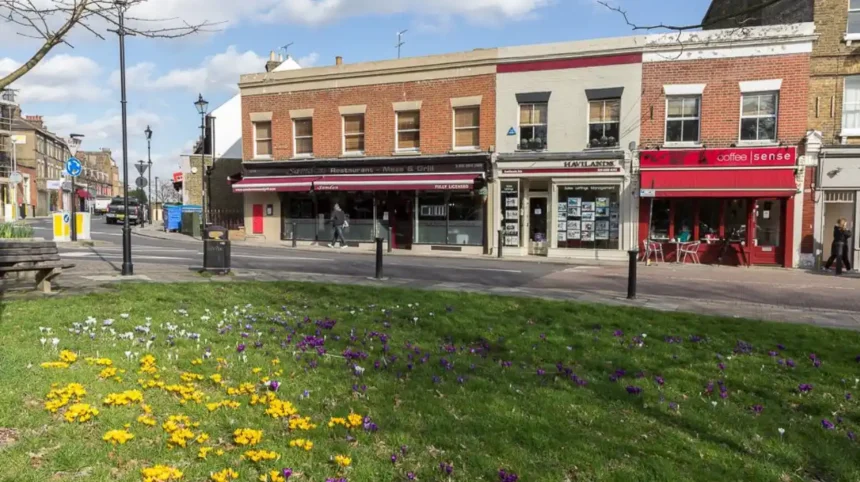
Barnet is one of North London’s most varied visitor destinations. It combines historic market streets, protected heritage, parks, open countryside, museums, gardens, walking routes and neighbourhood shopping areas. The London Borough of Barnet covers a large area extending from Hampstead Garden Suburb and Golders Green through Finchley, Hendon, Mill Hill, Edgware and High Barnet.
- When is the best overall time to visit Barnet?
- Why is spring a good season for visiting Barnet?
- Is summer the best time for outdoor activities in Barnet?
- Is autumn a good time to explore Barnet?
- What is Barnet like to visit in winter?
- Which season is best for Barnet’s parks and walking routes?
- When is the best time to explore Barnet’s history and heritage?
- What is the best time to visit Barnet for families?
- When should outdoor activity visitors explore nearby North London?
- Which month should you choose for different Barnet experiences?
- How should you plan a seasonal trip to Barnet?
- What is the final verdict on the best time to visit Barnet?
The best time to visit depends on the purpose of the trip. Late spring, particularly May, is the strongest all-round choice for most visitors. Longer daylight, comfortable temperatures, green landscapes and strong conditions for walking make May particularly suitable for sightseeing.
Summer is better for long outdoor days, parks and open-air activities. Early autumn provides comfortable walking conditions and changing foliage. Winter suits visitors prioritising museums, heritage interiors, shopping and quieter urban exploration. Spring is especially useful for combining parks with historical sightseeing.
Barnet also has a substantial historical landscape. Historic England records the Battle of Barnet of 1471, listed buildings, historic cemeteries, aviation heritage and surviving architectural landmarks across the borough. The Battle of Barnet formed part of the Wars of the Roses and took place north of London in April 1471.
Weather is only one part of the decision. School holidays, daylight, outdoor access, seasonal activities and visitor demand all affect the practical experience.
When is the best overall time to visit Barnet?
Late spring, especially May, offers the best overall balance of mild weather, longer daylight, green parks, comfortable walking conditions and manageable visitor activity for exploring Barnet’s attractions, heritage areas, markets, gardens and open spaces without relying heavily on indoor alternatives.
May is particularly strong because it sits between the colder winter period and the busiest summer holiday season. London’s wider tourism guidance identifies May as a particularly favourable month because of comfortable temperatures, longer daylight and spring flowers.
For Barnet, these conditions are especially useful because many of the borough’s visitor experiences are outdoors.
Barnet Council maintains a large network of parks and open spaces. Its official parks directory currently lists 160 locations, including Arrandene Open Space, Barnet Gate Wood, Barnet Hill Open Space, Barnet Memorial Woodland and Bethune Nature Reserve.
This extensive green-space network makes weather an important part of trip planning. May provides sufficient daylight for combining several locations in one day without the intense heat that can occur during summer.
The season is also suitable for heritage walks. High Barnet, Monken Hadley and surrounding areas contain historic buildings and landmarks. Historic England identifies numerous listed buildings in Barnet, including Hadley Highstone, historic houses, churches, cemeteries and surviving examples of older residential architecture.
Visitors interested in local history can combine outdoor exploration with historical interpretation. As you explore the modern borough, you are crossing land with a deep heritage. Read about the full to understand its origins.
May is therefore the most balanced choice rather than simply the warmest option.
Why is spring a good season for visiting Barnet?
Spring is an excellent season for Barnet because March to May brings increasing daylight, moderate temperatures, emerging vegetation and strong conditions for parks, heritage walks, local markets and outdoor photography across the borough.
Spring begins the outdoor visitor calendar in Barnet. March introduces longer days, while April and May provide increasingly suitable conditions for extended walks.
London spring temperatures generally average around 11°C to 15°C, according to Visit London’s seasonal guidance. Rain remains possible, so visitors need practical clothing and footwear.
The changing landscape is one of spring’s main advantages. Parks and open spaces become increasingly green, making the season particularly suitable for visitors who want scenery alongside urban sightseeing.
Barnet’s large park network provides considerable choice. Arrandene Open Space in Mill Hill, Barnet Gate Wood near Barnet Gate and Bethune Nature Reserve in Friern Barnet represent different types of outdoor environments.
What is the best spring month?
May is the strongest spring month for most visitors. March has shorter days and cooler conditions. April offers improving weather but Easter school holidays can increase visitor activity across London.
May provides a stronger combination of daylight and outdoor accessibility.
Spring is also appropriate for historical sightseeing because many heritage locations can be explored without the extreme temperatures sometimes experienced during summer. Walking between High Barnet’s historic sites becomes more comfortable when temperatures remain moderate.
The Battle of Barnet landscape is particularly relevant to history-focused visitors. Historic England records the battlefield as a registered battlefield associated with the Wars of the Roses and the conflict between Edward IV and the Earl of Warwick in 1471.
The Hadley Highstone, a Grade II listed monument, was erected around 1740 by Sir Jeremy Sambrook to commemorate the Battle of Barnet. It originally stood approximately 200 yards further south before being moved to its present location around 1840.
Spring therefore works well for visitors combining historical landmarks with walking routes.
Is summer the best time for outdoor activities in Barnet?
Summer provides Barnet’s longest outdoor days and strongest conditions for parks, walking, picnics, gardens and open-air leisure, making June to August the best period for visitors whose main priority is spending extended time outside.
Summer is the most reliable season for long outdoor itineraries. June, July and August provide the greatest amount of daylight and generally warmer temperatures.
Visit London reports average summer temperatures of about 18°C, with temperatures sometimes exceeding 30°C during heatwaves.
This makes summer useful for visitors planning full-day walks or combining several Barnet neighbourhoods.
The season is particularly suitable for parks and open spaces. Barnet Council’s extensive green-space network provides locations for walking, recreation and informal outdoor activities.
Summer also benefits visitors who want to spend time in neighbouring parts of North London. Barnet’s location provides access to green areas around Hampstead, Finchley, Mill Hill and Hendon, allowing visitors to combine borough attractions with wider North London experiences.
What should visitors consider during summer?
Heat is the main practical consideration. Temperatures above 30°C occur during London heatwaves. Visitors walking long distances should therefore plan outdoor activities around comfortable parts of the day and carry drinking water.
Summer is also the main tourism season across London. Visit London identifies June to September as the typical peak season, with higher tourist numbers and increased accommodation and transport demand compared with quieter periods.
Barnet itself generally feels less tourism-focused than central London, but popular parks and attractions can still become busier during weekends and school holidays.
Early morning is useful for photography, walking and quieter park visits. Late afternoon provides longer usable daylight while avoiding some midday heat.
Summer is therefore the best season for outdoor-focused itineraries, but May and September offer a more moderate balance for visitors who do not need maximum daylight.
Is autumn a good time to explore Barnet?
Autumn is a strong season for Barnet sightseeing because September and October combine moderate temperatures with changing foliage, cultural activity and shorter but still useful daylight, creating favourable conditions for heritage walks, parks, photography and neighbourhood exploration.
September is particularly effective as a transition month. Summer conditions continue while visitor pressure begins to decrease.
Visit London states that the main summer season ends around the second week of September. It also describes September to November as a period of mild weather and significant cultural activity.
For Barnet, September is therefore one of the strongest alternatives to May.
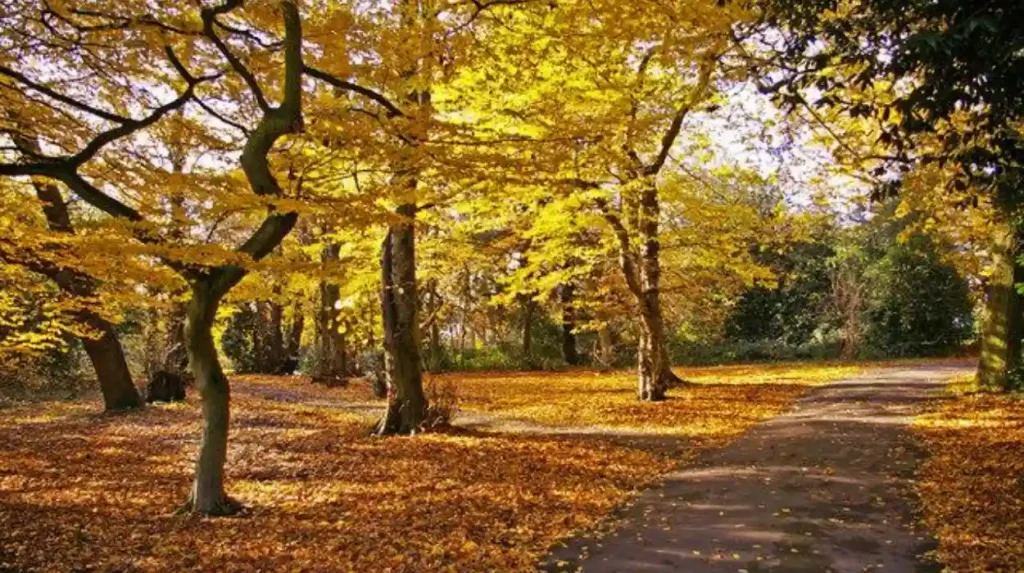
October brings more obvious autumn conditions. Trees change colour, daylight decreases and temperatures become cooler. These characteristics suit visitors who prioritise landscape photography, heritage architecture and walking rather than prolonged outdoor recreation.
Barnet’s historic architecture becomes particularly relevant during autumn. Historic England’s local heritage records include numerous buildings from different periods, including medieval, post-medieval and twentieth-century structures. Its Barnet archive also contains historical photographs documenting changing streetscapes and neighbourhoods.
Why is autumn useful for history-focused visitors?
Autumn’s moderate temperatures make walking between historic landmarks practical. High Barnet contains historic structures associated with the town’s development, while Monken Hadley retains a distinctive historic environment.
Historic England records 151 High Street as a Grade II listed building dating from around 1700, with later alterations and surviving historic interior features.
The borough also contains significant twentieth-century heritage. Historic England records the former Hendon Aerodrome control tower, watch office and aircraft-related buildings as important aviation heritage associated with the Grahame-White enterprise.
Autumn is therefore suitable for visitors interested in architecture, aviation, military history and historic landscapes.
November introduces shorter days and colder conditions. Outdoor itineraries need tighter scheduling. Indoor attractions, cafés, shopping areas and cultural venues become increasingly useful components of a November visit.
What is Barnet like to visit in winter?
Winter is best for visitors who prioritise heritage, shopping, local food, indoor attractions and quieter sightseeing, with December offering festive activity and January and February providing generally calmer conditions for budget-conscious trips.
Winter runs from December through February for practical visitor planning. London remains accessible throughout the season because its climate is relatively mild compared with many northern European destinations.
Visit London gives typical winter temperatures of around 2°C to 6°C and identifies January and February as generally quieter months.
December has a different character. Christmas shopping, seasonal decorations and festive events increase activity across London. January and February are more focused on quieter sightseeing, shopping and indoor activities.
Barnet’s heritage makes winter suitable for visitors who prefer shorter outdoor sessions. Historic streets, listed buildings and local museums can form the core of an itinerary, with outdoor walks fitted around daylight.
Is January a good month for a budget visit?
January is one of the strongest months for budget-conscious London travel. Visit London identifies January to March as a generally cheaper period because of cooler weather, fewer public holidays and reduced tourism demand compared with summer.
This broader London trend is relevant to visitors staying in or around Barnet. Accommodation prices depend on the specific property, date and demand, so visitors should compare rates before booking.
January also suits shoppers. Barnet contains established retail districts and shopping centres, while its proximity to central London provides access to major January sales.
The main disadvantage is daylight. Winter itineraries should prioritise outdoor sites during the middle of the day and reserve indoor experiences for morning and late afternoon.
Which season is best for Barnet’s parks and walking routes?
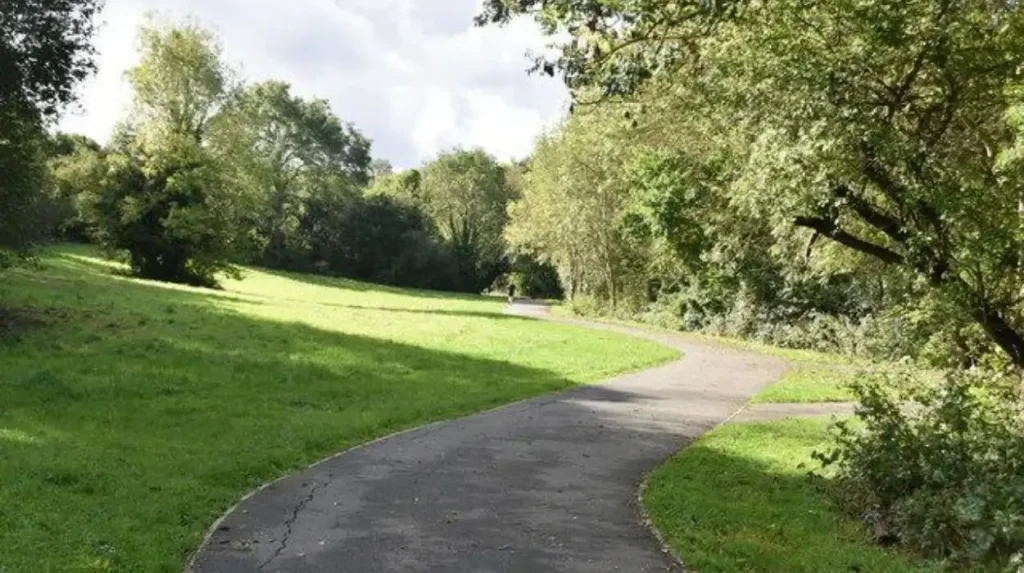
Late spring and early autumn are the strongest seasons for Barnet’s parks and walking routes because temperatures remain comfortable, daylight supports longer journeys and vegetation enhances the borough’s open spaces without the hottest summer conditions.
Barnet’s outdoor infrastructure is extensive. The council’s official directory lists 160 parks and open spaces, demonstrating the scale of green infrastructure available across the borough.
Different locations suit different types of visitors.
Arrandene Open Space provides open countryside-style landscape within Mill Hill. Barnet Gate Wood provides woodland surroundings. Barnet Hill Open Space is located in High Barnet. Bethune Nature Reserve provides a designated natural environment in Friern Barnet.
Which season is best for photography?
Spring and autumn are particularly useful for photography because vegetation changes create stronger seasonal variation.
Spring provides blossoms, fresh greenery and longer daylight. Autumn provides foliage colours and lower-angle light.
Summer provides the longest daylight but stronger midday brightness and occasional heatwaves. Winter provides a more subdued landscape and shorter daylight.
Visitors should check individual park conditions and access information before travelling, particularly after periods of heavy rainfall.
Walking itineraries should also account for the urban geography of Barnet. The borough covers a substantial area, so visitors should avoid treating it as a compact central London neighbourhood. Selecting one area per part of the day creates a more practical itinerary.
When is the best time to explore Barnet’s history and heritage?
Spring and autumn are the best seasons for heritage exploration because moderate temperatures support walking between historic locations, while lower summer heat improves comfort around monuments, churches, historic streets and outdoor heritage landscapes.
Barnet’s heritage extends across several historical periods. Historic England records medieval sites, post-medieval buildings and twentieth-century architecture throughout the borough.
The Battle of Barnet of 1471 is one of the area’s most significant historical associations. The battle formed part of the Wars of the Roses, a dynastic conflict involving the Houses of Lancaster and York.
The battlefield is particularly important because it connects Barnet to national political and military history.
Hadley Highstone provides a physical monument associated with the battle. The Grade II listed stone was erected around 1740 and records the 1471 conflict.
Other heritage examples include historic houses, churches, cemeteries, aviation structures and residential architecture.
Visitors interested in architecture should also explore areas such as Hampstead Garden Suburb. Historic England records the suburb among Barnet’s significant architectural landscapes and identifies buildings connected with architects including Sir Edwin Lutyens.
Spring and autumn make this type of exploration easier because visitors can spend more time outdoors without the strongest summer heat or shortest winter daylight.
What is the best time to visit Barnet for families?
Late spring and summer are the strongest seasons for family visits because longer daylight supports outdoor activities, parks provide recreational space and school-holiday schedules allow longer trips, while September also offers comfortable conditions before colder weather develops.
Families benefit from Barnet’s combination of open spaces, leisure facilities, neighbourhood attractions and access to wider London.
Summer holidays provide the greatest opportunity for full-day outdoor itineraries. Parks and open spaces are especially useful for families requiring flexible activities rather than fixed admission times.
However, school holidays also increase demand across London. February half-term, Easter, summer holidays and October half-term can affect accommodation, transport and attraction availability. Visit London specifically identifies school half-term periods as busier times for visitors.
May outside major school-holiday periods therefore provides an attractive family option.
September also works well because temperatures remain relatively moderate and outdoor conditions remain useful.
Families should check opening times before travelling. Seasonal operations apply to some London attractions and leisure facilities, meaning availability cannot always be assumed from a standard annual timetable.
When should outdoor activity visitors explore nearby North London?
June to September provides the longest daylight for visitors combining Barnet with wider North London outdoor attractions, while May and September offer stronger temperature balance for walking, sightseeing and extended exploration across parks, heathland and open spaces.
Barnet sits within a wider North London visitor environment. Trips can include neighbouring districts and destinations such as Hampstead and Hampstead Heath.
Hampstead Heath demonstrates how seasonal conditions affect outdoor recreation. The City of London Corporation operates swimming facilities with different seasonal schedules. Parliament Hill Lido has separate summer and winter opening periods, while the Hampstead Mixed Pond operates from April to October.
This makes summer particularly relevant to visitors planning swimming or other outdoor activities.
Fishing at Hampstead Heath also follows a defined seasonal system. The 2026 closed season ran from 15 March to 15 June, with the angling season opening on 16 June. Fishing requires the appropriate permit and Environment Agency rod licence.
These examples demonstrate why visitors should plan outdoor activities according to operating seasons rather than simply relying on weather.
For a Barnet-based North London itinerary, May and September provide a strong balance. June through August is better for maximum daylight and summer-specific activities.
Which month should you choose for different Barnet experiences?
May is the best all-round month; June to August suits outdoor leisure; September suits comfortable sightseeing; October suits autumn landscapes; December suits festive visits; and January to February suit quieter, budget-focused urban exploration.
The right month depends on the primary purpose of the trip.
May: Best overall choice for walking, parks, heritage and general sightseeing. London’s wider tourism guidance specifically identifies May as a particularly favourable month.
June: Strong for long outdoor days, parks and neighbourhood exploration.
July: Best for maximum summer conditions, although heat and peak-season demand require planning.
August: Suitable for families and outdoor activities, but school holidays increase visitor activity across London.
September: One of the strongest alternatives to May because summer conditions continue while peak-season activity begins to decline.
October: Good for autumn scenery, heritage walks and cultural activities.
November: Better for shorter outdoor visits combined with indoor attractions, shopping and food.
December: Best for festive atmosphere and seasonal shopping.
January: Strong for quieter sightseeing, shopping and budget-conscious travel.
February: Useful for quieter urban exploration outside school half-term.
The month-by-month decision therefore depends more on activity than on a single definition of “best”.
Explore More Area Guide
Wembley Stadium: History, Tours & Visitor Guide North London 2026
Experience Barnet Beyond the Tourist Trail | North London 2026
How should you plan a seasonal trip to Barnet?
A successful Barnet itinerary should match outdoor activities to daylight and weather, heritage visits to walking conditions, family trips to school holidays, and indoor attractions to colder periods while checking current opening arrangements before travelling.
Start by identifying the main purpose of the trip. A park-focused visit requires different planning from a heritage itinerary.
For spring and autumn, prioritise walking during daylight and allow time for weather changes. For summer, schedule longer outdoor routes and avoid unnecessary exposure during extreme heat.
Winter itineraries should concentrate outdoor sightseeing around the middle of the day. Indoor venues, shopping areas and cafés provide practical alternatives when conditions are unsuitable.
Transport planning also matters because Barnet is geographically extensive. High Barnet, Mill Hill, Hendon, Finchley, Golders Green, Edgware and Hampstead Garden Suburb are distinct areas rather than one compact visitor zone.
Visitors should therefore group nearby destinations together.
A history-focused High Barnet itinerary can combine the town centre with nearby heritage landmarks. A green-space itinerary can focus on Mill Hill or Barnet Gate. An architecture-focused trip can concentrate on Hampstead Garden Suburb and surrounding areas.
Checking current information before travel is essential. Seasonal opening hours, event schedules, public transport arrangements and temporary closures change throughout the year.
What is the final verdict on the best time to visit Barnet?
May is the best overall time to visit Barnet because it combines mild conditions, longer daylight, spring landscapes and strong walking opportunities, while September provides the best alternative for visitors seeking comfortable weather with fewer peak-season pressures.
Barnet works throughout the year, but different seasons support different visitor priorities.
Choose May for the best all-round experience.
Choose June to August for parks, long walks and outdoor leisure.
Choose September for comfortable sightseeing with a transition away from peak summer.
Choose October for autumn scenery and heritage walks.
Choose December for festive activity.
Choose January or February for quieter and potentially more economical travel.
The borough’s heritage and green spaces give it strong year-round relevance. Historic England’s records demonstrate the depth of Barnet’s built and archaeological heritage, while Barnet Council’s directory confirms the scale of its parks and open spaces.
The most important planning principle is to match the season with the activity. Visitors prioritising outdoor exploration gain the greatest benefit from spring, summer and early autumn. Visitors prioritising indoor experiences, shopping and quieter sightseeing gain greater flexibility during winter.
For most first-time visitors, May remains the strongest single recommendation. It provides the broadest combination of comfortable weather, daylight, scenery and accessibility for discovering Barnet as part of North London.
What is the best time of year to visit Barnet?
May is the best overall time to visit Barnet because it combines mild weather, longer daylight, green parks, comfortable walking conditions and excellent opportunities for sightseeing, heritage exploration and outdoor activities across North London.