Barnet offers a different side of North London beyond its best-known attractions. The London Borough of Barnet combines historic market-town streets, conservation areas, ancient woodland, community venues, independent businesses, public art, parks and neighbourhood landscapes.
- What makes Barnet different from the usual North London tourist experience?
- Which historic neighbourhoods should you explore in Barnet?
- How can you experience Barnet’s green spaces like a local?
- Which lesser-known heritage sites can you visit in Barnet?
- Where can you discover Barnet’s local public art?
- How can you experience Barnet’s community culture?
- Which local markets and high streets should you explore?
- What are the best ways to explore Barnet on foot?
- How can digital nomads and business travellers experience authentic Barnet?
- How can you combine Barnet’s history, nature and culture in one day?
- Why is Barnet’s local landscape important for its future visitor experience?
- What is the best way to experience Barnet beyond the tourist trail?
The borough covers a large area of North London and includes distinct communities such as High Barnet, East Barnet, Finchley, Hendon, Mill Hill, Edgware, Colindale, Golders Green and Totteridge. Each area has its own identity, architecture and local activity.
Barnet is also exceptionally green. The council’s Parks and Open Spaces Strategy 2026–2036 records more than 250 parks and open spaces covering over 1,200 hectares, alongside 2,466 hectares of Green Belt land.
This combination makes Barnet particularly suitable for travellers who want to experience an area through its everyday landscapes rather than following a conventional sightseeing itinerary.
The most rewarding approach is to explore neighbourhoods slowly, use local parks, visit community cultural venues, examine historic streets and incorporate independent cafés, shops, markets and public spaces into a wider walking route.
What makes Barnet different from the usual North London tourist experience?
Barnet differs from mainstream North London sightseeing through its combination of historic settlements, neighbourhood high streets, green spaces, community culture and locally significant landmarks that remain closely connected to everyday life. This gives visitors access to a broader picture of the borough.
Barnet is not defined by one central tourist district. Its attractions are distributed across a large geographical area.
High Barnet contains the historic market-town core. East Barnet retains older village characteristics. Monken Hadley has conservation-area status and historic buildings. Finchley provides a mixture of suburban streets, cultural venues and commercial centres. Colindale contains major aviation heritage through the Royal Air Force Museum.
This geographical variety matters when planning an authentic visit. A traveller who spends several hours in only one major attraction sees one part of Barnet. A neighbourhood-based itinerary provides greater context.
Barnet Council describes the borough as having a vibrant cultural scene shaped by its communities, alongside historic venues, landmarks, art trails, green spaces and events. The council also identifies more than 200 parks and open spaces across its wider arts and culture information.
The difference between tourist-oriented sightseeing and local exploration is therefore largely one of scale. Instead of moving between isolated attractions, visitors can connect parks, streets, heritage sites, cafés, libraries and community venues.
Which historic neighbourhoods should you explore in Barnet?
Monken Hadley, High Barnet, East Barnet and historic parts of Finchley provide some of the strongest opportunities to explore Barnet through streets, buildings, churches, commons and routes shaped by centuries of settlement and movement across North London.
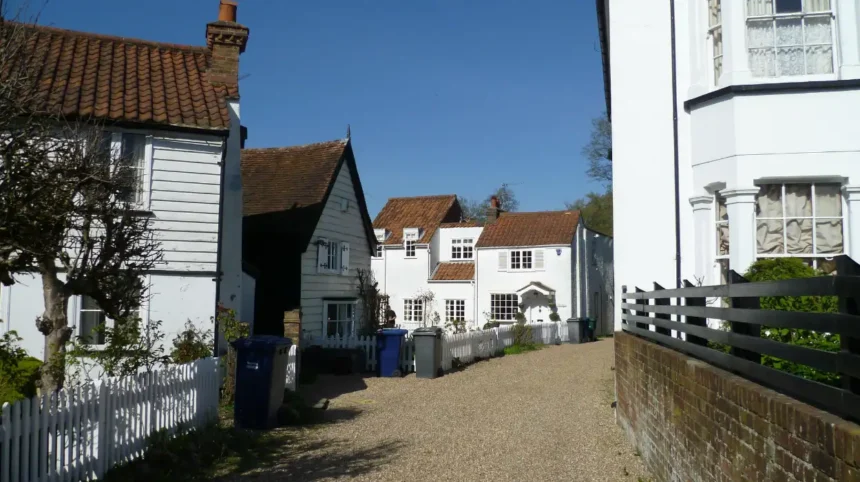
Monken Hadley is particularly important for visitors interested in historic landscapes. The conservation area lies in the north-east of the borough and borders Hertfordshire and the London Borough of Enfield. Its character includes historic buildings, winding lanes, mature trees and common land.
The area also connects directly with the history of travel through Barnet. The medieval Great North Road passed through Chipping Barnet, Hadley Green and Hadley Highstone before continuing towards Potters Bar and northern England.
High Barnet provides another important historical setting. Barnet existed before the Norman Conquest, although it was not recorded in the Domesday Survey. By the 11th century, an important route between London and St Albans passed through the area, helping the settlement develop.
The historic market tradition is also significant. Chipping Barnet’s market has existed in different forms and locations since at least the 12th century.
Visitors can therefore experience Barnet’s history without entering a formal museum. Walking through the older streets, identifying historic buildings and following former transport routes creates a direct connection between present-day neighbourhoods and earlier settlement patterns.
As you explore these modern streets and public spaces, you are crossing land shaped by centuries of settlement. Read about the full to understand its origins.
How can you experience Barnet’s green spaces like a local?
Barnet’s parks and open spaces provide one of the most accessible ways to experience the borough beyond its major attractions, with formal parks, commons, woodland, Green Belt, river valleys, sports areas and smaller neighbourhood green spaces supporting everyday recreation.
Barnet’s green infrastructure is unusually extensive for a London borough. The current Parks and Open Spaces Strategy identifies more than 1,200 hectares of parks and open spaces and 2,466 hectares of Green Belt land. Green Belt represents approximately 28% of the borough’s land area, while Metropolitan Land accounts for another 690 hectares, or around 8%.
This makes walking one of the simplest ways to move beyond the conventional visitor itinerary.
Hadley Common is particularly useful for understanding this landscape. It was once part of the much larger Enfield Chase, historically associated with royal hunting. After the division of Enfield Chase in the late 18th century, approximately 240 acres in Monken Hadley became Hadley Common. The area has remained largely wooded.
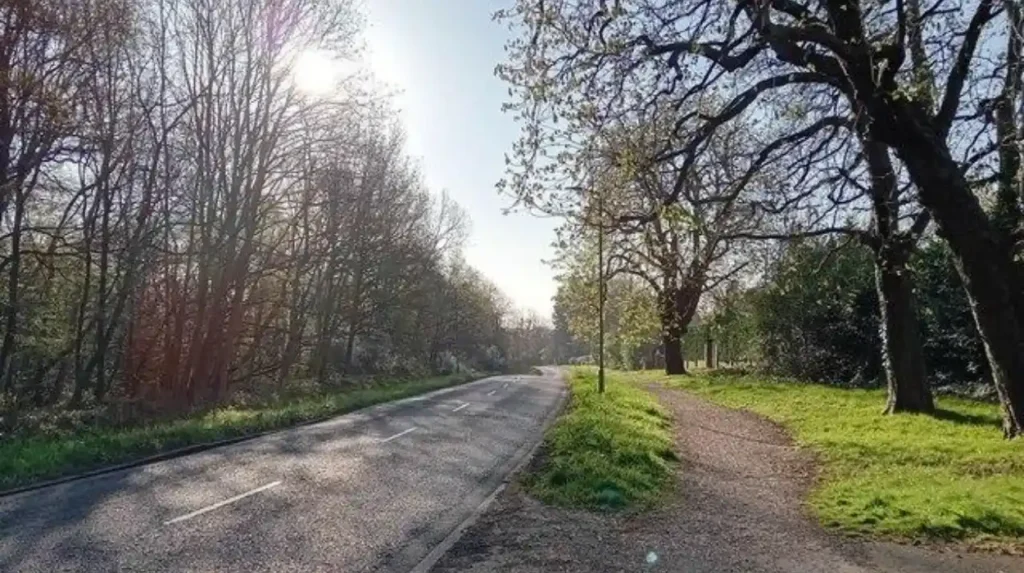
Visitors can combine Hadley Common with Hadley Green and Monken Hadley to create a heritage-and-nature route. The landscape provides a clear transition from built-up North London to a more rural-looking environment.
Barnet Council’s current parks strategy also emphasises biodiversity, community involvement, recreation and the long-term protection of green spaces. The strategy was finalised in March 2026 and covers the period from 2026 to 2036.
For visitors, this means local parks are not simply spare time fillers. They are central components of Barnet’s physical identity.
Which lesser-known heritage sites can you visit in Barnet?
Barnet’s lesser-known heritage experiences include historic churches, conservation areas, old common land, local archives, public artworks and neighbourhood buildings that reveal how the borough developed beyond its headline attractions and major museums.
Barnet Museum in High Barnet is an important starting point for understanding local history. The museum’s collections and exhibitions cover aspects of Barnet’s development, including medieval history, local traditions and cultural heritage. Barnet Council identifies it as a key part of the borough’s heritage offer.
The Royal Air Force Museum in Colindale provides a much larger national and international historical perspective. Established in 1972, the museum holds approximately 1.3 million objects in trust for the UK public and presents the history and technological development of the Royal Air Force. Entry is free.
Although the RAF Museum is not hidden, visitors can use it as a gateway to explore Colindale beyond the museum itself. The surrounding neighbourhood contains a mixture of older buildings and newer development, making it useful for understanding how Barnet’s urban landscape is changing.
Local Studies and Archives provide another less obvious experience. Barnet Council maintains historical resources covering Barnet, East Barnet, Totteridge and Monken Hadley. These resources include historical documents, maps, photographs and directories.
This archival material is particularly useful for visitors who want to understand a neighbourhood before walking through it. Historical maps can reveal former roads, buildings, land boundaries and changes in settlement.
Where can you discover Barnet’s local public art?
Barnet’s public art provides an alternative way to explore local history because artworks are distributed through public spaces and neighbourhoods rather than concentrated inside conventional galleries, allowing visitors to connect cultural interpretation with everyday streets.
The Barnet Legends public art trail is one of the clearest examples. The trail features 21 commemorative ceramic artworks celebrating influential figures connected with the borough, including George Michael and Amy Winehouse. Barnet Council provides a digital map for exploring the artworks.
Public art changes the way visitors navigate a neighbourhood. Instead of travelling directly between major attractions, the trail encourages attention to streets, public spaces and local landmarks.
This approach also fits Barnet’s wider cultural strategy. The council describes the borough as having art trails, historic venues, cultural events and activities shaped by diverse communities.
Visitors interested in photography can use public artworks as fixed points within walking routes. They can also combine them with local cafés, libraries, shops and parks.
The important distinction is that public art does not require a traditional gallery visit. It exists within the same spaces used by residents.
How can you experience Barnet’s community culture?
Barnet’s community culture is visible through libraries, workshops, cultural programmes, heritage celebrations, creative activities and recurring events that bring residents together and provide visitors with opportunities to understand the borough through its contemporary communities.
Barnet Council’s Creative Communities programme operates through the library service and includes activities such as digital skills workshops, book clubs, children’s story sessions, conversation clubs and games clubs. Many activities are free or low cost.
These programmes provide a more contemporary view of Barnet than historical attractions alone.
The borough also runs recurring cultural events connected with Pride, Black History Month, South Asian Heritage Month, International Women’s Day, Windrush Day, Refugee Week and winter festivals.
For visitors, checking the local events calendar before travelling can therefore reveal activities that are not included in standard sightseeing guides.
Libraries are especially useful because they operate as community facilities rather than conventional tourist attractions. They can provide information about local history, events, reading resources and neighbourhood activities.
This makes them useful for longer visits, remote workers and domestic business travellers who want to spend downtime somewhere connected to the local community.
Which local markets and high streets should you explore?
High Barnet and other neighbourhood commercial centres provide opportunities to experience Barnet through everyday shopping, food, services and independent businesses, offering a stronger sense of local routine than travelling exclusively between nationally recognised attractions.
High Barnet’s historic market identity is one of its defining characteristics. Barnet’s market tradition dates back at least to the 12th century, establishing a long connection between commerce and the town’s development.
Modern visitors can use High Barnet as a base for exploring surrounding streets on foot. A local route can combine the high street with nearby historic areas, green spaces and cultural venues.
Other Barnet neighbourhoods also have their own commercial identities. Finchley, East Barnet, Golders Green, Hendon, Edgware, Mill Hill and Totteridge each provide different combinations of shops, cafés, restaurants and services.
The purpose of exploring these centres is not simply shopping. Commercial streets show how residents use their neighbourhoods.
A practical local itinerary can therefore begin with breakfast or coffee, continue through a market or shopping street, move towards a park or historic site and finish at a cultural venue.
This structure creates a full neighbourhood experience without requiring a conventional attraction-heavy schedule.
What are the best ways to explore Barnet on foot?
Walking is one of the most effective ways to experience Barnet beyond the tourist trail because its heritage streets, parks, commons, public art, commercial centres and residential neighbourhoods often sit close enough to connect into practical local exploration routes.
Walking also allows visitors to notice details that are difficult to observe from a vehicle.
A historic Barnet route can connect High Barnet with parts of Monken Hadley. A nature-focused route can incorporate Hadley Green and Hadley Common. A cultural route can connect public art, libraries and local venues.
The Great North Road provides a particularly useful historical framework because the route helped shape Barnet’s development over centuries.
Visitors should plan routes according to daylight, weather and the opening hours of indoor venues. Parks and open spaces have their own access arrangements, while museums and community venues operate according to published schedules.
The borough’s size also means that walking every major area in one day is impractical. A neighbourhood-by-neighbourhood approach produces a more coherent experience.
Using public transport between districts and walking within individual neighbourhoods is an efficient strategy for visitors without a car.
How can digital nomads and business travellers experience authentic Barnet?
Digital nomads and business travellers can combine work-friendly indoor spaces with neighbourhood cafés, libraries, parks, cultural venues and high streets, allowing limited free time to become an opportunity for local exploration rather than conventional sightseeing.
Barnet’s dispersed urban structure supports flexible downtime activities.
A visitor staying near Hendon, Colindale, Finchley or High Barnet can select a nearby neighbourhood centre for food and coffee, then use a library, café or other suitable public venue for quiet work.
Libraries are particularly relevant because Barnet’s Creative Communities programme demonstrates their wider role as community and learning spaces. Activities include digital skills workshops and conversation clubs.
Green spaces provide another option between meetings. Barnet’s parks include formal gardens, wild landscapes, Green Belt, river valleys, sports facilities and playgrounds.
The key advantage is proximity. Visitors do not need to travel into central London for every leisure activity.
A business traveller with one free afternoon can explore a local high street and park. A digital nomad staying several days can divide exploration across different neighbourhoods.
This creates a more practical understanding of Barnet’s relationship between residential life, employment, leisure and green infrastructure.
How can you combine Barnet’s history, nature and culture in one day?
A balanced Barnet day can combine a historic neighbourhood, a green space, a cultural attraction, a local commercial centre and an evening community activity, creating a broad experience without relying solely on the borough’s most prominent tourist destinations.
Start in High Barnet to understand the historic market-town character. Explore the older streets and local heritage environment before moving towards Monken Hadley.
Continue towards Hadley Green and Hadley Common for a contrasting landscape. Hadley Common’s history as part of Enfield Chase explains why this area retains a strong connection with woodland and common land.
Return towards a neighbourhood centre for lunch or refreshments. This introduces the contemporary commercial side of Barnet.
An afternoon can then focus on heritage or culture. Barnet Museum offers local history, while the Royal Air Force Museum in Colindale provides a substantial aviation collection and historical experience.
Visitors who prefer contemporary culture can investigate the Barnet Legends public art trail or check the council’s cultural events calendar.
The result is a day structured around different dimensions of the borough rather than a single attraction.
Explore More Area Guide
Why Visitors Choose Barnet for Day Trips | North London 2026
Sustainable Barnet Visitor Guide: Green Travel & Parks 2026
Why is Barnet’s local landscape important for its future visitor experience?
Barnet’s future visitor experience is increasingly connected to its parks, biodiversity, heritage, community facilities and neighbourhood identity, with the 2026–2036 parks strategy placing long-term protection, improvement and community use at the centre of green-space planning.
Barnet’s current parks strategy provides an important indication of how the borough’s outdoor environment will develop.
The strategy was shaped through engagement with residents, community groups and partners. It was finalised in 2026 and establishes a framework running to 2036.
Its importance extends beyond recreation. Barnet Council identifies biodiversity, climate resilience, community use and the quality of open spaces as key considerations for the future.
The borough’s extensive green infrastructure therefore has direct implications for visitors.
Future visitors will continue to encounter a mixture of developed neighbourhoods and protected or managed landscapes. Historic conservation areas such as Monken Hadley also preserve architectural and environmental character within the wider urban area.
This reinforces the value of responsible exploration. Visitors should respect residential areas, conservation environments, wildlife habitats and park regulations.
The most sustainable way to experience Barnet is to use existing public routes, support local businesses and cultural venues, and treat green spaces as community assets rather than simply tourist scenery.
What is the best way to experience Barnet beyond the tourist trail?
The best approach is to explore Barnet as a collection of connected neighbourhoods rather than a list of attractions, combining historic streets, local markets, public art, libraries, parks, commons, cultural venues and independent businesses within carefully planned walking-based itineraries.
Barnet’s strongest alternative to conventional sightseeing is its variety.
Visitors can begin with the medieval and market-town foundations of High Barnet, explore the conservation landscape of Monken Hadley, walk through Hadley Common, investigate local public art, visit community cultural venues and finish in a neighbourhood commercial centre.
The borough’s scale makes this approach particularly effective. There is no requirement to experience everything in one visit.
The official parks strategy confirms the scale of Barnet’s outdoor environment, with more than 250 parks and open spaces, over 1,200 hectares of parks and open spaces, and thousands of hectares of Green Belt and Metropolitan Land.
Its heritage resources provide another layer. Barnet Council documents the history of High Barnet, East Barnet, Totteridge and Monken Hadley, while its cultural programme covers public art, museums, events and community activities.
For tourists, this means Barnet rewards slower exploration. For residents, it provides new ways to rediscover familiar neighbourhoods. For digital nomads and business travellers, it creates practical leisure opportunities close to everyday services.
Experiencing Barnet beyond the tourist trail therefore means looking beyond the headline attraction and understanding how history, nature, commerce and community continue to shape North London’s landscape.
How can you experience Barnet beyond the tourist trail?
You can experience Barnet beyond the tourist trail by exploring historic neighbourhoods, local markets, parks, commons, public art, libraries, community venues and independent businesses. High Barnet, Monken Hadley and Hadley Common are strong starting points.