Chingford, located in North London, is an area rich in history and natural beauty, making it a fascinating topic for those interested in London’s suburban growth and heritage. Historically a small rural village, Chingford has evolved into a vibrant community while retaining ties to its past, including its proximity to the famous Epping Forest.
Historical Origins and Early Development
Chingford’s history dates back at least to the late Saxon period, with definitive evidence appearing in the Domesday Book of 1086, indicating a small agrarian settlement. Originally part of the ancient parish within the hundred of Waltham in Essex, it remained a modest rural community for centuries. The name “Chingford” likely comes from Old English terms referring to a ford, a shallow place in a river crossing, possibly linked to the River Lea or the Ching river, which runs through the area. Archaeological finds include remains of pile dwellings near the river, highlighting early habitation in the area. The manorial system dominated local governance until its gradual dissolution in the 19th century.
Incorporation into Greater London and Urban Expansion
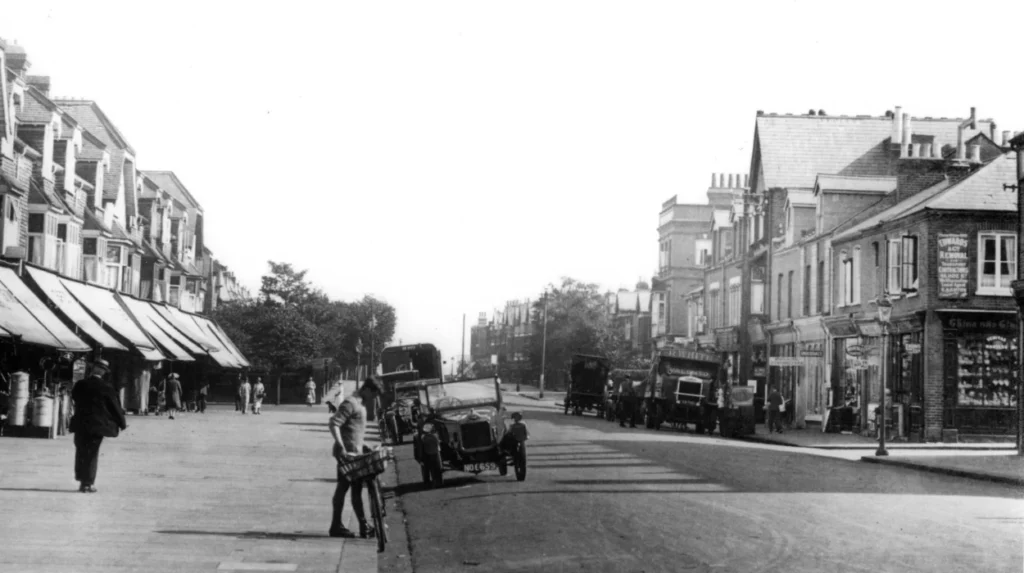
Chingford was granted urban district status in 1894 and later became a municipal borough in 1938. However, significant change came with the expansion of London. In 1965, Chingford merged with neighboring boroughs Leyton and Walthamstow to form the London Borough of Waltham Forest, becoming part of Greater London. The arrival of the railway in 1873 was a major catalyst for growth. It transformed Chingford from a sleepy village into a commuter town, with many Londoners traveling out to enjoy the natural beauty of nearby Epping Forest or settling there to commute into the city. This development accelerated post-World War I, with improved transportation links, including trams terminating at Chingford Mount, facilitating suburban expansion and commercial development from the early 20th century.
Key Landmarks and Cultural Heritage
Among Chingford’s heritage sites, The Lodge stands out—a unique Tudor structure originally built in 1543 as a grandstand for royal hunts and sporting events in Epping Forest. Although closely associated with Queen Elizabeth I and King James I, its function gradually changed over the centuries, reflecting Chingford’s historical ties to royalty and forest traditions. Epping Forest itself remains a critical cultural and natural asset, offering residents and visitors access to open green space and woodland, central to Chingford’s identity.
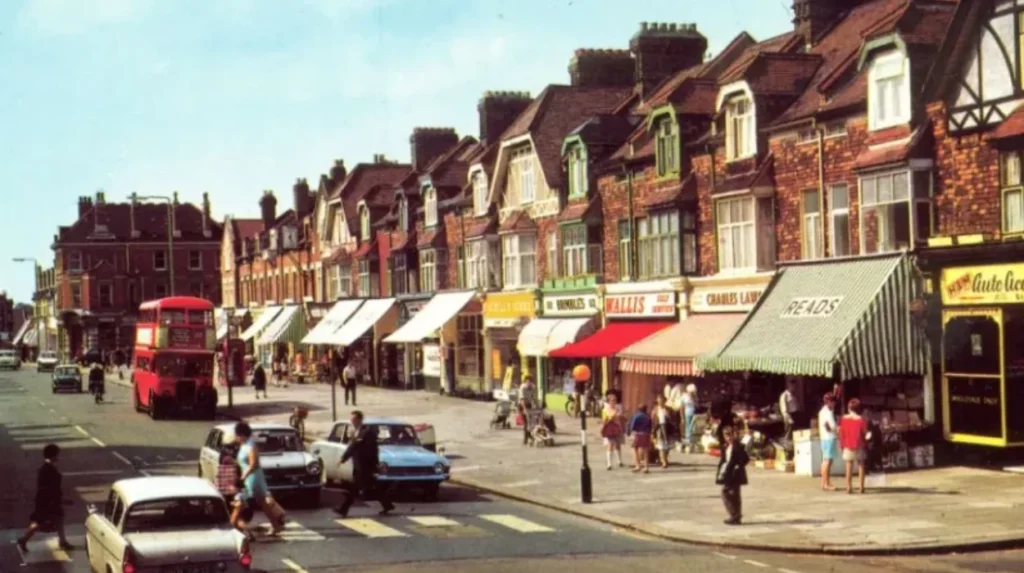
The development of shopping districts such as Chingford Mount in the 1930s, with the construction of Albert Crescent and local cinemas, signaled the area’s transition to a fully-fledged London suburb, combining residential life with vibrant commercial centers.
Modern Chingford: Community and Connectivity
Today, Chingford balances its historical charm with modern amenities. It offers strong community networks supported by local heritage groups such as the Chingford Historical Society, which promotes knowledge about the area’s past through initiatives like the North Chingford Heritage Trail. The area’s inclusion in the Metropolitan Police District since 1840 and its assignment within London’s extensive postal system (E4) emphasize its integration within the broader London infrastructure.
Chingford’s strategic location in North London, combined with its green spaces and history, continues to attract families and commuters alike. The area’s transport links, including rail and bus services, ensure it remains well-connected to central London and neighboring districts.