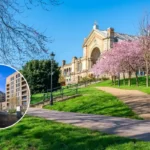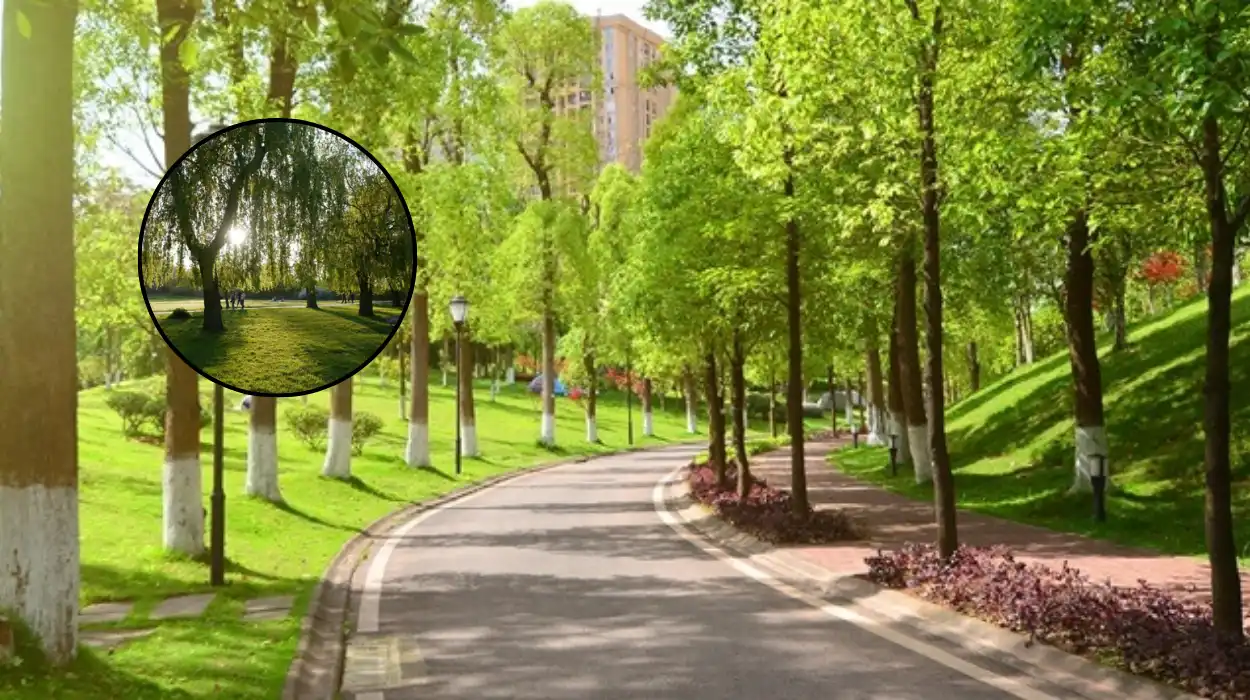
North London’s Haringey borough boasts over 25% of its land as green spaces, making it a haven for nature lovers seeking respite from urban hustle. These areas range from ancient woodlands to vibrant parks, offering timeless appeal for walks, wildlife spotting, and community events. Exploring Haringey’s green spaces reveals a blend of history, biodiversity, and accessibility that keeps them relevant year-round.
Top Green Spaces
Haringey features standout parks like Finsbury Park, a 46-hectare site with open lawns, a boating lake, playgrounds, and sports facilities ideal for families and fitness enthusiasts. Alexandra Park complements it with woodland trails, panoramic city views from its hilltop, and an ice rink for seasonal fun. Highgate Wood, an ancient forest remnant, provides serene paths through oak and hornbeam groves, perfect for quiet reflection.
Queen’s Wood and Coldfall Wood add to the ancient woodland collection, supporting rare flora and fauna while hosting volunteer conservation days. Parkland Walk, a disused railway turned linear nature reserve, winds 4.5 kilometers through tunnels and meadows, great for cycling or birdwatching. Smaller gems like Priory Park and Downhills Park offer playgrounds, tennis courts, and picnic spots for local residents.
Historical Significance
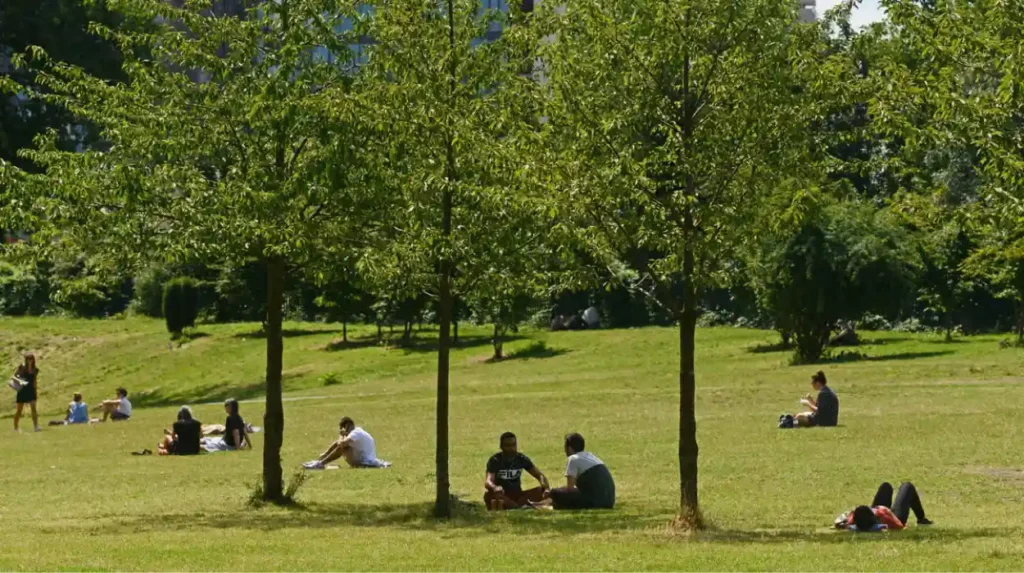
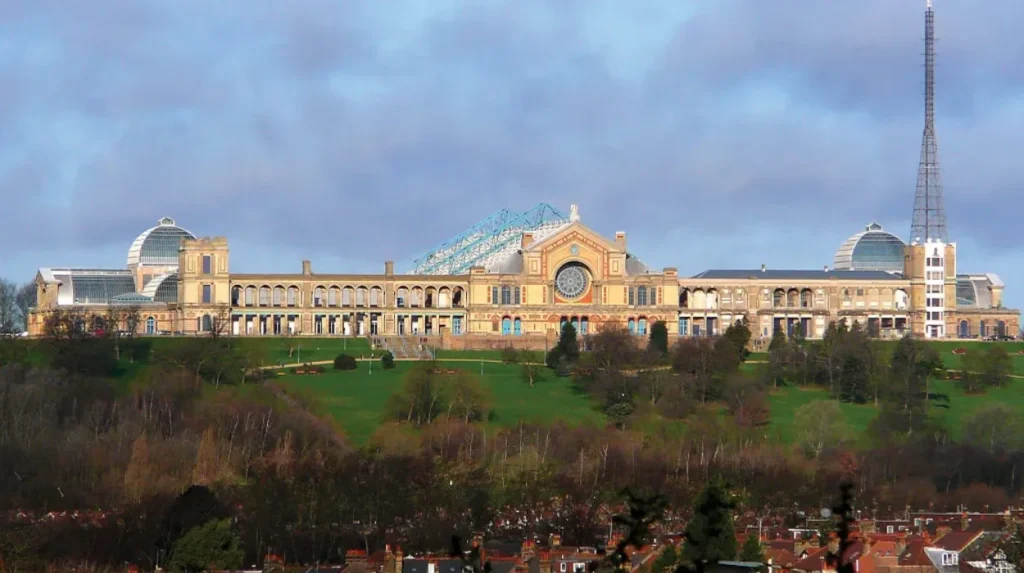
Many Haringey green spaces trace roots to medieval times, with Highgate Wood mentioned in the 12th century as a royal hunting ground. Finsbury Park opened in 1885 to combat Victorian urban overcrowding, evolving into a multicultural event hub. Alexandra Park, designed in 1863, reflects Victorian landscaping with its palace ruins now a radio tower site, preserving 19th-century charm amid modern use.
Ancient woods like Queen’s Wood, part of the Great North Wood, survived centuries of logging due to their ecological value. Parkland Walk’s railway heritage from the 1860s adds industrial history, now overgrown with wildflowers and wildlife corridors. These sites earned Green Flag awards for 25 parks, signaling community-managed excellence.
Biodiversity and Wildlife
Haringey’s greens host diverse ecosystems, with ancient woods sheltering oak, hornbeam, and bluebells alongside birds like woodpeckers and owls. Finsbury Park’s lake attracts herons and kingfishers, while meadows in Priory Park buzz with butterflies and bees. Lee Valley Park edges bring wetland species, enhancing borough-wide habitats.
Conservation efforts by groups like Friends of Queen’s Wood and The Conservation Volunteers maintain these areas, planting natives and monitoring species. Over 600 acres support urban foxes, bats, and rare plants, countering city pollution. These spaces act as “lungs” for North London, improving air quality and mental health.
Activities and Accessibility
Walkers and cyclists thrive on Parkland Walk’s traffic-free paths, while Finsbury Park hosts yoga, markets, and festivals. Highgate Wood offers guided nature tours and forest schools for kids. Alexandra Park’s playgrounds and sports pitches suit all ages, with wheelchair-friendly routes in many sites.
Public transport links via Tube (Wood Green, Finsbury Park stations) and buses make them reachable. Free entry encourages daily visits; dog walkers, joggers, and picnickers find ample space. Seasonal highlights include spring bluebells in Coldfall Wood and autumn colors across the borough.
Community and Sustainability
Local initiatives like the Meadow Orchard Project foster food-growing and coppicing in community gardens. Bridge Renewal Trust tackles health via green access, while Vartry Road Conservation Residents Association protects neighborhoods. Haringey’s National Park City status promotes these as urban oases.
Sustainability shines through Green Flag upkeep and volunteer programs, ensuring evergreen vitality. Residents enjoy mental health boosts from nature immersion, with studies linking such spaces to reduced stress. Future plans expand wildlife corridors, securing legacy for generations.