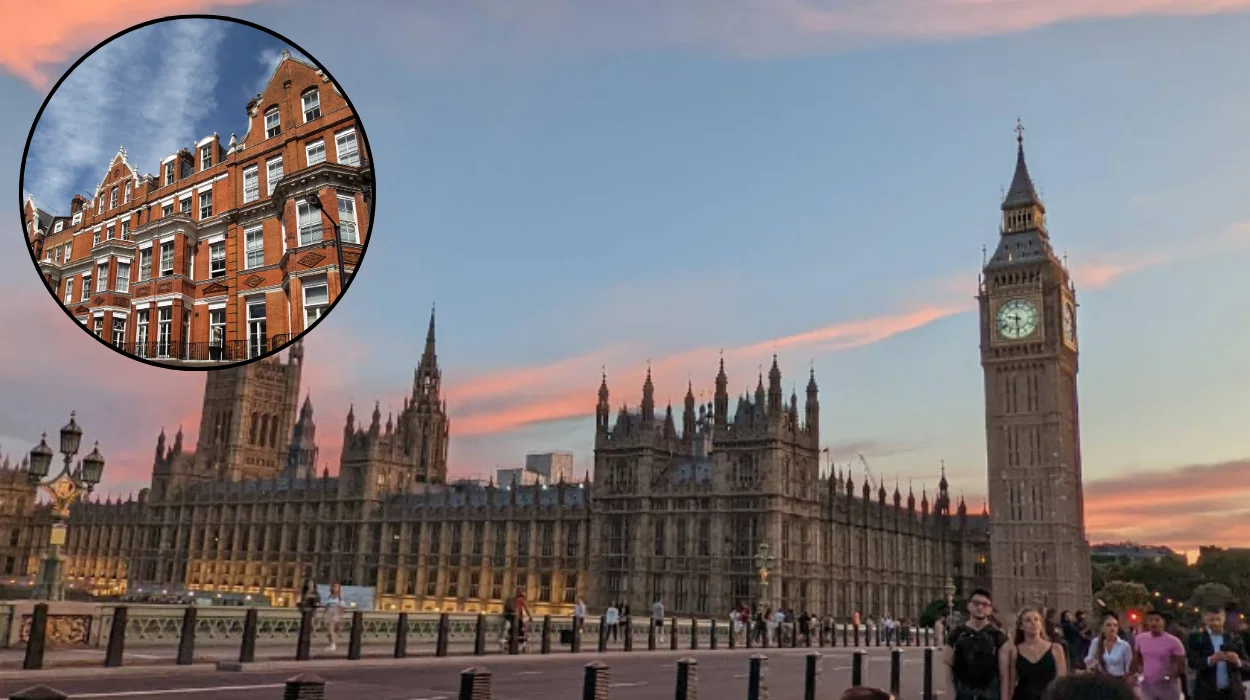
North London property prices reflect a dynamic market shaped by historical growth, transport links, and local amenities. Average prices hover around £685,000 to £833,000, with variations across boroughs like Barnet and Haringey. This evergreen guide explores key drivers for buyers and investors targeting timeless value in areas such as Tottenham, Camden, Brent, and Barnet.
Historical Price Evolution
Property prices in North London have surged over decades, peaking in 2022 before recent stabilizations. From 2010 at £751,000, averages climbed to £942,000 in 2022, then dipped to £684,000 by late 2025 amid economic pressures. This trajectory mirrors broader UK trends but outpaces national figures, with North London consistently 1.5-2 times higher than England’s £349,000 average.
Victorian and Edwardian housing stock in boroughs like Islington and Hackney fueled early booms, as rail expansions from the 1880s drew commuters. Post-1950s, prices rose from modest levels equivalent to £44,000 today, accelerating in the 1980s with right-to-buy policies pushing averages to £59,000 by 1989. Recent data shows a 7% decline from 2024’s £760,000, reflecting higher interest rates and sales drops of 19.7%.
Long-term growth remains robust, with per-square-metre prices steady at £7.5k-£7.7k, underscoring enduring appeal for period homes.
Current Market Snapshot
As of late 2025, North London averages £685,000 median £550,000, with 6,600 sales dominated by £500k-£750k properties. Flats average £580,000-£598,000, terraced £943,000-£978,000, and semis £1.06 million, per Rightmove and Land Registry insights.
Affordable pockets include N18 at £332,000, while premium zones like N6 hit £1.6 million. Borough breakdowns reveal Enfield at £552,000 cheapest, Islington £806,000 priciest, and overall sold prices £779,000 down 11.5% yearly. New builds lag at £513,000 versus established £693,000, appealing to first-timers.
Borough-by-Borough Breakdown
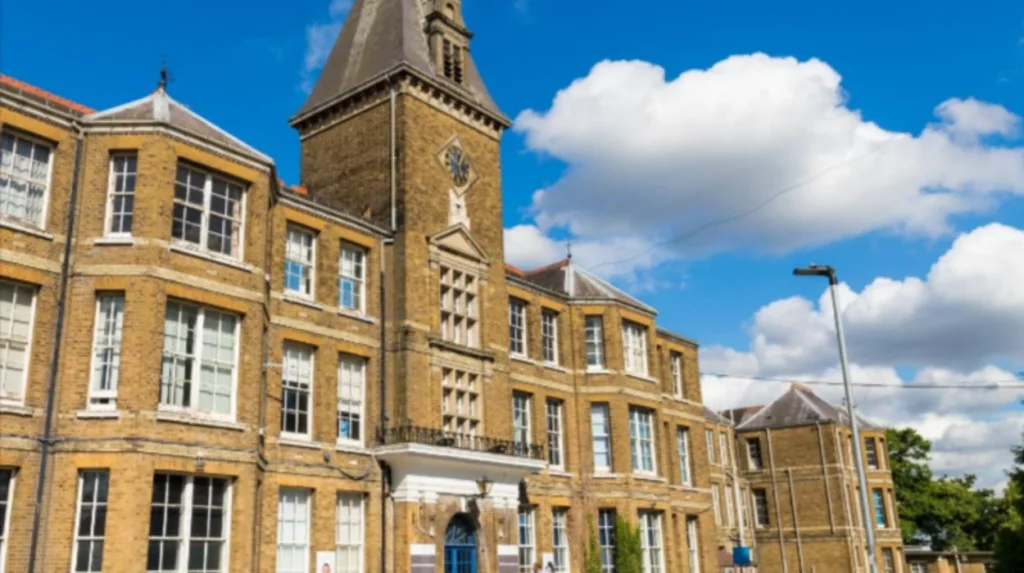
North London spans diverse boroughs, each with unique price profiles tied to local character.
- Barnet: Averages £606,000 in October 2025, down 3.5%; mid-range like Finchley £710,000-£720,000, High Barnet £660,000. Family appeal from green spaces drives stability.
- Haringey/Tottenham: Around £752,000 area average, with growth in asking prices; transport upgrades boost values.
- Enfield: £552,000, commuter-friendly with schools premium; forecast highlights hybrid work demand.
- Camden: Higher at £800,000+, culture and tech hubs like Old Street elevate flats.
- Brent: £620,000 in NW10; diverse, rising with Willesden regeneration.
These variations offer entry points for budgets, from Enfield semis to Barnet detachments over £1.9 million.
Key Factors Driving Prices
Transport remains paramount, with Tube and Overground proximity adding premiums—Nationwide studies confirm this “transport effect.” Areas near Metropolitan lines, like Northwood’s 1887 extension, saw rapid development and £1.4 million averages today.
Schools command 10-15% uplifts; outstanding-rated catchments in Barnet or Enfield boost values by £32,000 in London. Green spaces like Trent Park and lifestyle amenities in Muswell Hill (£751,000) enhance desirability.
Economic factors include inflation at 4.6% curbing sales, yet steady rents (£1,346-£2,109 pcm) support buy-to-let. Population growth—9-12% projected—sustains demand in Brent and Haringey.
Future Trends and Forecasts
Expect modest 1-5% growth in 2026, with Greater London at 2% amid rate cuts and tax clarity. North London may outperform central areas, flat nationally but rebounding via supply balance.
Rents rise 3%, favoring investors; regeneration in Tottenham and Enfield, plus hybrid work, bolsters outskirts. Affordability challenges persist—prices 16-20 times salaries—but underperformance creates opportunities.
Prime spots like High Barnet hold steady, while tech influx sustains Camden.
Investment Tips for Buyers
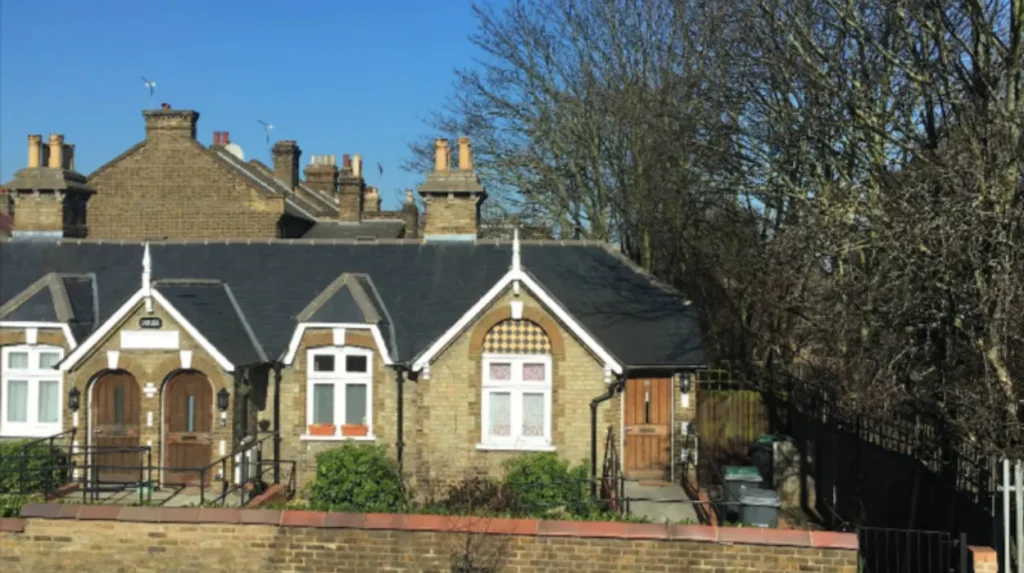
Target transport hubs and school zones for appreciation; Enfield offers value with 17% forecast growth. Compare established versus new builds for yields—older properties yield higher historically.
Monitor Land Registry for sold data; diversify across Barnet and Brent for balance. Long-term, North London’s evergreen factors—commute, culture, green living—promise resilience.