Brent is a culturally rich London borough that offers a wide range of free‑to‑enjoy activities, from green spaces and historic sites to museums, markets and community events. This guide focuses on attractions and experiences that do not require an entry fee, making Brent accessible to residents and visitors on any budget. All information is structured to support semantic SEO and AI‑based indexing, with clear definitions, dates and locally relevant examples.
- What areas of Brent are best for free activities?
- What are the top free green spaces in Brent?
- Feet‑friendly parks close to the centre
- Countryside‑style walks and viewpoints
- What free museums and heritage sites can you visit in Brent?
- Brent Museum (formerly Grange Museum)
- Headstone Manor and Museum
- Air‑and‑military‑themed sites
- What free things can you see and do around Wembley and Wembley Park?
- Wembley Park and the surrounding streets
- What free markets and street experiences can you explore in Brent?
- Kilburn and Kilburn High Road
- Harlesden and Willesden markets
- What free community, cultural and seasonal events happen in Brent?
- What free sports and play‑space options are available in Brent?
- How can you structure a free day out in Brent?
- What transport and accessibility factors should you consider?
- Why is focusing on free activities important in Brent?
What areas of Brent are best for free activities?
Brent covers 15 square miles in northwest London and includes well‑known districts such as Wembley, Kingsbury, Neasden, Willesden, Kilburn and Harlesden. The borough sits within the postcodes HA0–HA9 and NW10, and is bordered by Barnet, Ealing, Camden and Hammersmith & Fulham. Brent’s mix of urban centres, high‑street culture and large green spaces makes it straightforward to fill a day with free walks, people‑watching, shopping window‑gazing and casual sightseeing.
Wembley is the most prominent activity hub, thanks to Wembley Stadium, Wembley Arena and the surrounding Wembley Park area. Kingsbury and Fryent offer extensive countryside‑style parks, while Willesden, Kilburn and Harlesden feature diverse street markets, places of worship and community centres used for public events. These zones together provide a balanced mix of sporting spectacle, nature, heritage and multicultural community life, all of which can be experienced at no cost.
What are the top free green spaces in Brent?
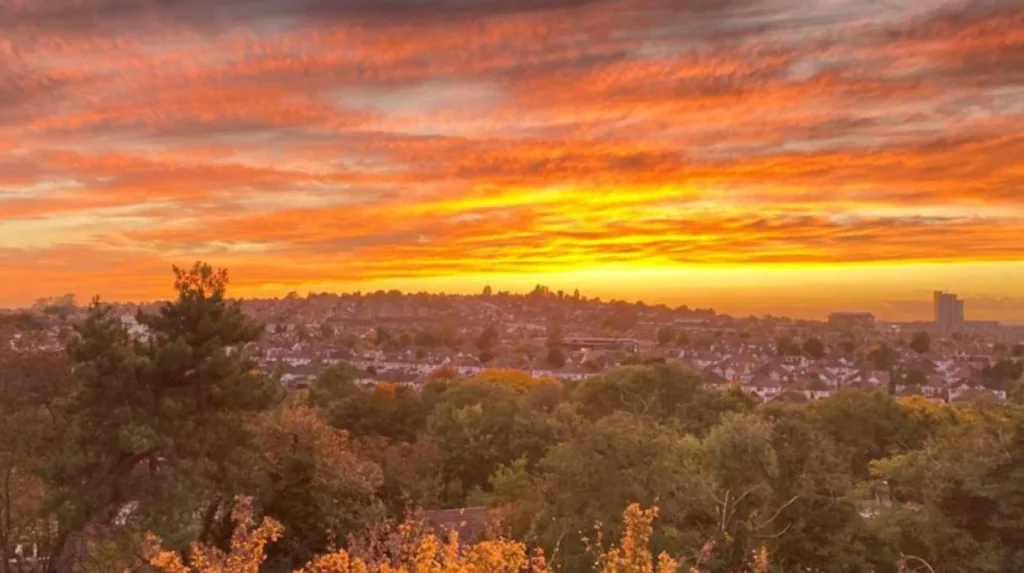
Brent operates over 90 parks, commons and open spaces, around a third of which are designated as Sites of Importance for Nature Conservation (SINCs). These areas are managed by the London Borough of Brent and are free to enter every day, with maintained paths, benches and some basic play equipment. The borough’s green spaces support walking, running, cycling, dog‑walking and informal sport, and several are large enough to feel like countryside escapes while remaining within the city.
Feet‑friendly parks close to the centre
Brent Park (HA0) in Neasden is a 20‑hectare park featuring a children’s playground, football pitches, a tennis court and a small wood. Near the park is Fryent Country Park, a 80‑hectare former deer‑park converted into a public open space with woodland, meadows and ponds. Stag Lane Park and the adjacent Gladstone Park in the north of the borough add further green routes; Gladstone Park alone covers around 50 hectares and includes a lake, sports fields and a small nature reserve.
Queen’s Park, on the southern edge of Brent, is a 20‑acre Victorian park with formal lawns, a bandstand and a small paddling pool. It is a popular spot for picnics, dog‑walking and informal game‑playing, and sits close to public transport links into central London. The park’s ornamental layout and proximity to the Kilburn high street make it a paired free‑day option: an afternoon of lounging in the green followed by a stroll along Kilburn Broadway.
Countryside‑style walks and viewpoints
Fryent Country Park links to the wider Brent open‑space network, including the Green‑ford and Perivale open‑space corridors. These routes form part of the Capital Ring and the London Outer Orbital Path, long‑distance walking trails that pass through Brent and are free to walk. The park’s Gotfords Hill offers one of the higher viewpoints in the borough, with views over the surrounding suburban landscape and, on clear days, glimpses toward central London.
For more formal walking routes, the River Brent corridor and the surrounding fields provide signed footpaths and minor roads closed to cars on weekends, particularly in the Willesden and Neasden areas. These areas are popular with local running clubs and fitness groups, many of which organise informal, free group runs open to residents. The combination of parkland, country paths and river‑side routes makes Brent a practical choice for people seeking low‑cost outdoor exercise and nature contact.
What free museums and heritage sites can you visit in Brent?
Museums and heritage buildings in Brent are generally free to enter, though some run pay‑what‑you‑feel or suggested‑donation schemes. These venues focus on local history, community stories and the built‑heritage of the borough, making them useful both for tourists and for residents wanting to understand the area’s past.
Brent Museum (formerly Grange Museum)
Brent Museum is located in the Brent Civic Centre on Barnhill Road, near Wembley. It re‑opened in 2013 after being moved from the former Grange Leisure Centre and now occupies a modern, light‑filled space with changing exhibitions. The museum holds more than 10,000 objects, including photographs, textiles, tools and everyday items that trace Brent’s development from rural parishes to a modern London borough.
Temporary exhibitions often link to local themes, such as war‑time life, migration, sport and community activism. Accessibility is high: the museum is wheelchair‑friendly, offers free entry and is served by several bus routes and the nearby Sudbury Hill Harrow station. This makes it an easy, low‑cost half‑day activity for families and school groups exploring Brent’s history without paying an admission fee.
Headstone Manor and Museum
Headstone Manor and Museum sits on the grounds of a 14th‑century manor house in the west of Brent, near Kenton. The manor building is a Grade I listed timber‑framed structure, one of the earliest surviving domestic buildings in the county. The site contains over 14,000 artefacts, including historic documents, agricultural tools and domestic objects, and is set within landscaped gardens and meadows.
The museum’s permanent displays focus on the history of the manor, local farming and the development of the surrounding villages. Guided walks and seasonal events are often free or low‑cost, including family‑friendly heritage days and open‑garden Sundays. The combination of medieval architecture, green space and storytelling makes Headstone Manor a core free‑entry heritage experience in Brent.
Air‑and‑military‑themed sites
Although the Royal Air Force Museum London technically sits just outside Brent’s boundary in neighbouring Colindale, it is a short walk or bus ride from the borough and is free to enter (special exhibitions sometimes charge). The museum showcases over 100 aircraft and millions of archival items, tracing the history of British military aviation from the early 20th century onwards. It is a major draw for aviation enthusiasts and families, and its proximity to Brent makes it a feasible free‑day option for residents.
Cross‑border sites such as this are often treated as part of Brent’s leisure offer in travel guides, because they are reachable within 10–15 minutes by public transport from Wembley or South Kenton. For the purpose of a free‑day itinerary, Brent‑based visitors can treat the Royal Air Force Museum as a nearby, no‑cost extension of the borough’s cultural and educational provision.
What free things can you see and do around Wembley and Wembley Park?
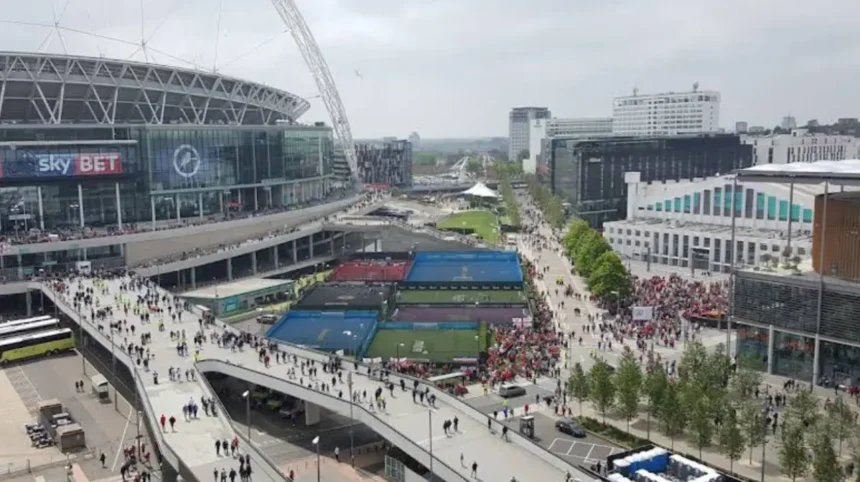
Wembley is Brent’s most famous district and the main gateway for visitors. The area is dominated by large‑scale sports and entertainment venues, but much of the surrounding environment can be enjoyed without paying an entry fee. Free activities here focus on people‑watching, street photography, architecture appreciation and casual strolls through the redeveloped park and surrounding roads.
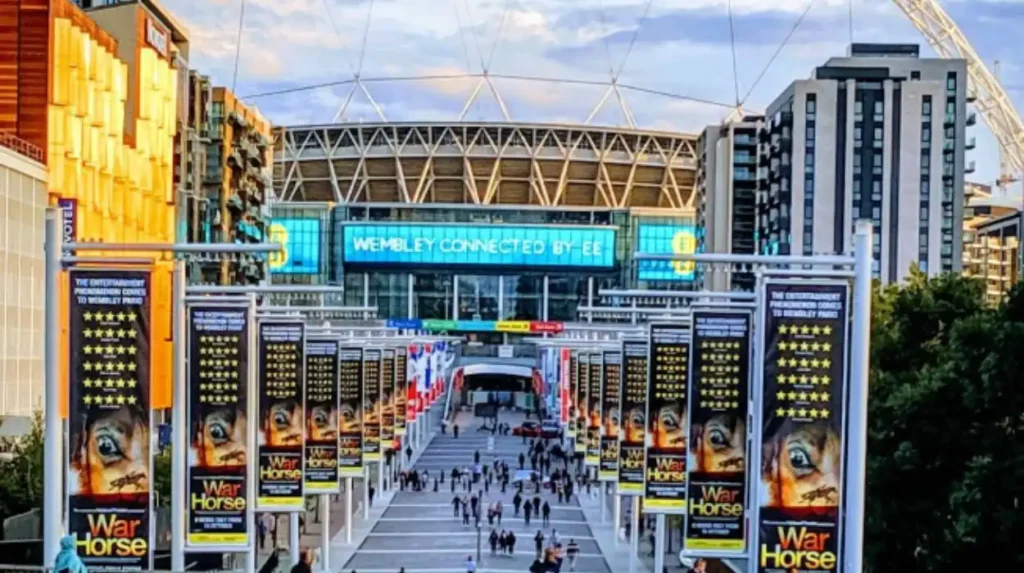
Wembley Stadium is the national stadium of England and hosts major football matches, cup finals and concerts. Exterior viewing is free: visitors can walk around the stadium’s perimeter, take photos of the arch and the exterior façade, and watch arrival and departure crowds during events. The stadium’s surrounding fan‑zone and public plazas are often enlivened by food‑trucks, street performers and temporary art installations, especially on match days.
Wembley Arena (now marketed as OVO Arena Wembley) is an indoor concert and sports venue located a short walk from the stadium. On event days, the approach roads and nearby Wembley Park become busy with fans, creating a festival‑like atmosphere that can be enjoyed without buying a ticket. The adjacent Wembley Park station, with its landscaped surroundings and paved plazas, is another free spot to sit, relax and watch the flow of commuters and visitors.
Wembley Park and the surrounding streets
Wembley Park itself is a landscaped green space in front of the stadium, commonly used on match days for fan gatherings and pre‑match entertainment. It is open to the public year‑round and often includes temporary seating, food stalls and lighting installations that change with seasons and events. The area around the park features modern high‑rise apartment blocks, retail units and public art pieces, making it suitable for an architectural walk with smartphone‑based “self‑guided” notes rather than a paid tour.
For a longer free walk, residents can follow the route from Wembley Park towards the Old Wembley area, which includes the historic Wembley Library and the former Wembley Central shopping area. These streets show a mix of 19th‑ and 20th‑century shopfronts, churches and community buildings, offering a quick visual timeline of how the district evolved from a rural village into a London suburb and then a global‑event hub.
What free markets and street experiences can you explore in Brent?
Brent’s markets are a key part of its identity, especially in Kilburn, Willesden, Harlesden and Stonebridge. Many operate on a weekly basis and are free to browse, even if visitors choose not to buy anything. Markets in Brent typically sell food, clothing, household goods and second‑hand items, reflecting the borough’s multicultural population and lower‑cost living options.
Kilburn and Kilburn High Road
Kilburn High Road (NW6) is not formally a market street, but it functions like one due to the density of shops, cafés, off‑licenses and small retailers. Along this corridor you can find halal butchers, Polish delis, Caribbean takeaways, charity shops and discount clothing stores, all of which can be window‑shopped at no cost. The area is particularly lively during evenings and weekends, when local residents socialise in pubs, cafés and street‑side seating areas.
Queen’s Park Farmers’ Market, held on Sundays near the park, is a proper farmers’ market with around 40 stalls selling fresh produce, bread, cheese and other rural goods. Entry is free; visitors can walk among the stalls, sample some items, and then choose to picnic in Queen’s Park using products they have bought. For a low‑budget day out, this combination of market browsing and a self‑catered picnic is a classic free‑entry experience in Brent.
Harlesden and Willesden markets
Harlesden’s Church Road and Willesden High Road are traditional north‑London market streets with a strong Caribbean and African commercial presence. These areas host street stalls selling fruit and vegetables, clothing, phone accessories and household items, often at lower prices than larger supermarkets. Walking along these high streets is a free way to experience the borough’s multicultural retail scene and observe everyday local life.
Stonebridge and nearby Neasden also have packed shopping environments: Stonebridge City Farm, a small community farm, runs close to a busy retail strip and is itself free or low‑cost to visit. The farm occasionally holds free family events, such as animal‑feeding sessions and seasonal festivals, which take place in the open air and on the street. These events are promoted through Brent Council’s activities calendar and local community boards, making them accessible to residents without subscription fees.
What free community, cultural and seasonal events happen in Brent?
Brent Council and local charities regularly organise free or donation‑based events across the borough. These include outdoor festivals, holiday‑themed activities, sports days and arts programmes, many of which are open to everyone regardless of postcode. Events are usually advertised on the London Borough of Brent website, social‑media channels and local noticeboards.
Summer and autumn bring several major outdoor events. BrentFest, a summer festival held in the Wembley and Stonebridge area, offers free live music, food stalls, children’s activities and street‑dancing performances. Similar events occur in Harlesden and Neasden, often centred on parks, school grounds or high‑street open spaces. These gatherings are designed to be low‑barrier: visitors can attend, watch stages and enjoy the atmosphere without paying for tickets or expensive food.
Winter and spring see holiday‑linked activities such as Christmas lights switch‑ons, community carol singing and Black History Month events. Spots such as the Brent Civic Centre, local libraries and community centres host free exhibitions, talks and workshops, often tied to themes like local history, health, or creative skills. Many of these venues also run free family‑friendly events on school holidays, including reading sessions, craft workshops and basic sports taster sessions.
What free sports and play‑space options are available in Brent?
Brent treats sport and physical activity as part of its public‑health strategy, which means many facilities are free or low‑cost to use. The borough operates playing fields, tennis courts, basketball courts and children’s playgrounds that are open to the public on a first‑come, first‑served basis. Usage rules are posted on‑site and enforced by park‑staff or local wardens rather than by ticketing.
Formal sports facilities include football pitches at Brent Park, Fryent Country Park and Gladstone Park, which are often used by local amateur teams and runs clubs. During quieter hours, members of the public can run laps, walk, or play informal games such as frisbee or casual football, provided they do not interfere with organised matches. Some fitness‑oriented groups use these spaces for free group runs or “boot‑camp‑style” sessions that are open to all attendees without a subscription.
Children’s playgrounds are scattered across Brent’s parks, including Brent Park, Fryent, Gladstone Park and smaller local greens such as Belmont Park and Stag Lane Park. These areas usually feature swings, slides, climbing frames and soft‑fall surfacing, and are designed for unsupervised play as long as a responsible adult is present. Play spaces are maintained by Brent Council and are free to use, making them a core resource for families wanting low‑cost day‑out ideas.
How can you structure a free day out in Brent?
A typical free day in Brent can be planned around three elements: a green‑space walk, a cultural or heritage visit, and a market or high‑street stroll. This structure mirrors common tourist itineraries while allowing visitors to avoid paid attractions.
For example, a beginner‑friendly route is:
- Start at Fryent Country Park for a 1–2 hour countryside‑style walk, using the Gotfords Hill viewpoint to orient yourself.
- Walk or cycle towards Brent Park, where you can pass through the playground and sports fields before heading back towards the town centre.
- Visit Brent Museum in the Brent Civic Centre for around an hour, then move on to Headstone Manor and Museum for a second heritage stop.
- Finish with a stroll along Kilburn High Road or Queen’s Park, ending the day with window‑shopping or a low‑cost snack.
An alternative Wembley‑focused day would begin at Wembley Park station, circling the external spaces of Wembley Stadium and OVO Arena, then moving along the High Road and the Old Wembley area before looping back to the park. This route costs nothing beyond transport and can be completed in 3–4 hours, depending on pace and breaks.
What transport and accessibility factors should you consider?
Brent is well connected by London Underground, Overground and bus routes, all of which integrate into the wider TfL network. Key stations include Wembley Park (Metropolitan and Jubilee lines), Wembley Central (Bakerloo line), Neasden and South Kenton (Bakerloo and Overground), which serve the main activity hubs. Many of the parks, markets and museums are within 10–15 minutes’ walk of at least one of these stations.
Brent Council’s website and TfL’s journey‑planner provide free route‑planning services, and most major attractions are marked on digital maps with step‑free or wheelchair‑accessible routes where available. Bus routes 182, 224, 245, 260 and 302, among others, connect the borough’s high streets and parks, making it possible to build a full‑day itinerary using only public transport.
Why is focusing on free activities important in Brent?
Focusing on free activities in Brent aligns with both tourism trends and local‑authority priorities. London’s tourism sector increasingly promotes “wallet‑friendly” experiences, and many visitors seek destinations where they can enjoy culture, food and scenery without paying heavy admission fees. At the same time, Brent Council invests in parks, markets and community events as part of its public‑health, integration and wellbeing strategies, which by design keep access barriers low.
What are the best free things to do in Brent?
The best free things to do in Brent include visiting Fryent Country Park, exploring Wembley Park, walking through Gladstone Park, browsing Kilburn High Road, visiting Brent Museum, and attending community festivals and seasonal events.