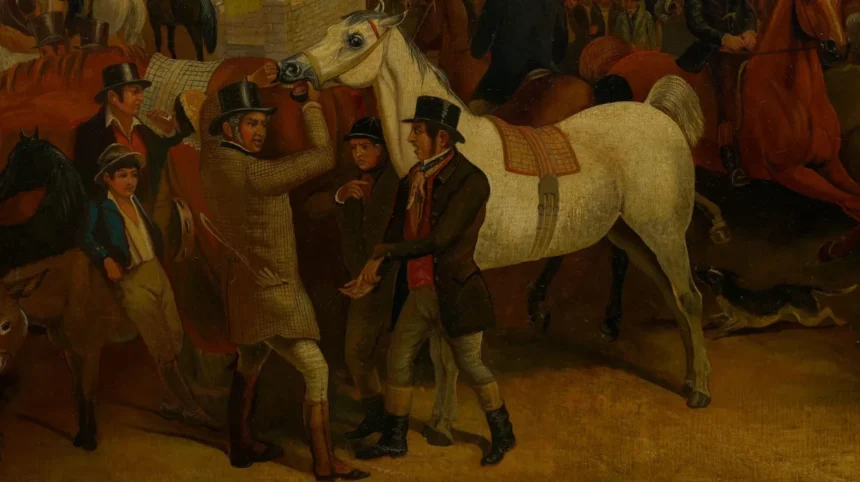
Barnet grew through livestock trading, farming, coaching inns, blacksmithing and other traditional occupations that supported travellers and merchants. Its position on the historic route north from London helped establish Chipping Barnet as a market town, connecting rural producers with London’s growing demand for food and transport services.
- How Did Barnet’s Location Help Its Historic Trades Develop?
- Which Role Did Livestock Trading Play in Barnet’s Growth?
- How Did Farming Support Barnet’s Historic Economy?
- Why Were Coaching Inns Important to Barnet’s Historic Trades?
- Which Traditional Crafts Supported Barnet’s Coaching Industry?
- How Did Barnet Fair Contribute to Trade and Employment?
- What Other Historic Industries Developed Around Barnet?
- How Did Railways Change Barnet’s Traditional Trades?
- Where Can Visitors Explore Barnet’s Historic Trading Heritage Today?
- Why Do Barnet’s Historic Trades Still Matter Today?
How Did Barnet’s Location Help Its Historic Trades Develop?
Barnet developed into a commercial centre because it stood on an important route between London and settlements to the north. Its roads attracted farmers, merchants, livestock dealers and travellers, creating demand for markets, accommodation, food and transport services.
The historic settlement of Chipping Barnet, also known as High Barnet, grew around the junction of roads leading north from London. The route connected the capital with St Albans and other communities beyond it. Wood Street formed part of an east–west route, linking the area with roads towards Watford and the wider region.
This geographical position gave Barnet two important advantages. Farmers could bring livestock and agricultural produce to its market, while travellers needed places to rest, eat and change horses. Local businesses supplied these needs and generated income for the town.
Barnet’s commercial importance increased during the medieval period. In August 1199, King John granted a charter allowing a weekly market at Chipping Barnet. A market charter was a formal royal grant establishing the right to hold a market, helping create a recognised centre for buying and selling goods.
The market attracted traders from surrounding settlements and helped support other occupations. Inns, stables, workshops and shops developed around the movement of people and goods.
The historic street layout still reflects this commercial development. Barnet High Street and Wood Street remain important places for understanding how transport routes and trade shaped the town.
Which Role Did Livestock Trading Play in Barnet’s Growth?
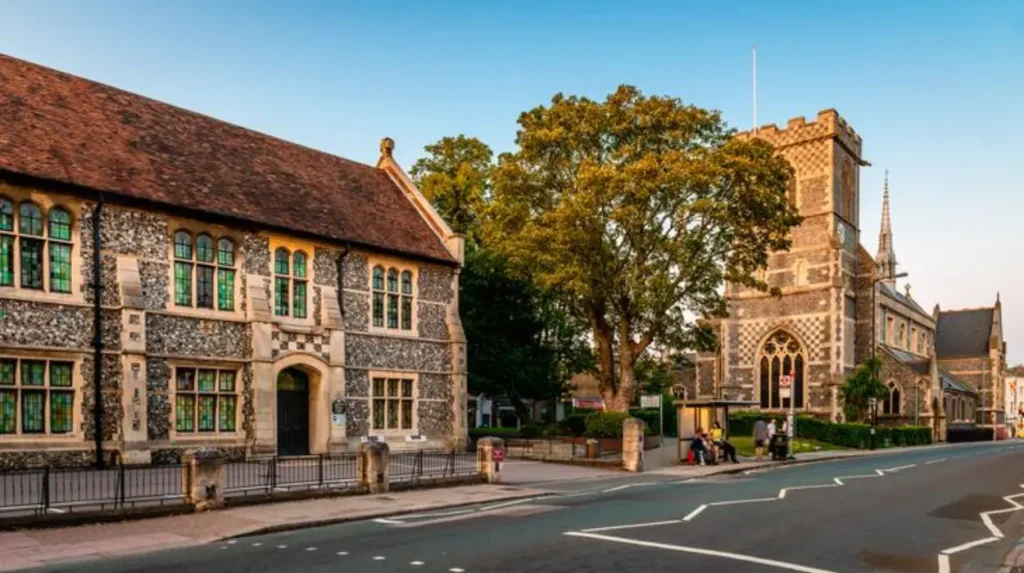
Livestock trading was one of the most important historic industries in Barnet. Cattle dealers, farmers and butchers used its market to buy and sell animals, supplying London’s demand for meat. By the late Tudor period, Barnet had become a major livestock trading centre.
The weekly market developed from at least the twelfth century, although livestock trading possibly existed before the 1199 charter. Its location gave farmers from the surrounding countryside access to buyers serving the capital.
During the sixteenth century, Barnet’s livestock market expanded significantly. London butchers travelled to the town to purchase cattle and arrange their onward supply. Before refrigeration and modern meat distribution, animals were often kept alive on nearby farms until they were needed in London.
This system created work for several groups. Farmers raised and maintained livestock, drovers moved animals along rural roads, dealers negotiated purchases, and butchers bought cattle for the urban meat trade.
Barnet’s market also benefited businesses that supplied food and accommodation to traders. Buyers travelling from London needed places to eat and rest, while livestock sellers required access to grazing land and holding facilities.
However, the market’s dominance did not last indefinitely. Other trading centres, including Smithfield in London and Hog Market in Finchley, competed for business. Barnet’s role as London’s leading meat market declined during the seventeenth century. The last cattle auction at Barnet’s main market took place in August 1959.
Livestock trading nevertheless established Barnet’s early commercial identity. It connected agricultural production with urban consumption and encouraged the growth of businesses that served both industries.
How Did Farming Support Barnet’s Historic Economy?
Farming supported Barnet by supplying livestock, crops, hay and other agricultural goods to local markets and nearby communities. Rural land around Barnet, Arkley, Hadley and neighbouring settlements sustained agricultural work, while the market connected producers with merchants and customers.
Agriculture was central to the economy of the countryside surrounding Barnet. Farmers raised animals, cultivated crops and managed land that supplied food to the growing population of London and nearby settlements.
Livestock farming had a particularly close relationship with Barnet’s market. Cattle arriving for sale required suitable grazing and holding areas before being transported onwards. Barnet Common provided space for grazing local animals and accommodating livestock associated with the market and fair.
The surrounding district also supported other forms of rural production. Finchley and Friern Barnet, for example, became known for hay production during the eighteenth century. Hay was an important commodity because horses depended on it for food, particularly in areas with busy road traffic.
Farmers also relied on workers who maintained fields, cared for animals and transported produce. These occupations formed part of a wider rural economy rather than operating independently.
Changes in land ownership influenced how farming developed. Barnet Common was progressively enclosed, with 135 acres enclosed by the Duke of Chandos in 1729 and the remaining common enclosed in 1815. Enclosure changed how land was managed and restricted traditional grazing rights.
Over time, expanding roads, railways and suburban development altered the relationship between Barnet’s countryside and its economy. Farming gradually lost its position as the defining activity in areas experiencing residential growth, but its historic influence remains important to understanding Barnet’s development.
Why Were Coaching Inns Important to Barnet’s Historic Trades?
Coaching inns became essential to Barnet’s economy because the town stood on a major route north from London. Inns provided accommodation, meals, refreshments and stabling, while supporting trades such as horse shoeing, carriage repair and the supply of animal feed.
The growth of stagecoach travel created a new source of commercial activity. A stagecoach was a scheduled horse-drawn passenger vehicle that travelled between towns, stopping at designated locations to change horses, collect passengers and provide refreshments.
Barnet’s position along the Great North Road made it a natural stopping point. By the eighteenth century, the town had developed a substantial concentration of inns and taverns. A local history study records about thirty inns on Barnet High Street during that period, excluding taverns and alehouses.
Coaching inns served several purposes. Travellers needed beds and meals, horses required rest and replacement teams, and coaches needed access to yards where drivers could manage their vehicles.
These services supported a network of related occupations. Innkeepers managed accommodation and food supplies, stable workers cared for horses, and local suppliers provided hay, oats and other essentials. Blacksmiths and wheelwrights maintained the equipment needed to keep road transport operating.
The Mitre Inn in Barnet High Street is identified by the Barnet Society as the oldest surviving example of the town’s historic coaching inns. Its presence helps illustrate the relationship between hospitality, road transport and commercial growth.
Coaching activity declined as transport technology changed. Improvements to rail services reduced the need for long-distance journeys by horse-drawn coach, and Barnet’s role as a coaching centre diminished.
The inns remain important to local heritage because they show how travel created employment and supported businesses beyond the transport industry itself.
Which Traditional Crafts Supported Barnet’s Coaching Industry?
Traditional crafts supported Barnet’s coaching economy through the maintenance of horses, carts and coaches. Blacksmiths made and repaired metal equipment, farriers cared for horses’ hooves, wheelwrights constructed wooden wheels, and saddlers produced and repaired leather equipment for riding and transport.
The coaching industry required a dependable network of skilled workers. Horses and vehicles experienced regular wear, particularly on roads that were rough or poorly maintained.
Blacksmiths heated and shaped metal to produce tools, fittings and horseshoes. Their work helped maintain the animals and equipment essential to road travel.
Farriers specialised in equine hoof care, including trimming hooves and fitting horseshoes. Since stagecoaches depended on teams of working horses, this service was particularly important at busy coaching stops.
Wheelwrights constructed and repaired wooden wheels used on carts and carriages. Their work involved shaping timber, assembling wheel components and ensuring that wheels remained suitable for heavy use.
Saddlers made and repaired saddles, bridles, harnesses and other leather goods. These products connected horses to riders and vehicles, making saddlery another important part of the transport supply chain.
Carriers and general labourers also helped move goods between settlements. Their work connected merchants, agricultural producers and customers, although the precise scale of each occupation varied over time.
These trades demonstrate how one major industry created demand for specialist skills. A busy coaching town needed more than inns and drivers; it also required workers who maintained the animals, vehicles and equipment on which transport depended.
As road transport declined, many of these occupations lost their former importance. Their history nevertheless explains the variety of skilled work that contributed to Barnet’s economic development.
How Did Barnet Fair Contribute to Trade and Employment?
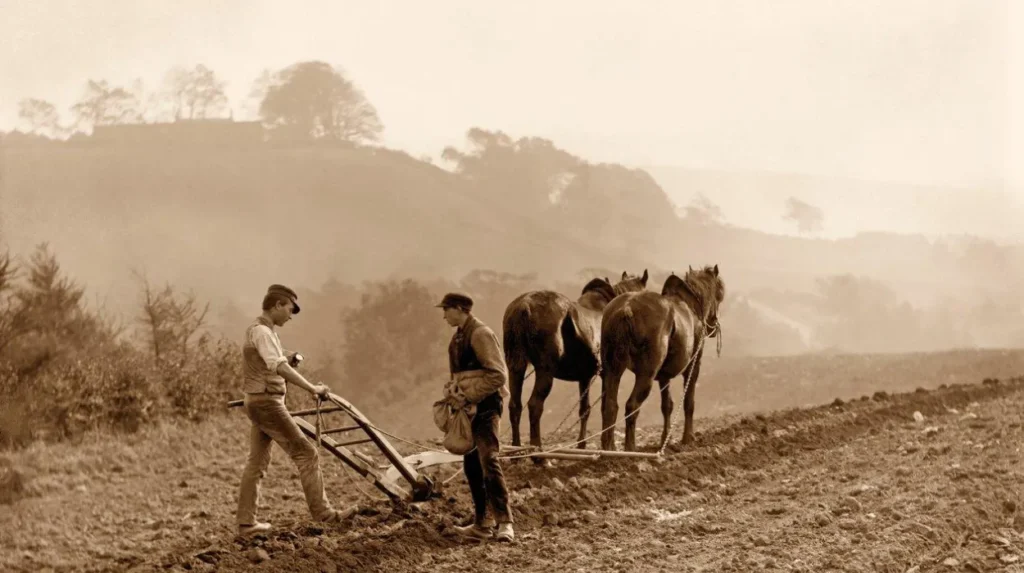
Barnet Fair strengthened the town’s commercial identity by bringing together livestock sellers, horse traders, visitors and other participants. A charter associated with Queen Elizabeth I in 1588 established a twice-yearly fair, while the event developed into a recognised centre for livestock trading and public entertainment.
The fair expanded Barnet’s commercial activity beyond its regular weekly market. It attracted people from London and the surrounding countryside, creating opportunities for buying and selling animals and providing services to visitors.
Livestock was central to the fair’s historic importance. Cattle and horses were traded, while other activities included horse racing and boxing. These attractions drew spectators as well as merchants, increasing demand for food, drink and accommodation.
The event also generated business for traders who sold goods and provided temporary services. Public gatherings of this kind helped local businesses reach customers who did not necessarily visit Barnet during an ordinary trading week.
Historical accounts describe the scale of cattle trading associated with Barnet Fair. In the 1880s, approximately 40,000 cattle were reportedly bought and sold at the event. This figure illustrates the fair’s historic significance, rather than its present-day scale.
The fair’s fortunes changed as transport and commercial practices evolved. The arrival of the railway affected the field previously used for horse racing, while the decline of horse transport reduced the event’s importance as a centre for livestock trading.
Barnet Fair continues in a reduced form on the first Monday in September, according to Barnet Council’s local history account. Its survival provides a connection between the modern town and its historic market economy.
For visitors interested in traditional occupations, the fair’s history offers insight into the relationship between trade, agriculture, transport and public entertainment.
What Other Historic Industries Developed Around Barnet?
Barnet’s wider economy included agricultural supply, pottery trading, local building materials and services for travellers. These activities complemented livestock sales and coaching, providing goods and practical services to residents, merchants and people passing through the town.
Market records and local histories identify a wider range of goods traded in Barnet. Corn, wool and pottery were among the products associated with the historic market, demonstrating that its commercial activity extended beyond livestock.
Corn trading connected agricultural producers with buyers who needed grain for food and other uses. Wool formed part of the rural economy, supplying a raw material used in textile production. Pottery provided practical household goods for everyday life.
Building materials also contributed to local economic activity. Barnet Council records that local clay was used to make bricks around the middle of the seventeenth century. Brickmaking supplied materials for construction and connected natural resources with the development of buildings and settlements.
These activities should not be confused with evidence of a large industrial manufacturing centre. Barnet’s historic economy was strongly shaped by markets, agriculture, transport and local services. The available local histories identify specific trades and goods, but they do not establish that every occupation operated on a large scale.
The development of these industries reflects the practical needs of a market town. Farmers needed buyers, travellers required accommodation, households purchased everyday goods, and builders needed materials. Businesses that met these needs contributed to Barnet’s growth.
This variety also explains why the town’s economic history cannot be reduced to one occupation. Livestock trading was highly significant, but it depended on a wider network of producers, suppliers, craftspeople and merchants.
How Did Railways Change Barnet’s Traditional Trades?
Railway development transformed Barnet by reducing its dependence on horse-drawn road transport and encouraging suburban expansion. New stations improved connections with London, changing travel patterns and gradually reducing the importance of coaching inns, stable services and other occupations associated with stagecoach journeys.
Railways changed the movement of people and goods throughout the nineteenth century. Travellers increasingly used trains for longer journeys, reducing demand for traditional coaching services along the Great North Road.
Barnet’s railway development took place in stages. New Barnet station opened in 1850, while High Barnet and Totteridge and Whetstone stations opened in 1872. These connections contributed to the development of residential streets in parts of the district.
As the railway network expanded, the economic role of the town changed. Coaching inns faced reduced demand from long-distance travellers, and businesses serving horse-drawn transport lost some of their former customer base.
At the same time, improved transport supported the growth of suburban communities. Residents gained access to rail services for journeys into London, while shops and other local businesses served an expanding population.
The transition did not happen everywhere at the same pace. Areas with convenient railway connections developed differently from places that remained predominantly rural. Finchley, for example, experienced changes associated with railway construction, tram services and suburban growth during the nineteenth and early twentieth centuries.
Railways therefore represented more than a new form of transport. They altered where people lived, how businesses operated and which occupations remained economically important.
Barnet’s development from a market and coaching town into part of London’s suburban area reflects this wider change in the relationship between transport and employment.
Explore More Area Guide
Historic Roads in Barnet: High Street and Great North Road
How the 20th Century Transformed Barnet’s Suburbs
Where Can Visitors Explore Barnet’s Historic Trading Heritage Today?
Visitors can explore Barnet’s historic trading heritage through its High Street, surviving coaching inns, traditional market and historic street layout. These places help explain how livestock trading, hospitality and road transport shaped the town before railway expansion and modern suburban development.
High Barnet is a useful starting point for exploring this history. The High Street developed around the town’s commercial role, while its historic road junction reflects the importance of movement between London and settlements to the north.
The former market area near the junction of High Street and Wood Street is particularly relevant. This location formed the centre of the medieval market, where traders gathered to exchange livestock and other goods.
The Mitre Inn provides another point of interest. Identified by the Barnet Society as the oldest surviving example of Barnet’s coaching inns, it illustrates the importance of accommodation and hospitality to travellers using the Great North Road.
Barnet Fair also offers a continuing link with the area’s trading traditions. Although its modern form differs from the historic livestock event, it retains the name and local identity of a fair that played a significant role in the town’s commercial history.
Visitors interested in the area’s wider development can also consult Barnet Council’s local studies and archives collection. It includes historical documents, local histories, photographs and maps that provide additional evidence of changing occupations and streetscapes.
As you explore the modern High Street and former market area, you are crossing places shaped by centuries of trade. The wider story is explained in the , which connects today’s streets with their medieval origins.
Why Do Barnet’s Historic Trades Still Matter Today?
Barnet’s historic trades explain how the town developed from a rural market settlement into an established part of North London. Livestock trading, agriculture, coaching inns and traditional crafts created employment, connected producers with customers and shaped the streets and buildings that remain part of its heritage.
The history of Barnet illustrates the relationship between economic activity and location. Its position on an important route helped the market attract buyers, while the needs of traders encouraged the growth of accommodation, transport services and specialist crafts.
The livestock market linked farms with London’s food supply. Coaching inns supported long-distance travel, and blacksmiths, farriers, wheelwrights and saddlers maintained the equipment needed to keep that transport system functioning.
Other activities, including corn and wool trading, pottery sales and brickmaking, met the needs of households and local development. Together, these occupations formed a connected economy rather than a collection of isolated businesses.
Transport improvements changed that system. Railways reduced dependence on horse-drawn coaches and helped encourage suburban growth, while changes in livestock distribution reduced the market’s former importance.
These developments are relevant to visitors exploring Barnet today because historic streets and surviving buildings provide evidence of how work shaped the town. They also help explain why Barnet’s heritage includes commercial, agricultural and transport-related features.
Barnet’s history remains accessible through its High Street, market traditions, surviving coaching inns and local archives. Exploring these places offers a practical understanding of how historic trades influenced the town’s economy, layout and identity.
What historic trades helped Barnet grow?
Livestock trading, farming, coaching inns, blacksmithing, farriery, wheelwrighting and pottery trading helped Barnet grow. These occupations supported the local economy by supplying food, maintaining transport, serving travellers and connecting rural producers with London’s markets.