Everyday life in Barnet combines suburban neighbourhoods, busy town centres, extensive green spaces, community facilities and strong transport connections with central London and surrounding areas. The London Borough of Barnet is a large, diverse borough where daily routines vary significantly between areas such as Finchley, Hendon, Edgware, Mill Hill, Golders Green and Chipping Barnet.
- What is Barnet like as an everyday London borough?
- How has Barnet’s history shaped everyday life today?
- Where do people shop, eat and meet in Barnet?
- How green is everyday life in Barnet?
- How do people travel around Barnet every day?
- What are libraries and community facilities like in Barnet?
- What leisure activities are part of everyday life in Barnet?
- How diverse is everyday life in Barnet?
- What is everyday life like for families, older residents and remote workers?
- Why does everyday life matter when exploring Barnet?
The borough had 389,340 residents in the 2021 Census, making it the second-largest London borough by population at that census. Its population increased by about 9% from 2011 to 2021. Barnet also recorded 148,917 households in 2021.
For visitors, understanding everyday Barnet means looking beyond major attractions. Local markets, libraries, parks, cafés, high streets, leisure centres, community spaces and transport hubs are central to how the borough functions. These places also provide practical options for digital nomads, business travellers and residents looking for activities outside conventional sightseeing.
What is Barnet like as an everyday London borough?
Barnet is a large north London borough built around established suburbs, commercial centres, residential streets, parks and transport corridors. Daily life combines local shopping, commuting, education, recreation, community services and access to extensive green space.
Barnet covers a broad area in north London and contains neighbourhoods with distinct identities. Chipping Barnet has a historic market-town character. Finchley contains several established commercial and residential districts. Hendon provides major transport connections and employment areas. Edgware functions as an important retail and service centre. Golders Green has a particularly diverse commercial and cultural environment.
The borough is not organised around one single downtown district. Barnet Council identifies 30 town centres, ranging from major centres to smaller local and neighbourhood centres. Seven are designated as main town centres, including Burnt Oak, Chipping Barnet, Cricklewood, Edgware, Finchley Central, Golders Green and North Finchley.
This structure influences everyday routines. Residents often complete shopping, eating, appointments and social activities within their own neighbourhood rather than travelling across the entire borough.
For visitors, this means Barnet works as a collection of local centres rather than a single destination. Exploring different neighbourhoods provides a clearer understanding of how residents use the borough.
How has Barnet’s history shaped everyday life today?
Barnet’s present-day neighbourhoods developed from older settlements, roads, markets and local authorities that existed before the modern borough was created. The London Borough of Barnet formed in 1965, bringing together Barnet, East Barnet, Finchley, Friern Barnet and Hendon.
Barnet has a long history connected to movement between London and settlements further north. Barnet Council records that the area existed before the Norman Conquest and that an important route from London towards St Albans passed through Barnet by the 11th century. A market developed at High Barnet, with the Chipping Barnet market tradition dating back at least to the 12th century.
The modern borough was established in 1965 as part of the creation of Greater London. The new authority combined the former boroughs and urban districts of Finchley, Hendon, Chipping Barnet, East Barnet and Friern Barnet.
This history remains visible in the borough’s streets, town centres, buildings and place names. Older settlements sit alongside post-war housing, modern apartment developments and contemporary commercial districts.
As you explore the modern borough, you are crossing land with a deep heritage. Read about the full to understand its origins.
Barnet’s historical records also provide extensive material for visitors interested in local development. Barnet Local Studies and Archives holds documents, maps, newspapers, photographs and publications covering local people, places and buildings, with historical records dating from the 17th century.
Where do people shop, eat and meet in Barnet?
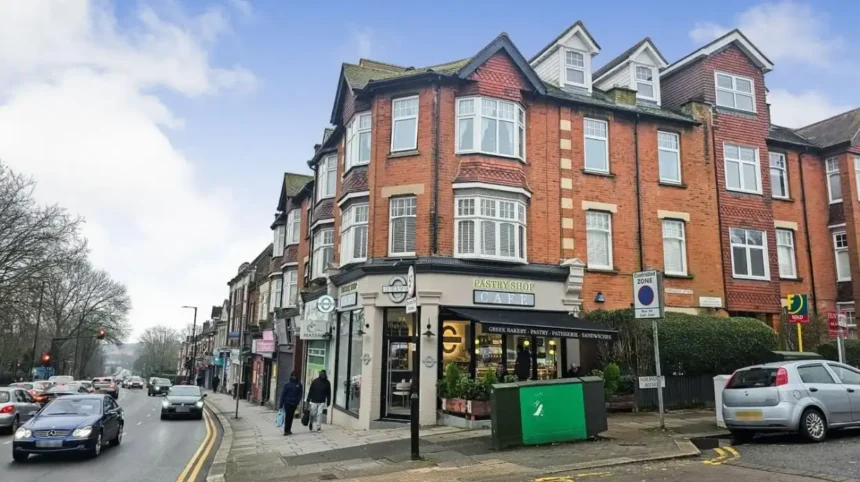
Everyday shopping and social activity in Barnet are distributed across numerous town centres. Chipping Barnet, Finchley, Edgware, Golders Green, Hendon, North Finchley and Burnt Oak provide established commercial areas alongside smaller neighbourhood centres.
Barnet Council describes its town centres as important community locations rather than shopping destinations alone. The borough’s town-centre network includes 30 centres, with different roles and characteristics.
Chipping Barnet provides one of the clearest connections between shopping and local history. Its market tradition is associated with the historic development of High Barnet.
Finchley has several commercial areas, including Finchley Central and North Finchley. These centres combine shops, food businesses, services and transport connections.
Golders Green is another important everyday destination. Its commercial streets support shopping, eating and local services while connecting surrounding residential districts.
Edgware serves communities across the north-western part of the borough. Burnt Oak and Hendon also provide substantial local retail and service functions.
Smaller centres are equally important for daily life. Barnet’s district and neighbourhood centres include places such as East Finchley, Mill Hill, New Barnet, Whetstone, Temple Fortune, East Barnet and West Hendon Broadway.
For visitors, these centres provide opportunities to experience ordinary north London routines. A trip to a local high street can include breakfast, shopping, coffee, groceries and an afternoon walk without requiring a traditional sightseeing itinerary.
For residents and longer-stay visitors, the distributed town-centre structure reduces the need to travel into central London for every basic service.
How green is everyday life in Barnet?
Green space is a major part of everyday Barnet. The borough has more than 250 parks and open spaces, over 1,200 hectares of parks and open spaces, 2,466 hectares of Green Belt and 690 hectares of Metropolitan Open Land.
Barnet Council’s Parks and Open Spaces Strategy 2026–2036 identifies more than 250 parks and open spaces covering over 1,200 hectares. The same strategy records 2,466 hectares of Green Belt land and 690 hectares of Metropolitan Open Land.
These figures help explain why outdoor activity forms such a visible part of local life.
Barnet’s green infrastructure includes formal parks, natural greenspaces, green corridors, sports areas, playgrounds and other open areas. The council identifies parks and gardens, wild landscapes, Green Belt and leafy river valleys as important parts of the borough’s environment.
The 2026–2036 strategy identifies 88 park sites covering 561 hectares, alongside 32 natural greenspace sites covering 278 hectares. It also identifies 19 green corridors covering 67 hectares.
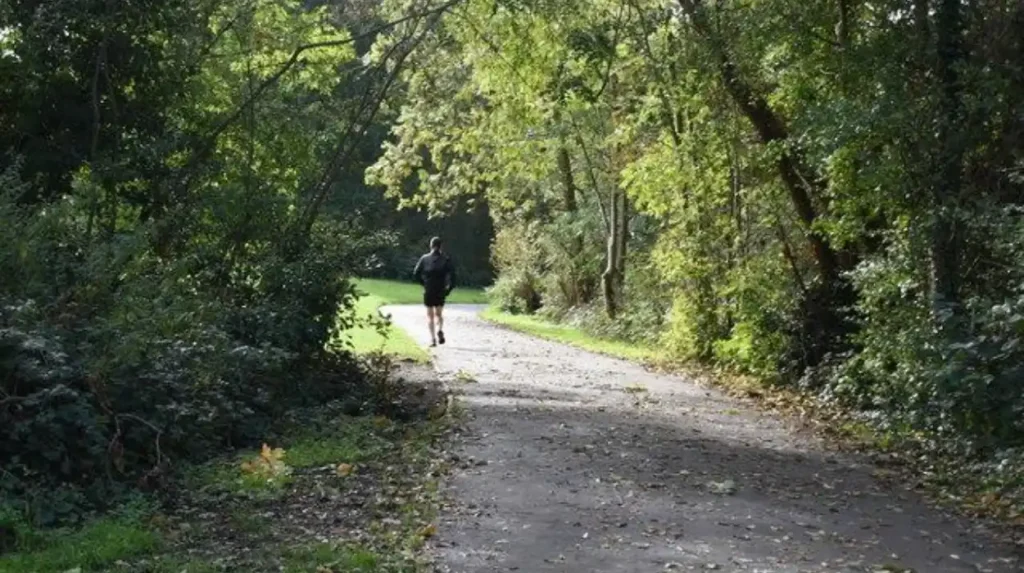
This creates practical opportunities for everyday recreation. Walking the dog, exercising, meeting friends, taking children outdoors and taking short breaks from work can all take place within local green spaces.
More than 40 Friends of Parks groups also operate across Barnet. These independent community groups work with local communities and the council to enhance and promote parks.
For tourists, these spaces provide a different perspective on Barnet. They show how the borough functions between its commercial centres and residential streets.
How do people travel around Barnet every day?
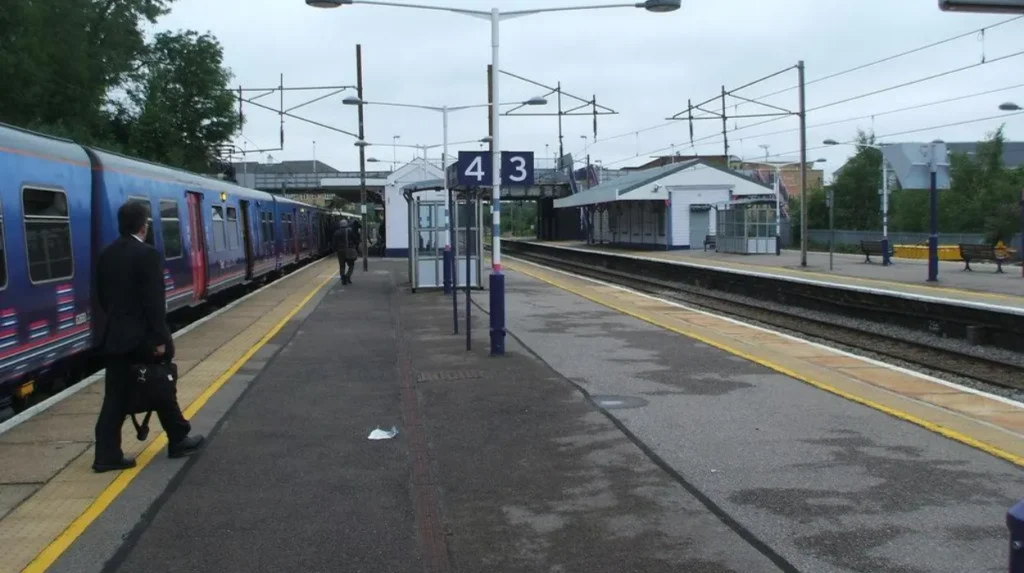
Barnet has a transport network based on Underground, National Rail, buses, walking and cycling. Different neighbourhoods have different transport options, so everyday journeys depend strongly on where people live, work, study or shop within the borough.
Barnet’s geography makes transport an important part of daily life. The borough stretches across a large section of north London, so travel between neighbourhoods is not always the same as travelling from Barnet into central London.
The Northern line provides Underground services through several important parts of Barnet. National Rail services also connect parts of the borough with wider London and regional destinations.
New Barnet station, for example, is served by Great Northern and Thameslink services. TfL’s station information identifies both operators at the station.
Walking is also significant for short local journeys. Residents frequently combine walking with buses, trains or Underground services when travelling between home, work, schools, shops and leisure facilities.
Cycling has an established role in Barnet’s transport network. The council has installed cycle stands in town centres and outside train and Underground stations. It also supports marked and measured routes in parks.
The A1000 cycle lane, introduced in 2020, created 3.2 kilometres of cycle lanes between North Finchley and the boundary with Haringey in the Finchley and Golders Green area.
For visitors, public transport allows different parts of Barnet to be explored without treating the borough as one compact centre. Checking the local transport option for each neighbourhood produces a more realistic itinerary.
What are libraries and community facilities like in Barnet?
Barnet’s libraries and community facilities support everyday learning, social activity, digital access and local events. The borough maintains 14 library sites across core, core-plus and partnership categories, with services including study space, Wi-Fi, computers and community activities.
Libraries have a broader role than book lending in modern Barnet. They provide spaces for study, digital access, community activity and local information.
Barnet Council states that 14 library sites remain within its library network. They are divided into three categories: Core, Core Plus and Partnership libraries.
Core libraries include East Finchley, Golders Green, Hendon, North Finchley, Osidge and Burnt Oak. Core Plus libraries include Chipping Barnet, Church End, Edgware and Colindale.
Partnership libraries include Childs Hill, East Barnet, Mill Hill and South Friern. These libraries remain connected to the wider Barnet Library Service while being managed by community-led organisations.
Libraries also provide activities that reflect everyday community needs. Barnet’s programme includes reading groups, board games, Lego clubs, conversation cafés, IT support, digital skills sessions and children’s activities.
For digital nomads, libraries provide practical alternatives to cafés for short periods of focused work. Several Barnet library facilities advertise free Wi-Fi and study space, although opening arrangements differ by location.
The library network also provides access to local history. Visitors interested in Barnet’s development can use local studies resources containing maps, photographs, newspapers and archival material.
These facilities demonstrate how everyday Barnet extends beyond shopping and transport. Libraries function as learning spaces, social venues and community infrastructure.
What leisure activities are part of everyday life in Barnet?
Everyday leisure in Barnet includes parks, walking, cycling, sports, swimming, fitness, community events and local cultural activities. Five council leisure centres provide facilities for exercise, while parks and green corridors provide additional outdoor opportunities.
Barnet Council identifies five leisure centres serving residents. These include the newer facilities at New Barnet and Barnet Copthall.
New Barnet Leisure Centre includes swimming pools, fitness facilities, studios, health improvement rooms, outdoor tennis courts and a multi-use games area. A library operates within the leisure-centre building.
Barnet Copthall Leisure Centre includes learner and community pools, a competition pool, sports hall, fitness facilities, exercise studios and a café.
Outdoor recreation is equally important. The council promotes walking, running, dog walking, heritage walks and health walks across the borough. Parks also contain outdoor gyms and marked activity routes.
Community events add another layer to everyday leisure. Barnet Libraries’ Creative Communities programme provides events and activities for children, teenagers and adults. Regular library activities include conversation cafés, reading groups and children’s sessions.
For tourists, this creates options beyond conventional attractions. A visitor staying for several days can combine a local high street with a park, library event, leisure facility or walking route.
For domestic business travellers, these facilities also provide practical downtime options close to residential and commercial areas.
How diverse is everyday life in Barnet?
Barnet has a highly diverse population shaped by different countries of birth, ethnic groups, languages, household structures and neighbourhood histories. Census 2021 data records substantial international and ethnic diversity across the borough.
The 2021 Census recorded 389,340 residents in Barnet. Around 44% of residents were born outside the UK, according to Barnet Council’s local population analysis. The council also reports more than 90 languages spoken across the borough.
The Office for National Statistics recorded 57.7% of Barnet residents in the White ethnic group, 19.3% in the Asian, Asian British or Asian Welsh category, 7.9% in the Black, Black British, Black Welsh, Caribbean or African category, 5.4% in the Mixed or Multiple ethnic groups category and 9.8% in the Other ethnic groups category in 2021.
Country-of-birth data also illustrates this international character. England was the reported birthplace for 55.4% of Barnet residents in 2021. Romania accounted for 3.4%, India 2.9% and Iran 2.9%.
This diversity influences local food businesses, shops, community organisations, languages and cultural activities.
The borough therefore does not have one uniform everyday culture. Daily experiences differ between neighbourhoods because Barnet contains multiple established communities and commercial centres.
For visitors, local diversity is most visible through high streets, food businesses, community events, religious buildings, cultural organisations and multilingual commercial environments.
Explore More Area Guide
Barnet for Hertfordshire Trips | North London Travel Guide
Why Business Travellers Choose Barnet, North London
What is everyday life like for families, older residents and remote workers?
Barnet provides everyday facilities for different household and lifestyle needs, including parks, schools, libraries, leisure centres, community activities, transport links and local shopping. Its large suburban structure creates neighbourhood-based routines rather than one central pattern.
Household data demonstrates this range. In the 2021 Census, 21.9% of Barnet households were couples with dependent children, while 12.2% were lone-parent households. One-person households accounted for 17.8% of households among the categories reported by the ONS.
Families use the borough’s parks, playgrounds, libraries, schools, leisure centres and local shopping areas as part of normal routines. Barnet Council also promotes walking, cycling and sustainable travel around schools.
Older residents have access to dedicated fitness and community opportunities. Barnet Council identifies activities including walking groups, Tai Chi, yoga, seated exercise, table tennis and other community-based activities.
Remote workers have several types of practical workspace. Libraries provide free Wi-Fi, computers and study areas at selected locations. Local cafés and town centres provide additional informal working environments, subject to individual business facilities and policies.
Business travellers can use the borough’s transport network to combine meetings with local food, parks, leisure facilities and neighbourhood shopping.
This variety is important when understanding Barnet beyond tourism. The borough functions as a residential environment first, with visitor experiences fitting into an existing network of everyday services.
Why does everyday life matter when exploring Barnet?
Understanding everyday life reveals Barnet as a functioning residential borough rather than only a collection of visitor attractions. Its town centres, green spaces, transport network, libraries, leisure facilities and diverse communities explain how people experience north London locally.
Barnet’s size and population make its everyday infrastructure particularly important. The borough had nearly 390,000 residents in the 2021 Census and more than 148,000 households.
Its 30 town centres create multiple local destinations rather than one dominant centre. Its extensive green-space network provides recreational areas across residential neighbourhoods. Its transport infrastructure connects local communities with wider London.
This structure also changes how visitors should explore the borough.
A tourist interested in local life can spend time in a neighbourhood high street rather than moving directly between major attractions. A digital nomad can combine library facilities with cafés and local parks. A business traveller can use an evening walk or leisure centre visit to explore the area around a meeting location.
Barnet’s historical development also remains relevant. Modern neighbourhoods developed from older settlements, markets, roads and local authorities. The creation of the London Borough of Barnet in 1965 brought several distinct communities into one administrative borough.
The result is a borough with multiple layers of everyday activity.
For visitors seeking to understand Barnet beyond tourism, the most useful approach is to look at how residents actually use the borough: shopping locally, travelling between neighbourhoods, using parks, attending community events, visiting libraries, exercising, meeting friends and accessing everyday services.
That perspective provides a fuller understanding of Barnet as part of north London’s residential and community landscape.
What is everyday life like in Barnet?
Everyday life in Barnet combines suburban residential areas, local high streets, parks, community facilities, leisure centres and strong transport connections. Daily routines vary between neighbourhoods such as Finchley, Hendon, Edgware, Golders Green, Mill Hill and Chipping Barnet.