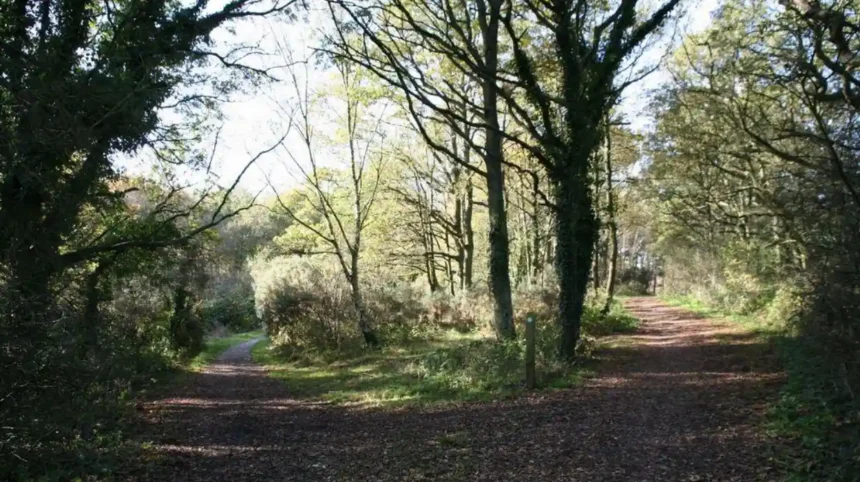
Barnet, a borough in North London, contains woodland, historic parkland, nature reserves and green corridors that provide opportunities for walking, wildlife observation and outdoor recreation. Its green spaces include established woodland habitats, mature trees, open grassland and paths connecting residential neighbourhoods with the wider countryside.
- Which woodland areas can you visit in Barnet?
- Where can you find the largest woodland in Barnet?
- Where can you explore ancient woodland in Barnet?
- Is Darlands Lake a good place for woodland walks in Barnet?
- What can you see at Monken Hadley Common?
- Where can you find woodland near Hampstead Garden Suburb?
- Which other woodland nature reserves can you visit in Barnet?
- How can you reach Barnet’s woodland areas by public transport?
- What wildlife can you see in Barnet’s woodlands?
- Why is woodland important to Barnet’s environment?
- How should you plan a woodland walk in Barnet?
- Which Barnet woodland should you choose for your visit?
Woodland in Barnet attracts day visitors, families, photographers, walkers and travellers looking for outdoor activities beyond central London. Some sites sit within larger parks, while others form part of designated nature reserves or landscapes managed for conservation. Access arrangements, path conditions and available facilities differ between locations.
Finding the right woodland starts with understanding where each site is located, what type of landscape it protects and how visitors reach it. Local authority information, conservation records and established nature organisations provide useful guidance for planning a visit.
Which woodland areas can you visit in Barnet?
Barnet offers several woodland destinations, including Hadley Green and Monken Hadley Common, Darlands Lake Nature Reserve, Moat Mount Open Space and woodland around Hampstead Garden Suburb. Each location provides different combinations of trees, wildlife habitats, walking paths and open green space.
The London Borough of Barnet occupies the northern edge of Greater London. Its landscape combines suburban neighbourhoods with historic commons, parkland, wooded slopes and nature conservation areas. These environments preserve elements of the countryside that existed before much of the surrounding residential development.
Visitors looking for woodland walks in Barnet should distinguish between formal parks containing trees and places managed specifically for nature conservation. Parks typically provide open recreational areas alongside wooded sections. Nature reserves prioritise habitats, native species and ecological management.
Monken Hadley Common provides a traditional common landscape with woodland and open areas. Darlands Lake Nature Reserve combines water, vegetation and woodland habitat. Moat Mount Open Space offers a larger countryside setting with varied terrain and extensive natural surroundings.
The most suitable destination depends on the visitor’s priorities. Short local walks suit travellers with limited time, while larger open spaces offer opportunities to combine woodland exploration with longer routes through surrounding green areas.
Where can you find the largest woodland in Barnet?
Scratchwood Open Space and Moat Mount Open Space form the largest woodland area in Barnet. Located around Mill Hill and Barnet Way, these neighbouring natural landscapes contain ancient woodland, mature trees, wildlife habitats and walking routes for visitors exploring North London.
Scratchwood and Moat Mount are two distinct open spaces separated by the A1. Both are recognised for their natural environment, but their woodland character differs.
Scratchwood contains areas of ancient woodland, meaning woodland that has existed continuously for a very long period. Its trees include oak and hornbeam, which provide shelter and food for insects, birds and other wildlife. Spring brings woodland flowers, including bluebells and wood anemones. Visitors also look out for muntjac deer and woodland birds.
Moat Mount has extensive wooded areas with a different history. Some sections originated as ornamental gardens, giving the landscape a more designed character. The wider open space combines woodland with other habitats and outdoor recreation facilities.
The two sites are not directly connected by a simple woodland path across the A1. Barnet Council identifies an underpass towards Apex Corner for crossing between the areas. Visitors should follow signed routes and use the underpass rather than attempt to cross the road.
Scratchwood is particularly suitable for people interested in mature trees, woodland ecology and quieter nature walks. Moat Mount suits visitors who want to combine time among trees with a wider countryside walk or an organised outdoor activity.
Where can you explore ancient woodland in Barnet?
Scratchwood is one of the principal places to explore ancient woodland in Barnet. Its oak and hornbeam trees represent a long-standing woodland habitat, while seasonal flowers and woodland birds add interest throughout the year for walkers and nature enthusiasts.
Ancient woodland is land that has remained wooded since at least 1600 in England, according to the established definition used in woodland conservation. The date helps distinguish long-established woodland from areas planted more recently.
These places often support complex ecological relationships between mature trees, fungi, insects, woodland plants and birds. The soils and ground vegetation also preserve evidence of a site’s long environmental history.
Scratchwood is an important destination because Barnet Council specifically identifies its ancient woodland areas and characteristic oak and hornbeam trees. The council also highlights spring flowers and the presence of muntjac deer and woodland birds.
Oak trees support numerous insects and provide food and shelter for wildlife. Hornbeam is a native British tree associated with several traditional woodland landscapes in southern England. Together, these species help form a woodland canopy, while shrubs and fallen leaves provide additional habitat.
Visitors should stay on established paths where possible, avoid picking wildflowers and refrain from disturbing wildlife. Ancient woodland develops over long periods, so protecting its soil, vegetation and mature trees is important for conservation.
Spring is a useful time to look for woodland flowers, while autumn offers opportunities to observe changing leaf colours and fallen seeds. Wildlife sightings vary with the season, weather and time of day.
Is Darlands Lake a good place for woodland walks in Barnet?
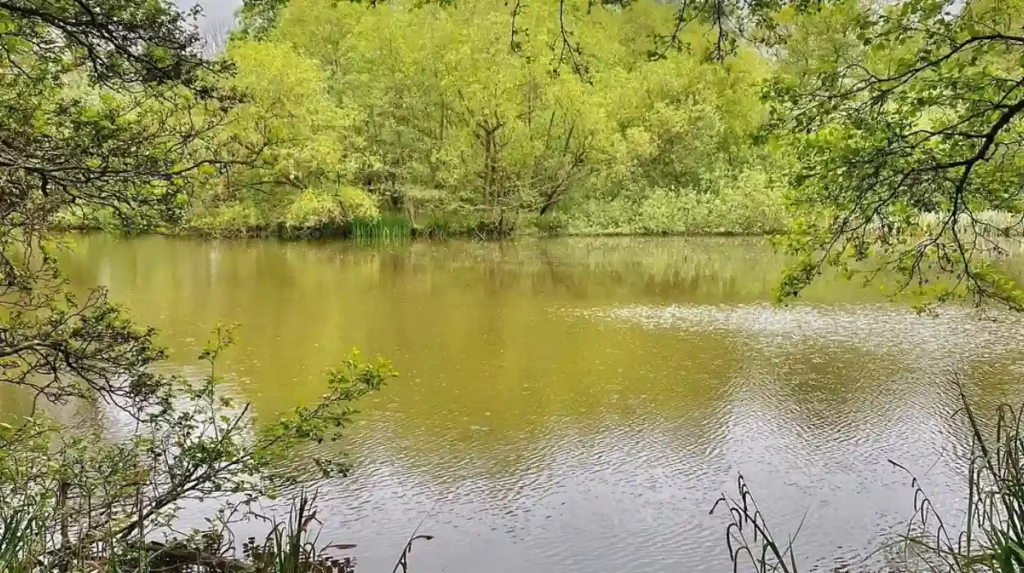
Darlands Lake Nature Reserve in Totteridge Lane, Whetstone, combines a woodland setting with a lake, grassland and wetland habitats. The reserve supports waterbirds, amphibians and dragonflies, making it a useful destination for wildlife observation and peaceful countryside walks.
Darlands Lake sits in the Totteridge Valley between the villages of Totteridge and Mill Hill. Darlands Conservation Trust describes the wider nature reserve as covering 32 hectares, equivalent to approximately 80 acres, with woodland, wetlands, grassland and the lake.
The lake was originally created as an ornamental feature for a nearby country house. It later served as a duck decoy, a traditional arrangement designed to attract wildfowl. The surrounding woodland now screens much of the lake from the wider landscape.
The reserve’s habitats support several types of wildlife. Barnet Council records mallards and moorhens nesting at the lake, while kingfishers visit occasionally. Common frogs, toads and smooth newts also occur in the reserve. The council records 12 dragonfly species, including black darters, ruddy darters and common darters. Fish recorded in the lake include carp, rudd and goldfish.
These features make Darlands Lake particularly suitable for visitors who want more than a walk beneath trees. The combination of water, woodland and grassland creates opportunities to observe different habitats during one visit.
Wildlife watching is best approached quietly. Visitors should keep a respectful distance from birds and amphibians, avoid entering sensitive areas and follow any reserve notices. The presence of a species in the reserve does not guarantee a sighting during an individual visit.
Darlands is a strong choice for nature photographers, birdwatchers and travellers seeking a rural landscape within the London borough. Check the conservation trust’s current information before travelling for details of access and any temporary restrictions.
What can you see at Monken Hadley Common?
Monken Hadley Common, near High Barnet and the village of Monken Hadley, combines woodland, open common land and a historic rural landscape. Its paths offer opportunities for walking and observing nature while exploring one of Barnet’s distinctive conservation areas.
Monken Hadley Common lies in the north-east of the borough, close to the boundary with Hertfordshire and the London Borough of Enfield. Chipping Barnet lies to its south. The wider conservation area preserves the character of a landscape historically associated with rural settlement and the old Great North Road.
Hadley Woods forms part of the common’s wooded landscape. The combination of trees, open ground and historic boundaries gives the area a different character from a conventional municipal park.
The common is not simply a council-owned public park. Barnet Council’s conservation appraisal explains that the common operates under its own Act of Parliament, dating from 1777. Its freehold is held in trust for the commoners, who retain rights associated with the land. Public recreational use therefore takes place within a landscape with its own historic management arrangements.
The area’s history extends beyond the modern borough. The historic route connecting London with northern England passed through Chipping Barnet, Hadley Green and Hadley Highstone. Hadley Green is also associated with the Battle of Barnet in 1471, although the precise battlefield location remains a matter of historical interpretation.
As you explore the modern woodland, you are also crossing a landscape shaped by centuries of settlement, land management and travel. Read the full [history of Monken Hadley and Hadley Woods] to understand its origins and the traditions that shaped this part of North London.
Visitors should respect gates, grazing arrangements, local notices and any restrictions on vehicles or activities. The historic common is especially appropriate for walkers interested in combining woodland scenery with an understanding of Barnet’s rural heritage.
Where can you find woodland near Hampstead Garden Suburb?
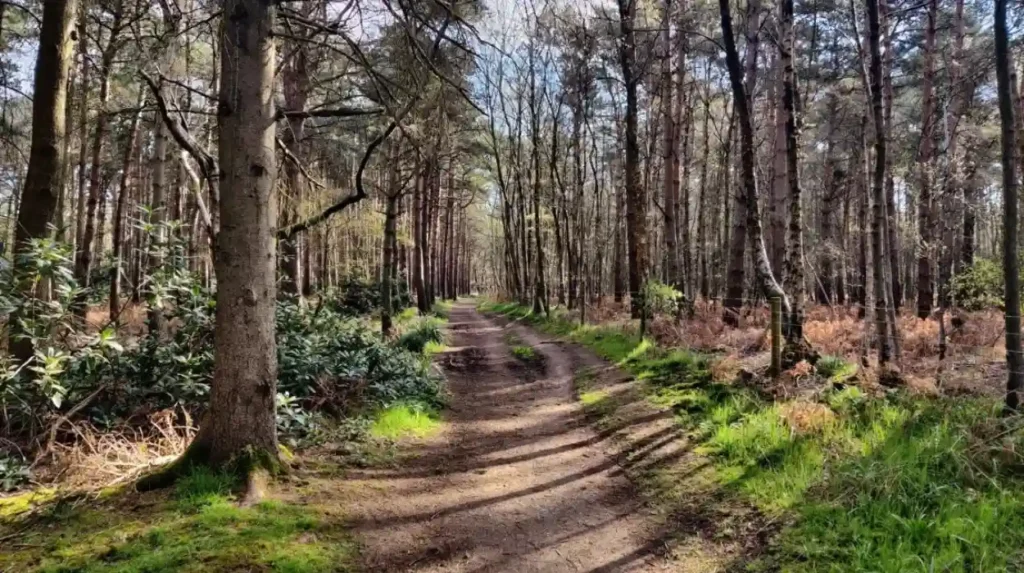
Big Wood and Little Wood are woodland nature reserves in Hampstead Garden Suburb, North London. These surviving wooded areas preserve parts of a landscape that once contained much more extensive woodland, offering local nature walks and opportunities to observe wildlife.
Big Wood is located on Oakwood Road in Hampstead Garden Suburb, NW11. Barnet Council identifies Big Wood and Little Wood as remnants of more extensive woods that covered the area thousands of years ago.
These reserves are valuable because they preserve wooded habitat within an established residential district. Their location makes them useful for residents, visitors staying in nearby neighbourhoods and travellers who want a shorter nature outing rather than a trip to the larger woodland areas around Mill Hill.
The council records a historic boundary associated with the entrance at Temple Fortune Hill. A replacement gate commemorates 29 residents of the suburb who died during the Second World War. The gate also stands on an ancient boundary dating to the eighth century. This illustrates how woodland sites can preserve both ecological and historical features.
Big Wood and Little Wood are suitable for quiet walks and observing the changing appearance of the woodland through the seasons. Their size and local setting make them particularly relevant to people exploring Hampstead Garden Suburb on foot.
Visitors should follow the paths provided and avoid damaging plants or disturbing animals. Nature reserves are habitats first and recreational spaces second, so keeping noise low and taking litter home helps protect their ecological value.
Which other woodland nature reserves can you visit in Barnet?
Barnet contains additional wooded nature reserves, including Coppetts Wood, Glebelands, and the Big Wood and Little Wood reserves. These locations combine woodland with other habitats, providing alternatives for visitors seeking local walks, nature observation and quieter green spaces.
Coppetts Wood
Coppetts Wood is located around Colney Hatch Lane in the Friern Barnet area. Barnet Council describes a mixture of woodland, scrubland, grassland and ponds. The site lies close to major roads and residential development but retains habitats important to local wildlife.
The reserve was once part of Finchley Common, a historic expanse of common land. Its landscape therefore reflects the transition from older rural surroundings to the modern urban environment.
Coppetts Wood is suitable for visitors seeking a local nature reserve rather than an extensive forest. Check the current site information for access arrangements before planning a visit.
Glebelands
Glebelands Nature Reserve is on Summers Lane in Finchley, N12. It contains woodland, scrub, grassland and ponds. The council identifies a nature trail that takes approximately one hour to complete and a small visitors’ car park off Colney Hatch Lane, just south of the reserve entrance.
The reserve’s range of habitats makes it useful for observing differences between wooded and open environments. Grassland supports a different collection of plants and insects from the shaded woodland floor, while ponds provide aquatic habitats.
Glebelands is also connected to the history of Finchley Common. Exploring the reserve provides a way to experience both the natural landscape and the historic land use of this part of North London.
Big Wood and Little Wood
These reserves near Hampstead Garden Suburb preserve older woodland within a residential landscape. Their historic boundaries and surviving trees make them useful places for shorter walks and quiet nature observation.
The choice between these smaller reserves depends on location, available time and the type of landscape you want to experience. Coppetts Wood and Glebelands offer a mixture of habitats, while Big Wood and Little Wood are particularly notable for their connection to the area’s former woodland cover.
How can you reach Barnet’s woodland areas by public transport?
Barnet’s woodland sites are accessible from surrounding North London neighbourhoods, with routes varying by destination. Visitors should check nearby Underground or railway stations, local bus services and walking connections before travelling, particularly for reserves situated beside major roads.
Public transport is a practical option for visitors staying in central London or nearby residential districts. However, woodland reserves do not all have stations or bus stops immediately beside their entrances.
Scratchwood and Moat Mount are located around Mill Hill and Barnet Way. Check the route to the specific entrance rather than relying on a general destination search for Mill Hill. The A1 separates the two open spaces, so the entrance and crossing arrangements matter.
For Darlands Lake, use the reserve’s address on Totteridge Lane, Whetstone, N20, as the starting point for journey planning. The location is in the Totteridge Valley, rather than directly in central High Barnet.
Monken Hadley Common is located near Camlet Way, Hadley, EN5. High Barnet and surrounding neighbourhoods provide useful starting points for checking public transport connections. Visitors should confirm the final walking distance from their chosen stop.
Big Wood is located on Oakwood Road in Hampstead Garden Suburb, NW11. Coppetts Wood and Glebelands are further south, around Friern Barnet and Finchley. Their locations make them relevant alternatives for visitors already exploring those neighbourhoods.
For the most accurate journey, use Transport for London’s journey planner and check current bus and rail services. Allow extra time for the final walk to woodland entrances, especially when travelling with children or visitors with limited mobility.
What wildlife can you see in Barnet’s woodlands?
Barnet’s woodlands support birds, mammals, amphibians, insects and woodland plants. Recorded examples include muntjac deer, kingfishers, mallards, moorhens, frogs, toads, smooth newts, dragonflies, bluebells and wood anemones, although individual sightings depend on conditions and season.
Wildlife is one of the main reasons to explore woodland in Barnet. Different habitats support different species, and the combination of mature trees, ponds, grassland and scrub creates opportunities for nature observation.
At Scratchwood, visitors can look for woodland birds, mature oak and hornbeam trees, and seasonal flowers. Barnet Council also identifies muntjac deer as part of the site’s wildlife interest.
Darlands Lake offers a different experience because its lake and surrounding wetlands support waterbirds and aquatic wildlife. Mallards and moorhens nest there, kingfishers visit occasionally, and amphibians use the reserve’s suitable habitats. Its recorded dragonfly diversity adds interest during warmer months.
Glebelands and Coppetts Wood contain ponds, grassland, scrub and woodland. These habitats provide different conditions for plants and animals, supporting biodiversity in a developed urban environment.
When is the best time to observe woodland wildlife?
Spring is particularly useful for looking for woodland flowers, including bluebells and wood anemones at Scratchwood. Summer offers opportunities to observe insects and dragonflies at suitable sites, while autumn brings changing foliage and fallen seeds.
Early morning is often a useful time for observing birds because many species are active during the cooler hours. Quiet behaviour improves the chance of noticing wildlife without disturbing it.
Visitors should avoid feeding wild animals, approaching nesting birds or leaving marked paths to pursue sightings. Binoculars and a camera with a zoom lens help people observe wildlife without getting too close.
Why is woodland important to Barnet’s environment?
Woodland helps Barnet support biodiversity, store carbon, cool surrounding areas and manage rainfall. The borough also contains grasslands, watercourses and other green habitats, which work together to support wildlife and improve environmental resilience across urban and suburban neighbourhoods.
Barnet Council reports that one third of the borough’s total area is classified as green space. The borough includes ancient woodland, traditional hay meadow and watercourses, creating a varied ecological landscape within Greater London.
Woodland contributes to this green infrastructure in several ways. Tree canopies provide shade, helping reduce local heat exposure during warm weather. Roots and woodland soils help absorb and retain rainfall, while vegetation contributes to the functioning of natural drainage systems.
Trees also absorb carbon dioxide as they grow and provide habitat for birds, insects and other organisms. Mature woodland is especially valuable because it contains established vegetation structures that take considerable time to develop.
The value of woodland extends beyond individual sites. Connected green spaces and wildlife corridors help animals move between habitats, while local nature reserves give residents and visitors access to natural environments.
Barnet Council identifies protection of green spaces as part of its approach to biodiversity and climate adaptation. Its parks and open spaces strategy for 2026–2036 sets out a long-term framework for managing and improving these places.
For visitors, this means woodland is not simply scenery. Respectful use of paths, responsible disposal of litter and protection of vegetation contribute to the long-term condition of these environments.
Explore More Area Guide
Wetland Habitats in Barnet: Ponds, Wildlife and Nature
Butterflies and Pollinators in Barnet | North London Guide
How should you plan a woodland walk in Barnet?
A successful woodland walk in Barnet starts with selecting a suitable reserve, checking access and transport, and preparing for natural ground conditions. Visitors should choose routes according to available time, mobility, weather and interests, while following conservation notices throughout their visit.
Before leaving, identify the exact site and entrance. Scratchwood, Moat Mount, Darlands Lake, Monken Hadley Common and the smaller reserves each have different layouts and access arrangements.
Check whether the destination has a marked route, visitor parking or nearby public transport. Scratchwood has a council-listed marked route of approximately one kilometre, while Glebelands has a nature trail that takes around one hour. These details help visitors choose an outing suited to their available time.
Wear footwear suitable for uneven paths and muddy ground. Conditions change after rainfall, and woodland trails are not always surfaced or suitable for every mobility requirement.
Carry drinking water and check the weather forecast before setting out. In autumn and winter, reduced daylight makes it important to plan the return journey before dusk.
Visitors with children should select routes appropriate for the group’s walking ability. Keep children away from steep banks, deep water and unsafe road crossings. At Scratchwood and Moat Mount, remember that the A1 separates the sites.
People with mobility requirements should verify path surfaces, gradients, entrance arrangements and available facilities directly with the relevant council or conservation organisation. The existence of a nature trail does not guarantee that it is wheelchair accessible.
Finally, follow local signs and take all litter home. Avoid picking plants, damaging trees or disturbing animals. These simple practices help preserve the landscape for other visitors and protect the habitats that make Barnet’s woodland areas valuable.
Which Barnet woodland should you choose for your visit?
Scratchwood suits visitors seeking ancient woodland, Darlands Lake appeals to wildlife enthusiasts, and Monken Hadley Common combines nature with historic scenery. Big Wood, Little Wood, Coppetts Wood and Glebelands offer additional options for shorter walks across Barnet.
The right destination depends on the experience you want.
- For ancient woodland: Choose Scratchwood for oak and hornbeam trees, spring flowers and woodland wildlife.
- For a lake and wildlife: Visit Darlands Lake for waterbirds, dragonflies and a wooded valley landscape.
- For woodland and history: Explore Monken Hadley Common and the surrounding conservation area.
- For a local nature walk: Consider Big Wood and Little Wood in Hampstead Garden Suburb.
- For mixed habitats: Choose Coppetts Wood or Glebelands for woodland, scrub, grassland and ponds.
- For a wider countryside setting: Explore Moat Mount Open Space and its extensive wooded areas.
Before travelling, confirm access information and transport connections through Barnet Council’s official parks directory. Its listings include addresses, facilities and nature reserve information for many of the borough’s green spaces.
Woodland in Barnet offers visitors a way to explore North London’s natural landscape without travelling far beyond the capital. Scratchwood and Moat Mount provide extensive wooded surroundings, Darlands Lake combines woodland with wetland wildlife, and Monken Hadley Common preserves a historic rural landscape.
Smaller nature reserves, including Big Wood, Little Wood, Coppetts Wood and Glebelands, offer additional opportunities to enjoy trees, wildlife and quieter walking routes.
The borough’s woodland sites also have wider environmental significance. They preserve established habitats, contribute to biodiversity and provide green space within a growing urban area.
For the best experience, select a destination according to your interests, check access and transport arrangements, and follow local conservation guidance. These steps help make a woodland visit in Barnet practical, enjoyable and respectful of the natural environment.
Where can you find woodland in Barnet?
Barnet has several woodland destinations, including Scratchwood Open Space, Moat Mount Open Space, Monken Hadley Common, Darlands Lake Nature Reserve, Big Wood, Little Wood, Coppetts Wood and Glebelands Nature Reserve.