Key Points
- Borough-Wide Recognition: The 2026 Camden in Bloom competition celebrated practical gardening work across six diverse categories: Best Front Garden, Best Community Food Growing, Best Community Nature Garden, Best Community Rain Garden, Treemendous Trees Award, and Camden Young Gardeners.
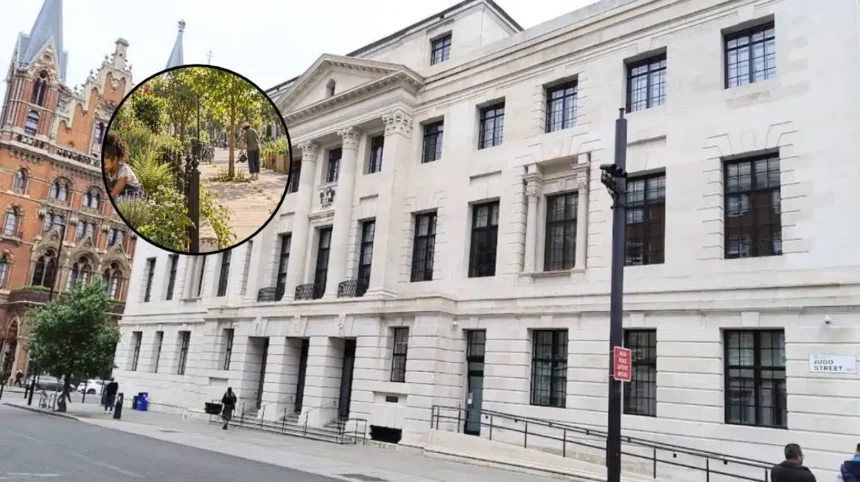
- Town Hall Ceremony: Winners, community organisations, and youth participants were formally invited to a reception at Camden Town Hall by the Mayor of Camden.
- Winner Highlights: Louise Balcombe won Best Front Garden; Mill Lane Garden Centre earned the Community Food Growing accolade; Co-operation Town Community Garden won the Nature Garden award; Jacek Turniak secured the Rain Garden category; and Alison Wood was awarded the Treemendous Trees prize.
- Young Gardeners Honoured: Seven-year-old Alex Goodall-Murphy alongside eight-year-old twin brothers David and Daniel Beydoun were celebrated under the Camden Young Gardeners category.
- Diverse Participation Framework: Supported by sponsors Camden Garden Centre and Veolia, the competition structures awards to recognize everyday green care across front yards, public street beds, allotments, and nature habitats.
Camden (North London News) November 3, 2026 – Residents, community groups, and young gardeners have been formally recognised in Camden’s 2026 Camden in Bloom competition, an annual event celebrating practical horticulturist efforts, habitat restoration, and shared outdoor care across the borough.
- Key Points
- Who Were the Individual and Community Winners of Camden in Bloom 2026?
- Best Front Garden
- Best Community Food Growing
- Best Community Nature Garden
- Best Community Rain Garden
- Treemendous Trees Award
- Camden Young Gardeners
- What Support Did Partners and Authorities Provide for the Event?
- Background of the Camden in Bloom Initiative
- Future Outlook: How Will This Development Affect Local Residents and Community Groups?
The Mayor of Camden invited this year’s top entrants to a celebration ceremony at the Town Hall to acknowledge their creative contributions to public and private green spaces. As reported by environmental reporters covering the Camden Borough Council announcement, the 2026 competition structure specifically rewarded everyday stewardship in varied settings rather than focusing strictly on formal, single-style aesthetic gardening. The six distinct award categories spanned front gardens, food cultivation, wildlife habitats, sustainable urban drainage, street tree care, and youth gardening.
Who Were the Individual and Community Winners of Camden in Bloom 2026?
The top placements across the six categories showcased a broad spectrum of horticultural applications across urban landscapes:
Best Front Garden
Louise Balcombe took the first-place award in the Best Front Garden category. Her winning entry comprised a multi-layered arrangement combining culinary herbs, structural ferns, and flowering plants. The display was praised by judges for demonstrating how limited domestic frontages can successfully accommodate diverse planting functions and aesthetic forms in small urban plots.
Best Community Food Growing
Mill Lane Garden Centre earned top honours in the community food-growing category for its allotment located in Hampstead. Tended collaboratively by disabled adults, local volunteers, and pupils from a nearby special educational needs (SEN) school, the initiative was cited for uniting people of varying ages and abilities through sustainable crop cultivation and skill-sharing.
Best Community Nature Garden
Co-operation Town Community Garden received the nature-garden award. Recognized as a species-rich environment, the plot provides critical habitat for local insect populations, including moths, butterflies, and bees. The judges highlighted how the space elevates wildlife biodiversity alongside traditional parameters of floral yield and vegetable production.
Best Community Rain Garden
Jacek Turniak won the rain-garden category for his work on an adopted garden bed situated at the junction of Savernake Road and Constantine Road. Having personally managed the corner plot for two years, Turniak’s recognition underscored the value of community-led sustainable urban drainage systems and public space management outside traditional private property boundaries.
Treemendous Trees Award
The newly introduced Treemendous Trees category was established to incentivise local residents to assist in keeping young street trees alive during periods of elevated summer heat. Alison Wood received the first-prize award for consistent hand-watering of the young street tree outside her residence throughout the summer drought. The category specifically highlights the necessity of ongoing community care during a tree’s initial establishment phase.
Camden Young Gardeners
The borough’s youngest environmental contributors were celebrated through the Camden Young Gardeners awards. Seven-year-old Alex Goodall-Murphy was rewarded for cultivating soft fruits and native wildflowers in his back garden. Additionally, eight-year-old brothers David and Daniel Beydoun received prizes for their shared dedication to maintaining their front garden during hot spring and summer spells.
What Support Did Partners and Authorities Provide for the Event?
According to official press statements issued by the London Borough of Camden Council, the top three entries in each of the six categories were presented with formal certificates alongside gift vouchers provided by competition sponsors Camden Garden Centre and environmental services contractor Veolia.
By awarding runner-up positions in each division, event organizers sought to acknowledge a broader field of local participants beyond single first-place recipients. Council representatives noted that the competition format serves to demystify gardening, framing it as a series of achievable, daily actions—ranging from balcony food growing to adopting street-side tree pits and fostering micro-habitats within inner-city housing estates.
Background of the Camden in Bloom Initiative
The Camden in Bloom competition is an established annual initiative run by Camden Council designed to encourage environmental responsibility, improve local biodiversity, and enhance public realm aesthetics across North London. Historically focusing on traditional aesthetic displays such as hanging baskets and ornamental flowerbeds, the competition has evolved in recent years to reflect changing environmental priorities, urban sustainability challenges, and climate adaptation strategies.
In recent iterations, municipal authorities have expanded the award categories to include rain gardens, nature-friendly biodiversity plots, street tree maintenance, and communal food security initiatives. This expansion acknowledges that a significant proportion of London residents lack access to private rear gardens. By recognizing street-side adopted beds, shared allotments, and window-box planting, Camden Council uses the scheme to align civic community engagement with its wider biodiversity action plan, net-zero targets, and urban heat mitigation strategies.
Future Outlook: How Will This Development Affect Local Residents and Community Groups?
The outcomes of the 2026 Camden in Bloom competition are anticipated to influence local community dynamics, municipal environmental strategy, and neighborhood participation in several key ways:
- Increased Civic Participation in Urban Greening: By rewarding non-traditional garden plots—such as adopted road junctions and individual street trees—the competition lowers entry barriers for flat tenants and residents without private gardens. This is expected to drive higher voluntary uptake in neighborhood maintenance and street-tree care schemes across the borough.
- Strengthening Social Inclusion and Community Resilience: The high-profile recognition of projects like the Mill Lane Garden Centre allotment reinforces the role of therapeutic horticultural spaces for vulnerable groups, SEN students, and elderly volunteers. This validation encourages further local authority and charity investment in shared food-growing hubs.
- Mitigation of Localized Environmental Risks: As categories like rain gardens and drought-focused tree watering gain prominence, community awareness surrounding urban heat island effects and surface water flooding will rise. Resident-led maintenance directly reduces street tree mortality during heatwaves and aids micro-scale stormwater absorption along urban road networks.