Key Points
- Gheorge Florea, 44, from Enfield, has been ordered to pay £1,200 after dumping a large white fridge on Kenninghall Road in Edmonton.
- The fly-tipping took place on 14 January 2025 and was captured by Enfield Council’s mobile waste enforcement CCTV cameras.
- Florea pleaded guilty to an offence under Section 33 of the Environmental Protection Act 1990 at Highbury Corner Magistrates’ Court on 9 July 2026.
- The court imposed a £500 fine, £500 in council costs and a £200 victim surcharge.
- Enfield Council pointed to its free bulky waste collection service and local waste facilities while reiterating its zero-tolerance approach to illegal dumping.
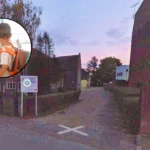
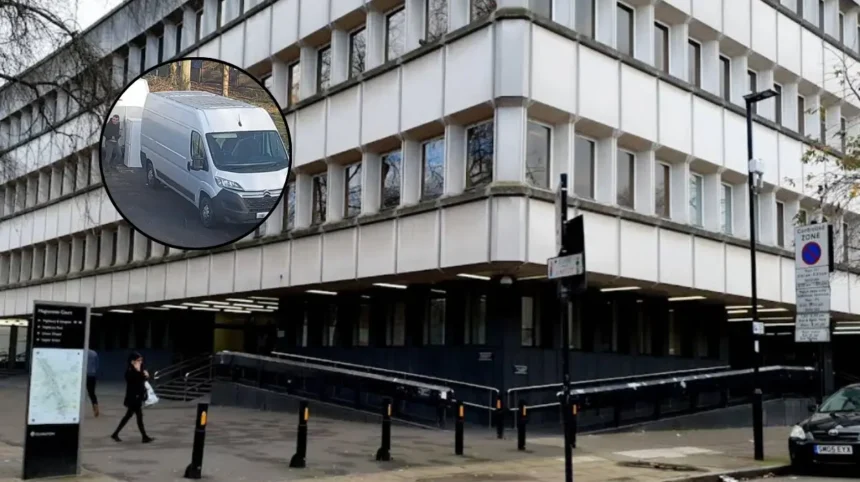
Edmonton (North London News) August 27, 2026 – An Enfield resident has been fined £1,200 at Highbury Corner Magistrates’ Court after being caught on CCTV dumping a commercial-sized domestic appliance on a public street in Edmonton. Gheorge Florea, 44, pleaded guilty to illegal waste dumping after mobile enforcement cameras captured him unloading a large white fridge from his white Citroen van on Kenninghall Road on 14 January 2025. The prosecution was brought forward by Enfield Council’s Waste Enforcement Team following an investigation into local environmental offences.
- Key Points
- What Are the Details of the Fly-Tipping Offence in Edmonton?
- What Financial Penalties Were Handed Down at Highbury Corner Magistrates’ Court?
- How Has Enfield Council Responded to the Prosecution Outcome?
- Background of the Particular Development
- Prediction: How This Development Can Affect Borough Residents and Property Owners
What Are the Details of the Fly-Tipping Offence in Edmonton?
The offence took place in the early weeks of 2025 on Kenninghall Road, a residential and commercial thoroughfare located in Edmonton. Council enforcement officers reviewed footage from mobile waste enforcement CCTV units strategically deployed throughout high-risk dumping zones across the borough.
The recording showed a white Citroen van stopping along the kerbside, from which Florea exited and dumped a large white fridge directly onto the public footway before driving away. The registration details captured on camera enabled the local authority’s Waste Enforcement Team to trace the vehicle directly to Florea’s home address in Enfield.
Following the identification process, Enfield Council initiated formal legal proceedings under environmental protection legislation, leading to a summons for Florea to appear before magistrates.
What Financial Penalties Were Handed Down at Highbury Corner Magistrates’ Court?
On 9 July 2026, Florea appeared at Highbury Corner Magistrates’ Court to face a charge brought under Section 33 of the Environmental Protection Act 1990, which strictly prohibits the unauthorised deposit of controlled waste on land without a waste management licence.
Florea entered an official guilty plea to the single charge of fly-tipping. After considering the evidence presented by prosecutors, the presiding magistrate imposed a structured financial penalty breakdown:
- Fine: £500 for the act of fly-tipping on public land.
- Prosecution Costs: £500 awarded to Enfield Council to cover the operational costs of investigating the incident and legal representation.
- Victim Surcharge: £200 applied in accordance with statutory sentencing guidelines.
The total financial liability imposed on Florea amounted to £1,200, payable within the timeframe set out by the court clerk.
How Has Enfield Council Responded to the Prosecution Outcome?
Following the court proceedings, local government officials emphasised that the conviction serves as a firm warning to individuals attempting to bypass legal waste disposal routes.
Enfield Council’s cabinet member for environment, Councillor Maria Alexandrou, highlighted the local authority’s stance on fly-tipping:
“This case sends out a clear message to those who think they can dump their rubbish on Enfield’s streets. We will find you and we will prosecute you through the courts. There is no place for this antisocial and illegal behaviour in our borough.”
Councillor Alexandrou further noted that the council provides accessible and complimentary services designed to prevent public waste accumulation:
“We offer residents a free bulky waste collection from their doorstep and two facilities for the disposal of household waste are available at Barrowell Green and Edmonton Eco Park, so there is never any excuse to fly-tip rubbish.”
Background of the Particular Development
Fly-tipping remains a persistent administrative and financial challenge for local councils across Greater London. Section 33 of the Environmental Protection Act 1990 serves as the primary legal mechanism used by English local authorities to combat illegal dumping, granting courts the power to issue unlimited fines or prison sentences for severe cases.
To address ongoing illegal waste issues without inflating enforcement budgets, Enfield Council expanded its network of deployable mobile waste enforcement CCTV cameras. Unlike fixed surveillance cameras, mobile units are repositioned based on municipal intelligence, targeting unannounced dumping hotspots across areas like Edmonton and Palmers Green.
Simultaneously, local authorities have expanded community access to legitimate disposal channels. Enfield Council operates a free doorstep bulky waste pickup service for registered household address holders, alongside dedicated household waste recycling centres (HWRCs) at Barrowell Green in Winchmore Hill and Edmonton Eco Park. The integration of CCTV surveillance alongside free public disposal options forms the backbone of the borough’s multi-year environmental cleanliness strategy.
Prediction: How This Development Can Affect Borough Residents and Property Owners
This judicial outcome is expected to influence several distinct groups within Enfield and adjacent North London boroughs:
- Local Residents: Residents in Edmonton and surrounding neighbourhoods are likely to see increased municipal investment in mobile CCTV units, leading to cleaner streetscapes and reduced public health risks associated with abandoned appliances and decaying refuse.
- Potential Offenders: Individuals considering bypassing legal waste disposal methods face heightened financial risks. The £1,200 penalty establishes a clear judicial precedent locally, signalling that mobile surveillance makes detection far more probable.
- Ratepayers: Successful cost-recovery orders (such as the £500 awarded towards council legal fees) help offset the public expense of enforcement operations, reducing the burden on council tax funds used to clear illegally dumped materials.