Key Points
- Demolition Approval: Permission for the demolition of Edward Rudolf House, a two-floor building that once housed The Children’s Society’s national headquarter at Margery Street in Clerkenwell, has been officially approved by Islington Council.
- Six-Year Controversy: The permission marks the end of a six-year planning debate over the issue, which saw two rejections by Islington Council prior to being resolved by an appeal.
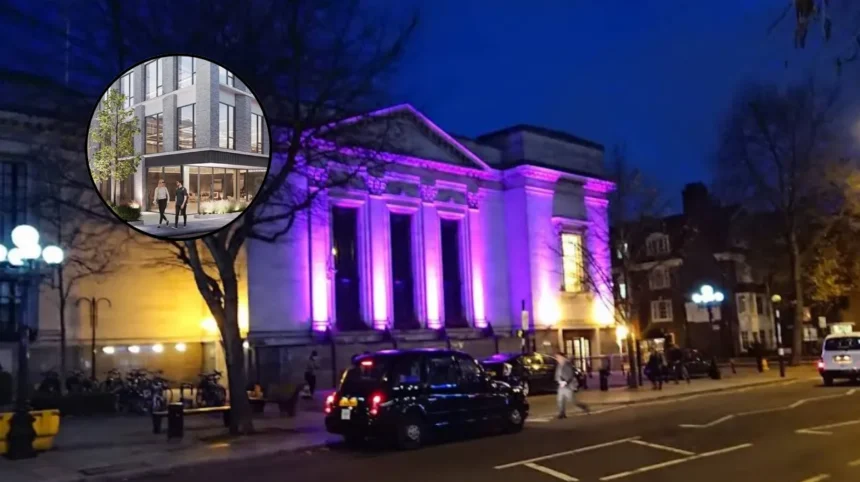
- Developer Plan: The American-owned investment company Royal UK Properties III Ltd won the appeal to the Planning Inspectorate and managed to get approval for a four-floor office building that will include a facility for affordable workspace.
- Past History: The property has housed the national headquarters of The Children’s Society from 1986 until 2019, when the property was sold for £17 million to help support its operations due to serious structural damage.
- Residents’ Objection: Residents of the area have strongly objected to the plan because of concerns related to building height, loss of daylight and conservation area impacts.
Islington (North London News) September 15, 2026 — Islington Council has rubber-stamped the long-disputed demolition of Edward Rudolf House in Clerkenwell, drawing to a close a contentious six-year planning process. The decision allows the US-based real estate entity, Royal UK Properties III Ltd, to knock down the vacant two-storey building and construct a modern four-storey commercial office development featuring on-site affordable workspace. The site, situated on Margery Street between two designated historic conservation areas, has stood empty since 2019 after its former occupant, The Children’s Society, vacated and sold the property due to prohibitive maintenance costs.
Why Was the Redevelopment Proposal So Strongly Contested?
As reported by local media outlets and confirmed in municipal planning logs, the proposals for 69-85 Margery Street faced years of resistance from both municipal planning officers and surrounding residents. Royal UK Properties III Ltd first sought permission to redevelop the site shortly after acquiring the asset. However, the initial design—which proposed a five-storey commercial block with additional roof plant enclosures and expanded basement levels—was rejected by Islington Council’s Planning Committee in July 2020.
The Council’s original refusal was grounded in four primary areas of concern:
- Design and Appearance: Criticism that the proposed scale and massing were overly dominant.
- Heritage Harm: Potential adverse impacts on adjacent heritage assets, including Grade II listed structures and the neighbouring New River and Rosebery Avenue Conservation Areas.
- Residential Amenity: Unacceptable reduction of daylight and sunlight levels to neighbouring properties, coupled with an increased sense of enclosure.
- Contextual Incongruity: Concerns that the architectural style introduced elements described as “overly corporate” and “harsh and alien” for a residential fringe.
When the developer appealed that first rejection, the Planning Inspectorate initially upheld the Council’s decision in March 2022, ruling that the applicant had failed to adequately demonstrate that the public benefits of the scheme outweighed the harm to local heritage and surrounding living conditions.
How Did the Developer Overcome Municipal Rejections?
Following the initial appeal dismissal, Royal UK Properties III Ltd revised its architectural scheme, reducing the overall height from five storeys to four and altering the exterior brickwork and window detailing to address light loss to surrounding homes. Despite these design modifications, the revised scheme continued to draw intense criticism from municipal planners and local community groups.
The impasse reached its conclusion when the applicant lodged an appeal against non-determination after Islington Council failed to issue a decision within the statutory timeframe. The case was subsequently handed over to the Planning Inspectorate for a formal inquiry.
In his decision, Planning Inspector Dominic Young overturned the local authority’s stance, ruling that the demolition of the mid-20th-century office block and the construction of a four-storey scheme was acceptable. Inspector Young concluded that while the redevelopment would cause “less than substantial harm” to adjacent heritage assets, this was counterbalanced by the delivery of modern Class E office space and dedicated affordable workspace provision aligned with the London Plan and Islington Local Plan.
As reported by the Islington Tribune, local resident advocates expressed severe frustration at the inspector’s determination. Gail Sulkes, representing the Mount Pleasant Neighbourhood Forum, stated to reporters:
“We were very disappointed. The current building is derelict so we all want something new there, but we want a building that is respectful of the neighbourhood. [The development] is not a beautiful building. It’s crowding.”
Neighbours also raised logistical concerns regarding prolonged construction noise, heavy equipment transport, and the loss of natural daylight to homes situated on adjacent roadways such as Attneave Street and Bagnigge House.
What Is the Background of This Particular Development?
Edward Rudolf House holds significant historical associations with UK social work and charitable operations. Named after Edward Rudolf, a civil servant and Sunday school teacher who founded the Church of England Central Home for Waifs and Strays in 1881, the site became the national operational headquarters for The Children’s Society in 1986.
For more than three decades, the Clerkenwell building served as the central hub for the charity’s national campaigns, advocacy programs, policy units, and adoption services. However, by the late 2010s, the physical infrastructure of the mid-century building had deteriorated significantly, requiring capital repairs that the charity deemed unsustainable.
In 2019, The Children’s Society elected to sell the freehold for £17 million, reallocating the capital directly into its frontline support programs for vulnerable youth across the UK. Following the transaction, the property was left vacant, triggering a cycle of security measures to prevent squatting while the acquiring developer sought planning consents to clear the site.
Explore More Islington Council News
Islington Council Reclaims 820 Homes For Temporary Accommodation in Islington 2026
Islington Council Repurchases 820 Ex-Right to Buy Homes Islington 2026
What Is the Prediction for How This Development Will Affect the Particular Audience?
The final clearance for the demolition of Edward Rudolf House will impact three primary groups within the local ecosystem: local residents, commercial tenants, and the broader borough economy.
1. Surrounding Residents and Community Groups
For residents living in the immediate vicinity—particularly along Margery Street, Yardley Street, and Attneave Street—the immediate impact will be characterized by heavy operational disruption. Demolition works and foundation excavation for expanded basement structures will bring construction traffic, dust, and sustained noise to a residential enclave. Over the long term, residents in lower-floor flats face a permanent reduction in natural sunlight due to the increased height and footprint of the replacement building.
2. Local Businesses and Commercial Workers
The introduction of 5,660 square metres of updated Class E commercial office space is predicted to increase daytime footfall in Clerkenwell. Local hospitality establishments, cafes, and retail vendors stand to benefit from increased consumer spending from workers occupying the new building. Additionally, the inclusion of policy-compliant affordable workspace will allow small-to-medium enterprises (SMEs) and local entrepreneurs to secure subsidized workspace in central London, where commercial rents remain historically high.
3. Municipal Planning and Heritage Precedents
The Planning Inspectorate’s decision to overrule Islington Council highlights the ongoing tension between local heritage preservation and London’s broader economic mandates to maximize land utility near transit corridors. By prioritizing office expansion and affordable workspace over minor “less than substantial” heritage harms, this ruling may encourage other developers holding vacant, mid-century assets in historic zones across Islington to pursue similar appeal strategies when faced with municipal refusals.