Key Points
- Thames Water has initiated a multi-year mains replacement programme in Alexandra Park, north London, which is scheduled to continue until January 2029.
- The project entails replacing over 4 kilometres (specifically 4.5km) of subterranean water infrastructure with new, highly durable plastic pipes.
- Upgrade locations focus on key residential thoroughfares, including Etheldene Avenue, Park Road, and Cranley Gardens.
- Advanced pipe relining technologies and phased traffic management are being deployed to reinforce the network while mitigating local disruptions.
- The infrastructure overhaul represents part of Thames Water’s largest network modernization undertaking in 150 years.
- Since April 2025, Thames Water has replaced over 150km of pipes across its operational territory, doubling its replacement rate compared to two years prior.
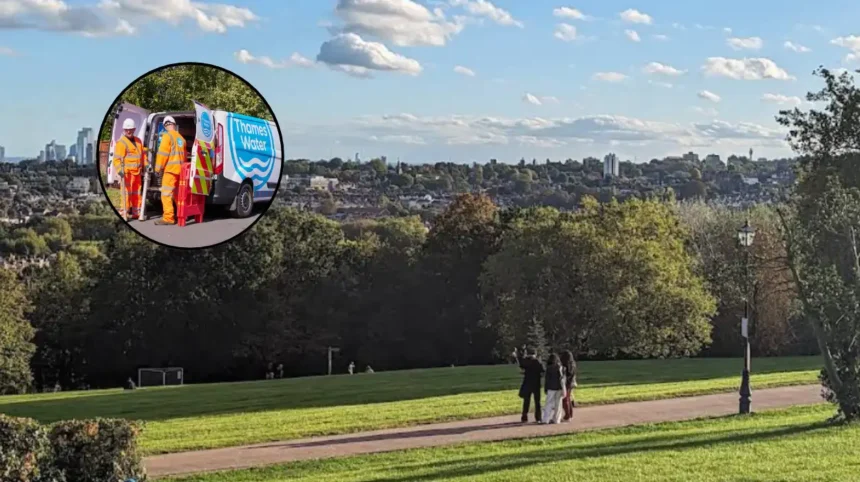
Alexandra Park (North London News) November 9, 2026 — Major waterworks are currently underway across north London as utility supplier Thames Water replaces more than four kilometres of underground piping in a long-term capital investment scheme expected to run until January 2029. As reported by London Now, the large-scale mains replacement programme is centered in the Alexandra Park area and aims to systematically replace ageing Victorian infrastructure to prevent potential mains bursts and eliminate supply interruptions for thousands of domestic and commercial properties.
The essential works are focused on key local roads—most notably Etheldene Avenue, Park Road, and Cranley Gardens. Engine teams are replacing outdated subterranean mains with high-density, highly durable plastic piping alongside deploying advanced non-invasive pipe relining technology to modernise and structurally reinforce existing assets.
Local residential properties and commercial establishments surrounding the landmark Alexandra Palace site are set to receive a substantially reinforced and efficient water network designed to safeguard local capacity for decades.
What Has Thames Water Stated Regarding the Engineering Schedule and Impact Mitigation?
According to statements issued by Thames Water and documented by London Now, the strategic overhaul is structured to address long-term capacity requirements, decrease systemic water loss, and ensure service reliability.
A Thames Water spokesperson stated:
“We’re upgrading our network to ensure we can meet future demand. Replacing older mains in Alexandra Park will reduce leakage, improve performance, and provide a more resilient supply for customers across the area. Our work will be carefully phased to minimise the local impact, with traffic management in place where required and is part of our biggest upgrade in 150 years as we future-proof our customers’ water supply.”
The utility provider confirmed that since April 2025, it has successfully replaced more than 150 kilometres of trunk and distribution pipework across its regional network—effectively double the annual replacement rate achieved two years ago.
To control local disturbance, Thames Water confirmed it has coordinated planning with the local municipal council to implement phased delivery schedules, control construction noise, limit heavy vehicle movements, and deploy temporary traffic control systems throughout the delivery phase up to January 2029.
Background of the Particular Development
The North London trunk mains replacement scheme forms part of Thames Water’s wider £1.5 billion capital investment commitment to rectify historic infrastructure vulnerabilities across London and the Thames Valley. Much of the subterranean distribution network across Haringey and surrounding north London boroughs relies on cast-iron trunk mains originally installed during the Victorian era. Over decades, natural ground movements, population growth, and elevated water demand have exacerbated stress on these ageing mains, leading to frequent bursts, road closures, and localized pressure drops.
The Alexandra Park project runs alongside parallel asset renewal initiatives across North London, including pipe replacement projects in Crouch End, Highgate, Hampstead, and Camden. By substituting deteriorating iron pipes with modern polyethylene alternatives and trenchless relining materials, the utility aims to meet its statutory targets for leak reduction and network resilience.
What Does This Development Mean for Local Residents and Businesses?
Impact on Local Residents
- Traffic Disruption and Parking Restrictions: Residents living on or near main routes such as Etheldene Avenue, Park Road, and Cranley Gardens face phased road closures, temporary multiway traffic signals, and temporary suspensions of on-street parking. Commuters through N22 and Haringey will experience intermittent localized congestion during peak construction windows.
- Noise and Access: Although Thames Water has committed to restricting heavy plant machinery movements and working within designated weekday hours, residents can expect localized acoustic disruption and altered access routes to driveways. Emergency vehicle access will remain prioritized throughout all operational phases.
- Long-Term Water Reliability: Once construction concludes in early 2029, households will benefit from a modernised water supply system characterized by stable pressure, lower risk of unplanned emergency outages, and reduced vulnerability to winter main bursts.
Impact on Local Businesses and Institutions
- Operational Continuity: Commercial premises around Alexandra Park and venue operations linked to Alexandra Palace will gain an upgraded infrastructure capable of supporting high peak demand.
- Short-Term Logistics: Local delivery vehicles, trade access, and customer transport to surrounding high streets may encounter temporary detours and minor delays while specific road segments undergo active excavation and relining.