Key Points:
- Arsenal have formally ruled out a large-scale expansion of the Emirates Stadium, opting instead for smaller, incremental upgrades to modernize the existing venue.
- A internal working group led by chief executive Richard Garlick conducted a thorough review of logistics and financial implications before deciding against increasing capacity.
- Despite continuous sell-out crowds and capacity increases by Premier League rivals, the club is prioritizing commercial and spectator environment enhancements over seat volume.
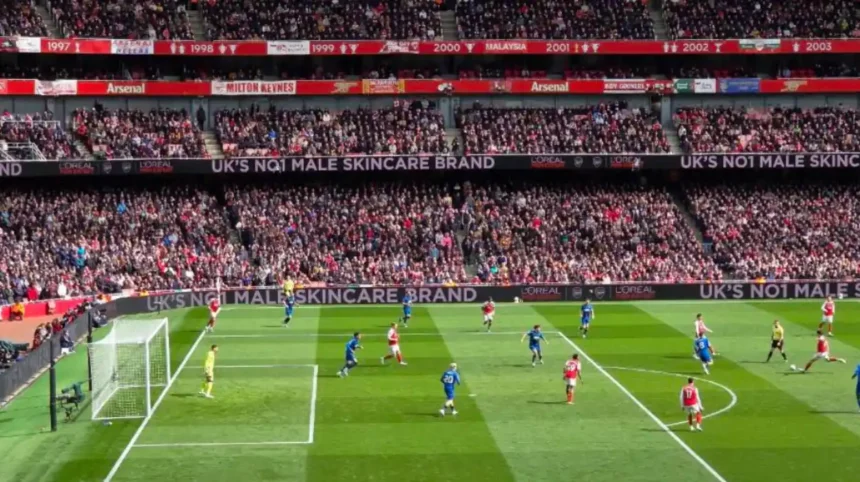
Arsenal (North London News) October 3, 2026 – Arsenal have formally decided against pursuing a major expansion of the Emirates Stadium, ending widespread speculation that the north London side might significantly increase their current capacity of 60,704. While the demand for matchday tickets remains at an all-time high, the club’s hierarchy has determined that a massive construction project is not the current priority for the organization.
Why Has Arsenal Decided Against Expanding the Emirates Stadium?
To assess the feasibility of such an undertaking, the club established a dedicated working group led by the chief executive, Richard Garlick, in 2024 to examine the possibility of extensive additions to its home stadium. After a thorough review of the logistics and financial implications involved in a large-scale renovation, the decision was made to pivot away from a primary focus on seat volume.
Rather than engaging in a costly overhaul that could cause significant operational disruption, the club will instead prioritize modernizing the existing infrastructure to enhance both the commercial and spectator environment for supporters attending matches in north London.
What Upgrades Are Arsenal Planning for the Emirates Stadium Instead?
Rather than adding thousands of new seats, the Gunners are choosing a strategy of evolution over a total architectural overhaul. The planned focus will centre on upgrading technology, improving hospitality facilities, and streamlining matchday access points across the stadium.
By pursuing smaller, targeted improvements, Arsenal aim to boost commercial revenue and improve overall fan satisfaction without incurring the substantial capital expenditure and logistical complexities associated with major structural expansions.
Background of the Particular Development
The Emirates Stadium has served as Arsenal’s home since 2006, when the club moved from its historic Highbury ground to the purpose-built venue in Ashburton Grove. Highbury, with a final capacity of under 38,500, could no longer meet the massive demand for tickets or generate the commercial revenue required to compete with Europe’s top clubs. The move to the Emirates Stadium provided a immediate boost in matchday income, establishing Arsenal with one of the premier football facilities in the United Kingdom.
In recent years, however, several Premier League rivals have undertaken major stadium construction projects to significantly increase their matchday receipts. Tottenham Hotspur opened their state-of-the-art 62,850-seat stadium in 2019, while Liverpool completed successive expansions of Anfield’s Main Stand and Anfield Road Stand to raise capacity above 60,000. Manchester City and Aston Villa have also pursued stadium growth projects. These developments prompted debate among Arsenal supporters and industry observers regarding whether the Gunners needed to expand the Emirates Stadium to maintain financial parity with their domestic competitors.
Prediction: How Will This Decision Affect Arsenal Fans and the Club’s Future?
This decision will directly impact Arsenal’s existing fanbase, season ticket hopefuls, and the club’s long-term financial strategy in several key ways:
Impact on Ticket Accessibility and Waiting Lists
For supporters hoping to secure tickets or advance on the long season-ticket waiting list, the choice not to add seats means supply will remain constrained against elevated demand. Ticket prices for non-season ticket holders are likely to experience continued upward pressure as allocation remains tight for high-profile Premier League and UEFA Champions League fixtures.
Financial and Commercial Implications
Financially, Arsenal avoid taking on substantial capital debt during a period of fluctuating interest rates and stringent Financial Fair Play (FFP) and Profit and Sustainability Rules (PSR). While this limits the ceiling on total ticket volume revenue, targeting high-margin corporate hospitality and modern commercial offerings allows the club to maintain solid revenue growth without exposing itself to heavy financial risk.
Matchday Disruption Avoidance
Supporters attending matches will avoid the operational challenges and reduced capacities that typically accompany major stadium construction projects. Fans can expect gradual, incremental enhancements to stadium amenities, digital entry systems, and concessions without facing temporary seat closures or relocated season tickets during future seasons.