Key Points
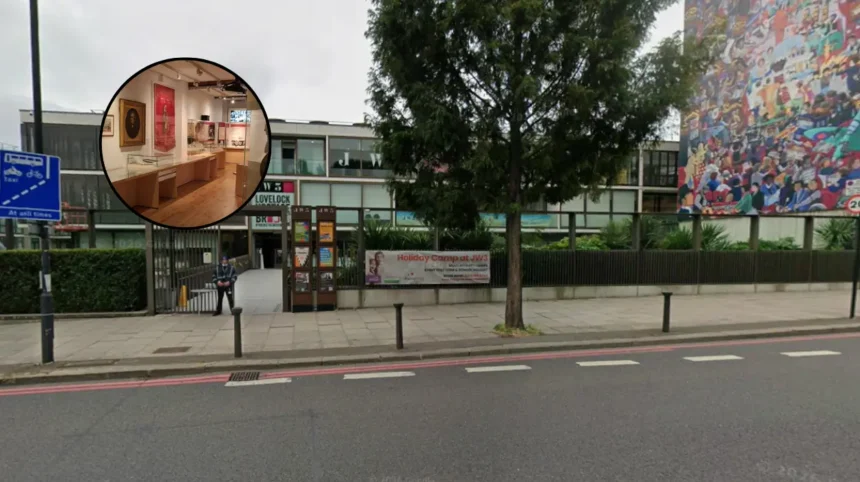
- The Jewish Museum London has opened a temporary exhibition space called Two Rooms at JW3 in North London this week.
- The museum, founded in 1932, previously moved from Bloomsbury to Camden Town before closing abruptly in 2023.
- A permanent new home is planned for 2030, while the interim space is being used as both a public programme and a test bed for future plans.
- The museum faced financial and organisational difficulties between 2019 and 2024, but has since stabilised.
- It has retained its National Portfolio Organisation status with Arts Council England.
- Charles Ross, the new chief executive, has described the current period as “a reset and a new beginning.”
- The first exhibition, Legacy: The Story of the Jewish Family who Founded J. Lyons and Fed Britain, explores the history of J. Lyons and Co and the family behind it.
- The exhibition also addresses antisemitism faced by the family, including accusations during the First World War and clashes with Mosley’s Blackshirts in the 1930s.
- The museum says the temporary venue is intended to help shape what comes next for its long-term future.
North London (North London News) June 17, 2026, has gained a new cultural stop this week as the Jewish Museum London opens Two Rooms at JW3, an interim exhibition space designed to keep the museum active while its permanent future is developed. The opening marks a notable step for an institution that has faced closure, restructuring and financial strain in recent years. The museum’s return to public-facing programming comes after a difficult period in which it shut its Camden Town site in 2023. Its new arrangement is intended to act as both an exhibition venue and a live experiment for what the museum could become next.
- Key Points
- Why does the museum say this is a reset?
- What is Two Rooms showing?
- How does the exhibition frame the Lyons family story?
- What difficult history does it include?
- Why does this opening matter for the museum’s future?
- How should readers understand the wider context?
- Background of the development
- Prediction
Why does the museum say this is a reset?
Charles Ross, the museum’s chief executive, has described the present moment as “a reset and a new beginning”, reflecting the organisation’s attempt to rebuild after years of instability.
Between 2019 and 2024, the museum faced sustained financial and organisational difficulties, according to the information available. It has since stabilised and retained its National Portfolio Organisation status with Arts Council England, which matters because that status supports its public funding position and wider cultural role.
The interim opening at JW3 suggests the museum is trying to keep its profile visible while it prepares for a more permanent relaunch.
What is Two Rooms showing?
The new space is called Two Rooms, a practical name for a compact venue that houses two separate exhibitions. The first is Legacy: The Story of the Jewish Family who Founded J. Lyons and Fed Britain, developed from Thomas Harding’s book about his family history.
The exhibition focuses on J. Lyons and Co, a company that helped shape British daily life through tea houses, Corner Houses, ice cream, the Wimpy hamburger chain, the Trocadero and the Strand Palace Hotel. It also highlights a lesser-known part of the company’s story: its work on LEO, one of the world’s earliest commercial computers.
How does the exhibition frame the Lyons family story?
As described in the museum’s own exhibition material, the Lyons family were German-Jewish immigrants who came to Britain in the nineteenth century after fleeing persecution.
They first made money in tobacco before building a business that became deeply embedded in British culture and consumer life.
The exhibition presents the company as one that became so familiar that it almost disappeared into the background of everyday Britain. It also aims to show how the family’s story sits within wider themes of migration, enterprise and identity.
What difficult history does it include?
The exhibition does not present the Lyons story as simple success narrative. It also addresses accusations that the family were “enemy aliens” during the First World War, as well as confrontation with Mosley’s Blackshirts in the 1930s.
Those episodes place antisemitism at the centre of the family’s history rather than treating it as a side note. That approach gives the exhibition a wider social context and shows how Jewish lives in Britain were shaped by both contribution and prejudice.
Why does this opening matter for the museum’s future?
The significance of the JW3 space is not only that it opens a new exhibition, but that it gives the museum a functioning public platform after a period of uncertainty.
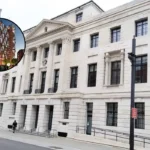
The institution was founded in 1932 at Woburn House in Bloomsbury, moved to a Georgian townhouse in Camden Town in 2010, and then closed abruptly in 2023.
A permanent home is now planned for 2030, but the interim site provides a way to maintain engagement with audiences and test ideas before that move. In practical terms, it lets the museum remain visible while its long-term identity is still being rebuilt.
How should readers understand the wider context?
The Jewish Museum’s current chapter sits within a broader pattern of heritage institutions adapting to changing finances, audience expectations and organisational pressures.
A museum that has experienced closure and recovery often needs more than a reopening date; it needs a clear reason to exist in the present.
By using a smaller, temporary venue, the museum appears to be balancing continuity with experimentation. The choice of a space at JW3 also keeps it connected to North London’s cultural geography, where Jewish history, community life and arts programming overlap.
Background of the development
The museum’s journey helps explain why this moment matters. Founded in 1932, the Jewish Museum London has moved through different homes and formats over decades, including Bloomsbury and then Camden Town.
Its abrupt closure in 2023 left questions over its future, especially after a difficult period between 2019 and 2024. The opening of Two Rooms at JW3 now represents an attempt to restore public activity while the museum works towards a permanent home planned for 2030.
Explore More Local North London News
UK Property Verdicts: Major Tower and Church Plans Face Councils Kentish Town Glasgow 2026
Major Mixed-Use Property Redevelopment Proposed for Royal College Street, Camden 2026
Prediction
For visitors, educators and the Jewish community, this development is likely to mean a steadier presence for the museum in North London, even if in a smaller form for now. The interim space may help the museum rebuild trust, test audience interest and refine exhibitions before the permanent site opens.
For schools, researchers and local audiences, the museum’s return could mean more accessible programming and a clearer sense of continuity after the 2023 closure. The main effect will depend on whether the museum can turn this temporary arrangement into sustained momentum over the next few years.