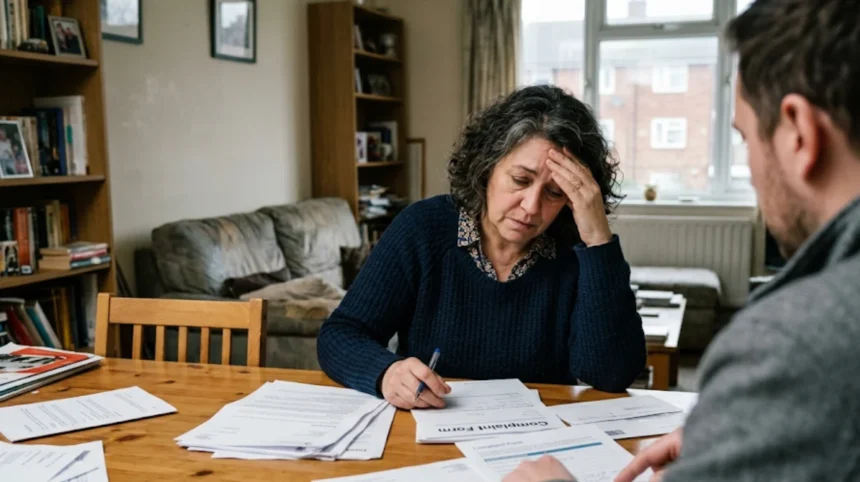
When a council marks a housing case as resolved incorrectly, the resident retains the right to escalate their complaint to the Housing Ombudsman or Local Government Ombudsman, who can order the council to reopen the case, provide a formal apology, pay financial compensation for distress and inconvenience, and implement corrective actions to fix the maladministration.
- How does a resident prove the council marked their case resolved incorrectly?
- What steps must a resident take to challenge an incorrectly closed housing case?
- What maladministration findings does the ombudsman make for incorrectly closed cases?
- What remedies does the ombudsman order when a council wrongly closes a housing case?
- What injustice does the resident suffer when the council incorrectly marks their case resolved?
- How long does it take to reopen a wrongly closed housing case through the ombudsman?
- What happens if the council refuses to reopen the case after the ombudsman orders it?
- Can the resident claim compensation for costs incurred pursuing the wrongly closed case?
- What should a North London resident do immediately after discovering their case was wrongly closed?
The council has committed maladministration that blocks the resident’s access to proper housing service, creating an injustice that requires formal remedy through the ombudsman system. When a council incorrectly closes a housing complaint, the resident cannot access the housing service they need, such as repairs, homelessness assistance, or housing allocations. This failure triggers the council’s duty to correct the error when the resident challenges it through the formal complaints process or ombudsman referral.
The Housing Ombudsman Service and Local Government and Social Care Ombudsman (LGO) both investigate these cases. The ombudsman will find maladministration if the council failed to follow its own complaints procedure, closed the case without proper investigation, or marked it resolved when the resident’s issue remained unresolved.
North London councils including Camden, Islington, Hackney, Waltham Forest, and Lewisham all operate under the same Complaint Handling Code requirements. This code mandates councils have no more than two complaint stages, with the longest complaint taking 16 weeks maximum.
How does a resident prove the council marked their case resolved incorrectly?
The resident must provide documented evidence showing their housing issue remained unresolved when the council closed the case, including timestamps, communication records, and the original complaint details. Evidence includes email chains showing the council stopped responding before the issue was fixed, photos of unresolved repairs, homelessness application records showing no offer was made, or housing register documents showing the resident’s priority status was ignored.
The resident should request the council’s full complaint file under their complaints policy. This file shows when the council logged the complaint, which stage it reached, and what decision was recorded. If the file shows the council marked “resolved” without documenting actual resolution (such as repair completion证实 or housing offer made), this proves incorrect closure.
Residents in North London can also request their complaint record through the council’s online portal. Camden Council, Islington Council, and Hackney Council all provide digital complaint tracking. The resident should screenshot the status showing “closed” or “resolved” while their property still has damp, mould, or unresolved safety issues.
The Complaint Handling Code requires councils to acknowledge complaints within five working days and send full responses within 10 working days for Stage 1, or 20 working days for Stage 2 appeals. If the council closed the case outside these timelines without proper investigation, this timeline breach proves maladministration.
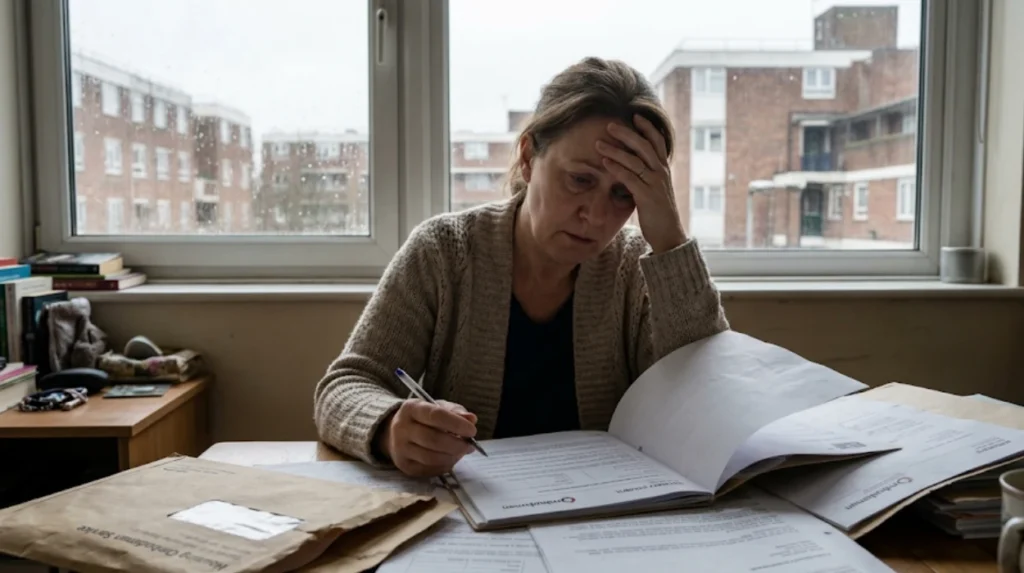
What steps must a resident take to challenge an incorrectly closed housing case?
The resident must first complete the council’s two-stage complaints process, then if still dissatisfied, refer the complaint to the Housing Ombudsman within 12 months of realizing the council made an error. Stage 1 requires submitting a formal complaint to the council using their online form, email, or written letter. The council must acknowledge within five working days and respond within 10 working days with their investigation outcome.
If Stage 1 fails or the resident remains dissatisfied, they escalate to Stage 2 by requesting an appeal review. This appeal is acknowledged within five working days and assigned to an Assistant Director or Senior Manager who reviews the disputed aspect. The council must send a final response within 20 working days.
After completing both stages, if the resident receives a final response saying “this is our final response” and remains unhappy, they can complain to the ombudsman. The resident must normally make this complaint within 12 months of realizing the council did something wrong.
The resident can contact the Housing Ombudsman by filling in an online complaints form, emailing info@housing-ombudsman.org.uk, or calling 0300 111 3000. Alternatively, they can contact the Local Government and Social Care Ombudsman for council service complaints including homelessness and housing allocations.
The resident does not need a designated person (MP or local councillor) to refer to the Housing Ombudsman anymore. From 1 October 2022, residents can go directly to the Housing Ombudsman without designated person referral.
What maladministration findings does the ombudsman make for incorrectly closed cases?
The ombudsman finds either “service failure,” “maladministration,” or “severe maladministration” depending on how badly the council failed the resident, with severe maladministration applying when the failure caused significant harm to a vulnerable resident. Service failure means the council did not meet basic service standards. Maladministration means the council acted unfairly, slowed the process, or followed incorrect procedures. Severe maladministration means the failure was so serious it caused significant distress, health impact, or prolonged housing insecurity.
In Hackney Council’s 2024 severe maladministration finding, the Housing Ombudsman found the council failed to deliver the expected service standard for housing repairs. In Waltham Forest Council’s three severe maladministration cases from January 2024, the ombudsman found severe failures in damp and mould repair handling, succession application processing, and antisocial behaviour response over five years.
Camden Council’s 2025 case (25 007 505) involved the council wrongly refusing housing register applications and failing to provide sufficient information about review rights, causing uncertainty to the resident. Islington Council’s 2024 case (24 021 231) involved homelessness decision failures.
The ombudsman’s findings directly determine remedy severity. Service failure typically requires apology and corrective action. Maladministration requires apology, corrective action, and often financial compensation. Severe maladministration requires substantial compensation (often £1,000-£18,800), apology, corrective action, and sometimes policy review or staff training orders.
What remedies does the ombudsman order when a council wrongly closes a housing case?
The ombudsman orders apology, specific action to reopen and properly resolve the case, financial compensation for distress and inconvenience, and potentially policy review or staff training to prevent repeat failures. These remedies follow the SMART framework: Specific, Measurable, Achievable, Relevant, and Time-bound.
Apology must be personal, written specifically for the resident, acknowledging the maladministration and accepting responsibility. The apology should come from a senior staff member like the chief executive or director, explaining why the failure happened and what is being done to rectify it.
Specific action requires the council to perform contractual obligations, such as completing unresolved repairs, making the housing offer that should have been made, or providing homelessness assistance. The ombudsman sets specific timescales, such as “complete repairs within 14 days” or “review housing register decision within 10 working days”.
Financial compensation falls into two categories: quantifiable financial loss (actual costs incurred) and unquantifiable financial loss (distress, inconvenience, time and trouble). For distress and inconvenience, compensation ranges exist based on severity:
- Low severity: £50-£250
- Medium severity: £250-£750
- High severity: £750-£1,500
- Very high severity: £1,500-£3,000+
In Waltham Forest’s three severe maladministration cases, the ombudsman ordered £18,800 total compensation. In Lewisham Council’s knowledge management failure case, compensation was ordered for avoidable distress. In a private housing case, the council agreed to pay £150/month for 14 months (£2,100 total) plus £500 for distress.
Policy review orders require the council to review and improve policies, procedures, or practices that gave rise to further complaints. The review order must identify the specific policy, areas for improvement, training needs, who should conduct the review, and compliance timescales.
Staff training orders apply when the council has appropriate policies but staff are not familiar with them or not applying them correctly.
What injustice does the resident suffer when the council incorrectly marks their case resolved?
The resident suffers avoidable distress, uncertainty, prolonged housing insecurity, potential health deterioration from unresolved repairs, and wasted time pursuing the complaint further. The ombudsman recognizes these impacts even when they cannot be precisely quantified financially.
In Camden Council’s case, the resident experienced “uncertainty” because the council did not explain how to seek a review of the eligibility decision. This uncertainty is a recognized injustice that warrants remedy.
In Lewisham Council’s homelessness case, the ombudsman found “This is an injustice to Miss X” because the council incorrectly decided she was not at immediate risk, despite police markers indicating danger. The injustice included avoidable distress and uncertainty from the wrongful decision.
For residents with health conditions, disabilities, or young children, the impact is more severe. The ombudsman considers aggravating factors including mental health conditions that mishandling exacerbates, residents with young children experiencing extended temporary accommodation, and residents with disabilities facing disproportionate daily impacts.
The resident also suffers “time and trouble” when poor complaint handling makes seeking resolution significantly more than reasonably expected. This includes unreasonably failed progression, repeated failure to respond to reasonable contact, or overall poor complaint handling.
How long does it take to reopen a wrongly closed housing case through the ombudsman?
The ombudsman’s investigation typically takes 12-20 weeks from complaint submission to final determination, though complex cases can extend beyond 20 weeks. The longest a complaint should take through the council’s own process is 16 weeks maximum under the Complaint Handling Code.
After the resident submits their complaint to the ombudsman, three stages occur: first look (checking information completeness), Assessment Team review (deciding if investigation is allowed), and Investigation Team Review (detailed case examination). The ombudsman tells the resident what is happening at every stage.
The ombudsman’s current waiting times vary by complaint type. Housing complaints typically move through assessment within 4-8 weeks, then investigation takes 8-12 weeks. The resident should check the ombudsman website for current waiting times as these fluctuate based on case volume.
Once the ombudsman finds maladministration and orders remedies, the council must implement orders within the specified timeframe. Apology orders typically require completion within 14 days. Specific action orders (like completing repairs) have deadlines ranging from 14-56 days depending on complexity. Compensation orders require payment within 28 days.
If the council fails to implement orders, the ombudsman monitors compliance and can escalate enforcement. The ombudsman ensures landlords implement orders they make, unlike recommendations which are not enforceable.
What happens if the council refuses to reopen the case after the ombudsman orders it?
The ombudsman enforces its orders and can take further action if the council fails to implement remedies within the specified timeframe. Orders are enforceable by the ombudsman, unlike recommendations which are not enforceable whether or not maladministration was found.
The ombudsman monitors landlord compliance with orders. If a council fails to implement an order, the ombudsman can escalate through several mechanisms: requesting progress updates, issuing compliance notices, publishing non-compliance in reports, or referring to the Secretary of State for severe cases.
In Hackney Council’s severe maladministration case, the Secretary of State for Levelling Up, Housing and Communities wrote to the Chief Executive following the Housing Ombudsman’s finding, demonstrating government-level scrutiny for serious failures.
The ombudsman sets out orders using the SMART framework to ensure both parties clearly understand what should happen and the timeframe. This includes specific deadlines and milestones for compliance.
If the council still refuses after enforcement escalation, the ombudsman may publish a special report detailing non-compliance. This public reporting creates reputational pressure and can trigger further government intervention. The ombudsman also considers whether wider systemic orders are needed to prevent similar failures at other councils.
Residents can also contact their MP if the council refuses to comply. The MP can raise the issue with the Secretary of State, who has authority over housing ombudsman matters and can exert ministerial pressure on non-compliant councils.
Explore More Help & Resources
How Long Do Road Repairs Take After Reporting Damage in North London?
Who is Liable for Vehicle Damage Caused by North London Potholes?
Can the resident claim compensation for costs incurred pursuing the wrongly closed case?
The resident can claim compensation for actual, evidenced financial loss directly caused by the maladministration, but typically cannot claim solicitor fees or professional advice costs unless exceptional circumstances exist. Quantifiable financial loss includes money due but unpaid (rent overpayments, agreed works payments), reasonably incurred costs that would not have been necessary without the maladministration (additional heating costs from failed repairs, decorating costs after inadequate make-good works).
The ombudsman will not order reimbursement for costs where the landlord had no opportunity to rectify matters first. For example, if a resident arranged their own contractor without reporting to the landlord first, reimbursement is not generally expected.
For solicitor or professional advice fees, the ombudsman expects landlords to have fair, accessible complaints processes where residents do not need professional help. Reimbursement for such fees is unlikely unless exceptional circumstances exist.
Interest on financial losses may be included if the delay exceeded six months and the payment exceeded £1,000. Interest is based on the average retail price index from the Office for National Statistics.
In the Waltham Forest severe maladministration cases, the ombudsman ordered compensation recognizing distress, inconvenience, and time/trouble alongside quantifiable losses. The total £18,800 covered multiple elements across three cases.
For loss of personal belongings (furniture damaged by damp), the ombudsman may consider evidence not available to the landlord’s insurers at the time. If maladministration was found, the ombudsman may order compensation for actual costs or recognize resulting distress and inconvenience.
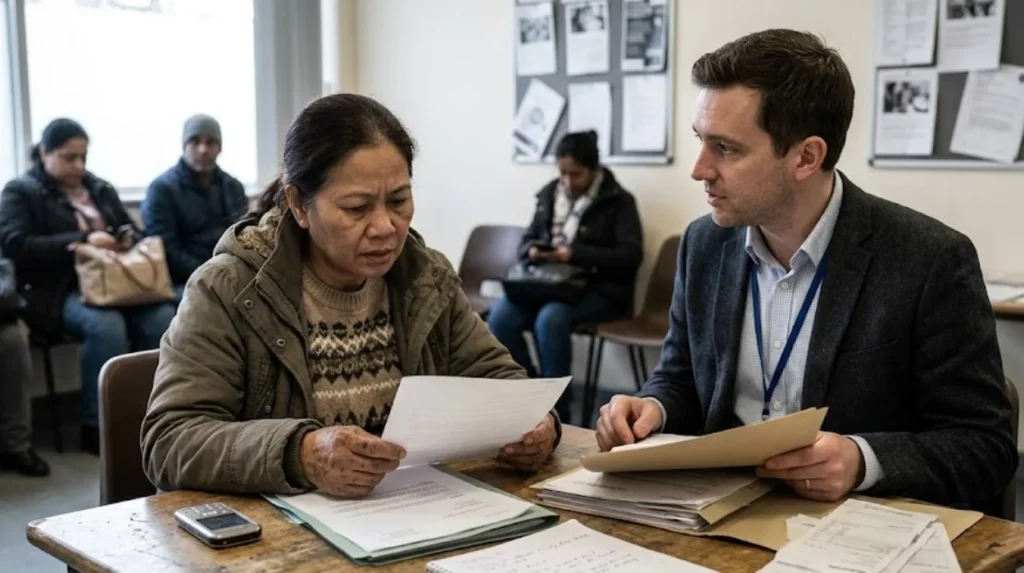
What should a North London resident do immediately after discovering their case was wrongly closed?
The resident should immediately document the unresolved issue, gather all complaint records, and submit a Stage 1 formal complaint to the council requesting case reopening and proper resolution. Time matters because the ombudsman complaint must be made within 12 months of realizing the error.
First, the resident should photograph or video the unresolved issue (damp, mould, safety hazard,未完成 repairs). They should screenshot their online complaint portal showing “closed” status while the problem persists. They should save all email correspondence showing the council stopped responding before resolution.
Second, the resident should request the council’s full complaint file under their complaints policy. This file shows the council’s internal record of when the complaint was logged, what stage it reached, and what decision was recorded. The resident should compare this against their own records.
Third, the resident submits a Stage 1 formal complaint using the council’s online form, email, or written letter. The complaint should state: “My housing case was marked resolved incorrectly on [date]. The issue remains unresolved: [describe issue]. I request the council reopen this case and properly resolve it.” The council must acknowledge within five working days.
North London residents should use their specific council’s complaint system: Camden Council (camden.gov.uk), Islington Council (islington.gov.uk), Hackney Council (hackney.gov.uk), Waltham Forest (walthamforest.gov.uk), or Lewisham Council (lewisham.gov.uk). Each council’s website has a “Make a Complaint” section for housing services.
If the resident needs assistance, they can contact Citizens Advice UK for housing complaint guidance, contact Shelter England for homelessness/housing register complaint advice, or ask their MP or local councillor to act as a designated person (though this is no longer required for Housing Ombudsman referral).
What happens when a council wrongly marks a housing case as resolved?
When a council incorrectly marks a housing case as resolved, it may amount to maladministration because the resident is denied access to the housing service they need. The resident can challenge the decision through the council’s complaints process and, if necessary, escalate the matter to the Housing Ombudsman or Local Government and Social Care Ombudsman. The ombudsman may order the council to reopen the case, issue an apology, pay compensation, and take corrective action.