Key Points
- Sarah Sackman, the Labour minister for courts and legal services and MP for Finchley and Golders Green, has called for Union flags and St George’s Crosses on public lamp-posts in her constituency to be removed.
- She said some residents had described the flags as “unsettling, intimidating and othering”.
- Sackman argued that people may fly flags on their own property, but public spaces should belong to everyone.
- She called on Barnet Council to take action over flags placed on public property without permission.
- The row centres on flags appearing across Temple Fortune and Golders Green as part of the wider Operation Raise the Colours campaign.
- The issue has triggered a wider debate about national identity, public space, and community cohesion in north London.
- Local responses reported elsewhere have included criticism from supporters of the flags and claims that some residents see them as a symbol of pride rather than intimidation.
Barnet (North London News) August 5, 2026 – Sarah Sackman has urged Barnet Council to remove Union flags and St George’s Crosses from public lamp-posts in Finchley and Golders Green after saying some constituents had objected to the displays.
Why has Sarah Sackman called for the flags to be taken down?
As reported by the Barnet Post, Sarah Sackman said the flags had been put on public lamp-posts without permission and that she had heard from residents who were unhappy about them. In her comments, she said the messages she had received described the flags as “unsettling, intimidating and othering”, and added that this was not something that should be ignored.
Her position, as reported, is that while individuals are free to display flags on private property, public areas should remain open and welcoming to all residents. She said this was particularly important in a diverse and inclusive community like Finchley and Golders Green.
Where are the flags being displayed?
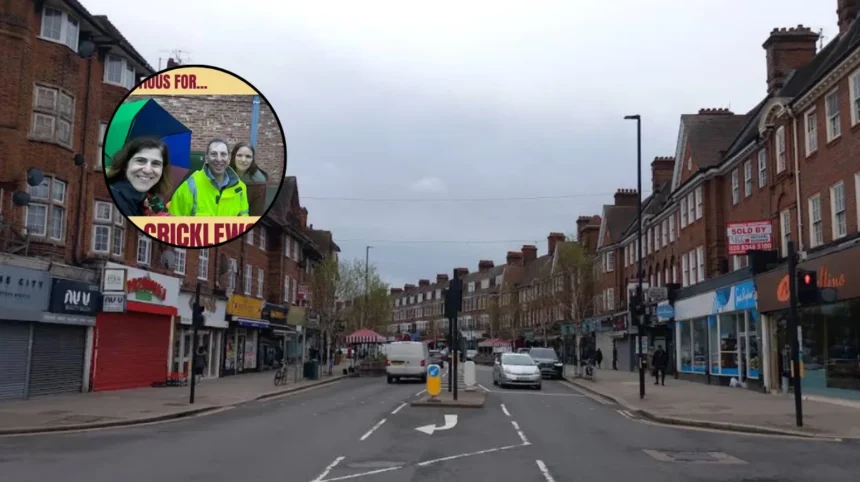
The flags have been reported on public lamp-posts in Temple Fortune and Golders Green, both areas within Barnet. Sackman said “huge numbers” of flags had appeared on public property, with some of them put up before the World Cup rather than as part of the tournament period.
The reports say the displays include both Union flags and St George’s Crosses. The campaign linked to the displays has been associated with Operation Raise the Colours, which gained traction online and has led to similar flag installations in other parts of the country.
What did Sackman say to Barnet Council?
Sackman called on Barnet Council to remove the flags from public property. She said council action was needed because the issue had become a concern for some residents and because, in her view, public streets should not be used in a way that makes members of the community feel unwelcome.
As reported by the Barnet Post, she argued that the streets should be returned to what she described as a tolerant and inclusive majority by taking the flags down. Her intervention places the council at the centre of the dispute because the displays are on public infrastructure rather than private homes.
How have the flags become a wider issue?
The dispute has become part of a broader national conversation about the use of British and English flags in public spaces. The campaign behind many of the displays has drawn attention on social media and has been linked to debates about patriotism, immigration, and community identity.
In Barnet, the issue has become locally sensitive because it involves a minister and MP speaking about her own constituency. That has made the row more than a simple council matter, turning it into a political and cultural argument over what the flags mean and who decides how public space is used.
What is the background to this development?
The immediate background is the growing visibility of Union flags and St George’s Crosses on lamp-posts and other public fixtures in parts of England. Supporters of the displays often present them as expressions of national pride, while critics say they can be used in ways that make some residents feel excluded or pressured.
In Finchley and Golders Green, Sackman’s comments suggest that the issue has divided opinion within the constituency. The reports indicate that some residents have complained about the flags, while others see them as a legitimate display of identity and belonging.
Explore More Barnet News
Barnet Food Waste Collection Tops 100 Tonnes Weekly 2026
Summer Heatwave Dries Barnet Ponds and Streams 2026
What is the likely prediction for residents?
If Barnet Council acts on Sackman’s call, residents may see the flags removed from public lamp-posts, which could calm some complaints but also deepen disagreement among those who support the displays. If the council does not intervene, the flags are likely to remain a visible source of debate in the area.
For local residents, the development may affect how public space is perceived and used, especially in areas where community identity is already politically sensitive. It could also encourage further discussion in other councils facing similar flag-related disputes.