Planning a low-cost trip to Barnet is straightforward when accommodation, transport, food and activities are organised around free attractions, public spaces and pay-as-you-go travel. Barnet offers museums, historic sites, parks, walking routes and cultural venues that support affordable short breaks.
- What makes Barnet a good destination for a low-cost trip?
- How should you set a realistic Barnet travel budget?
- Which free attractions should you include in a cheap Barnet itinerary?
- How can you use Barnet’s parks to reduce activity costs?
- How can you travel around Barnet without overspending?
- Can Railcards make a Barnet trip cheaper?
- Where can you stay in Barnet while keeping accommodation costs down?
- How can you reduce food costs during a Barnet trip?
- Which paid attractions deserve space in a low-cost itinerary?
- How can you explore Barnet’s history without increasing your budget?
- How can you plan a one-day low-cost Barnet itinerary?
- How can families keep a Barnet trip affordable?
- How can digital nomads and business travellers reduce Barnet trip costs?
- How can you avoid hidden costs on a Barnet trip?
- When is the cheapest time to visit Barnet?
- What is the best strategy for planning a low-cost Barnet trip?
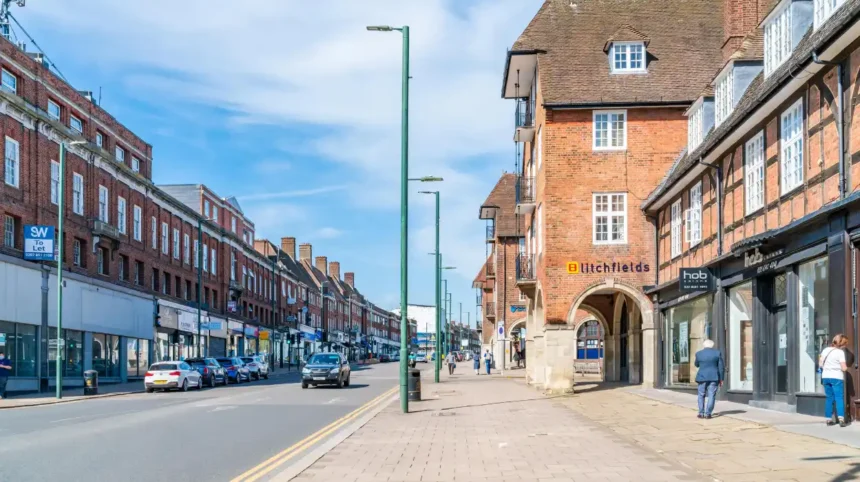
Barnet is a large North London area with a distinct combination of urban neighbourhoods, historic settlements, green spaces and transport connections. For budget-conscious visitors, this variety is useful because a trip does not need to rely on expensive attractions or long-distance travel.
The borough includes High Barnet, East Barnet, New Barnet, Finchley, Mill Hill, Hendon, Colindale, Edgware and other neighbourhoods. Each area has different accommodation, transport and leisure options. Planning around one neighbourhood at a time reduces unnecessary journeys and keeps daily spending predictable.
A low-cost Barnet trip works best when the visitor separates essential spending from optional spending. Transport and accommodation are normally the largest fixed costs. Food and paid attractions then determine how quickly the daily budget increases.
Barnet also benefits from London’s integrated public transport system. Transport for London states that pay-as-you-go travel using contactless or Oyster is available across its network, with caps applying within London zones.
This means visitors can build an itinerary around walking, buses and Underground services rather than depending on taxis or private vehicles.
What makes Barnet a good destination for a low-cost trip?
Barnet suits budget travel because it combines free museums, extensive parks, walking opportunities and accessible public transport with paid attractions that can be selected selectively. Visitors can therefore create full days without purchasing tickets for every activity.
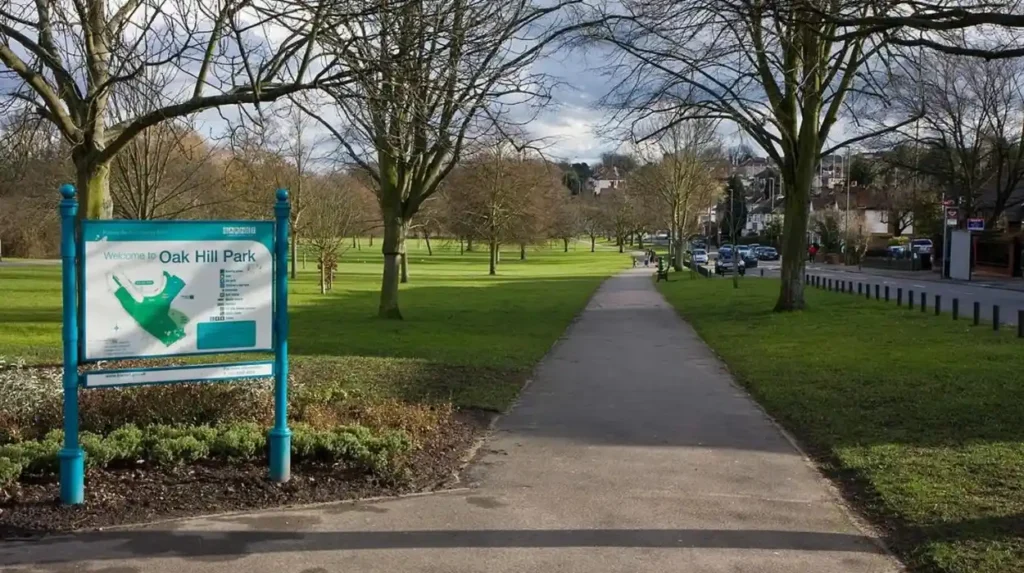
Barnet’s strongest budget advantage is the number of activities that do not require an admission ticket. Barnet Council describes a broad collection of parks and open spaces, including formal parks, wild landscapes, green-belt areas and leafy river valleys.
The borough’s official parks directory lists 160 parks and open spaces, including Barnet Gate Wood, Barnet Hill open space, Bethune Nature Reserve, Mill Hill Park, Sunny Hill Park, Totteridge Fields and Woodcroft Park.
These spaces provide opportunities for walking, photography, picnics and outdoor recreation without attraction admission charges.
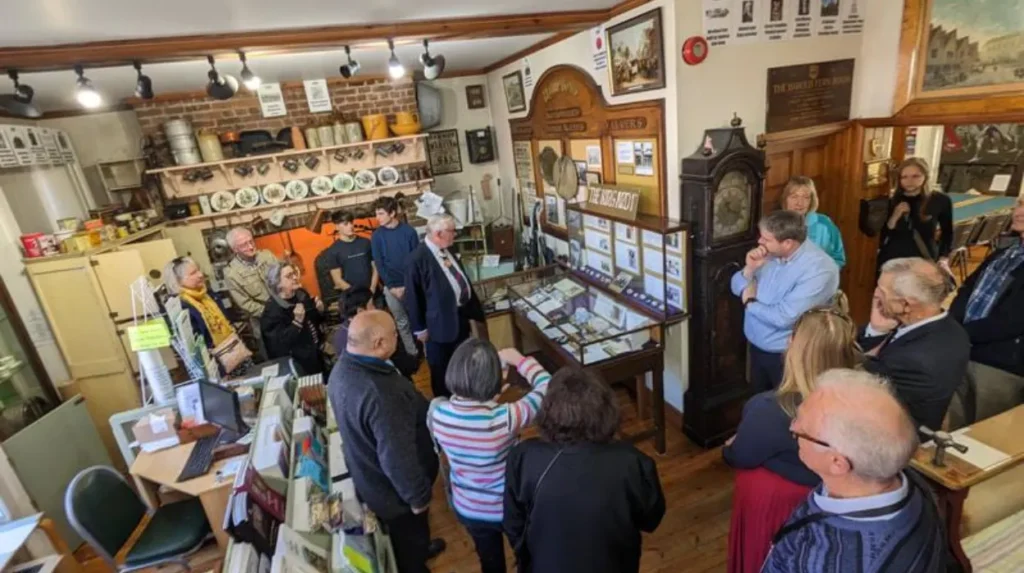
Barnet also has cultural attractions that can be visited for free. Barnet Museum is a free local-history museum in Chipping Barnet. Its collection covers the history of Chipping Barnet, East Barnet, New Barnet, Hadley and surrounding districts.
The Royal Air Force Museum London in Colindale also provides free general admission. The museum has six aircraft hangars and displays covering more than a century of RAF history.
A budget visitor can therefore combine free heritage, outdoor recreation and local exploration before considering paid experiences.
How should you set a realistic Barnet travel budget?
Start by separating accommodation, transport, food and activities into individual spending limits. Reserve money for essential costs first, then allocate the remaining amount to attractions, meals and optional purchases according to your priorities.
A practical budget begins with the number of nights and the number of people travelling. A solo visitor has different costs from a family sharing accommodation. A day visitor also has a substantially different budget from someone staying for three nights.
Accommodation should be treated as the largest variable. Compare the total cost rather than the advertised nightly rate. A cheaper room located far from transport can create additional daily travel costs.
Transport should be calculated according to the areas included in the itinerary. TfL’s Single Fare Finder allows travellers to check the cost of individual journeys between stations, while pay-as-you-go systems calculate fares as journeys are made.
Food requires a separate daily allowance. Breakfast can be included with accommodation, prepared in a self-catering property or purchased from a supermarket. Lunch can be based around a picnic when visiting parks. Dinner can then become the main paid meal.
Attractions should receive the final part of the budget. This approach prevents an expensive ticket from reducing money needed for transport or accommodation.
A useful budget calculation is:
Total trip budget = accommodation + transport + food + attraction tickets + contingency.
The contingency is important because small expenses include drinks, lockers, additional transport, parking and unexpected purchases.
Which free attractions should you include in a cheap Barnet itinerary?
Barnet Museum, the Royal Air Force Museum London and the borough’s parks provide strong free options for budget travellers. These attractions cover local history, aviation, outdoor recreation and photography without requiring standard admission charges.
Barnet Museum is particularly suitable for visitors interested in local history. The museum opened in March 1938 and occupies an early Georgian house in Chipping Barnet. Its collection contains hundreds of artefacts dating from the Bronze Age to the present.
Admission is free. The museum currently lists opening periods on Tuesday, Wednesday, Thursday, Saturday and Sunday, although visitors should check its official opening information before travelling.
The Royal Air Force Museum London is another major free attraction. It is located on Grahame Park Way in NW9 and is open daily according to its current visitor information. General museum admission is free, although some special experiences carry separate charges.
This distinction matters when planning a low-cost visit. A visitor can enjoy the main museum without paying for optional experiences.
Barnet’s parks provide another category of free activity. Visitors can walk through Mill Hill Park, explore Barnet Hill open space, visit Sunny Hill Park or build a route around Totteridge Fields.
The official council directory makes it possible to identify parks by location and facilities. This helps visitors choose an outdoor site close to their accommodation instead of paying for additional transport.
How can you use Barnet’s parks to reduce activity costs?
Use Barnet’s parks as the foundation of each low-cost day. Walking, picnicking, photography and outdoor exercise require little spending, while choosing parks near transport links reduces both admission costs and unnecessary local journeys.
Barnet’s green spaces are particularly valuable for visitors staying several days. Repeating paid attractions quickly increases costs, while outdoor activities can fill substantial parts of an itinerary without admission fees.
A morning walk can be combined with a supermarket breakfast or packed lunch. A park visit can then be followed by a free museum or local high street exploration.
Barnet Council identifies walking, cycling, rambling and park-based recreation as forms of active travel and active recreation. The council also promotes heritage walks and health walks across the borough.
This makes walking more than a transport alternative. It can become part of the sightseeing programme.
Photography is another inexpensive activity. Historic streets, open landscapes, churches, conservation areas and public gardens provide varied subjects without ticket costs.
Visitors should check park opening information before setting out, particularly when travelling early or late in the day.
How can you travel around Barnet without overspending?
Use walking for short journeys and TfL pay-as-you-go services for longer journeys. Contactless or Oyster payment avoids unnecessary paper-ticket purchases, while checking fares and daily caps helps control transport spending across London.
Barnet is served by Underground, National Rail, bus and other public transport connections. The best option depends on the neighbourhood and itinerary.
High Barnet is served by the Northern line. Finchley and nearby districts have Underground connections, while Mill Hill has Thameslink services. Colindale is also connected to the Northern line.
Bus travel is useful for shorter cross-borough journeys that do not require an Underground interchange.
TfL confirms that pay-as-you-go travel can be made using contactless payment or Oyster. Its system applies caps within London’s zones, limiting the amount paid when enough eligible travel is made during the relevant period.
Visitors should avoid paying separately for journeys when a cheaper integrated fare arrangement applies.
Walking between nearby attractions is another important saving. For example, visitors exploring central High Barnet can combine the museum, high street, local heritage sites and nearby outdoor spaces rather than repeatedly boarding buses.
Car travel also introduces parking costs and fuel expenses. The Royal Air Force Museum illustrates this difference: its museum admission is free, but its current parking charges apply to visitors using the car park.
For a low-cost trip, public transport can therefore be more economical than driving.
Can Railcards make a Barnet trip cheaper?
Railcards reduce eligible National Rail fares and are especially useful when Barnet forms part of a wider UK trip. Eligible travellers receive one-third off many rail fares, subject to the Railcard’s rules and journey conditions.
Railcards are most useful when the journey to Barnet involves National Rail services rather than only London Underground or buses.
The official Railcard service states that Railcard holders receive one-third off eligible rail travel. Different Railcards apply to different age groups and circumstances.
Visitors should calculate whether the Railcard cost is recovered through the planned journeys. A Railcard becomes more valuable when the visitor is making multiple qualifying train trips.
For example, someone travelling into London from another part of England and then returning home can compare the discounted fare against the Railcard purchase price.
Railcards do not automatically reduce every form of London transport. Visitors should check the applicable fare conditions before assuming that a discount applies to an Underground, bus or other journey.
For short local trips inside Barnet, walking, bus travel and pay-as-you-go fares are often simpler.
Where can you stay in Barnet while keeping accommodation costs down?
Choose accommodation close to the transport and activities you actually plan to use. A slightly higher room rate near a station can produce a lower overall trip cost when it reduces daily transport, taxi and time expenses.
Accommodation choice should be based on total trip expenditure rather than room price alone.
High Barnet provides access to the Northern line and a town-centre environment. New Barnet provides National Rail connections. Finchley, Hendon, Colindale and Mill Hill offer different combinations of Underground, rail and bus services.
The correct location depends on the itinerary.
A visitor focused on Barnet Museum and local heritage should consider accommodation with convenient access to High Barnet. Someone planning to visit the Royal Air Force Museum should prioritise access to Colindale and the museum’s surrounding transport connections.
Travellers should also compare hotels, guesthouses, serviced accommodation and self-catering properties. A self-catering option can reduce restaurant spending, particularly for families and longer stays.
When comparing properties, calculate:
Room price + transport to attractions + meals + parking, if required.
This calculation produces a more useful comparison than the room rate alone.
How can you reduce food costs during a Barnet trip?
Control food spending by combining supermarket purchases, packed lunches, affordable cafés and one planned restaurant meal. Self-catering accommodation can reduce costs further because breakfast, snacks and simple evening meals can be prepared without restaurant charges.
Food costs become difficult to control when meals are purchased spontaneously throughout the day.
A better approach is to decide the main meal pattern before travelling. Breakfast can be eaten at the accommodation. Lunch can be packed for a park visit. Dinner can be purchased locally.
Supermarkets are useful for water, fruit, sandwiches and snacks. This reduces the need to purchase drinks and food at attractions.
Picnics work particularly well with Barnet’s parks and open spaces. Visitors can combine a low-cost lunch with walking or photography.
Cafés also provide a practical option for visitors who need somewhere to sit, work or plan the next part of the journey. Digital nomads can combine food spending with several hours of work instead of paying for separate workspace.
Food spending should still allow for local businesses. A low-cost trip does not require eliminating every paid meal. It requires deciding where paid meals deliver the most value within the available budget.
Which paid attractions deserve space in a low-cost itinerary?
Choose one or two paid attractions that directly match your interests rather than purchasing multiple tickets. Barnet has several paid leisure and cultural experiences, so selective spending preserves the overall budget while maintaining variety.
Visit London’s Barnet guide lists attractions including Belmont Children’s Farm, Go Ape Cockfosters, Artsdepot, Phoenix Cinema and Stephens House and Gardens alongside Barnet Museum and the Royal Air Force Museum.
The important budget principle is selection.
For families, a paid farm or activity attraction can become the main expenditure of the day. For culture-focused visitors, a theatre or cinema experience can provide the principal paid activity.
Go Ape Cockfosters is listed by Visit London as a paid attraction, while Barnet Museum and the RAF Museum provide free alternatives.
Stephens House and Gardens provide another example. The gardens and arboretum are open to the public free of charge according to the venue, although access to the house itself is not general public admission.
This illustrates why visitors should distinguish between free grounds and paid activities when calculating an itinerary.
A sensible budget itinerary therefore contains a mixture of free and paid experiences rather than treating every attraction as an essential purchase.
How can you explore Barnet’s history without increasing your budget?
Barnet’s history can be explored through free museums, public heritage sites, walking routes and historic landscapes. The Battle of Barnet, coaching history and suburban railway development provide important context for understanding the borough without requiring an expensive guided tour.
Barnet has a long history shaped by transport, commerce and conflict.
The Battle of Barnet took place on 14 April 1471 during the Wars of the Roses. Barnet Council identifies the battlefield as an important historic site, with the surrounding area protected as London’s only registered battlefield site.
The town later developed as an important coaching stop. Barnet Council records that the High Road became a turnpike in 1712 and that Barnet had 25 coaching inns by 1756.
Railway development changed the area’s growth pattern. Barnet Station opened in 1850, while High Barnet and Totteridge and Whetstone stations followed in 1872. Later Underground development encouraged further suburban expansion.
This history remains visible in the modern landscape.
As you explore the modern town, you are crossing land with a deep heritage. Read about the full to understand its origins.
A self-guided history walk can therefore replace a paid tour. Visitors can combine historical landmarks with free museum admission and walking routes.
How can you plan a one-day low-cost Barnet itinerary?
A one-day budget itinerary should concentrate activities within one part of Barnet. Combine a free museum, walking route, park visit and affordable meal so that transport costs remain low and most sightseeing takes place without admission charges.
Start in High Barnet if local history is the priority.
Begin with Barnet Museum during its opening period. Because its current hours are limited, confirm the schedule before travelling. Admission is free.
Continue through the surrounding streets and explore local heritage features on foot.
Take a packed lunch to a nearby park or open space. Barnet Council’s parks directory provides current information about locations and facilities.
Spend the afternoon walking rather than adding another ticketed attraction.
For a Colindale-focused day, replace the museum with the Royal Air Force Museum. General entry is free, and the museum is open daily according to its current information.
Visitors can then use local public transport for a second short stop or finish the day with an inexpensive meal.
The central principle is geographical concentration. One neighbourhood per day reduces transport expenditure and creates more time for walking.
How can families keep a Barnet trip affordable?
Families can reduce costs by prioritising free museums, parks and outdoor activities, preparing some food in advance and selecting one paid attraction as the day’s main expenditure. Child travel arrangements should also be checked before each journey.
Families benefit from Barnet’s combination of outdoor spaces and museums.
The RAF Museum is particularly useful because general admission is free and the collection contains large aircraft and aviation displays.
Barnet Museum also provides free admission and children’s quizzes, according to its visitor information.
Parks provide additional space for children to play without activity-ticket costs. Barnet Council also highlights the borough’s playgrounds, sports facilities, outdoor gyms and active recreation opportunities.
Transport costs should be planned around the family’s ages and travel arrangements. TfL’s fare information provides specific rules for children, including free travel arrangements for eligible younger children travelling with an adult using pay-as-you-go or a valid ticket.
Families should check the latest conditions before travelling because eligibility and fare rules can change.
How can digital nomads and business travellers reduce Barnet trip costs?
Digital nomads and business travellers can combine sightseeing with work by choosing accommodation near transport, using cafés selectively and scheduling free attractions around working hours. This reduces separate leisure expenses while preserving convenient access to London business districts.
Barnet works for short business stays because several neighbourhoods provide transport connections towards central London.
A visitor with daytime commitments can schedule free activities in the morning or evening. Parks provide outdoor breaks, while museums provide structured cultural visits when opening hours match the working schedule.
Cafés can also support short work sessions, although visitors should consider purchase expectations and seating availability.
Accommodation with reliable Wi-Fi and a suitable workspace can eliminate the need for separate coworking costs.
Transport planning is particularly important for business travellers. TfL pay-as-you-go allows journeys to be charged according to actual use, while applicable caps help manage repeated travel within the network.
The key saving is to avoid unnecessary movement. A business traveller working near one transport corridor should select accommodation on that corridor rather than crossing Barnet repeatedly.
How can you avoid hidden costs on a Barnet trip?
Avoid hidden costs by checking attraction admission, parking, transport fares, booking conditions, food prices and opening hours before departure. Free entry does not always mean every associated service is free, so separate admission from optional experiences and parking.
The Royal Air Force Museum demonstrates this clearly. General museum admission is free, but current car-parking charges apply to visitors using its car park.
Stephens House and Gardens also requires visitors to distinguish between the free gardens and the restricted access to the house.
Transport can create additional costs when visitors travel outside their planned zones or use services that are not included in a particular fare arrangement. TfL advises travellers to ensure their pay-as-you-go coverage includes the complete journey.
Opening times are another potential source of wasted expenditure. Arriving at a museum outside its opening hours can result in an unnecessary journey.
The simplest solution is to check official information shortly before travelling.
Explore More Area Guide
What to Pack for a Barnet Trip: Seasonal Guide
How Much Does a Day in Barnet Cost? North London 2026
When is the cheapest time to visit Barnet?
The cheapest time depends mainly on accommodation availability, transport demand and attraction schedules rather than one universally cheapest date. Weekday travel and advance planning provide useful opportunities to reduce costs, especially outside major London event periods.
Accommodation prices fluctuate according to demand, so visitors should compare several dates when their schedule allows.
Transport costs also depend on the journey, time and payment method. TfL notes that fares can vary according to route, direction, time and day.
Attractions can have different opening patterns. Barnet Museum, for example, has limited weekly opening hours, so the cheapest theoretical travel date is not useful if it prevents the intended visit.
A practical approach is to select the attractions first and then choose travel dates that fit their opening schedules.
For families, school holidays can also affect accommodation and attraction demand. Booking further ahead gives travellers more opportunities to compare options.
What is the best strategy for planning a low-cost Barnet trip?
The best strategy is to build each day around free attractions and walking, use public transport only when necessary, choose accommodation near planned activities, prepare some meals and reserve the budget for one or two carefully selected paid experiences.
A successful low-cost Barnet trip is based on coordination rather than simply choosing the cheapest individual option.
Start by selecting the neighbourhoods you want to explore. Then identify free attractions and parks in each area. After that, add one paid experience if it fits the budget.
Next, choose accommodation near the transport routes serving those areas. Calculate transport costs using current TfL information rather than estimating from distance alone.
Plan food around supermarket purchases, packed lunches and selected meals out.
Finally, check attraction opening hours and optional charges before departure.
Barnet’s official visitor and council information provides a strong starting point for planning. Visit London lists Barnet attractions and activities, while Barnet Council provides information about parks, heritage and cultural facilities.
The result is a trip where the majority of the itinerary comes from free or low-cost experiences. Paid attractions then become deliberate choices rather than unavoidable expenses.
Barnet’s combination of historic sites, free museums, parks and public transport makes this approach practical. The borough can support a short day trip, a family weekend, a business stopover or a longer North London visit without requiring a high daily activity budget.
How can I plan a low-cost trip to Barnet?
Plan your Barnet trip around free attractions, parks, walking routes and public transport. Choose accommodation near your planned activities, prepare some meals yourself and select only one or two paid attractions.