Key Points
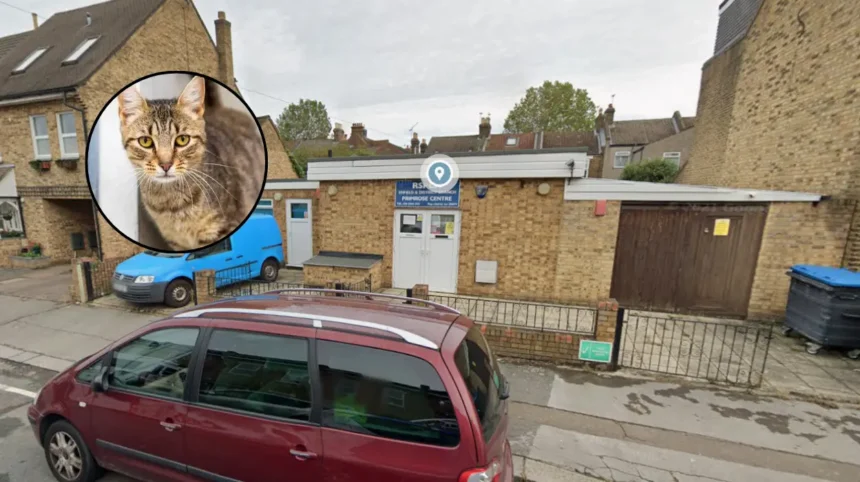
- There is an adoption center at the RSPCA Friern Barnet which has issued an appeal for adopting two domestic shorthair cross cats named Hibiscus and Carla.
- Both the cats are female and are estimated to be about two years old, having come out of a difficult physical experience while staying at the RSPCA.
- Hibiscus was admitted to the shelter in the month of January as a skinny cat suffering from loss of fur while Carla had been admitted in March after giving birth to kittens while suffering from a skin disease.
- Adopters should fulfill certain conditions such as handling the medical diet and medications of Carla or providing a patient environment to Hibiscus.
Barnet (North London News) September 7, 2026 – Two rescue cats residing at the RSPCA Friern Barnet Adoption Centre are currently the focus of a special rehoming appeal after undergoing extensive care and rehabilitation. Animal care staff at the North London facility have issued a public request to help secure permanent homes for the domestic shorthair cross felines, named Hibiscus and Carla, both of whom are believed to be roughly two years of age.
- Key Points
- What is the Current Rehabilitation and Rehoming Status of Hibiscus?
- What Special Care Requirements Does Carla Need in Her New Home?
- How Can Prospective Owners Apply to Adopt from RSPCA Friern Barnet?
- Background of Feline Rescue and Rehoming Operations in Barnet
- Forecast Impact on Local Animal Welfare and Prospective Adopters
What is the Current Rehabilitation and Rehoming Status of Hibiscus?
Hibiscus was first admitted into the care of the RSPCA in January after being discovered as an underweight stray displaying noticeable fur loss. Following several months of specialised veterinary care and placement within a foster home, animal welfare staff confirmed that she has made a full physical recovery.
As reported by the Barnet Times editorial team, Georgina Holding, Rehoming Supervisor at the RSPCA Friern Barnet Adoption Centre, stated that:
“Like the flower she is named after, Hibiscus just needs a little room to bloom. She has come on leaps and bounds while being cared for by a fosterer, but we’d really love to see her find a home of her own where she can continue to thrive.”
Care staff at the adoption centre describe Hibiscus as a playful, sweet-natured cat who displays high energy levels, frequently experiencing the ‘zoomies’ and bringing her favourite toys to human carers. The centre has specified that Hibiscus requires an experienced feline owner who understands her independent character and is prepared to provide sufficient time and space for her to settle into a new environment.
What Special Care Requirements Does Carla Need in Her New Home?
Carla arrived at the Friern Barnet centre in March under challenging circumstances, having been found suffering from a painful skin condition whilst simultaneously nursing a litter of kittens. RSPCA personnel confirmed that her kittens have since matured and been cared for, allowing the focus to shift entirely to Carla’s adoption prospects.
As reported by the Barnet Times editorial team, Georgina Holding, Rehoming Supervisor at the centre, stated that:
“Carla is such a sweet girl with so much love to give. She can be a little shy at first, but once she feels comfortable, she really blossoms. She loves attention and affection but also has a lovely playful side. After everything she has been through, we would love to see Carla find the loving home she deserves.”
The RSPCA noted that Carla is seeking a calm and affectionate household capable of allowing her to adjust at her own speed. Due to her medical history, Carla’s skin condition currently requires ongoing maintenance, consisting of a daily veterinary diet and prescribed medication, which her prospective adopters will be required to maintain.
How Can Prospective Owners Apply to Adopt from RSPCA Friern Barnet?
Members of the public interested in offering a permanent home to Hibiscus, Carla, or other animals residing at the Friern Barnet facility are instructed to submit an application through official channels. The RSPCA requires all potential adopters to complete a formal interest form available on the charity’s main ‘Find A Pet’ website.
Background of Feline Rescue and Rehoming Operations in Barnet
The RSPCA Friern Barnet Adoption Centre functions as a key facility for animal rescue, rehabilitation, and rehoming within the London Borough of Barnet and surrounding North London areas. Operating in conjunction with foster networks and veterinary specialists, the centre manages stray, abandoned, or surrendered animals, providing medical treatment, neutering, microchipping, and behavioural assessments prior to public rehoming. Domestic shorthair cross breeds represent a significant portion of stray intakes across urban centres in the United Kingdom, where local branches frequently rely on foster placements to assist in domestic socialisation before permanent adoption.
Explore More Barnet News
Plans Submitted for 767 Homes Around Edgware Railway Hotel 2026
Teacher Banned Over Crystal Meth at Dwight School in Barnet 2026
Forecast Impact on Local Animal Welfare and Prospective Adopters
This development directly affects prospective pet owners, animal welfare advocates, and the broader North London community.
- For Prospective Adopters: Successful rehoming of cats with specific medical or behavioural profiles—such as Carla’s ongoing dermatological treatment or Hibiscus’s need for an experienced handler—highlights the shifting responsibilities for pet owners. Adopters will need to budget for specialized veterinary diets and ongoing medication, reflecting the long-term financial commitment required for rescued animals.
- For Local Rescue Operations: Securing permanent placements for long-term or medically managed residents frees up critical shelter space, foster capacity, and veterinary resources at the Friern Barnet facility. This enables the branch to accept new stray or neglected intakes across the borough.
- For the Community: Public appeals of this nature increase community awareness regarding stray animal populations and the importance of routine veterinary care, spaying/neutering, and responsible pet ownership in urban environments.