Finchley is known for its long history, distinctive neighbourhood centres, green spaces, historic buildings, strong transport connections and established suburban identity in North London. The area combines Church End, Finchley Central, East Finchley, North Finchley and West Finchley with shopping streets, parks, heritage sites and community facilities.
- What is Finchley best known for?
- How old is Finchley and what is its history?
- What are Finchley’s main neighbourhoods?
- Why is Finchley Common historically important?
- Which historic buildings is Finchley known for?
- What is Finchley known for in terms of parks and green spaces?
- Why is Finchley important for transport?
- What shopping and local amenities is Finchley known for?
- What cultural connections is Finchley known for?
- What industries shaped Finchley’s development?
- Is Finchley a good place to visit for history and local exploration?
- What makes Finchley distinctive today?
Located within the London Borough of Barnet, Finchley developed from a largely rural settlement into an important North London suburb. Its identity is closely connected with Finchley Common, historic roads to the north of London, the Northern Line, Victorian and Edwardian suburban growth, and local figures such as Henry Stephens and Peter Sellers.
What is Finchley best known for?
Finchley is best known for its historic common, established suburban neighbourhoods, Northern Line stations, independent shops, green spaces, Avenue House, Stephens House, St Mary-at-Finchley Church and strong connections with North London’s transport and cultural history.
Finchley occupies an important position between central North London and the outer northern suburbs. The modern area contains established residential streets alongside commercial centres such as Finchley Central, East Finchley and North Finchley.
Its history extends back to the medieval period. Barnet Council records Finchley as a Saxon place name with its earliest recorded use dating from the 13th century. The ending “ley” indicates an opening in woodland, while “Finch” is associated either with the bird or with a person named Finch.
Finchley is also associated with the former Finchley Common. The common once covered a large area between Finchley, Friern Barnet and Muswell Hill. At its greatest extent, it covered more than 1,240 acres. It became particularly notorious during the 18th century because highwaymen attacked travellers using the Great North Road.
The modern identity of Finchley is less rural but retains evidence of this earlier landscape. Wooded areas, parks, conservation areas, historic roads and surviving buildings connect the contemporary suburb with its agricultural and woodland past.
How old is Finchley and what is its history?
Finchley has medieval and earlier roots, with settlement developing around woodland, Church End and Finchley Common before transport improvements transformed it into a suburban district during the 19th and early 20th centuries.
Finchley was part of the lands belonging to the Bishop of London by the time of the Domesday survey in 1086. Domesday Book was the major survey of landholding commissioned by William the Conqueror after the Norman conquest of England.
The early economy depended heavily on woodland. Local inhabitants used the surrounding trees for fuel and kept pigs in the woodland. Farming became more established towards the end of the Norman period.
By the 13th century, settlements had formed around Church End. St Mary-at-Finchley developed as a significant local church, with its history documented from the 1270s. The existing church contains fabric from later medieval periods, including elements associated with the reign of Henry VII.
Finchley Common became an important feature of the landscape. The woodland was gradually cleared, creating open common land. Local people exercised rights connected with grazing and collecting wood.
The common later gained a reputation for highway robbery. Its position along routes leading north from London made it a significant passage for travellers, merchants and coaches.
The enclosure of Finchley Common in 1816 helped accelerate development. North Finchley expanded during the following decades, while improved roads, coaches, railways and trams encouraged residential growth.
This transition from rural land to suburb explains much of Finchley’s present character. Historic streets sit beside Victorian terraces, later suburban housing, commercial centres and modern transport infrastructure.
As you explore the modern neighbourhood, you are crossing land with a deep heritage. Read about the full to understand its origins.
What are Finchley’s main neighbourhoods?
Finchley is generally understood through neighbourhoods such as East Finchley, Finchley Central, North Finchley, West Finchley and Church End, each with its own streets, commercial areas, transport links, historic landmarks and residential character.
Finchley does not function as a single uniform town centre. Its identity is distributed across several established neighbourhoods.
Finchley Central
Finchley Central is one of the area’s main commercial and transport hubs. Finchley Central Underground station provides direct Northern Line connections towards central London and northern London destinations.
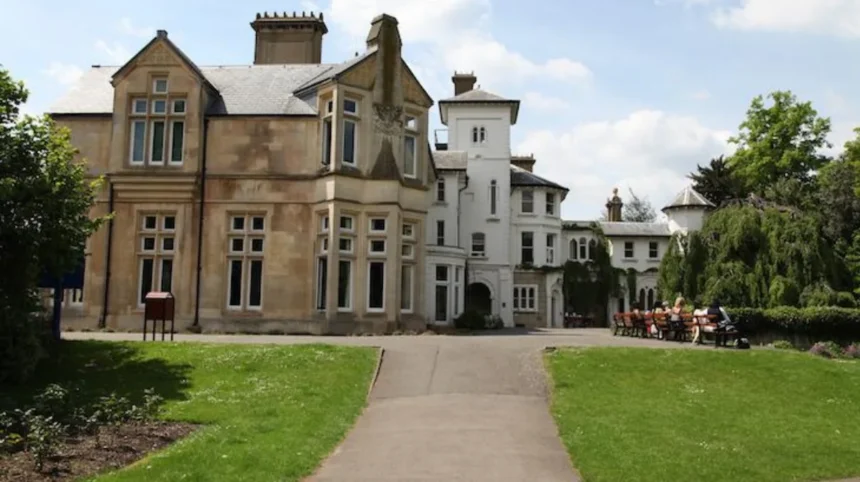
Barnet Council describes Finchley Central as an area combining historic character, culture and recreation. The town centre contains independent shops and restaurants, Finchley Central Library, Stephens House and Garden and Victoria Park. The retail space covers more than 33,410 square metres.
East Finchley
East Finchley lies along the High Road and is known for its historic commercial street, independent businesses, residential streets and cultural landmarks.
East Finchley Underground station forms an important transport connection. The station originally opened in 1868 as East End Finchley before adopting the East Finchley name in 1886.
The area is also associated with the Phoenix Cinema, a long-established independent cinema with origins connected to early 20th-century cinema development.
North Finchley
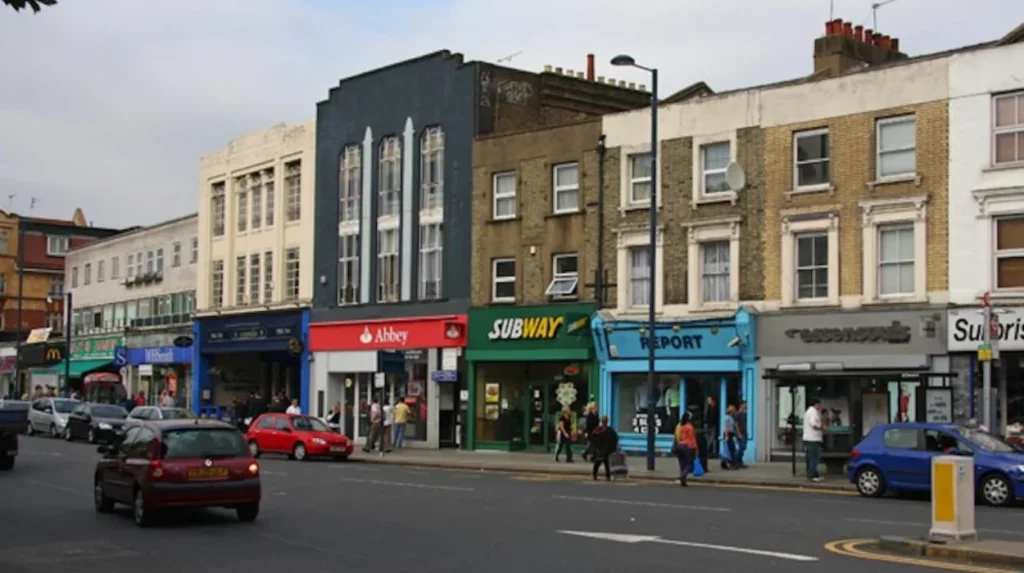
North Finchley developed rapidly after the enclosure of Finchley Common. The area was historically known as North End, and the modern High Road became an important commercial route.
Tally Ho Corner became associated with coach transport during the 19th century. The Tally Ho Coach Company kept 16 horses near the junction during the 1820s and 1830s.
North Finchley later developed into a substantial retail and entertainment centre. Trams and motorbus services helped establish the High Road as a major local commercial district.
West Finchley
West Finchley is primarily associated with residential streets and access to local parks and transport. West Finchley Underground station provides Northern Line services, while nearby streets connect the neighbourhood with North Finchley, Finchley Central and other parts of Barnet.
Church End
Church End represents one of Finchley’s oldest settlement areas. St Mary-at-Finchley Church and the historic roads around Hendon Lane provide important evidence of the area’s earlier development.
Why is Finchley Common historically important?
Finchley Common was historically important because it formed a large open landscape north of London, supported grazing and woodland use, served major travel routes and became notorious for highway robbery before enclosure transformed the land during the 19th century.
Finchley Common is central to understanding Finchley’s historical identity.
The common developed from earlier woodland controlled by the Bishop of London. During the 15th century, local people claimed rights to collect wood and graze animals. In the 16th century, much of the woodland was cleared, creating open common land.
The landscape extended across parts of what are now Finchley, Barnet and neighbouring North London districts. Modern open spaces such as Coppetts Wood, Coldfall Wood and the Glebe Land retain associations with the former common.
The Great North Road increased the importance of the area. The road carried travellers between London and northern England, creating opportunities for coaching businesses, inns and roadside services.
Finchley Common gained a particularly strong reputation during the 18th century because of highwaymen. Travellers faced robbery along isolated stretches of road, especially after dark.
The common was eventually enclosed in 1816. Enclosure changed land ownership and agricultural use while opening the way for more systematic suburban development.
Its historical significance remains visible in surviving roads, woodland fragments and the pattern of modern neighbourhoods.
Which historic buildings is Finchley known for?
Finchley is known for historic buildings including St Mary-at-Finchley Church, Avenue House, Stephens House and other surviving structures that document medieval religion, Victorian industry, local government, education and suburban development.
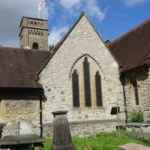
St Mary-at-Finchley is one of the area’s most important historic landmarks. The church originated in the medieval period and is documented from the 1270s. Its oldest surviving sections include parts of the north wall and tower dating from the late medieval period.
The church was enlarged in 1872 and suffered bombing during 1940. Major rebuilding followed in 1953. Its monuments and surviving historic elements provide evidence of Finchley’s religious and community history.
Avenue House is another significant landmark. The Grade II listed building stands on East End Road and dates primarily from the 19th century. Historic England identifies the building as an Italianate villa dating from around 1859, with later extensions associated with Henry Charles Stephens.
Henry Charles Stephens was associated with the Stephens Ink Company and became an important local benefactor. The house and surrounding grounds became strongly connected with public use.
Avenue House Grounds also have historic importance. Stephens left the house and approximately 10 acres of grounds to the people of Finchley, with conditions requiring public use and enjoyment. The grounds were eventually reopened to the public in 1928.
These buildings demonstrate the changing role of Finchley from rural parish to prosperous suburban community.
What is Finchley known for in terms of parks and green spaces?
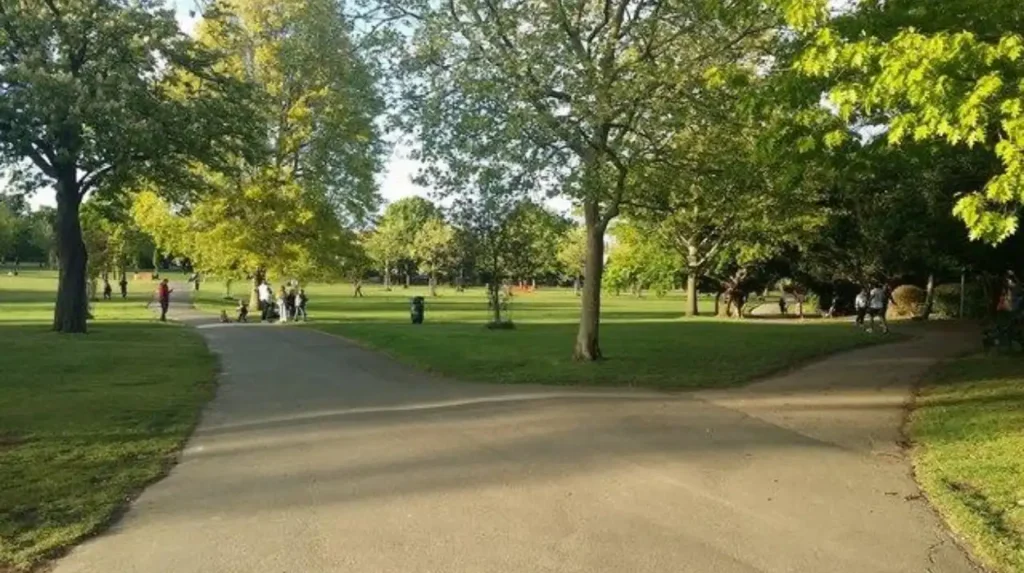
Finchley is known for accessible green spaces including Victoria Park, Avenue House Grounds, Coppetts Wood and other open areas that preserve elements of its former woodland and rural landscape within modern North London.
Green space remains an important part of Finchley’s identity.
Victoria Park opened in 1902 and became Finchley’s first public park. It was created to commemorate Queen Victoria’s Diamond Jubilee. From 1905, the park became associated with Finchley Carnival.
Avenue House Grounds provide another major green destination. The grounds cover approximately 5 hectares and include landscaped areas, mature trees and open space. Historic England records their development as a public park following the transfer of the property into public use.
Coppetts Wood provides an important surviving woodland landscape associated with the former Finchley Common. It forms part of the wider network of open land that survived the transformation from common to suburb.
These green spaces are important for residents, visitors and people working locally. They provide locations for walking, informal recreation, outdoor breaks and access to mature vegetation without leaving North London.
The green infrastructure also explains why Finchley has retained a suburban character despite its proximity to central London.
Why is Finchley important for transport?
Finchley is important for transport because its roads, railway history, tram routes and Northern Line stations connected North London with central London and encouraged the suburban growth that shaped Finchley during the 19th and 20th centuries.
Transport is fundamental to Finchley’s development.
The historic road network connected London with settlements further north. Finchley Common became strategically important because travellers used routes crossing the area.
The Finchley Road was built in the late 1820s from Marylebone towards the Great North Road at Tally Ho Corner. Horse-drawn omnibus services had already begun supporting commuting between Finchley and London by 1827.
Railway development followed. The Edgware, Highgate and London Railway opened a station serving Finchley in 1867. The station became Finchley Central in 1940.
East Finchley station opened in 1868 as East End Finchley. It was renamed East Finchley in 1886.
Trams then accelerated suburban expansion. Services began operating in Finchley in 1905, while additional routes connected North Finchley with other North London districts.
The railway line became part of London Transport’s Northern Line in 1939. An underground connection to Archway opened in 1940.
This transport history explains why Finchley contains substantial Victorian and Edwardian housing. Better connections allowed more people to live outside central London while travelling into the capital for work and commerce.
Today, the Northern Line remains central to Finchley’s accessibility.
What shopping and local amenities is Finchley known for?
Finchley is known for established high streets, independent shops, restaurants, cafés, libraries, community facilities and everyday services concentrated around Finchley Central, East Finchley and North Finchley, creating practical local centres rather than one single commercial district.
Finchley’s commercial identity developed alongside its transport network.
Finchley Central contains independent retailers, restaurants and cafés around the Underground station and surrounding streets. Barnet Council records more than 33,410 square metres of retail space in the town centre.
North Finchley’s High Road functions as another major commercial destination. Its development accelerated after the arrival of trams and other public transport services.
East Finchley’s High Road provides a further local centre. Its commercial character developed substantially during the late 19th and early 20th centuries.
Libraries form part of Finchley’s community infrastructure. Finchley Central Library serves the town centre, while East Finchley and North Finchley also have established library facilities.
For visitors, these neighbourhood centres provide practical services during a day in North London. Cafés provide places for breaks, restaurants support leisure visits and libraries provide public facilities for people needing quiet indoor space.
For digital nomads and business travellers, the combination of cafés, libraries, public transport and walkable commercial streets creates useful daytime infrastructure. The area’s transport connections also reduce the need for private car travel when visiting central London.
What cultural connections is Finchley known for?
Finchley is known for cultural connections involving cinema, literature, visual art, local institutions and notable residents, with surviving buildings and entertainment venues reflecting the area’s development as an established North London suburb.
Finchley has a substantial cultural history.
The Phoenix Cinema in East Finchley is one of the best-known cultural landmarks in the area. Its history is connected with the development of cinema in North London and the wider British film industry.
Finchley also has associations with notable individuals. Actor Peter Sellers lived with his mother on the High Road in East Finchley during the late 1940s. Barnet Council’s local history records this connection.
Artist Ford Madox Brown also lived in the Finchley area. Between 1853 and 1855, he lived at Grove Villas on what is now Regents Park Road and produced agricultural scenes including The Last of England.
Local cultural history also includes early film production. South Friern became the location of film studios operated by film pioneer Robert Paul, giving the wider Finchley area a connection with the early British film industry.
The arts history complements Finchley’s architectural and transport heritage. Visitors can therefore experience cinema, historic buildings, parks and local history within the same North London district.
What industries shaped Finchley’s development?
Finchley’s development was shaped by agriculture, horticulture, transport, manufacturing, printing-related business and suburban commerce, with local enterprises helping transform the area from rural land into a connected North London residential and commercial district.
Agriculture dominated Finchley before suburbanisation. Hay became particularly important because London had a large population of horses requiring animal feed. Barnet Council records Finchley and Friern Barnet as well known for the quality of their hay during the 18th century.
Horticulture also became significant. Peter Edmund Kay established Claigmar Vineyards on land around Long Lane and Squires Lane in 1874. By the 1890s, the operation contained 161 greenhouses and produced substantial quantities of grapes, tomatoes and cucumbers.
Industrial development later expanded. Finchley had a motor works on East End Road in 1911. Simms Motor Units became a particularly important local manufacturer. At its peak, the company employed more than 2,000 people before closing in 1991.
These industries demonstrate that Finchley was not simply a residential suburb. Agriculture, horticulture, manufacturing and transport all contributed to its economic development.
The decline of large industrial operations changed the area’s employment structure. Modern Finchley has a stronger emphasis on retail, hospitality, professional services, education, community services and commuting.
Explore More Area Guide
What Is East Barnet Known For? History, Parks & Landmarks
What Is Chipping Barnet Known For? History, Markets & Attractions
Is Finchley a good place to visit for history and local exploration?
Finchley is well suited to local exploration because its historic churches, parks, former common land, Victorian streets, transport landmarks, independent commercial centres and cultural venues provide varied points of interest across a compact North London area.
Finchley works particularly well for visitors interested in urban history rather than a single major attraction.
A historical visit can begin around St Mary-at-Finchley and Church End, where the medieval roots of the settlement remain visible. The route can then continue towards Hendon Lane and Finchley Central.
Avenue House provides a combination of heritage architecture and public green space. The Grade II listed house and historic grounds connect the area with Henry Stephens and the development of public amenities.
East Finchley offers a different experience. The High Road combines historic architecture, local businesses and access to the Phoenix Cinema.
North Finchley provides another perspective, centred on the High Road and Tally Ho Corner. Its development illustrates the impact of coaching, railways and trams on suburban growth.
Visitors interested in green space can include Victoria Park and woodland associated with the former Finchley Common.
Finchley also works as a base for exploring wider North London. Northern Line stations connect the area with central London, while local bus and road routes provide access to neighbouring districts.
The area’s strength is the combination of heritage and everyday urban life. Historic landmarks remain integrated into functioning neighbourhoods rather than isolated from the local community.
What makes Finchley distinctive today?
Finchley is distinctive because it combines medieval origins, former common land, Victorian suburban development, strong transport links, green spaces, historic buildings, independent commercial centres and cultural institutions within one established North London identity.
Modern Finchley represents several stages of London’s development.
Its earliest identity came from woodland, farming and the lands of the Bishop of London. The medieval church and settlement pattern provide evidence of this period.
The common shaped the area’s later reputation and geography. Its use by travellers and association with highwaymen became part of Finchley’s historical identity.
The 19th century brought major change. Enclosure, new roads, railway stations, trams and housing transformed the landscape. Finchley increasingly became a commuter suburb connected with London.
The 20th century added public parks, cinemas, manufacturing, libraries and municipal services. Finchley became a borough in 1933 before later becoming part of the London Borough of Barnet.
Today, Finchley combines residential neighbourhoods with commercial centres and public amenities. Its Northern Line stations remain central to its relationship with London.
For tourists, the area offers heritage, parks, architecture, cinema and local shopping. For residents, it provides established neighbourhood services. For digital nomads, cafés, libraries and transport provide practical daytime infrastructure. For business travellers, its proximity to central London makes local downtime straightforward to organise.
Finchley is therefore known not for one single attraction but for the depth of its combined identity. Its historical landscape, suburban architecture, transport infrastructure, green spaces and community centres explain why it remains one of North London’s recognisable established districts.
The strongest way to understand Finchley is to view its present-day streets through the history that created them. The old common influenced the landscape, transport shaped suburban growth, historic estates became public spaces and local commercial centres developed around changing patterns of movement.
That continuity gives Finchley a clear identity within the London Borough of Barnet. It remains a place where medieval heritage, Victorian expansion, 20th-century suburbanisation and contemporary North London life exist within the same geographic area.
What is Finchley best known for?
Finchley is best known for its historic Finchley Common, established residential neighbourhoods, Northern Line stations, green spaces, historic buildings, Avenue House, Stephens House and St Mary-at-Finchley Church.