Key Points
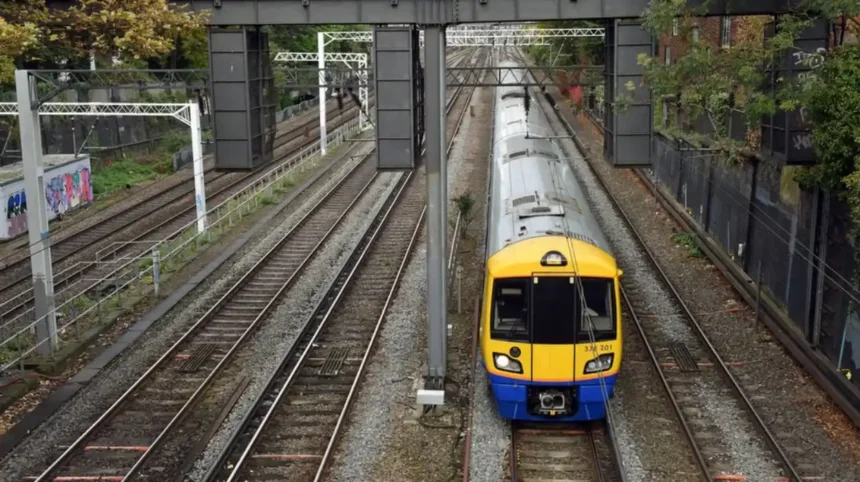
- London Overground Suspended: The London Overground Suffragette line was partially suspended following an emergency services response to a “casualty on the track” in north London.
- Affected Route: Service was halted between Barking Riverside and South Tottenham, forcing passengers to seek alternative travel arrangements.
- Multiple Tube Delays: Signal failures and train cancellations caused widespread disruption across the Underground network, affecting the Bakerloo, Hammersmith & City, Circle, and Metropolitan lines.
- Severe Bakerloo Disruptions: Cancellations led to severe delays on the Bakerloo line between Queen’s Park and Harrow & Wealdstone.
- Infrastructure Issues: Signal failures at Neasden caused cascading minor delays across the Metropolitan and Circle lines during the morning rush hour.
North London (North London News) September 16, 2026 — Emergency services responded to a serious incident on the rail network this morning after a casualty was reported on the track in north London, forcing a partial suspension of the London Overground network alongside widespread delays across four London Underground lines.
Transport for London (TfL) confirmed that the London Overground Suffragette line was partially suspended while first responders and police officers worked at the scene. The incident halted all rail operations between Barking Riverside and South Tottenham, severely impacting morning rush-hour commuters across the east and north-east sectors of the capital. Passengers traveling through these key interchanges were advised to re-route their journeys via local bus services or alternative Underground links while emergency crews managed the situation on the ground.
Simultaneously, the capital’s commuter network faced significant additional pressure as train cancellations and equipment failures hit key London Underground lines. Passengers navigating the tube network encountered cumulative delays, compounding travel difficulties across central and outer London zones.
What Caused the Delays Across the Underground Network?
In addition to the Overground suspension, commuters faced multiple operational issues on the London Underground network throughout the morning peak period.
As reported by Megan Howe of The Standard, at 07:25, severe delays were recorded on the Bakerloo line between Queen’s Park and Harrow & Wealdstone as a direct result of train cancellations. Concurrently, train cancellations triggered minor delays along the Hammersmith & City line.
Further network disruption occurred due to technical infrastructure faults. As reported by Megan Howe of The Standard, at 07:55, a signal failure occurred at Neasden, creating minor delays on the Metropolitan line between Aldgate and Wembley Park. Shortly after, at 08:00, Megan Howe of The Standard reported that engineers were dispatched to address the Neasden signal failure, which also resulted in minor delays on the Circle line between Aldgate and Baker Street.
Background of Transport Disruption and Emergency Track Incidents
Emergency track suspensions and infrastructure failures represent two distinct operational challenges for Transport for London (TfL) and Network Rail. When a “casualty on the track” occurs, strict safety protocols are immediately enacted. First responders from the British Transport Police (BTP) and the London Ambulance Service (LAS) are deployed to the location, requiring traction power to be cut on the affected section of track to ensure emergency personnel can operate safely. These emergency responses regularly necessitate temporary service suspensions to allow medical triage, police investigation, and track clearance.
The Suffragette line—formerly known as the Gospel Oak to Barking line—serves as a vital arterial route connecting outer east and north London boroughs without requiring passengers to transit through Zone 1. Major incidents on this line create localized transport bottlenecks, shifting heavy passenger volumes onto local bus routes and nearby Underground stations such as Seven Sisters, Tottenham Hale, and Barking.
Alongside emergency incidents, signaling equipment failures remain a primary contributor to secondary line delays. The signaling node at Neasden serves critical tracks utilized by both the Metropolitan and Jubilee line corridors. Technical defects at key signaling points force train operators to stop or slow vehicles, causing domino-effect cancellations and service reductions across interconnecting sub-surface lines, including the Circle and Hammersmith & City lines.
Explore More Local North London News
Euston Station Redevelopment Scheme Faces Decision by Planning Inspector in Euston 2026
What Role Did Barnet Play in Medieval London?
Prediction: How Will This Incident Affect London Commuters and Rail Infrastructure?
The immediate impact of track casualties and widespread signaling delays centers on severe rush-hour congestion, extended travel times, and overcrowded secondary transport hubs.
- Short-Term Impact on Commuters: Passengers reliant on the Suffragette line between Barking Riverside and South Tottenham face extended journey times due to bus diversions and overcrowding at replacement transport stops. Travel conditions on outer sections of the Bakerloo line and sub-surface lines (Circle, Metropolitan, Hammersmith & City) are likely to remain degraded until disrupted train schedules are fully reset and signaling hardware is stabilized. Commuters may also face additional economic costs or work delays due to missed connection windows.
- Medium-Term Operational Adjustments: Incident investigations on the rail network typically require formal reviews by the British Transport Police and safety inspectors. Transport for London may implement short-notice timetable revisions or fleet positioning maneuvers throughout the afternoon to clear backlog congestion created during peak hours.
- Long-Term Network Strategy: Repeated signaling disruptions at legacy hubs like Neasden highlight the ongoing necessity for modernizing signal automation across TfL’s sub-surface railway system. Incidents of this nature accelerate pressure on transport authorities to prioritize capital investment in automated train control (ATC) signaling, preventative maintenance programs, and robust crowd management strategies across major interchanging stations.