Key Points
- High Fine Volume: Islington Council issued 11,258 Penalty Charge Notices (PCNs) on Benwell Road between January 2025 and January 2026, averaging over 30 fines per day.
- Allegations of Misleading Signage: The council faces accusations from penalised motorists of “deliberately misleading” drivers through inadequate signage and a lack of advance warnings.
- Massive Borough PCN Revenue: Islington Council issues approximately 400,000 PCNs annually across the borough, placing it among the highest issuers in the United Kingdom.
- Escalating Penalties: A specific case involving driver Joel Meadows demonstrates how an initial £80 fine escalated to £329 following a rejected appeal and an extended dispute.
- Ongoing Appeals: Affected motorists are escalating their challenges to higher traffic enforcement authorities to contest the validity of the fines.
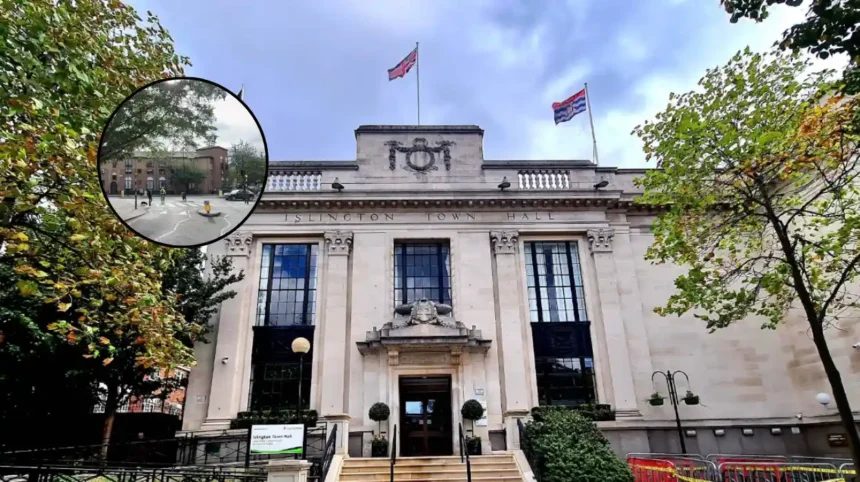
Islington Council (North London News) October 13, 2026 – Islington Council is facing sharp criticism following revelations that more than 11,000 Penalty Charge Notices (PCNs) were issued to drivers on a single north London street over a 12-month period. Data obtained via a Freedom of Information (FOI) request shows that between January 2025 and January 2026, a total of 11,258 PCNs were generated on Benwell Road, equating to an average of more than 30 fines per day. The figures have sparked accusations from affected motorists that the local authority is “deliberately misleading” road users through poor signage and inadequate advance warnings.
Why Are Motorists Facing Over 11,000 Fines on Benwell Road?
As reported by legal and local affairs correspondents at The Times, the elevated number of fines on Benwell Road forms part of a broader pattern of high-volume traffic enforcement within the London Borough of Islington. Data published by The Times highlights that Islington Council issues approximately 400,000 PCNs annually across its network, establishing the authority as one of the highest enforcement issuing bodies in the country.
Motorists targeted by the enforcement on Benwell Road contend that the layout and visual indicators surrounding the restricted zone do not provide clear notification to approaching drivers, leading to unintentional non-compliance.
How Are Individual Drivers Affected by Benwell Road Enforcement Appeals?
As reported by journalists at The Times, driver Joel Meadows, aged 53, became subject to enforcement action after turning onto Benwell Road in January. Meadows submitted an official appeal against the notice, citing poor signage and an absence of adequate warning signs prior to entering the restricted zone.
As detailed in The Times report, Islington Council formally rejected Meadows’ appeal in May. Following the initial rejection and a prolonged dispute regarding the validity of the charge, the original penalty fee of £80 escalated to £329.
In a statement cited by The Times, Meadows stated that he has now written directly to the relevant traffic enforcement authorities to further challenge the payment demand, confirming that he is currently awaiting a formal decision on the matter.
Background of the Benwell Road Traffic Enforcement Development
Traffic enforcement policies across London boroughs have increasingly expanded over recent years through the implementation of Low Traffic Neighbourhoods (LTNs), bus gates, and localized access restrictions monitored by automated Automatic Number Plate Recognition (ANPR) camera systems.
Islington Council has introduced various vehicular access restrictions across its road network aimed at reducing throughput traffic, improving air quality, and promoting active travel methods such as walking and cycling. Under relevant national and regional transport frameworks, municipal councils hold the statutory authority to impose civil penalties on drivers who enter restricted zones without authorization.
However, the rapid roll-out of camera-enforceable restrictions across north London has led to widespread debate between local authorities and road user groups concerning the standardisation, visibility, and legal compliance of road signage. Under national regulations, local highways authorities are legally required to ensure that traffic signs provide clear, timely, and unambiguous warnings to motorists prior to points of no return. High concentrations of PCNs on individual roads—such as the 11,258 recorded on Benwell Road—frequently lead to public regulatory scrutiny and legal challenges regarding whether the underlying signage meets prescribed statutory standards.
Prediction: How Will This Development Affect Motorists and Local Authorities?
This development is expected to have notable financial, legal, and operational implications for both local road users and municipal authorities:
- For Motorists and Local Road Users:
- Increased Legal Challenges: Drivers penalised on Benwell Road may utilize the high volume of reported fines and ongoing legal appeals as precedent to file further formal appeals with the Environment and Traffic Adjudicators (London Tribunals).
- Risk of Financial Escalation: Drivers contesting fines face the ongoing administrative risk of standard £80 penalties increasing significantly—reaching £329 or higher—if appeals are unsuccessful and statutory timelines elapse during dispute procedures.
- Heightened Caution on Local Routes: Drivers navigating Islington may experience increased travel delays due to heightened caution or detour taking to avoid poorly demarcated restricted corridors.
- For Islington Council and Transport Regulators:
- Regulatory and Audit Scrutiny: The publication of FOI data showing over 11,000 fines on a single road increases the likelihood of an independent signage audit by transport oversight bodies or judicial reviews into the legality of enforcement on Benwell Road.
- Signage Review and Potential Policy Adjustments: In response to public pressure and formal appeals, the council may be compelled to install supplementary advance warning signs or modify road markings to prevent further disputes regarding driver notification.