Barnet supports local wildlife through habitat protection, nature-friendly grassland management, biodiversity planning, wetland conservation and community participation. The North London borough combines parks, ancient woodland, meadows, streams and nature reserves to provide habitats for birds, insects, mammals and native plants. Barnet Council’s biodiversity programme aims to protect these environments while responding to urban development and climate change.
- What makes Barnet an important area for local wildlife?
- How does Barnet Council protect wildlife habitats?
- Sites of Importance for Nature Conservation
- Ecological assessments for development
- Reviewing conservation priorities
- How does Barnet improve grasslands for pollinators and other wildlife?
- How does Barnet protect woodland, trees and hedgerows?
- Which Barnet nature reserves and green spaces support wildlife?
- How does Barnet protect birds and wetland wildlife at the Welsh Harp?
- How does biodiversity net gain influence development in Barnet?
- How does Barnet involve residents and community groups in wildlife conservation?
- How does Barnet’s wildlife programme respond to climate change?
- How can visitors explore Barnet’s wildlife responsibly?
- When is the best time to observe wildlife?
- How can visitors learn about the history of Barnet’s green spaces?
- What are Barnet’s future priorities for local wildlife?
What makes Barnet an important area for local wildlife?
Barnet is an important wildlife area because approximately one-third of the borough is green space, containing habitats such as ancient woodland, traditional hay meadows, streams and wetlands. These connected environments provide food, shelter and breeding grounds for wildlife across North London.
The London Borough of Barnet occupies a substantial area of North London, where residential neighbourhoods, transport infrastructure and commercial centres sit alongside green spaces. This combination creates a varied landscape for wildlife. Animals and plants use gardens, parks, hedgerows, woodland edges and watercourses to survive within an urban environment.
Biodiversity means the variety of living organisms in an area, including plants, animals, fungi and microorganisms. Healthy biodiversity depends on suitable habitats, available food, clean water and opportunities for species to reproduce.
Barnet’s natural environment includes several important habitat types:
- Woodland: ancient woodland and mature trees provide nesting places, roosting sites and shelter for species such as woodland birds and bats.
- Grassland: meadows and less intensively managed grass areas provide flowers, seeds and feeding grounds for pollinators and other insects.
- Wetlands: reservoirs, ponds and marshy areas support waterbirds, amphibians and aquatic invertebrates.
- Watercourses: streams and rivers provide habitats for aquatic organisms and routes through the wider landscape.
- Hedgerows and gardens: connected vegetation offers food, shelter and movement routes for smaller wildlife.
These habitats contribute to ecological resilience, which describes the ability of natural systems to withstand and recover from pressures such as extreme weather, pollution and habitat loss.
Barnet Council recognises green spaces as essential environmental assets. Its biodiversity programme combines habitat management with longer-term planning to improve the condition of natural areas and maintain their value for future generations.
How does Barnet Council protect wildlife habitats?
Barnet Council protects wildlife habitats through biodiversity policies, nature conservation site reviews, ecological assessments and land management. These measures help identify important habitats, inform planning decisions and guide improvements to woodland, grassland, wetlands and other green spaces throughout the borough.
Habitat protection involves identifying valuable natural areas and preventing avoidable damage to their ecological features. Barnet uses planning policies and environmental assessments to consider the effects of development on wildlife.
Sites of Importance for Nature Conservation
Sites of Importance for Nature Conservation, commonly abbreviated to SINCs, are areas recognised for their local or wider ecological value. They provide a framework for identifying habitats that deserve consideration in planning and land management.
Barnet’s SINC network includes sites classified as Metropolitan, Borough Grade I, Borough Grade II and Local. These categories indicate different levels of ecological importance.
A SINC is not itself a statutory designation. However, its ecological importance is considered through the planning process, helping the council assess proposals that affect sensitive land.
Ecological assessments for development
Construction can remove vegetation, disturb nesting birds, fragment habitats and alter drainage. Ecological assessments help identify these risks before development begins.
Barnet’s planning guidance requires relevant applications to document significant wildlife habitats and features, including the locations of protected species where applicable. Sensitive proposals also require appropriate ecological information and long-term habitat management measures.
This approach connects conservation with the borough’s housing, transport and infrastructure needs. It also encourages developers to consider existing habitats early in the design process rather than treating biodiversity as a final-stage consideration.
Reviewing conservation priorities
Barnet Council is reviewing its SINC network to keep its conservation mapping current. It is also developing a Local Nature Recovery Plan aligned with London’s Local Nature Recovery Strategy.
The work includes surveying sites and preparing a biodiversity baseline. A biodiversity baseline records the starting condition of habitats and provides a reference for measuring subsequent changes.
These measures establish a clearer basis for prioritising conservation work and tracking environmental improvements.
How does Barnet improve grasslands for pollinators and other wildlife?
Barnet improves grassland habitats by reducing mowing, participating in No Mow May, testing environmental cutting methods and using suitable grass seed mixes. These practices allow more plants to flower, produce seeds and provide food and shelter for pollinators and other wildlife.
Grassland management is one of Barnet Council’s practical biodiversity measures. Frequently cut grass provides limited opportunities for many wildflowers to complete their growth cycle. Reducing mowing in appropriate areas allows flowering plants to develop and supports insects throughout the growing season.
What is No Mow May?
No Mow May is a campaign that encourages people and land managers to leave lawns uncut during May. The aim is to allow flowering plants to supply nectar and pollen for bees, butterflies and other insects.
Barnet has participated in the initiative for several years. In 2024, the council included 19 parks and open spaces and 12 additional sites in its programme, an increase of five sites compared with the previous year.
The approach creates opportunities for plants such as daisies, clovers and dandelions to flower where they are already established. These flowers provide food for pollinating insects, while longer vegetation offers shelter to smaller animals.
How does environmental grass cutting work?
Barnet has also introduced trials of alternative grass-cutting methods. Its grassland enhancement project includes an environmental cut, using a flail mower once or twice a year at selected sites. The method allows a more diverse range of plants to flower and provides food and habitat for pollinators.
The council’s programme identifies locations including Mill Hill Park Nature Reserve, Sunny Hill Park, Hadley Green, Scratchwood Open Space and Welsh Harp. These sites represent different parts of the borough’s wider green network.
A further method is cut-and-lift management, in which cut vegetation is removed instead of being left to decompose on the ground. Where the technique suits the habitat, it helps reduce the accumulation of nutrients and supports grassland plants adapted to less fertile conditions.
Grassland enhancement requires site-specific management. Areas used for sport, recreation and accessible walking routes still need regular maintenance. The objective is to balance public access with habitat improvement rather than leave every grass area unmanaged.
For visitors, these measures mean that some parks contain longer grass, flowering vegetation and more visible insect activity during particular seasons.
How does Barnet protect woodland, trees and hedgerows?
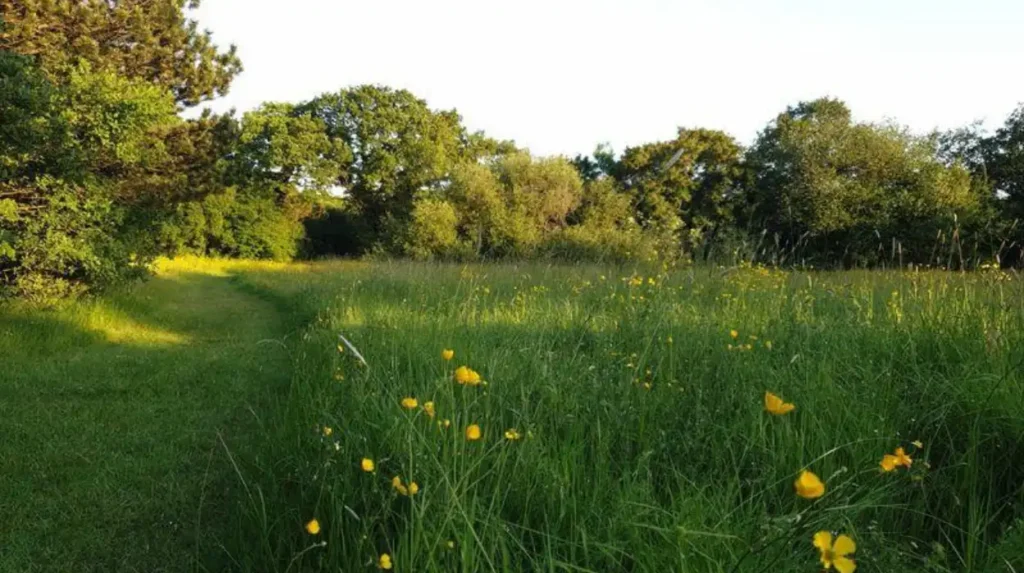
Barnet protects woodland, trees and hedgerows through conservation planning, habitat management and policies that consider biodiversity during development. Ancient woodland, mature trees and connected vegetation provide nesting sites, shelter, feeding areas and movement routes for birds, bats, insects and other wildlife.
Woodland habitats support ecological communities that depend on trees, shrubs, leaf litter, fungi and deadwood. Different vegetation layers provide different resources, from nesting branches for birds to sheltered ground habitats for invertebrates.
Barnet contains woodland and ancient hedgerows recognised in its biodiversity planning documents. Veteran trees also contribute to habitat diversity by developing cavities, loose bark and decaying wood that support specialised organisms.
Why are mature trees important?
Mature trees provide nesting opportunities, shade and food. Their flowers, fruits, leaves and bark support different wildlife groups throughout the year. Trees also help regulate local temperatures and absorb rainfall.
Tree protection therefore has ecological value beyond the survival of individual plants. Removing a mature tree can reduce habitat availability immediately, while replacement trees require time to develop equivalent size and features.
Barnet’s tree policies and planning controls help guide decisions affecting trees and green infrastructure. Development proposals must consider relevant environmental constraints, including habitats and protected species where these are present.
How do hedgerows connect habitats?
Hedgerows are linear strips of shrubs or trees that provide food and shelter between larger green spaces. Birds feed on berries and insects, while small mammals use dense vegetation for cover.
Connected hedgerows can help wildlife move between gardens, parks and woodland. This connectivity is important in built-up neighbourhoods, where roads and buildings divide the landscape into smaller habitat areas.
Residents contribute by maintaining native hedgerows, planting locally suitable species and avoiding unnecessary disturbance during nesting periods. Keeping some leaf litter and suitable deadwood also creates additional shelter for invertebrates.
Which Barnet nature reserves and green spaces support wildlife?
Barnet supports wildlife through a network of parks, nature reserves, wetlands and designated conservation sites. Examples include Mill Hill Park Nature Reserve, Scratchwood Open Space, Sunny Hill Park and the Welsh Harp, which provide different combinations of grassland, woodland, water and wildlife habitat.
Wildlife conservation in Barnet is distributed across the borough rather than restricted to one large reserve. The council’s Parks and Open Spaces Strategy 2026–2036 identifies different types of public green space and their functions.
The strategy records 88 parks covering 561 hectares, 32 natural green spaces covering 278 hectares, 28 amenity green spaces covering 27 hectares and 19 green corridors covering 67 hectares. These figures describe the categories reported in the strategy, not the total area of every green space in Barnet.
Mill Hill Park Nature Reserve
Mill Hill Park Nature Reserve is one of the locations included in Barnet’s grassland enhancement programme. Its conservation value is connected to the management of vegetation and the provision of suitable habitat for wildlife.
Visitors exploring the wider Mill Hill area can look for seasonal wildflowers, insects and birds. Observations depend on the time of year, weather conditions and habitat management.
Scratchwood Open Space
Scratchwood Open Space is another location identified in the council’s grassland enhancement work. Natural open spaces such as this provide opportunities to protect vegetation and maintain habitats within a landscape affected by urban growth.
Visitors should remain on appropriate paths and avoid damaging plants or disturbing animals. Dogs should be kept under control, particularly around wildlife-sensitive areas.
Sunny Hill Park
Sunny Hill Park in Hendon appears on Barnet Council’s list of sites included in its grassland enhancement project. Grassland management supports flowering vegetation and food resources for pollinators where local conditions are suitable.
The park also illustrates how everyday recreational spaces contribute to a borough-wide network of green areas. Nature conservation can take place alongside walking, informal recreation and other public uses.
Welsh Harp and Brent Reservoir
The Welsh Harp, also known as Brent Reservoir, is one of Barnet’s most significant wetland wildlife areas. It is designated as a Site of Special Scientific Interest (SSSI), a statutory designation used in England to protect sites of particular importance for wildlife or geological features.
The reservoir provides habitat for waterbirds and other wildlife. Its open water, shorelines and surrounding vegetation support a different ecological community from the borough’s woodland and grassland sites.
The range of habitats across these locations gives residents and visitors opportunities to experience North London’s wildlife without travelling to remote countryside.
How does Barnet protect birds and wetland wildlife at the Welsh Harp?
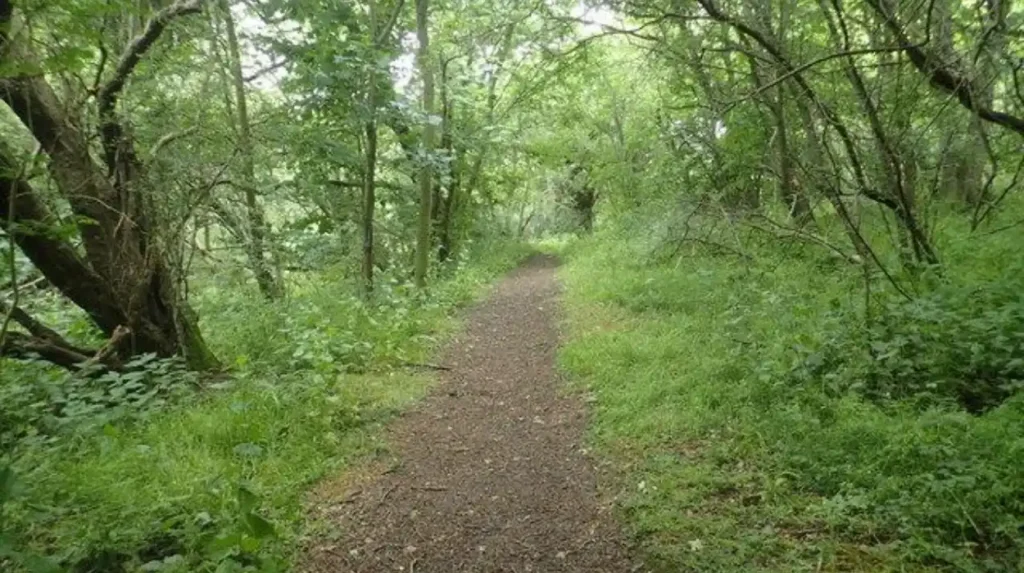
Barnet supports birds and wetland wildlife at the Welsh Harp through habitat conservation and partnership working. The council, Canal and River Trust and Kusuma Trust UK have collaborated on measures to protect threatened habitats, reduce flood risks and address pressures affecting this important urban wetland.
The Welsh Harp, or Brent Reservoir, is an important water-based habitat in North London. It supports waterfowl, breeding birds and other wildlife associated with open water and wetland vegetation.
Barnet Council reported in November 2025 that the site was home to 253 bird species. The council also identified climate change, major roads such as the M1 and A406, and urbanisation as pressures affecting the reserve.
Why is the Welsh Harp important for breeding birds?
Wetlands supply several resources that birds need, including aquatic food, nesting areas and places to rest. Different species use different parts of the reservoir, depending on their feeding behaviour and breeding requirements.
The Welsh Harp is especially important for the common tern, a fish-eating bird that nests in suitable locations near water. Barnet Council reported that the number of common tern nesting pairs at the site fell from 44 in 2000 to four in 2022.
This decline illustrates the need for targeted habitat protection. Maintaining suitable nesting conditions and limiting disturbance are important elements of wetland conservation.
What is being done to restore the wetland?
In November 2025, Barnet Council announced a project with the Canal and River Trust and Kusuma Trust UK to address climate pressures, flooding and threatened wildlife habitats at the Welsh Harp.
The partnership focuses on protecting the urban wetland while recognising its importance to nearby communities. The site is accessible to a large urban population, and the council described it as an important green space for at least 1.5 million people.
Visitors support conservation by observing birds from appropriate viewpoints, keeping away from sensitive nesting areas and following local signs. Feeding wild birds with unsuitable food and allowing dogs to chase wildlife also create avoidable disturbance.
Wetland conservation benefits the wider borough because healthy water-based habitats contribute to biodiversity, water management and public access to nature.
How does biodiversity net gain influence development in Barnet?
Biodiversity net gain requires most eligible developments in England to improve biodiversity value by at least 10 per cent compared with the pre-development baseline. Barnet applies this framework through planning, habitat assessment and proposals for creating or enhancing suitable natural environments.
Biodiversity net gain, commonly called BNG, is a legal approach introduced under the Environment Act 2021. The mandatory requirement for most relevant developments took effect on 12 February 2024 for major developments and 2 April 2024 for small sites, subject to the applicable rules and exemptions.
The approach uses a biodiversity metric to assess habitat value before and after development. The assessment considers habitat type, area, condition and other relevant factors. The resulting calculation helps determine whether a proposal delivers the required gain.
How does biodiversity net gain work?
Developers establish the existing ecological baseline, identify habitats affected by the proposal and calculate the biodiversity value of the planned outcome. They then use the biodiversity metric to demonstrate the required improvement.
The preferred approach is to avoid damaging valuable existing habitats. Where impacts remain, developers follow the mitigation hierarchy: avoid harm, minimise unavoidable effects, restore affected habitats and compensate for residual losses through appropriate measures.
Habitat creation and enhancement can include species-rich grassland, native hedgerows, ponds and woodland planting. The suitability of each intervention depends on the site’s ecology, location and long-term management requirements.
Why does biodiversity net gain matter in Barnet?
Barnet faces the challenge of accommodating development while protecting its green spaces and ecological connections. Biodiversity net gain gives planners a structured method for assessing environmental outcomes alongside other planning considerations.
A newly planted area does not automatically replace an established habitat of greater ecological value. Habitat condition, location and the time required for an ecosystem to develop all matter when assessing biodiversity outcomes.
Long-term management is also important. Habitat creation requires appropriate maintenance and monitoring to establish whether the intended ecological improvements continue after construction.
How does Barnet involve residents and community groups in wildlife conservation?
Barnet supports community involvement through local green-space initiatives, biodiversity projects and opportunities to participate in environmental improvements. Residents contribute by planting wildlife-friendly vegetation, recording species, maintaining suitable gardens and volunteering in public spaces where organised conservation activities take place.
Community participation extends the reach of formal conservation programmes. Council-managed parks and nature reserves form part of the network, but private gardens, school grounds, allotments and communal landscapes also contribute to urban biodiversity.
What can residents do to support wildlife?
Residents can provide resources for wildlife through practical changes to gardens and outdoor spaces. Native flowering plants, suitable shrubs and varied vegetation provide food and shelter for insects and birds.
Other useful actions include:
- Planting nectar-rich flowers, such as native knapweed and bird’s-foot trefoil, where suitable for the soil and location.
- Keeping a small section of grass uncut during the flowering season.
- Maintaining hedges and shrubs while avoiding unnecessary disturbance to active bird nests.
- Providing shallow water for wildlife, with safe access and regular cleaning.
- Recording wildlife sightings and submitting observations to established biodiversity recording schemes.
These measures work best when they complement local habitats. Plant selection should reflect soil conditions, available space and the needs of the species that naturally occur in the area.
How do volunteering and partnerships help?
Volunteer activities can support habitat maintenance, litter removal, planting and wildlife monitoring. At the Welsh Harp, the council’s 2025 announcement described partnership work involving the Canal and River Trust and Kusuma Trust UK, including volunteer participation in Welsh Harp Wednesday activities.
Community organisations also help residents learn about local species and understand why certain management decisions are necessary. Leaving areas of grass uncut or protecting wetland vegetation can appear different from conventional grounds maintenance, but these practices support specific ecological objectives.
Residents interested in volunteering should check Barnet Council’s current green-space and biodiversity information for available projects, locations and participation arrangements.
How does Barnet’s wildlife programme respond to climate change?
Barnet’s wildlife programme supports climate adaptation by protecting green spaces that provide shade, absorb rainfall and sustain habitats. Woodland, grassland and wetlands contribute to local cooling, flood management and ecological resilience, helping the borough address environmental pressures while maintaining places for people and wildlife.
Climate change affects wildlife through higher temperatures, changing rainfall patterns and more frequent extreme weather. Heatwaves increase pressure on water supplies and shaded habitats, while intense rainfall creates flooding and erosion risks.
Barnet Council identifies parks, woodlands and open spaces as part of its response to these pressures. The borough’s green spaces provide environmental benefits in addition to supporting plants and animals.
How do green spaces help manage heat and rainfall?
Trees provide shade and release water vapour through transpiration, helping moderate local temperatures. Vegetated soil allows rainfall to infiltrate where ground conditions permit, reducing the amount of water flowing directly across hard surfaces.
Wetlands and watercourses also contribute to local water management. Their effectiveness depends on their condition, available capacity and how the surrounding land is managed.
These functions benefit wildlife because suitable temperatures, reliable water sources and healthy soils help habitats withstand environmental stress.
Why are connected habitats important?
Connected habitats allow wildlife to move between feeding, nesting and breeding areas. Green corridors, including vegetated paths and watercourse edges, help maintain these connections through developed neighbourhoods.
Barnet’s 2026–2036 Parks and Open Spaces Strategy identifies 19 green corridors covering 67 hectares. These routes support walking and cycling while providing opportunities for wildlife movement.
Protecting these connections is important when new housing, roads or other infrastructure changes the landscape. A network of linked habitats generally offers more opportunities for wildlife movement than isolated patches of vegetation.
Explore More Area Guide
Barnet Tree Cover: Environmental Benefits for North London
Barnet Council: Nature Conservation and Green Spaces Guide
How can visitors explore Barnet’s wildlife responsibly?
Visitors can explore Barnet’s wildlife through public parks, nature reserves, grassland sites and the Welsh Harp. Responsible visits involve staying on designated paths where required, respecting wildlife signs, keeping dogs under control and avoiding disturbance to nesting birds and other sensitive species.
Wildlife watching is accessible to visitors who have limited time in North London. A short walk through a park provides opportunities to observe birds, flowering plants and insects without requiring a full-day countryside trip.
The Welsh Harp is particularly relevant to birdwatchers because of its documented bird diversity. Grassland sites such as Sunny Hill Park and Mill Hill Park Nature Reserve provide a different setting for observing seasonal vegetation and pollinating insects.
When is the best time to observe wildlife?
Spring and summer generally provide opportunities to see flowering plants, active insects and breeding birds. Autumn brings seasonal changes in vegetation and opportunities to observe birds feeding on seeds and berries. Winter observations focus more on visible birds, evergreen vegetation and wildlife activity around accessible water sources.
Actual sightings depend on weather, habitat conditions and species behaviour. Visitors should not approach nests, enter restricted habitat areas or use playback recordings to attract sensitive wildlife.
How can visitors learn about the history of Barnet’s green spaces?
Barnet’s present-day wildlife habitats reflect both natural processes and centuries of land management. Historic agricultural practices, old boundaries, mature trees and the development of public parks have influenced the landscape visible today.
As you explore Barnet’s modern green spaces, you are also crossing landscapes shaped by earlier generations. Read about the full [History of Barnet’s Parks and Green Spaces] to understand how their origins influenced today’s natural environment.
This connection between history and ecology helps explain why some habitats retain old trees, established hedgerows and long-standing landscape features. Historical context also provides a useful starting point for understanding the development of public access and modern conservation priorities.
What are Barnet’s future priorities for local wildlife?
Barnet’s future wildlife priorities include improving habitat quality, protecting important conservation sites, monitoring biodiversity and integrating nature recovery into development and green-space management. The council’s 2026–2036 Parks and Open Spaces Strategy provides a framework for improving public green spaces and supporting biodiversity over the coming decade.
The strategy reflects the need to manage green spaces for recreation, environmental protection and changing community needs. Its approach recognises that parks must remain accessible while also supporting habitats and responding to climate-related pressures.
Barnet’s biodiversity work includes establishing a baseline for habitat monitoring, reviewing conservation sites and developing its Local Nature Recovery Plan. These activities help identify where improvements are needed and provide a foundation for assessing progress over time.
The next stage of wildlife conservation depends on sustained habitat management, effective planning decisions and cooperation between the council, landowners, conservation organisations and local communities.
For visitors and residents, the most visible outcomes include flowering grasslands, protected wetland habitats, woodland areas and green corridors. Continued monitoring will help establish whether these measures improve habitat condition and support wildlife over the longer term.
Barnet’s approach demonstrates how an urban borough can combine nature conservation with public access, development planning and climate adaptation. Protecting existing habitats and improving connections between green spaces remain central to maintaining local biodiversity.
How does Barnet Council support local wildlife?
Barnet Council supports wildlife through habitat conservation, reduced grass cutting, wildflower planting, biodiversity planning and nature recovery projects. These measures improve habitats for birds, pollinators, mammals and other native species.