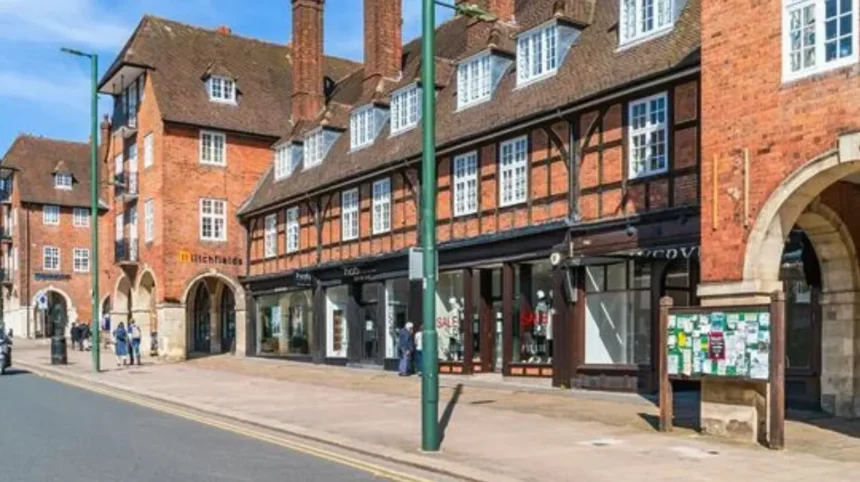
Barnet, in North London, has a network of traditional high streets that combine independent shops, historic buildings, local markets, cafés and everyday services. From the historic centre of High Barnet to the neighbourhood shopping areas of East Barnet, Chipping Barnet and Friern Barnet, these streets provide visitors with practical ways to discover the borough’s local character.
- What makes Barnet’s traditional high streets worth exploring?
- Where should you start exploring traditional high streets in Barnet?
- What can visitors discover along Chipping Barnet High Street?
- Independent retailers and established shops
- Cafés, restaurants and food businesses
- The Spires shopping centre
- Why is Barnet Market an important stop for visitors?
- Which traditional shopping streets should you explore in East Barnet?
- What can you explore along Friern Barnet’s traditional shopping streets?
- Which other Barnet town centres are worth including in a shopping itinerary?
- How can visitors plan a walking route around Barnet’s high streets?
- Why do historic buildings matter when exploring Barnet’s shopping streets?
- How do Barnet’s traditional high streets support local businesses and communities?
- Which traditional Barnet high street should you choose for your visit?
Traditional high streets are established commercial streets where shops, cafés, services and community facilities serve nearby residents and visitors. In Barnet, their character reflects the area’s development from historic settlements and market activity into a network of suburban neighbourhoods connected to central London.
For tourists and leisure travellers, exploring these streets offers a different perspective on North London beyond major attractions. Visitors can browse independent retailers, find places to eat, examine historic architecture and experience the everyday shopping areas used by local communities.
The best route depends on the type of experience visitors want. High Barnet is a useful starting point for exploring the historic town centre, while East Barnet and Friern Barnet offer different neighbourhood shopping environments. Understanding the location and character of each high street helps visitors plan a more focused trip.
What makes Barnet’s traditional high streets worth exploring?
Barnet’s traditional high streets are established shopping destinations where independent retailers, cafés, essential services and historic streetscapes meet. They provide visitors with opportunities to discover local businesses, explore neighbourhood architecture and experience everyday commercial life across North London.
A traditional high street serves as a commercial and social centre for its surrounding neighbourhood. It usually contains a mixture of retail premises, food businesses, professional services and community facilities. Some streets also retain historic buildings that reveal how a settlement developed over time.
Barnet’s high streets reflect the borough’s varied geography. The area includes historic settlements, suburban residential districts and commercial corridors shaped by transport connections. This creates differences in building styles, shop types and visitor experiences from one neighbourhood to another.
High streets also support local employment and provide convenient access to daily necessities. Grocery shops, pharmacies, hairdressers, cafés and specialist retailers serve residents, while visitors use the same businesses during sightseeing trips.
For leisure travellers, these streets offer an accessible way to combine shopping with other activities. A visitor can browse local shops, stop for lunch and continue towards a nearby park, historic building or transport station without planning a dedicated shopping-centre visit.
Independent businesses are particularly important to the character of traditional shopping streets. Examples include family-run food shops, specialist retailers, independent cafés and small service businesses. Their presence varies by street, so visitors should check current directories and opening hours before travelling.
Where should you start exploring traditional high streets in Barnet?
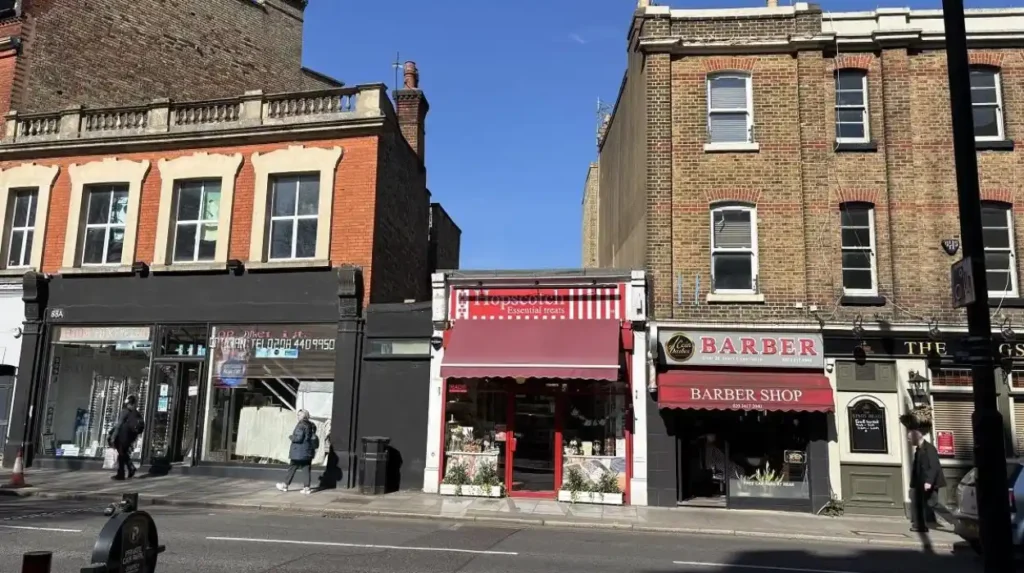
High Barnet is a practical starting point for exploring Barnet’s traditional high-street environment. Its historic town centre, High Street shopping corridor and connections to the Northern line provide a useful base for discovering local shops, food businesses and nearby heritage landmarks.
High Barnet, also known as Chipping Barnet in its historic context, developed as a settlement on the route north from London. The name Chipping is associated with a market, reflecting the area’s historical commercial role.
The High Street remains a recognisable centre for shopping and local services. Visitors can explore its retail premises, food outlets and everyday businesses while observing the relationship between older buildings and modern commercial uses.
High Barnet Underground station is on the Northern line’s High Barnet branch. The station gives visitors a direct public transport connection with central London, making the area suitable for a half-day excursion or a stop on a wider North London itinerary.
A straightforward visit begins around the High Street and continues through nearby streets where residential buildings and local services form part of the historic townscape. Visitors interested in the area’s development should also examine the surrounding conservation areas and listed buildings, checking official heritage records for individual properties.
The high street is a working commercial area rather than a museum. Shopfronts, business occupancy and opening times change. Checking current business listings before departure helps visitors identify the retailers and cafés relevant to their interests.
What can visitors discover along Chipping Barnet High Street?
Chipping Barnet High Street combines independent shops, established retailers, cafés, restaurants and historic buildings within a traditional North London town centre. Its nearby market and shopping centre create a convenient route for visitors seeking local businesses, everyday shopping and architectural heritage.
The High Street forms the commercial heart of Chipping Barnet. Barnet Council identifies the area as a historic town centre with more than 38,310 square metres of retail space, alongside independent shops, restaurants, cafés and bars.
Independent retailers and established shops
The street includes independent businesses alongside familiar high-street names. Retail categories include clothing, footwear, personal care, household goods and specialist services. The exact mix changes as businesses open, relocate or close.
Independent shops are useful starting points for discovering locally operated businesses rather than limiting a visit to national chains. Visitors should check shop directories and individual business listings for current stock, accessibility information and opening times.
Cafés, restaurants and food businesses
Food and drink businesses make the High Street suitable for a combined shopping and dining visit. Cafés provide places to stop during a walk, while restaurants and pubs extend the area’s appeal beyond retail shopping.
Visitors planning lunch should check menus, dietary information and service hours before arriving. Weekday and weekend opening patterns differ between businesses, so a planned meal is best confirmed directly with the venue.
The Spires shopping centre
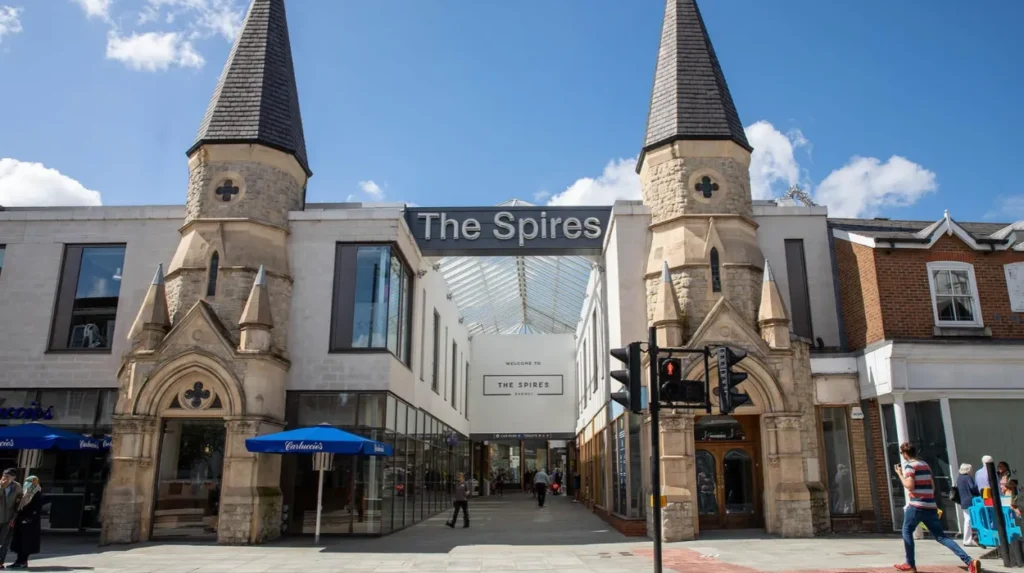
The Spires is a shopping centre within Chipping Barnet town centre. It complements the surrounding High Street by bringing additional retail businesses into the same visitor area.
Combining The Spires with the traditional street creates a broader shopping itinerary. Visitors can browse the centre before walking along the High Street to explore independent businesses and historic buildings.
The wider area is also suitable for a heritage-focused walk. The Wood Street Conservation Area includes historic shops around Barnet Hill, St John the Baptist Church and Wood Street. The council describes its commercial character as a mixture of small independent retailers, national chains, cafés, restaurants and pubs.
As you explore the modern shopping area, you are crossing a landscape shaped by centuries of trade. Read the full [Insert Anchor Text for Chipping Barnet History Article Here] to understand the settlement’s historic market, transport routes and architectural development.
Why is Barnet Market an important stop for visitors?
Barnet Market is a historic market destination associated with Chipping Barnet’s long-standing commercial role. It provides a different shopping experience from permanent retail premises, connecting visitors with the town’s market heritage and offering an additional stop alongside the High Street and The Spires.
Barnet Market is one of the area’s defining historic attractions. Barnet Council records the market’s origins in 1199 and confirms that it continues to operate today. Its long history links the modern town centre with the trading activity that helped establish Barnet as a market settlement.
The market and High Street serve related but distinct purposes. Permanent shops generally operate from fixed premises with their own opening hours, while market stalls provide a more concentrated opportunity to browse goods in a traditional market setting.
For visitors, the market works well as part of a walking itinerary rather than as an isolated destination. Start with the High Street, explore the market when trading is taking place, and then continue to nearby shops, cafés or historic buildings.
Market-day planning is important. The council confirms that the market remains active, but visitors should check its official information for current trading days, hours, stall arrangements and any seasonal changes before making a special journey.
A market visit also gives travellers a clearer understanding of how traditional high streets operate. Shopping streets are not simply collections of shops; they are connected commercial areas where retailers, market traders, food businesses and public spaces contribute to the local economy.
The historic market setting also provides context for exploring Chipping Barnet’s older buildings. Historic England’s research into properties on High Street has identified medieval and sixteenth-century timber within surviving structures, demonstrating the depth of the area’s architectural heritage.
Which traditional shopping streets should you explore in East Barnet?
East Barnet offers a neighbourhood shopping environment serving nearby residential streets. Its local commercial centre is suited to visitors who want to explore everyday shops, food businesses and local services away from the larger retail concentration of Chipping Barnet.
East Barnet is identified by Barnet Council as one of the borough’s local and neighbourhood town centres. Such centres serve smaller catchment areas than major town centres and focus on the day-to-day needs of surrounding communities.
The neighbourhood’s commercial streets are best approached as places for everyday shopping rather than as a large-scale destination retail district. Visitors can look for convenience shops, food outlets, personal services and independent businesses along the local shopping area.
What should visitors look for in East Barnet?
The most practical approach is to explore the established local centre on foot and observe how businesses serve the residential neighbourhood. Food shopping, cafés and essential services provide a sense of the area’s ordinary commercial life.
Visitors interested in independent retail should check current business directories before travelling. The available selection changes over time, and not every neighbourhood centre contains specialist shops or attractions aimed specifically at tourists.
East Barnet is also worth considering for travellers staying in nearby residential districts. A local shopping stop offers convenient access to everyday essentials without requiring a journey to a larger town centre.
How does East Barnet differ from High Barnet?
High Barnet has a more prominent historic town centre, a recognised market tradition, The Spires and a wider concentration of retail and leisure facilities. East Barnet functions as a neighbourhood centre, with commercial services focused more directly on the surrounding community.
This distinction helps visitors select an appropriate destination. Those interested in heritage, market history and a longer shopping walk should prioritise Chipping Barnet. Those seeking a quieter neighbourhood shopping experience should consider East Barnet.
What can you explore along Friern Barnet’s traditional shopping streets?
Friern Barnet is a neighbourhood town centre in the London Borough of Barnet. Its local shopping environment serves residents through everyday retail and service businesses, making it relevant to visitors interested in suburban North London and its established community shopping areas.
Friern Barnet appears in Barnet Council’s list of local and neighbourhood town centres. The designation places it within the borough’s wider network of commercial areas that support local shopping, services and community activity.
The area is suitable for travellers who want to understand the structure of suburban North London beyond its largest shopping destinations. Local centres typically provide access to everyday goods, food businesses and services, although the exact mix depends on the individual street and current business occupancy.
A useful visit focuses on the working high street rather than a fixed list of tourist attractions. Look for independent retailers, cafés, food shops and service businesses, then explore the surrounding residential streets to understand how the commercial centre connects with the neighbourhood.
Friern Barnet is not interchangeable with Chipping Barnet. The two areas have different histories, commercial scales and visitor experiences. Chipping Barnet has a documented medieval market tradition, whereas Friern Barnet is best approached as a local shopping destination within the borough’s broader network of town centres.
Visitors should confirm the exact location of individual businesses before setting out. Commercial addresses and business names can be confused when planning journeys across North London, especially when several neighbourhoods share the Barnet name.
For a more comprehensive day of exploring traditional shopping streets, Friern Barnet works best as a separate stop on a wider North London itinerary rather than an assumed walking extension of High Barnet.
Which other Barnet town centres are worth including in a shopping itinerary?
Barnet’s wider town-centre network includes New Barnet, Whetstone, Mill Hill, North Finchley and Finchley Central. Each provides a different local shopping environment, giving visitors alternatives for exploring independent retailers, food businesses and established commercial streets across the borough.
Barnet Council identifies 30 town centres across the borough, grouped into main, district, local and neighbourhood centres. This network reflects the borough’s size and the distribution of its residential communities.
New Barnet
New Barnet is a district town centre with a commercial area associated with its railway connections and surrounding residential streets. The Great North Road and nearby shopping areas provide a starting point for exploring its local businesses.
Visitors should distinguish New Barnet from High Barnet when planning journeys. The names refer to different places, and their shopping environments and transport connections are not identical.
Whetstone
Whetstone is another district town centre listed by Barnet Council. Its established shopping area provides access to local retailers, food businesses and services along a North London commercial corridor.
It suits visitors who want to combine everyday shopping with a walk through a residential district. Checking the current business mix helps identify particular shops before arrival.
Mill Hill
Mill Hill provides another option for exploring Barnet’s suburban commercial character. The area has its own conservation-area heritage, alongside shopping and local services.
Visitors interested in architecture should consult Barnet Council’s conservation-area information to understand which parts of Mill Hill have recognised historic character. A shopping walk can then be combined with a closer look at the area’s built environment.
North Finchley and Finchley Central
North Finchley and Finchley Central are established commercial centres within the borough. They provide alternatives to the historic market-town atmosphere of Chipping Barnet, with their own combinations of retail premises, cafés, restaurants and services.
These destinations are particularly relevant to visitors staying in southern or eastern parts of Barnet. Exploring the closest suitable centre can reduce unnecessary travel while providing access to local businesses.
The best approach is to select one or two centres based on location and interests rather than attempting to cover the entire borough in a single afternoon. Chipping Barnet is the strongest starting point for a heritage-led high-street visit; other centres provide additional opportunities to explore neighbourhood commerce.
How can visitors plan a walking route around Barnet’s high streets?
A successful Barnet high-street walk combines a clearly defined starting point, manageable distances, planned food stops and checks on business opening times. Visitors should group nearby shops and attractions together, use public transport where practical and allow time for historic buildings and local market activity.
Chipping Barnet offers a straightforward starting point because its High Street, market area and The Spires form a connected town-centre itinerary. Visitors can explore the main shopping area before deciding whether to continue towards nearby heritage locations.
A practical visit follows this sequence:
- Start at High Barnet Underground station and make your way towards the town centre.
- Walk along the High Street, noting independent retailers, cafés and historic buildings.
- Explore The Spires for additional shopping options.
- Visit Barnet Market if it is trading during your visit.
- Take a break at a local café or restaurant.
- Continue towards the Wood Street Conservation Area or a nearby green space if time permits.
This route prioritises walkable destinations and avoids unnecessary journeys between distant neighbourhoods.
How should visitors prepare before setting off?
Check transport services, business opening times and market information before travelling. Weekend trading hours differ from weekday schedules, and individual shops sometimes close on days when the surrounding high street remains busy.
Comfortable footwear is useful because the historic High Street includes sloping sections around Barnet Hill. Visitors with limited mobility should review route gradients, crossing points and step-free access at individual venues.
Travellers planning to work remotely during the day should identify cafés with suitable seating and confirm their policies on laptop use, Wi-Fi and longer stays. Not every café offers dedicated work facilities, and availability depends on the business.
Parking arrangements, bus routes and road conditions should also be checked using current transport information. Public transport is a practical option for reaching High Barnet from central London, while buses connect neighbourhoods across the wider borough.
Why do historic buildings matter when exploring Barnet’s shopping streets?
Historic buildings help explain how Barnet’s shopping streets developed from earlier settlements and trading routes. Surviving structures, conservation areas and historic street layouts provide evidence of the borough’s architectural development and the relationship between heritage, retail activity and modern neighbourhood life.
Chipping Barnet’s history is closely connected with trade and movement along routes north of London. Its historic market attracted commercial activity, while the surrounding buildings developed to support residents, travellers and businesses.
Historic England’s research into 54a and 58 High Street found that timber in the roof structure at 54a dates to trees felled in the 1330s or 1340s. The study also identified timber associated with the Old Mitre Inn’s carriageway dating to the late 1530s. These findings provide physical evidence of the age of surviving buildings in the town centre.
Wood Street adds another layer to this heritage. Historic England records the development of houses and urban villas along the street, linking it with the medieval core around the market and the historic route towards St Albans.
Barnet Council identifies conservation areas as places with special architectural or historic interest. These designations help guide decisions about development and alterations that affect the area’s character. The borough’s conservation areas include Wood Street, Monken Hadley, Mill Hill and Totteridge.
Visitors do not need specialist architectural knowledge to appreciate these places. Looking at building materials, rooflines, shopfronts and the relationship between historic premises and modern businesses helps explain how the high street has changed.
Heritage protection also has practical implications. Conservation-area status affects certain building works, while listed-building controls apply to designated structures. Visitors interested in a particular property should consult official records rather than assume that every old-looking building has the same legal status.
Explore More Area Guide
How Barnet Supports Local Wildlife and Biodiversity
Barnet Tree Cover: Environmental Benefits for North London
How do Barnet’s traditional high streets support local businesses and communities?
Barnet’s traditional high streets support local economies by providing premises for retailers, hospitality businesses, professional services and essential shops. They also offer accessible meeting places and everyday facilities, connecting commercial activity with the needs of residents, visitors and surrounding neighbourhoods.
The borough’s town centres serve different purposes depending on their size, location and surrounding population. Main centres such as Chipping Barnet attract a broader range of shopping and leisure activity, while neighbourhood centres provide more localised services.
Small businesses contribute to the diversity of these commercial areas. Examples include independent food shops, florists, cafés, clothing retailers and personal-service businesses. Each provides a different reason to visit, while collectively helping maintain activity along the street.
High streets also support spending within local communities. Visitors who buy lunch, purchase gifts or use independent services contribute to the businesses operating in the area. Choosing local retailers during a visit is a practical way to engage with the destination beyond sightseeing.
However, traditional shopping streets face ongoing changes in retail habits, property use and competition from online shopping. Barnet Council’s town-centre framework recognises the need to maintain thriving commercial areas while responding to future opportunities.
The future of these streets depends on a combination of accessible public spaces, suitable commercial premises, reliable transport and a varied business offer. Historic character can distinguish a town centre, but practical facilities and an active mix of businesses remain essential to its everyday use.
For visitors, this means that the most rewarding way to explore a high street is to treat it as a working neighbourhood rather than a static heritage attraction. Shopping, eating, observing architecture and visiting nearby public spaces together provide a fuller picture of Barnet.
Which traditional Barnet high street should you choose for your visit?
Chipping Barnet is the strongest choice for visitors seeking historic character, traditional shopping and market heritage. East Barnet and Friern Barnet suit neighbourhood exploration, while New Barnet, Whetstone, Mill Hill and Finchley provide additional options across the borough.
Choose Chipping Barnet for the combination of High Street shops, The Spires, Barnet Market and historic buildings. Its documented market history and transport connections make it a practical destination for a half-day visit.
Choose East Barnet or Friern Barnet when the aim is to explore everyday suburban shopping and local services. These centres provide a more neighbourhood-focused experience than the historic market centre.
Consider New Barnet, Whetstone, Mill Hill, North Finchley or Finchley Central when staying nearby or exploring another part of the borough. Their commercial areas broaden the range of local businesses and streets available to visitors.
Before travelling, confirm market schedules, opening hours and transport information. Businesses change over time, so checking current listings ensures that the chosen route matches the visitor’s interests.
Barnet’s traditional high streets offer a useful combination of shopping, local food, architectural heritage and neighbourhood life. Exploring them on foot provides a practical way to understand North London’s varied commercial character while supporting the businesses that keep these areas active.
Which is the best traditional high street to visit in Barnet?
Chipping Barnet High Street is a strong choice for visitors interested in traditional shopping, historic buildings and local heritage. Its attractions include Barnet Market, The Spires shopping centre, independent retailers, cafés and nearby conservation areas.