Barnet protects its historic character through conservation area designations, listed building controls, local heritage policies, Article 4 Directions and planning regulations. These measures preserve historic architecture, traditional streetscapes, significant landscapes and archaeological sites while allowing carefully managed development across the London Borough of Barnet.
- What Does Historic Character Mean in the London Borough of Barnet?
- How Many Conservation Areas Does Barnet Have?
- How Do Conservation Area Character Appraisals Protect Barnet’s Heritage?
- How Does Barnet Control Development in Historic Areas?
- What Are Article 4 Directions and How Do They Protect Barnet?
- How Does Barnet Protect Listed Buildings and Locally Listed Properties?
- Which Historic Places in Barnet Demonstrate Successful Heritage Protection?
- How Does Barnet Protect Historic Trees, Gardens and Green Spaces?
- How Does Barnet Use Its Local Plan to Protect Historic Character?
- What Does Policy CDH08 Mean for Historic Buildings?
- How Does the Local Plan Balance Development and Conservation?
- How Does Barnet Protect Archaeological Heritage?
- How Do Historic England and Barnet Council Work Together?
- How Do Local Communities Help Preserve Barnet’s Historic Character?
- How Can Visitors Explore Barnet’s Historic Character Responsibly?
- Explore Hampstead Garden Suburb
- Discover Monken Hadley
- Visit Finchley Church End
- Explore Mill Hill and Totteridge
- Follow Responsible Heritage Practices
- What Is the Historical Background Behind Barnet’s Protected Character?
- How Will Heritage Conservation Shape Barnet’s Future?
The borough combines historic villages, Victorian and Edwardian residential streets, garden suburb architecture, religious buildings, traditional town centres and green spaces. Its historic environment reflects centuries of settlement and changing architectural styles.
For visitors, these protections explain why places such as Hampstead Garden Suburb, Monken Hadley, Finchley Church End and Totteridge retain distinctive architectural identities. For residents, property owners and developers, they establish clear requirements for maintaining the area’s heritage.
What Does Historic Character Mean in the London Borough of Barnet?
Historic character describes the architectural, cultural, archaeological and environmental features that give a place its distinctive identity. In Barnet, these features include historic buildings, traditional street layouts, building materials, mature trees, village centres and established residential landscapes.
The London Borough of Barnet occupies an important position in North London. Its historic identity developed through rural settlements, market activity, religious institutions, transport routes and suburban expansion.
Historic character is not limited to individual old buildings. It also includes the relationships between buildings, streets, public spaces and surrounding landscapes.
A traditional village street, for example, retains its historic character through its building scale, rooflines, shopfronts, road layout and relationship with nearby open land.
Barnet’s historic environment contains several architectural periods:
- Medieval and early settlement heritage, including historic village centres and churches.
- Georgian architecture, including traditional residential and institutional buildings.
- Victorian development, including railway-era housing and commercial streets.
- Edwardian architecture, including planned residential neighbourhoods.
- Twentieth-century architecture, including garden suburb developments and distinctive civic buildings.
These architectural periods help explain the borough’s varied appearance.
Historic character also has practical importance. It supports local identity, attracts visitors, contributes to neighbourhood quality and provides evidence of how North London developed.
The council therefore considers heritage significance when assessing development proposals that affect historic buildings, conservation areas and their surroundings.
How Many Conservation Areas Does Barnet Have?
Barnet has 16 designated conservation areas, covering places with special architectural or historic interest. These include Hampstead Garden Suburb, Monken Hadley, Golders Green, Mill Hill, Totteridge and Finchley Church End, each with distinct heritage characteristics.
A conservation area is a geographically defined location recognised for its special architectural or historic interest. Under Section 69 of the Planning (Listed Buildings and Conservation Areas) Act 1990, local planning authorities designate areas whose character or appearance deserves preservation or enhancement.
Barnet Council identifies the following 16 conservation areas:
- College Farm
- Finchley Church End
- Finchley Garden Village
- Glenhill Close
- Golders Green
- Hampstead Garden Suburb
- Hampstead Village (Heath Passage)
- Hendon Church End
- Hendon The Burroughs
- Mill Hill
- Monken Hadley
- Moss Hall Crescent
- Railway Terraces
- Totteridge
- Watling Estate
- Wood Street
Each designation recognises a particular combination of buildings, streets, spaces and architectural features.
Source: Barnet Council, Conservation Areas.
Conservation areas receive additional planning attention because changes to individual properties can affect the wider appearance of a neighbourhood.
Barnet Council publishes conservation area character appraisals and boundary maps. These documents explain the architectural features, historic development and environmental qualities that justify protection.
For visitors, these areas provide opportunities to explore different stages of North London’s development. Walking through Hampstead Garden Suburb reveals planned Edwardian architecture, while Monken Hadley demonstrates the historic character of a village settlement.
How Do Conservation Area Character Appraisals Protect Barnet’s Heritage?
Conservation Area Character Appraisals identify the architectural, historical and environmental features that make each designated area distinctive. Barnet Council uses these documents to guide planning decisions, assess proposed changes and establish priorities for preserving local character.
A Conservation Area Character Appraisal is an official assessment of a designated neighbourhood. It records the features that contribute to its special interest and provides a reference for future development decisions.
Barnet Council publishes appraisal statements and boundary maps for its conservation areas. These documents help residents, architects, planning officers and developers understand which characteristics require protection.
An appraisal generally examines several aspects of a neighbourhood, including:
- Architectural design, such as building proportions, roof shapes and traditional façades.
- Historic development, including the original settlement pattern and important building periods.
- Streetscape features, such as pavements, boundary walls, street furniture and traditional shopfronts.
- Landscape character, including mature trees, gardens, green spaces and important views.
- Building materials, including traditional brickwork, timber details, stonework and roof coverings.
These assessments help the council identify buildings that contribute positively to a conservation area’s appearance.
They also identify features that require improvement or sensitive management. For example, replacing traditional windows with inappropriate modern designs can affect the appearance of a historic property.
A character appraisal gives planning officers evidence to assess whether proposed alterations preserve or enhance the area’s significance.
Why Are Conservation Appraisals Important for Development?
Conservation appraisals provide a consistent planning reference. They help prevent development that damages established architectural relationships or removes important historic features.
They also support appropriate improvements. New buildings do not need to reproduce historical architecture, but their scale, materials, layout and design must respond appropriately to the surrounding environment.
Visitors can use these appraisals to understand the distinctive features of Barnet’s historic neighbourhoods before exploring them.
How Does Barnet Control Development in Historic Areas?
Barnet Council controls development through planning permission, conservation area restrictions, listed building consent and national planning legislation. These controls assess alterations, extensions, demolition and new construction to prevent unacceptable harm to historic buildings and neighbourhood character.
Planning control is one of the most important mechanisms for protecting Barnet’s historic environment.
The council acts as the local planning authority. It assesses applications against the development plan, national planning policy and relevant heritage guidance.
The Planning (Listed Buildings and Conservation Areas) Act 1990 provides the principal statutory framework for listed buildings and conservation areas in England.
Development proposals within conservation areas receive additional scrutiny because changes to individual properties can affect the wider historic environment.
Examples of work requiring careful consideration include:
- Demolition of buildings or structures.
- Major extensions and alterations.
- Changes to traditional roofs and architectural details.
- Replacement windows and external doors.
- New buildings affecting historic streetscapes.
- Changes to boundary walls and other significant features.
The precise permission requirements depend on the property, location and proposed work.
What Happens When Someone Applies for Planning Permission?
Barnet Council evaluates development proposals according to their potential effects on heritage significance.
Applicants must demonstrate that their designs respond appropriately to the character of the location.
Applications affecting heritage assets often require a Heritage Statement. This document explains the historical, architectural or archaeological significance of the affected asset and assesses the impact of the proposed development.
Barnet Council’s validation guidance identifies the information required for different heritage-related applications. Proposals involving listed buildings, conservation areas and archaeological interests require different levels of supporting evidence.
A Heritage Statement can include:
- A description of the building’s historical development.
- An assessment of architectural significance.
- Photographs and existing building drawings.
- Details of proposed alterations.
- An explanation of how the proposal affects the heritage asset.
- Justification for demolition or substantial changes, where relevant.
Applications affecting listed buildings can also require a schedule of works and justification for the proposed alterations.
These requirements encourage applicants to consider heritage protection before construction begins.
What Are Article 4 Directions and How Do They Protect Barnet?
Article 4 Directions remove specified permitted development rights within defined locations. Barnet uses these planning controls in selected conservation areas to require permission for certain alterations that would otherwise proceed without a formal planning application.
Permitted development rights are national planning permissions that allow certain building works without submitting an individual planning application.
An Article 4 Direction removes particular rights in a defined area. Property owners must then obtain planning permission for the affected work.
Barnet applies Article 4 Directions to protect the architectural features and established appearance of selected conservation areas.
These directions can control changes such as:
- Replacement windows and doors.
- Alterations to roofs and external materials.
- Changes to boundary treatments.
- Certain external additions and extensions.
- Other specified alterations covered by the relevant direction.
The restrictions depend on the wording and geographical coverage of each direction.
Barnet Council confirms that 10 conservation areas are either covered by one or more Article 4 Directions in force. This does not mean every permitted development right is removed throughout those areas.
Source: Barnet Council, Article 4 Directions and Conservation Areas.
How Do Article 4 Directions Affect Property Owners?
Property owners must check whether their address falls within an Article 4 area before undertaking controlled external alterations.
For example, a homeowner planning to replace traditional windows must establish whether the proposed work requires permission under the applicable restrictions.
The council assesses applications using the relevant development plan policies and other material planning considerations.
An Article 4 Direction does not automatically prohibit development. It changes the planning permission requirements and allows the council to assess proposals before work begins.
Visitors exploring protected residential streets can often recognise the results through consistent architectural details, traditional building materials and carefully maintained front gardens.
How Does Barnet Protect Listed Buildings and Locally Listed Properties?
Barnet protects nationally listed buildings through statutory legislation and recognises additional locally listed properties through its local heritage policy. These designations identify significant buildings, support sensitive maintenance and guide decisions about alterations, demolition and future development.
Listed buildings are structures recognised for their special architectural or historic interest.
Historic England advises on the identification of nationally significant buildings. The Secretary of State for Culture, Media and Sport is responsible for statutory listing decisions.
The National Heritage List for England provides the official register of protected buildings and sites.
Listed buildings receive one of three statutory grades:
- Grade I: Buildings of exceptional interest.
- Grade II*: Particularly important buildings of more than special interest.
- Grade II: Buildings of special interest.
Grade II is the most common designation.
Listed building protection covers more than external appearances. It also extends to internal features and qualifying structures within a building’s curtilage.
Under the Planning (Listed Buildings and Conservation Areas) Act 1990, owners must obtain Listed Building Consent for works that affect the special architectural or historic character of a listed building.
This requirement applies to relevant internal and external alterations.
What Is the Difference Between Statutory and Local Listing?
Local listing recognises buildings that contribute positively to Barnet’s local identity but do not meet the requirements for national statutory listing.
Barnet’s Local Heritage List identifies buildings and other heritage assets with local architectural or historical significance.
The council approved its Local Heritage List on 6 January 2020. Additional entries were approved on 13 December 2022.
The selection process involved council officers, councillors, heritage specialists and local volunteers. Consultation with property owners and occupiers also formed part of the assessment.
Locally listed buildings do not receive the same statutory protection as nationally listed buildings. However, their heritage value remains a material consideration in planning decisions.
This distinction allows Barnet to recognise important neighbourhood buildings without requiring every historic property to receive national designation.
Which Historic Places in Barnet Demonstrate Successful Heritage Protection?
Barnet’s historic neighbourhoods demonstrate how conservation policies protect different architectural periods and settlement patterns. Hampstead Garden Suburb, Monken Hadley, Finchley Church End, Mill Hill and Totteridge provide examples of distinctive historic environments across North London.
The borough’s conservation areas contain different architectural styles and settlement characteristics. Their protection depends on understanding the individual significance of each location.
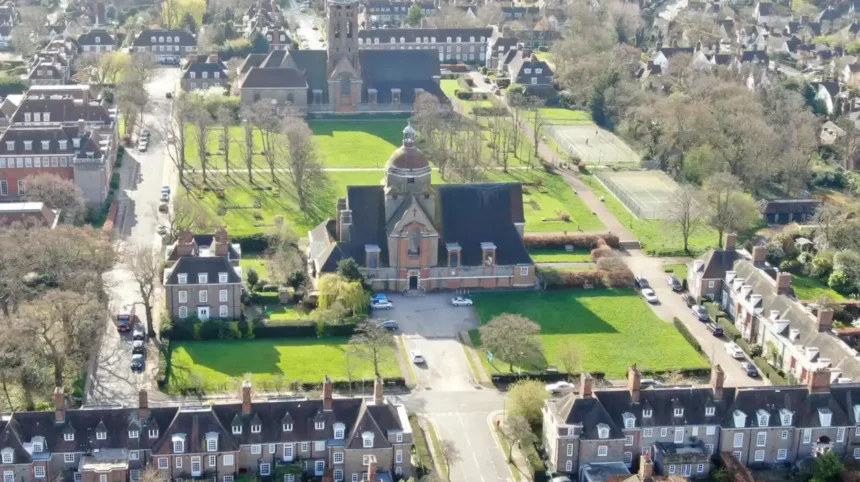
Hampstead Garden Suburb
Hampstead Garden Suburb is one of Barnet’s most recognisable historic environments.
The development began in 1907 and became an important example of planned residential architecture. Architects Barry Parker and Raymond Unwin contributed significantly to its design.
The suburb combines traditional architectural forms, carefully planned streets, gardens and public spaces.
Historic England records numerous Grade II and Grade II* buildings within the area. Examples include the artisans’ cottages at 140 and 142 Hampstead Way, dating from 1907, and houses at Corringham Road designed by Parker and Unwin.
The architectural features include:
- Red brick and painted pebbledash façades.
- Traditional tiled roofs.
- Leaded casement windows.
- Decorative chimneys and timber details.
- Carefully designed garden walls and entrances.
The suburb’s significance comes from the relationship between its buildings, landscaping and street layout, rather than individual houses alone.
Historic England’s listing records provide detailed descriptions of its architectural significance.
Monken Hadley
Monken Hadley retains the appearance of a traditional village within the modern London urban area.
Its historic character comes from its village layout, traditional buildings, church setting and relationship with surrounding open landscapes.
St Mary the Virgin Church is an important architectural landmark. The village environment also connects with the wider history of the Battle of Barnet, fought in 1471 during the Wars of the Roses.
Conservation protection helps maintain the relationship between historic buildings, village streets and open spaces.
For visitors, Monken Hadley offers opportunities to explore historic architecture and nearby countryside without travelling outside Greater London.
Finchley Church End
Finchley Church End represents an important part of Finchley’s historic settlement.
Its character reflects the development of a traditional community around a historic religious centre.
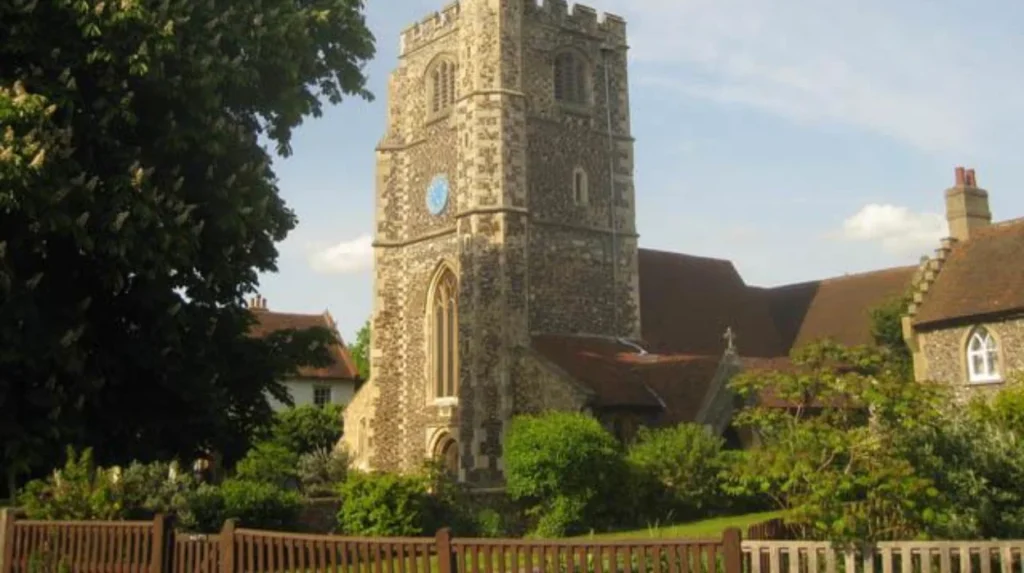
St Mary’s Church provides a significant architectural and historical reference point. The surrounding streets and buildings contribute to the area’s established identity.
Conservation planning helps retain the relationship between the church, neighbouring properties and the historic street pattern.
Mill Hill
Mill Hill contains a mixture of historic village character and later suburban development.
Its conservation area designation recognises the architectural and historical importance of selected parts of the district.
Traditional buildings, established street layouts and mature landscaping contribute to its local character.
Mill Hill also demonstrates how heritage protection operates alongside modern residential development. The planning system considers the effects of new construction on the historic environment rather than preventing all change.
Totteridge
Totteridge retains a distinctive village environment characterised by historic buildings, green spaces and mature trees.
The relationship between residential properties and surrounding open land contributes to its heritage significance.
Development proposals in Totteridge require consideration of building scale, landscape setting, boundary treatments and the visual relationship between properties.
These examples demonstrate that Barnet’s heritage protection covers planned suburbs, historic villages, religious buildings and established residential streets.
How Does Barnet Protect Historic Trees, Gardens and Green Spaces?
Barnet protects historic landscapes through conservation area controls, tree legislation, planning policies and landscape assessments. These measures safeguard mature trees, traditional gardens, important views and open spaces that contribute to the architectural and environmental character of historic neighbourhoods.
Historic character includes the natural environment surrounding buildings.
Mature trees, garden layouts, green boundaries and established planting patterns contribute to the appearance of many Barnet conservation areas.
Removing these features can change the character of a street even when the buildings remain untouched.
Barnet therefore considers landscape features when evaluating development proposals.
How Are Trees Protected in Conservation Areas?
Trees in conservation areas receive additional legal protection under the Planning (Listed Buildings and Conservation Areas) Act 1990.
Property owners generally need to provide the local planning authority with six weeks’ notice before carrying out certain work to trees that are not already protected by a Tree Preservation Order.
This requirement gives the council an opportunity to assess the proposed work and consider whether a Tree Preservation Order is appropriate.
Government guidance establishes a general notification threshold for trees with a trunk diameter exceeding 75 millimetres, measured at 1.5 metres above ground level, subject to specified exceptions.
A Tree Preservation Order is a legal protection that controls work on designated trees. Unauthorised work to a protected tree can result in enforcement action.
Why Are Historic Gardens and Open Spaces Important?
Historic gardens provide evidence of how neighbourhoods developed and how residents used their outdoor spaces.
Their importance includes:
- Preserving traditional property boundaries and garden layouts.
- Maintaining mature trees and established planting.
- Protecting views towards historic buildings.
- Retaining the relationship between buildings and open land.
- Supporting local biodiversity and environmental quality.
Hampstead Garden Suburb provides a clear example of how landscaping contributes to architectural significance.
Its residential buildings, gardens, streets and communal spaces form an integrated planned environment.
Similarly, the green surroundings of Totteridge contribute to its historic village identity.
For visitors, these landscapes offer opportunities for walking, photography and exploring the architectural relationship between historic buildings and their surroundings.
How Does Barnet Use Its Local Plan to Protect Historic Character?
Barnet uses its Local Plan to guide development and protect heritage assets across the borough. The adopted Barnet Local Plan 2021–2036 establishes planning policies for conservation areas, listed buildings, local heritage assets and sustainable development.
A Local Plan is a statutory planning document that establishes the policies used to assess development proposals within a local authority’s area.
Barnet Council formally adopted its Local Plan on 4 March 2025.
The plan covers the period from 2021 to 2036 and works alongside the London Plan and other relevant planning documents.
It provides the policy framework for managing development, housing, infrastructure, environmental protection and heritage conservation.
Policy CDH08 addresses heritage considerations.
The policy framework recognises that heritage assets are an irreplaceable resource. Development decisions must consider their significance and opportunities to preserve or enhance that significance.
The council also recognises that well-designed development can make a positive contribution to heritage assets.
What Does Policy CDH08 Mean for Historic Buildings?
Policy CDH08 establishes the importance of conserving designated and non-designated heritage assets.
These include:
- Statutory listed buildings, such as nationally protected historic houses.
- Conservation areas, such as Hampstead Garden Suburb.
- Locally listed buildings, such as properties recognised for their local historical interest.
- Scheduled monuments, which receive statutory protection because of their archaeological or historical importance.
- Registered parks and gardens, which have recognised historic landscape significance.
- Archaeological sites and areas of archaeological interest.
Planning applications affecting these assets require appropriate consideration of their significance.
The council assesses whether development preserves heritage value and whether design changes enhance the surrounding environment.
How Does the Local Plan Balance Development and Conservation?
Barnet continues to experience housing demand, infrastructure investment and changes to established residential areas.
The planning system must balance these development requirements with the need to protect historic places.
New development does not automatically damage heritage character. Appropriate designs can respect traditional building heights, street patterns and architectural materials while providing modern facilities.
For example, a new residential building near a conservation area requires careful consideration of its height, massing, materials and relationship with neighbouring properties.
A design that responds to the local context can support regeneration without removing the area’s historical identity.
This approach makes heritage protection part of long-term planning rather than treating it as a restriction on all development.
How Does Barnet Protect Archaeological Heritage?
Barnet protects archaeological heritage through planning assessments, archaeological priority areas and policies governing historically significant sites. These measures help identify buried remains, assess construction risks and ensure important archaeological evidence receives appropriate consideration before development.
Archaeological heritage includes physical evidence of past human activity. It covers buried structures, ancient settlements, historic artefacts, foundations and remains associated with earlier communities.
Barnet’s archaeological heritage reflects its long history of settlement and development.
The borough contains locations associated with medieval settlements, historic churches, former agricultural landscapes and the Battle of Barnet in 1471.
Archaeological investigations help identify evidence that is not visible above ground.
What Happens When Development Affects an Archaeological Site?
Planning applications involving archaeologically sensitive land require appropriate assessment.
Depending on the site’s significance and the proposed development, the council can request archaeological information before determining an application.
This information can include:
- An archaeological desk-based assessment using historical maps and records.
- Field evaluations to investigate potential archaeological remains.
- Archaeological recording before construction.
- Excavation and preservation of significant discoveries.
- Reports documenting recovered evidence and findings.
The planning process considers whether archaeological remains require preservation in their original location or appropriate investigation and recording.
This approach helps prevent construction from unnecessarily destroying archaeological evidence.
Barnet’s Local Plan recognises Local Archaeological Priority Areas and Local Areas of Special Archaeological Significance as important heritage considerations.
Archaeological protection therefore extends beyond buildings and visible historic landmarks. It also covers the evidence beneath streets, gardens and development sites.
How Do Historic England and Barnet Council Work Together?
Historic England provides national expertise on heritage protection, while Barnet Council manages local planning decisions and conservation policies. Their responsibilities connect national listing, specialist advice, conservation guidance and the management of historic buildings and landscapes.
Historic England is the national heritage adviser for England.
It maintains the National Heritage List for England and provides guidance on historic buildings, conservation areas and heritage management.
Barnet Council uses national heritage guidance when assessing planning applications and managing designated heritage assets.
Their responsibilities include different but connected activities.
Historic England:
- Advises on nationally significant historic buildings.
- Maintains the National Heritage List for England.
- Provides conservation guidance and technical advice.
- Supports research into historic buildings and landscapes.
- Advises on heritage management and preservation.
Barnet Council:
- Designates local conservation areas.
- Publishes character appraisals and boundary maps.
- Maintains its Local Heritage List.
- Determines planning applications.
- Enforces relevant planning and heritage legislation.
This relationship provides a framework for protecting historic places at both national and local levels.
Historic England’s listing records also provide useful information for residents and visitors researching the architectural history of Barnet.
How Do Local Communities Help Preserve Barnet’s Historic Character?
Local communities support heritage conservation through neighbourhood participation, voluntary research, consultation and responsible property maintenance. Residents, historical organisations and conservation groups contribute local knowledge that helps identify significant buildings, landscapes and traditional features.
Community participation strengthens the identification and protection of local heritage.
Residents often possess historical knowledge that is not fully represented in official records. They can identify traditional buildings, former community facilities, historic street features and locally important landmarks.
Barnet’s Local Heritage List demonstrates this approach.
The council involved volunteers, heritage specialists, councillors and officers in assessing buildings for local heritage recognition. Consultation with owners and occupiers also formed part of the process.
Community participation supports conservation through several activities.
Local heritage research: Residents investigate historic photographs, maps, documents and building records to understand how neighbourhoods developed.
Public consultation: Communities provide feedback on proposed conservation policies, planning applications and heritage management.
Conservation awareness: Local organisations encourage appropriate maintenance of historic buildings and traditional architectural features.
Voluntary involvement: Residents contribute information about buildings and places that deserve recognition.
Conservation Area Advisory Committees also provide a channel for local heritage knowledge and discussion.
These activities help connect planning decisions with the experiences and knowledge of people who live in the borough.
For visitors, community-led heritage information provides additional context when exploring historic neighbourhoods.
How Can Visitors Explore Barnet’s Historic Character Responsibly?
Visitors can explore Barnet’s historic character through conservation areas, historic churches, traditional village centres and architecturally significant residential streets. Walking routes, heritage records and public spaces provide opportunities to understand the borough’s history without disturbing protected buildings.
Barnet offers several locations where visitors can observe the results of heritage protection.
A heritage visit can combine architectural exploration, photography, walking and historical research.
Explore Hampstead Garden Suburb
Start with Hampstead Garden Suburb to understand planned Edwardian residential architecture.
Visitors can explore its public streets, landscaped surroundings and distinctive architectural details.
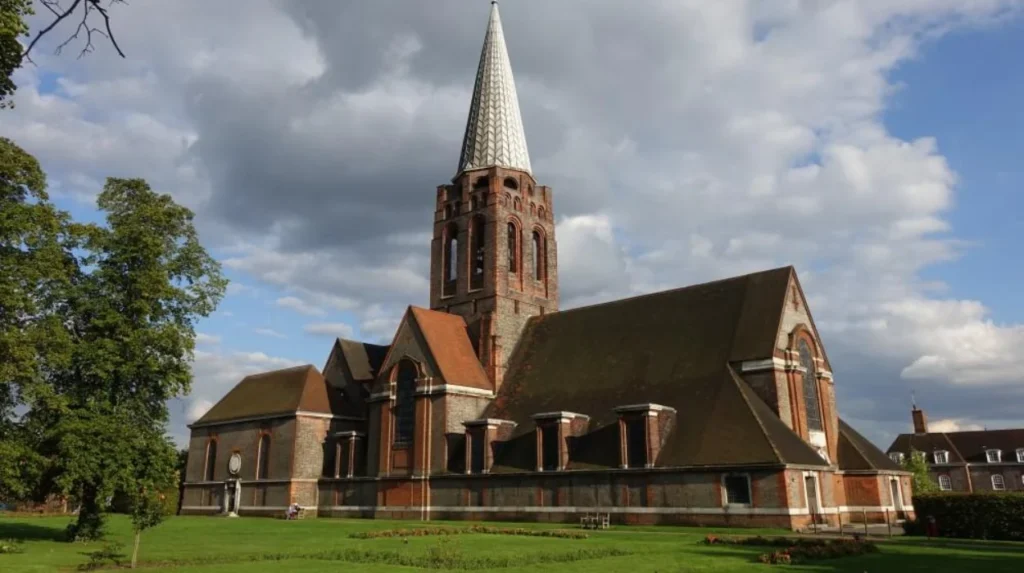
Central Square and the Church of St Jude provide important architectural reference points.
The suburb is particularly suitable for visitors interested in town planning, architecture and early twentieth-century residential design.
Discover Monken Hadley
Monken Hadley provides a different experience through its historic village character.
Visitors can explore the village streets, historic church surroundings and nearby green spaces.
The area also connects with the history of the Battle of Barnet in 1471.
Visit Finchley Church End
Finchley Church End offers opportunities to explore historic religious architecture and the development of an established North London settlement.
St Mary’s Church provides an important historical landmark.
Explore Mill Hill and Totteridge
Mill Hill and Totteridge demonstrate how traditional settlements developed alongside modern suburban neighbourhoods.
Visitors interested in landscape photography can observe historic buildings, established trees and the relationship between residential streets and green surroundings.
Follow Responsible Heritage Practices
Exploring historic neighbourhoods requires respect for private property and protected buildings.
Visitors should:
- Photograph buildings from public spaces where possible.
- Avoid entering private gardens and residential properties without permission.
- Respect signs and restrictions around historic sites.
- Avoid touching or damaging architectural features.
- Follow local access and conservation guidance.
Heritage tourism supports appreciation of historic places while encouraging responsible use of public spaces.
For visitors planning a wider North London itinerary, Barnet’s conservation areas provide useful connections between architectural history, village heritage and green-space exploration.
Explore More Area Guide
Barnet Development Areas: Major Regeneration Projects in North London
How Housing Development Has Transformed Barnet’s Landscape
What Is the Historical Background Behind Barnet’s Protected Character?
Barnet’s historic character developed through centuries of settlement, agriculture, religious activity, transport expansion and suburban growth. Understanding these historical influences explains why the borough contains medieval village centres, Victorian streets, Edwardian garden suburbs and distinctive twentieth-century neighbourhoods.
The borough’s historic environment reflects different stages of London’s expansion.
Early settlements developed around agricultural land, roads and religious institutions. Villages such as Monken Hadley retained traditional settlement patterns as the surrounding region changed.
The Battle of Barnet in 1471 added national historical significance to the area’s identity.
Later centuries brought residential expansion, improved transport connections and changes in land use.
The nineteenth century introduced substantial suburban growth. Railway connections encouraged the development of residential neighbourhoods and commercial centres.
The early twentieth century brought planned suburban development, particularly in Hampstead Garden Suburb.
These historical changes created the architectural diversity that conservation policies now protect.
Understanding this background helps visitors appreciate why individual streets and buildings receive different forms of protection.
As you explore modern Barnet, you are also crossing landscapes shaped by centuries of settlement and architectural change. Discover the full [Insert Anchor Text for Barnet’s Historical Background Article Here] to understand the borough’s origins, historic settlements and development through the centuries.
How Will Heritage Conservation Shape Barnet’s Future?
Barnet’s heritage conservation will remain an important part of managing housing growth, regeneration and environmental change. Planning policies, conservation appraisals, community participation and responsible building maintenance will help preserve historic character while supporting the borough’s future development.
Barnet faces continuing pressure to accommodate new housing, improve infrastructure and modernise established neighbourhoods.
These changes create challenges for heritage conservation.
Older buildings require maintenance and appropriate adaptation. Historic commercial areas need viable uses. Traditional residential streets must accommodate modern living requirements without losing their architectural identity.
Climate change also creates additional considerations for historic buildings.
Energy improvements, insulation, replacement windows and renewable energy installations require sensitive design where heritage significance is affected.
The most effective approach combines conservation with appropriate adaptation.
Why Is Sustainable Heritage Management Important?
Sustainable heritage management considers the long-term use and maintenance of historic buildings.
Maintaining an existing building can retain original materials, preserve architectural details and reduce the need for complete replacement.
Appropriate reuse also helps historic properties remain functional.
For example, adapting a historic commercial building for a suitable modern use can maintain its contribution to a town centre while supporting economic activity.
What Challenges Will Barnet Need to Address?
The borough’s future heritage management will involve several considerations:
Housing development: New housing must respond to the architectural character of established neighbourhoods.
Building maintenance: Historic properties require suitable materials and specialist maintenance techniques.
Environmental improvements: Energy efficiency measures need to respect significant architectural features.
Public awareness: Residents and visitors need accessible information about protected places.
Planning enforcement: Unauthorised alterations and demolition require appropriate investigation and enforcement.
Barnet’s adopted Local Plan 2021–2036 provides the strategic planning framework for addressing these issues.
Its heritage policies establish an important connection between development, environmental quality and the preservation of local identity.
The future of Barnet’s historic character depends on maintaining this balance.
How does Barnet protect its historic character?
Barnet protects its historic character through conservation area designations, listed building controls, Article 4 Directions, planning policies and heritage assessments. These measures preserve historic architecture, traditional streets, significant landscapes and important archaeological sites.