
Islington, in North London, has a well-established independent theatre scene that supports experimental drama, contemporary writing, fringe productions and emerging performance artists. The borough combines historic theatre buildings, small independent venues and contemporary cultural spaces. These venues give audiences access to productions outside London’s mainstream commercial theatre circuit.
- What Makes Islington an Important Destination for Independent Theatre?
- A Strong Culture of Contemporary Theatre
- Opportunities for Emerging Artists
- Intimate Performance Environments
- Which Islington Theatres Present Independent and Experimental Productions?
- How Does Islington’s Theatre History Influence Experimental Performance Today?
- The Historical Background of the Almeida Theatre
- The Development of London’s Fringe Theatre Movement
- The Continuing Importance of Historic Performance Spaces
- What Types of Experimental Performances Can Visitors Experience in Islington?
- Contemporary and New-Writing Theatre
- Devised Theatre
- Immersive and Audience-Interactive Theatre
- Cabaret and Alternative Performance
- Experimental Comedy and Performance
- How Do Independent Theatres Support Emerging Artists in Islington?
- New-Writing Opportunities
- Opportunities for Independent Theatre Companies
- Development of LGBTQ+ Theatre
- Collaboration and Creative Networks
- How Can Visitors Choose the Right Independent Theatre in Islington?
- Theatre Comparison by Performance Style
- Which Venue Is Suitable for Contemporary Drama?
- Which Venue Is Suitable for Fringe Productions?
- Which Venue Is Suitable for Alternative and LGBTQ+ Performance?
- Which Venue Offers Different Performance Traditions?
- Where Are Islington’s Independent Theatres Located?
- How Can Visitors Travel to Islington’s Independent Theatres?
- What Should Visitors Know Before Booking an Experimental Theatre Performance?
- Check the Production Description
- Book Tickets in Advance
- Check Accessibility
- Understand Ticket Types and Prices
- Explore the Surrounding Area
- How Does Independent Theatre Contribute to Islington’s Cultural Economy?
- Employment and Creative Opportunities
- Supporting Local Businesses
- Community Participation
- Cultural Tourism
- What Is the Future of Independent and Experimental Theatre in Islington?
- Investment in Independent Performance Spaces
- Greater Opportunities for Emerging Writers
- More Inclusive Theatre Programming
- Changing Audience Expectations
- Why Should Theatre Enthusiasts Visit Islington?
For visitors interested in alternative theatre, Islington offers opportunities to experience new plays, intimate performances, unconventional storytelling and productions that explore contemporary social issues. Its cultural landscape includes established artistic institutions such as the Almeida Theatre, independent venues such as the King’s Head Theatre and performance spaces associated with emerging creative communities.
Independent theatre plays an important role in London’s wider performing arts industry. It provides opportunities for new writers, directors, actors, designers and producers to develop work, experiment with theatrical formats and reach audiences beyond traditional commercial productions.
What Makes Islington an Important Destination for Independent Theatre?
Islington is an important destination for independent theatre because it combines established producing theatres, fringe performance venues and creative communities. Its venues support contemporary writing, experimental productions and emerging artists while providing audiences with alternatives to large commercial West End productions.
Independent theatre refers to performance production outside the traditional large-scale commercial theatre system. Independent companies and venues often operate with smaller budgets, flexible production arrangements and artistic programmes that prioritise new ideas.
Islington’s theatre identity reflects its position within London’s wider cultural network. The borough benefits from its proximity to the West End, King’s Cross and the wider creative districts of North London. This location helps independent productions attract local residents, theatre professionals, students and international visitors.
The area’s theatre culture includes several important characteristics.
A Strong Culture of Contemporary Theatre
Contemporary theatre focuses on modern experiences, social questions and current cultural developments. Productions frequently address subjects such as identity, relationships, inequality, politics, family life and changing communities.
The Almeida Theatre is particularly associated with contemporary drama and new interpretations of established works. Its artistic programme has helped position Islington as an important location for ambitious theatre productions.
Opportunities for Emerging Artists
Independent venues provide opportunities for performers and creative professionals who are developing their careers. Smaller productions give emerging artists access to professional stages and audiences.
These opportunities include new writing showcases, experimental performance projects, solo productions and collaborations between theatre practitioners.
Intimate Performance Environments
Smaller theatres create closer relationships between performers and audiences. Productions in intimate spaces frequently use minimal scenery, direct audience interaction and unconventional staging.
This format supports experimental work because artists can test different approaches without the technical and financial requirements of large theatrical productions.
Which Islington Theatres Present Independent and Experimental Productions?
Several Islington venues contribute to independent and experimental theatre, including Almeida Theatre, King’s Head Theatre, Little Angel Theatre and the Canal Café Theatre nearby. Each offers a different performance identity, from contemporary drama and fringe productions to puppetry and alternative comedy.
The venues differ in their artistic focus, audience experience and production arrangements. Understanding these differences helps visitors select performances that match their interests.
Almeida Theatre
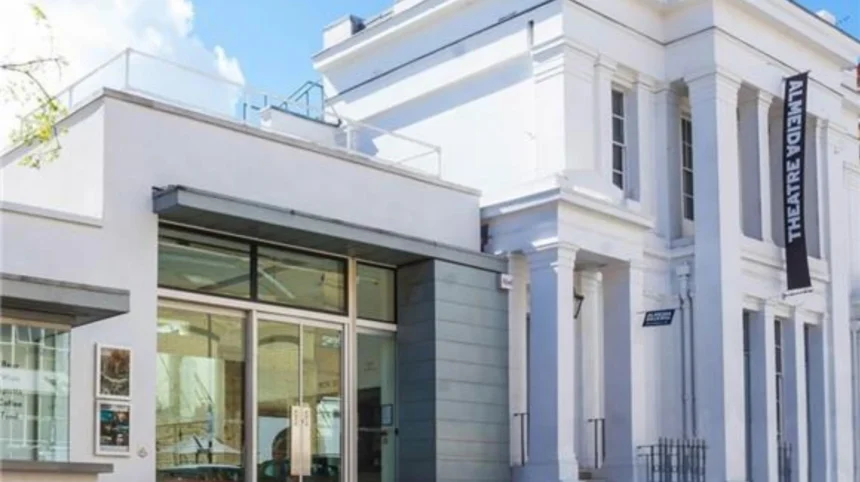
The Almeida Theatre is one of Islington’s best-known producing theatres. Located on Almeida Street, near Upper Street, it presents contemporary plays, new writing and reinterpretations of established theatrical works.
The theatre has a reputation for ambitious productions and artistically challenging programming. Its work regularly examines modern social experiences and complex human relationships.
The Almeida operates as a producing theatre. This means it develops and stages productions rather than functioning solely as a venue for visiting touring companies.
Its artistic programme includes:
- New plays by contemporary writers.
- Reinterpretations of classic drama.
- Productions exploring political and social questions.
- Work by established directors and performers.
- Creative projects that challenge conventional theatrical approaches.
The Almeida is particularly relevant to visitors interested in contemporary British theatre and innovative stage direction.
King’s Head Theatre
The King’s Head Theatre is closely associated with London’s fringe theatre movement. Its history is connected to independent productions, new writing and performances that operate outside mainstream commercial theatre.
The venue has traditionally supported emerging performers, writers and theatre companies. Its programme has included plays, musical theatre, cabaret and alternative performance.
The King’s Head Theatre is particularly relevant to audiences seeking smaller-scale productions and contemporary creative work.
Its artistic identity is associated with:
- Fringe theatre and independent productions.
- New writing and emerging playwrights.
- Contemporary musical theatre.
- LGBTQ+ stories and representation.
- Experimental performance and alternative entertainment.
The theatre’s move into its purpose-built home in Islington represents an important development in its long-standing contribution to the borough’s cultural scene.
The Hope Theatre
The Hope Theatre is a small independent fringe theatre located above the Hope and Anchor pub at 207 Upper Street, N1 1RL.
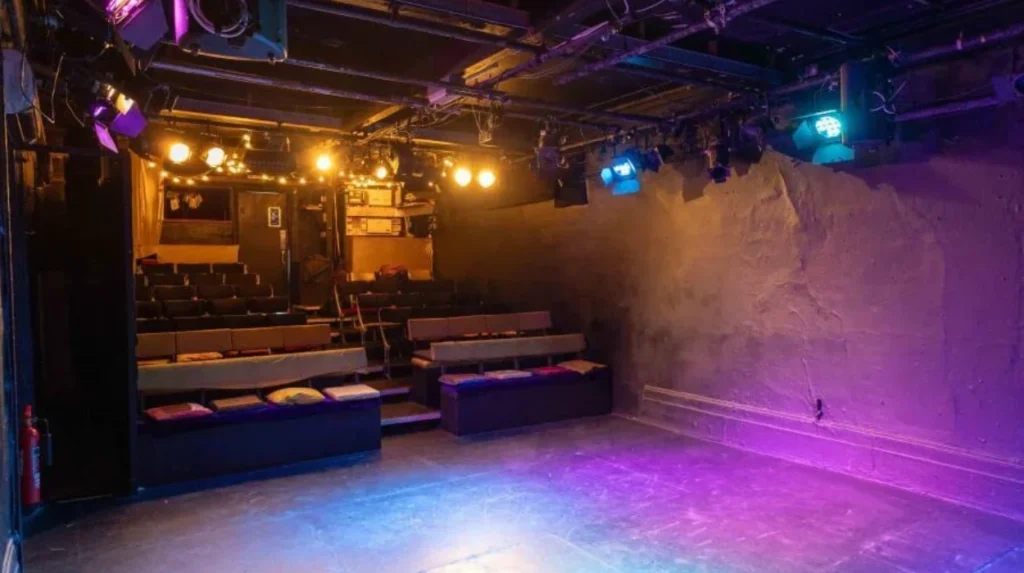
Opened in 2013, the venue provides a platform for new writing, actor-led productions and experimental theatrical projects. Its intimate black-box auditorium creates a flexible environment for small-scale performances.
A black-box theatre is a simple performance space with a flexible stage and seating arrangement. It allows directors to experiment with audience positioning, lighting, sound and stage design.
The Hope Theatre supports independent theatre through:
- World premieres and original plays.
- New writing by emerging playwrights.
- Experimental productions and short performance runs.
- Reinterpretations of established theatrical works.
- Fringe previews and small-scale creative projects.
Its Sunday and Monday programme provides opportunities for emerging companies to test new ideas through short performances. Its annual Write Club festival also supports new writing, with submissions for its 2027 edition advertised by the theatre.
The Hope Theatre is particularly suitable for visitors interested in discovering productions before they reach larger London stages.
Hen and Chickens Theatre
The Hen and Chickens Theatre is an independent fringe venue near Highbury and Islington station. Its programme focuses on new writing, comedy, independent productions and experimental performance.
The theatre has approximately 54 seats arranged in an intimate black-box configuration. Its relatively small capacity creates opportunities for direct audience engagement and unconventional staging.
The venue works with Unrestricted View, a production company associated with independent theatre and emerging creative talent.
Its programme includes:
- New plays and contemporary drama.
- Comedy and sketch performances.
- Musical theatre.
- Rehearsed readings and scratch nights.
- Edinburgh Fringe previews.
- Productions by independent theatre companies.
Scratch nights are particularly important to experimental theatre. They allow writers and performers to present unfinished or developing material to an audience. Artists use audience responses to refine scripts, performances and production concepts.
The Hen and Chickens Theatre is relevant to visitors who want to discover new performers and independent productions in a smaller setting. Its location opposite Highbury and Islington station also makes it accessible for visitors travelling around North London.
The venue’s programming model supports both visiting companies and independently developed productions. Artists can submit work for consideration, providing a route from early-stage creative development to public performance.
Rosemary Branch Theatre
The Rosemary Branch Theatre is an independent performance venue on the borders of Islington, Hackney and Shoreditch. It occupies a former Victorian music hall and presents contemporary drama, opera, comedy and alternative theatrical productions.
The venue has a distinctive connection with London’s historic pub theatre tradition. Its setting provides an intimate environment for performances that benefit from close interaction between performers and audiences.
Its artistic programme includes:
- Contemporary theatrical productions.
- Opera and musical performances.
- Reimagined classical drama.
- New comedy writing.
- Independent performance projects.
The combination of traditional theatrical forms and contemporary programming makes Rosemary Branch relevant to audiences exploring independent performance in North London.
Opera is particularly significant within its programme. Smaller independent venues provide opportunities for alternative interpretations of operatic works without relying on the scale of large opera houses.
Its location also makes it a useful addition to a cultural visit around Canonbury and the Regent’s Canal. Visitors can combine a theatre performance with nearby neighbourhood walks and independent food businesses.
Rosemary Branch demonstrates how historic entertainment buildings continue to support contemporary creative activity.
How Does Islington’s Theatre History Influence Experimental Performance Today?
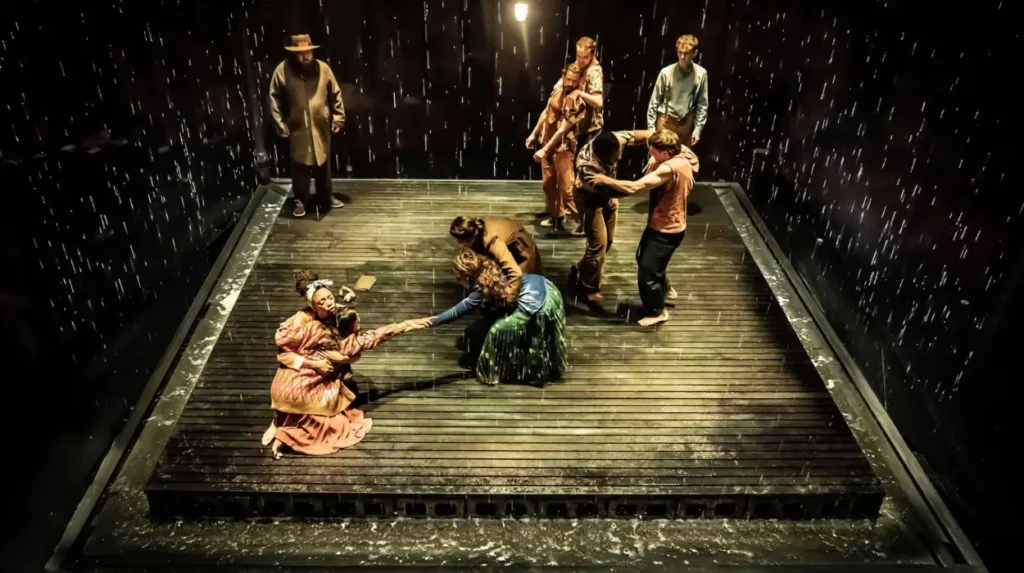
Islington’s theatrical history influences experimental performance through its longstanding tradition of independent venues, alternative entertainment and artistic innovation. Historic buildings and fringe theatre organisations provide continuity between earlier performance movements and contemporary approaches to theatre-making.
Islington’s theatre culture developed through several generations of entertainment venues. Its history includes Victorian music halls, public houses, literary institutions and independent performance spaces.
These different traditions helped establish the borough as a location for creative experimentation.
The Historical Background of the Almeida Theatre
The Almeida Theatre building dates from approximately 1837. It originally housed the Islington Literary and Scientific Institution, which provided educational and cultural activities.
The building later became a music hall in 1874. In 1890, it became a Salvation Army citadel. It subsequently served as a warehouse and a factory associated with Beck’s British Carnival Novelties.
The building became a theatre in 1980 under the direction of Pierre Audi. It retains Grade II listed status, recognising its architectural and historical importance.
Its transformation demonstrates how historic buildings can accommodate new cultural purposes while preserving their architectural identity.
As you explore the modern Almeida Theatre, you are also crossing a site with a substantial cultural heritage. Discover the full [history of the Almeida Theatre and its transformation from a Victorian institution into a contemporary performance venue] to understand its origins.
The Development of London’s Fringe Theatre Movement
Fringe theatre describes independent theatrical activity outside the mainstream commercial theatre system. It often involves smaller venues, shorter production runs and new creative approaches.
The King’s Head Theatre played an important role in this movement after opening in 1970. Founded by Dan Crawford, it became London’s first pub theatre since the Shakespearean era, according to the theatre’s historical account.
The original venue helped introduce emerging performers and writers to professional audiences. Its early performers included Hugh Grant, Dawn French, Jennifer Saunders and Alan Rickman.
In August 2023, the original pub theatre closed after 53 years. Its new purpose-built venue opened in January 2024 at Islington Square.
The move secured a permanent home for the organisation while expanding its performance and community facilities.
The Continuing Importance of Historic Performance Spaces
Historic performance spaces contribute to contemporary theatre by retaining connections with local communities.
Venues such as Rosemary Branch Theatre demonstrate how former entertainment buildings continue to serve modern audiences.
Their smaller environments support productions that require flexible staging, close audience relationships and alternative approaches to theatrical presentation.
This continuity is important for Islington because independent theatre depends on accessible performance spaces and established cultural networks.
What Types of Experimental Performances Can Visitors Experience in Islington?
Islington’s independent theatre venues present several forms of experimental performance, including contemporary drama, devised theatre, immersive productions, cabaret and alternative comedy. These formats use different storytelling methods, staging arrangements and relationships between performers and audiences.
Experimental performance does not describe one specific theatrical genre. It refers to creative approaches that challenge established conventions of acting, writing, production and audience participation.
The following formats help explain the range of work associated with independent theatre.
Contemporary and New-Writing Theatre
Contemporary theatre presents original plays and modern interpretations of existing material.
The Almeida Theatre and Hope Theatre are relevant destinations for audiences interested in new writing and contemporary drama.
New-writing productions frequently address subjects such as:
- Social inequality and identity.
- Family relationships and personal experiences.
- Political developments and public institutions.
- Technology and modern communication.
- Cultural change and community relationships.
New writing is important because it introduces different perspectives into British theatre. Independent venues provide opportunities for playwrights to present original work and develop professional experience.
Devised Theatre
Devised theatre is a production method in which performers and creative teams develop a performance collaboratively rather than relying entirely on an existing script.
The process can include improvisation, movement, recorded material, research and collaborative writing.
Independent performance spaces provide suitable environments for this approach because smaller productions can experiment with different formats and staging arrangements.
Immersive and Audience-Interactive Theatre
Immersive theatre changes the conventional relationship between the stage and the audience.
Instead of watching from a fixed seating arrangement, audiences experience performances in environments that form part of the production.
Interactive theatre involves direct communication between performers and spectators. Audience members can participate in specific scenes or influence aspects of the performance.
These approaches are relevant to experimental theatre because they challenge traditional expectations about the audience’s role.
However, immersive and interactive performances are programme-specific. Visitors should check individual production descriptions rather than assume that every independent theatre offers audience participation.
Cabaret and Alternative Performance
Cabaret combines theatrical performance with music, comedy, dance and other entertainment formats.
The King’s Head Theatre’s cabaret facilities provide a setting for alternative performance, including drag, solo shows and comedy.
Cabaret often uses direct audience interaction and unconventional presentation styles. It also provides opportunities for performers to combine different artistic disciplines within one production.
Experimental Comedy and Performance
Alternative comedy uses formats that differ from conventional stand-up performances.
These formats include character-based comedy, sketch theatre, absurdist performances and theatrical comedy.
Hen and Chickens Theatre and King’s Head Theatre are relevant venues for visitors interested in comedy that combines theatrical presentation with alternative performance styles.
How Do Independent Theatres Support Emerging Artists in Islington?
Independent theatres support emerging artists by providing performance opportunities, production facilities, creative development programmes and access to audiences. Venues such as Hope Theatre, Hen and Chickens Theatre and King’s Head Theatre contribute to the development of new writers and performers.
Emerging artists often face financial and practical barriers when entering the professional theatre industry.
Producing a performance requires a script, performers, rehearsal space, technical equipment, marketing and a suitable venue. Independent theatres help reduce these barriers by offering smaller-scale production opportunities.
New-Writing Opportunities
Theatres that programme new writing give playwrights opportunities to present original scripts.
The Hope Theatre’s submissions programme accepts proposals for full productions and shorter creative projects. Its Write Club festival also supports new writing development.
These opportunities help writers build portfolios, receive audience feedback and establish professional relationships.
Opportunities for Independent Theatre Companies
Independent companies frequently work through short production runs.
A short run gives a company the opportunity to present its work without committing to an extended commercial theatre booking.
This arrangement benefits emerging producers because it reduces the time and financial commitments associated with a large production.
The Hope Theatre’s short-run programmes provide an example of this approach. The Hope Theatre+1
Development of LGBTQ+ Theatre
The King’s Head Theatre has a particularly important relationship with LGBTQ+ performance and community representation.
Its new venue includes a main auditorium, cabaret space, café, bar and workshop facilities.
The Mayor of London’s Good Growth Fund supported the relocation project, helping secure a permanent cultural space and improved accessibility.
The project created and safeguarded 25 jobs across the organisation and introduced facilities for creative productions and community activities.
The theatre’s programme includes work made for, with and about LGBTQ+ communities. Its activities extend beyond conventional stage productions into workshops and community engagement. London City Hall+1
Collaboration and Creative Networks
Independent theatre depends on collaboration between writers, actors, directors, producers, designers and technical professionals.
Smaller venues help these professionals establish working relationships through shared productions and creative events.
These networks contribute to the wider performing arts economy in North London.
How Can Visitors Choose the Right Independent Theatre in Islington?
Visitors can choose an Islington theatre by comparing its artistic programme, performance format, venue size and production style. The Almeida suits contemporary drama, while smaller fringe venues offer new writing, experimental productions, cabaret and emerging performers.
Each venue serves a different audience. The choice depends on the type of theatrical experience visitors want.
Theatre Comparison by Performance Style
The comparison identifies each venue’s established artistic identity. Individual programmes change throughout the year, so visitors should check current listings before making plans.
Which Venue Is Suitable for Contemporary Drama?
The Almeida Theatre is a relevant choice for contemporary drama, ambitious new writing and reinterpretations of established plays.
Its artistic identity centres on productions that examine current social and cultural questions.
Which Venue Is Suitable for Fringe Productions?
The Hope Theatre and Hen and Chickens Theatre are relevant choices for fringe productions.
Both venues provide opportunities for independent companies and emerging creative professionals to present new work.
Which Venue Is Suitable for Alternative and LGBTQ+ Performance?
King’s Head Theatre is particularly relevant for audiences interested in LGBTQ+ theatre, drag, cabaret and alternative musical productions.
Its artistic programme combines contemporary performance with a commitment to supporting diverse creative voices.
Which Venue Offers Different Performance Traditions?
Rosemary Branch Theatre provides a combination of opera, contemporary drama and comedy.
Its historic setting also makes it relevant to visitors interested in the relationship between London’s architectural heritage and independent entertainment.
Where Are Islington’s Independent Theatres Located?
Islington’s independent theatres are concentrated around Upper Street, Islington Square, Canonbury and the Highbury and Islington area. Their locations allow visitors to combine live performances with restaurants, independent shops and neighbourhood attractions.
The borough’s theatre venues are distributed across several connected neighbourhoods.
Upper Street and Islington Square
Upper Street is an important cultural and commercial corridor in Islington.
The Almeida Theatre is located on Almeida Street, just off Upper Street. King’s Head Theatre occupies a purpose-built venue in Islington Square.
The Hope Theatre is also situated on Upper Street, above the Hope and Anchor pub.
These locations make it practical to combine a theatre visit with an evening meal or a walk through Islington’s central neighbourhood.
Highbury and Islington
Hen and Chickens Theatre is located at 109 St Paul’s Road, close to Highbury and Islington station.
The station connects the area with the Victoria line, London Overground and National Rail services.
Its location makes the theatre convenient for visitors travelling from other parts of London.
Canonbury
Rosemary Branch Theatre is located at 2 Shepperton Road in Canonbury.
The area provides a different atmosphere from the busy commercial streets around Angel. Visitors can explore the nearby residential streets and canal-side surroundings before attending an evening performance.
How Can Visitors Travel to Islington’s Independent Theatres?
Visitors can reach Islington’s theatres using the London Underground, Overground, National Rail and local bus services. Angel and Highbury and Islington stations provide convenient connections to several performance venues across the borough.
Public transport is generally the most practical way to explore Islington’s theatre district.
London Underground and Rail Connections
Angel station serves the Northern line and provides access to the Almeida Theatre, King’s Head Theatre and Hope Theatre.
Highbury and Islington station connects with the Victoria line, London Overground and National Rail services. It is particularly useful for reaching Hen and Chickens Theatre.
For King’s Head Theatre, the venue’s published directions give a walking time of approximately nine minutes from Angel station and twelve minutes from Highbury and Islington station.
Travelling by Bus
Local buses connect Upper Street, Highbury and Canonbury with other parts of North London.
Bus services are useful for visitors who prefer to avoid changing between Underground lines.
Visitors should check Transport for London’s journey planner for current routes, diversions and service updates.
Walking Between Performance Venues
Walking is a practical way to explore the central Islington theatre area.
The Almeida, King’s Head and Hope theatres are all located around the Upper Street district.
Hen and Chickens is closer to Highbury and Islington station, while Rosemary Branch is further east towards Canonbury.
Visitors planning to attend performances at different venues should allow enough time for travel, refreshments and ticket collection.
What Should Visitors Know Before Booking an Experimental Theatre Performance?
Visitors should check production descriptions, running times, ticket conditions, age recommendations and accessibility information before booking. Independent productions frequently have shorter performance runs, limited seating and different audience arrangements.
A little preparation helps visitors select appropriate performances and avoid booking difficulties.
Check the Production Description
Independent theatre includes many different performance formats.
A production described as experimental drama is not necessarily immersive or interactive. Visitors should read the official description to understand its themes, language, presentation style and audience participation requirements.
Book Tickets in Advance
Smaller venues have limited seating capacity.
The Hope Theatre and Hen and Chickens Theatre are particularly intimate spaces, making individual performances more restricted in capacity than productions at larger theatres.
Booking in advance provides greater choice of available seats and performance dates.
Check Accessibility
Accessibility differs between venues and buildings.
The King’s Head Theatre’s new premises include lift access, which represents an important improvement compared with its former location.
Other smaller venues occupy historic buildings with physical access limitations. Visitors should contact the venue directly if they require step-free access, wheelchair spaces or specific seating arrangements.
Understand Ticket Types and Prices
Independent theatre ticket prices depend on the production, seating arrangement and performance date.
Some venues offer concessionary tickets, advance booking discounts or special prices for selected performances.
Visitors should use official box offices to check current prices rather than relying on older ticket listings.
Explore the Surrounding Area
A theatre visit can form part of a wider Islington itinerary.
Upper Street has restaurants, cafés, pubs and independent businesses. Canonbury offers quieter residential streets and access to canal-side walks.
These surrounding attractions help visitors organise a complete evening or afternoon around a live performance.
How Does Independent Theatre Contribute to Islington’s Cultural Economy?
Independent theatre contributes to Islington’s cultural economy by creating employment, attracting visitors, supporting local businesses and providing opportunities for creative professionals. Theatre venues also strengthen community participation and preserve the borough’s cultural identity.
The performing arts industry generates economic and social benefits beyond ticket sales.
Employment and Creative Opportunities
Theatres require employees across several professional areas.
These include actors, directors, writers, producers, technicians, marketing professionals, front-of-house staff and administrative teams.
Independent venues also support freelance professionals who work across different productions.
The King’s Head Theatre’s redevelopment demonstrates the employment impact of cultural investment. The project created and safeguarded 25 jobs while providing new facilities for production and community activities.
Supporting Local Businesses
Theatre audiences contribute to the local evening economy.
Visitors frequently combine performances with restaurant meals, drinks and other leisure activities.
Upper Street benefits from its concentration of hospitality and retail businesses. Independent theatres help attract audiences beyond normal daytime shopping hours.
Community Participation
Theatre provides opportunities for residents to engage with creative activities.
Workshops, educational programmes and community performances help introduce new audiences to the performing arts.
The King’s Head Theatre’s community facilities and LGBTQ+ programming demonstrate how independent venues can support cultural participation alongside professional productions.
Cultural Tourism
Independent theatres provide additional reasons for visitors to explore North London.
Tourists interested in London’s cultural heritage frequently focus on major West End venues. Islington offers another perspective through smaller performance spaces and locally established theatre organisations.
This diversity strengthens London’s wider performing arts identity.
Explore More Area Guide
Sadler’s Wells: Transforming London’s Dance and Performing Arts Scene
Union Chapel Islington: Architecture, History and Cultural Significance
What Is the Future of Independent and Experimental Theatre in Islington?
The future of independent theatre in Islington depends on sustainable venues, accessible creative opportunities, new writing and continued audience participation. Investment in cultural infrastructure and support for emerging artists will remain important to maintaining the borough’s experimental performance culture.
Several developments are relevant to the future of Islington’s theatre sector.
Investment in Independent Performance Spaces
The King’s Head Theatre relocation demonstrates the importance of permanent cultural infrastructure.
Its new building provides a larger auditorium, cabaret facilities, community spaces and improved accessibility.
This development illustrates how investment can help independent theatre organisations establish more sustainable operating arrangements.
Greater Opportunities for Emerging Writers
New writing remains an important part of the independent theatre sector.
Venues such as Hope Theatre and Hen and Chickens Theatre provide opportunities for emerging playwrights and independent companies.
Continued development of submission programmes, scratch nights and fringe festivals will support the next generation of theatre professionals.
More Inclusive Theatre Programming
Representation and accessibility are important considerations for contemporary performance organisations.
The King’s Head Theatre’s LGBTQ+ programming demonstrates the role of independent venues in presenting stories that receive less attention within traditional commercial theatre.
Other independent venues also contribute through varied productions, community partnerships and emerging artistic voices.
Changing Audience Expectations
Audiences increasingly encounter theatre through different performance formats.
Contemporary productions incorporate multimedia, digital storytelling, unconventional staging and audience interaction.
Independent venues provide environments where creative teams can explore these methods on a smaller scale.
For Islington, maintaining a mix of established producing theatres and independent fringe venues will help preserve artistic diversity.
Why Should Theatre Enthusiasts Visit Islington?
Islington offers a varied independent theatre experience for visitors interested in contemporary drama, experimental performance and emerging creative talent. Its venues combine established artistic institutions with small fringe spaces and alternative performance environments.
The Almeida Theatre provides access to ambitious contemporary productions, while King’s Head Theatre maintains a strong connection with independent and LGBTQ+ performance. The Hope Theatre and Hen and Chickens Theatre support new writing and emerging performers. Rosemary Branch Theatre adds opera, comedy and contemporary drama to the borough’s performance landscape.
These venues demonstrate the importance of independent theatre within London’s cultural identity. They provide opportunities for artists to experiment, audiences to discover new work and local communities to participate in creative activities.
For tourists and theatre enthusiasts, exploring Islington’s independent venues offers a way to experience London’s performing arts beyond the traditional West End circuit.
Which theatres in Islington offer independent performances?
Islington has several independent performance venues, including the Almeida Theatre, King’s Head Theatre, Hope Theatre, Hen and Chickens Theatre and Rosemary Branch Theatre. They present contemporary drama, fringe productions and new writing.