Barnet is one of North London’s greenest boroughs, with formal parks, gardens, commons, woodlands, nature reserves and open spaces providing options for quiet leisure time. Barnet Council describes its green infrastructure as including formal parks and gardens, wild landscapes, Green Belt land and leafy river valleys.
- Which places in Barnet are best for relaxing outdoors?
- Why is Friary Park a good place to relax?
- Is Oak Hill Park suitable for quiet walks and downtime?
- Where can visitors find a more natural atmosphere in Barnet?
- Is Hampstead Garden Suburb a good area for peaceful green spaces?
- Which Barnet parks are best for a longer walk?
- Where can families relax in Barnet?
- Are there quiet nature areas in Barnet for wildlife and observation?
- Which Barnet green spaces work for a short break?
- What should visitors consider when choosing a relaxing place in Barnet?
- How does Barnet’s green-space network support everyday leisure?
- What is the best way to plan a relaxing Barnet visit?
For visitors, these spaces provide alternatives to busy central London attractions. For residents, they provide places for walking, sitting, reading, informal exercise and spending time outdoors. The borough’s parks directory currently lists a large network of parks and open spaces across areas including High Barnet, East Barnet, Finchley, Mill Hill, Edgware, Hendon and Hampstead Garden Suburb.
The best place to relax depends on the type of downtime required. Formal gardens suit quiet sitting. Large parks suit longer walks. Commons provide a more open countryside setting. Nature reserves suit slower wildlife-focused visits. Cafés within parks provide an option for combining outdoor space with refreshments.
Which places in Barnet are best for relaxing outdoors?
Barnet offers several types of peaceful outdoor spaces, including formal gardens, large parks, commons, woodlands and nature reserves. Friary Park, Oak Hill Park, Monken Hadley Common, Edgwarebury Park and Barnet’s smaller gardens provide different settings for walking, sitting, reading and quiet recreation.
Barnet’s green spaces form an important part of the borough’s leisure infrastructure. The council identifies formal parks and gardens, wild landscapes, Green Belt areas and river valleys as key components of the borough’s open-space network.
The choice of location depends on the desired experience. A formal park provides maintained lawns, gardens and facilities. A common provides a less formal landscape. A nature reserve focuses more strongly on habitats and wildlife.
For visitors staying in North London, Barnet also offers a useful balance between urban accessibility and open space. Several parks are connected to residential districts and public transport routes.
Relaxation does not require a dedicated attraction. A bench beside a landscaped garden, a quiet woodland path or an open green can provide straightforward downtime.
Why is Friary Park a good place to relax?
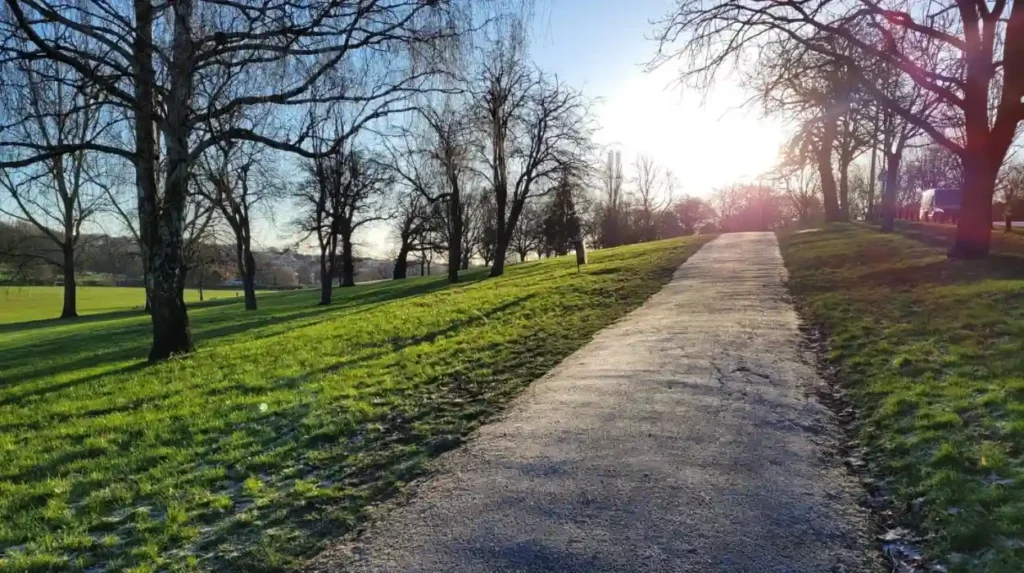
Friary Park is a formal Edwardian park in Friern Barnet with quiet gardens, open lawns, mature landscaping and a water feature. Its café, gardens, wildlife interest and walking facilities make it suitable for visitors seeking structured outdoor relaxation close to urban amenities.
Friary Park is on Friary Road in N12. Barnet Council identifies it as a formal Edwardian park that originally formed part of the grounds of Friary House. The park contains intimate gardens alongside larger open spaces.
The park combines passive recreation with active facilities. Visitors find gardens, a café, tennis courts, bowls, an outdoor gym, a water feature and areas of wildlife interest. It also has formal sports and play facilities.
For relaxation, the quieter gardens provide a more contained environment than the sports areas. Visitors seeking a short break can use the landscaped areas before continuing through Friern Barnet.
Friary Park also has a scheduled health walk on Wednesdays from 9.30am to 10.30am, according to Barnet Council. This gives walking a structured community dimension.
The park has bus access through routes including 234, 383 and 634.
As you explore the modern park, you are also crossing land connected with Barnet’s long development. Read about the full [Historic Parks and Gardens in Barnet] to understand the origins of the borough’s green spaces.
What makes Friary Park different?
Its combination of formal gardens, open lawns, a café and recreational infrastructure gives Friary Park several different uses within one location.
Visitors who want quiet time can stay away from the sports areas. People travelling with children have dedicated play facilities. Visitors looking for refreshments have access to the park café.
Is Oak Hill Park suitable for quiet walks and downtime?
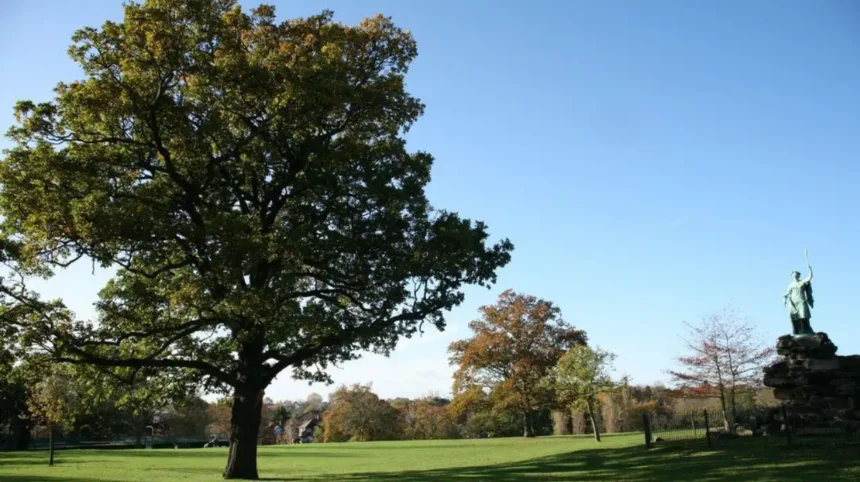
Oak Hill Park in East Barnet provides landscaped gardens, mature trees, wildlife interest, a water feature and open recreational areas. Its long history, café and walking environment make it a practical choice for quiet outdoor time in the eastern part of Barnet.
Oak Hill Park is located on Parkside Gardens in East Barnet. The park occupies land associated with the Pymmes Brook valley and has a history extending back several centuries.
Barnet Council records that the valley was historically known for its oak trees. Oak Hill became associated with a large estate, and the area was later acquired by East Barnet Council. The park opened to the public in 1933.
The park includes gardens, wildlife interest, a water feature and a café. It also provides tennis courts, bowls, cricket, football, a multi-sports court and an outdoor gym.
The presence of active facilities does not prevent quiet use. Visitors can choose landscaped sections and walking areas rather than sports zones.
Oak Hill Park is particularly relevant for visitors exploring East Barnet and nearby residential districts. It provides a defined green destination rather than requiring a long countryside journey.
The historical landscape also adds context to the visit. Mature trees and the surviving woodland connect the present-day park with its earlier landscape.
Where can visitors find a more natural atmosphere in Barnet?
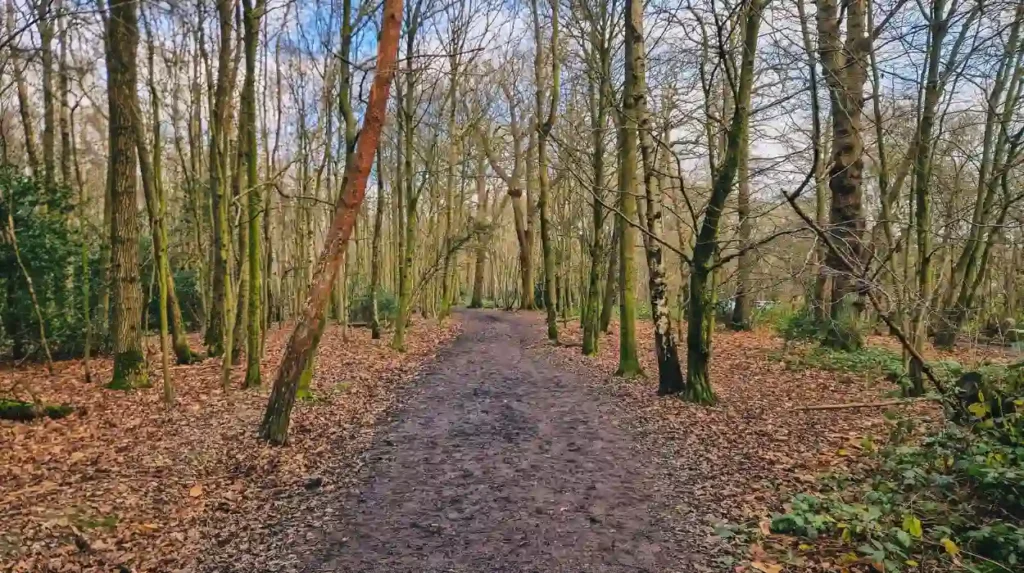
Monken Hadley Common, Hadley Common and Edgwarebury Park provide more natural outdoor settings than formal urban gardens. Their open landscapes, woodland character and walking opportunities suit visitors who want quieter surroundings, informal exploration and a stronger connection with Barnet’s countryside landscape.
Barnet contains several landscapes that feel less formal than conventional municipal parks. These include commons, woodland areas and open countryside.
Monken Hadley Common is listed by Barnet Council on Camlet Way in Hadley.
The common forms part of the historic landscape around High Barnet and Hadley. Its less formal character makes it suitable for people seeking walking and open-air downtime.
Edgwarebury Park is another substantial green space. Barnet Council lists it on Edgwarebury Lane in Edgware.
Barnet’s open-space assessment places Edgwarebury Park among the borough’s district-scale open spaces. The council’s open-space strategy describes district parks as larger areas providing natural features alongside informal recreation and other facilities.
These settings suit visitors who prefer a slower pace. They are particularly useful for walking without building an itinerary around commercial attractions.
Why do commons feel different from formal parks?
Commons retain a less structured landscape. Formal parks often contain planted borders, playgrounds, sports courts and defined paths. Commons place greater emphasis on open land, vegetation and informal movement.
That difference makes a common useful for visitors who want a break from heavily programmed leisure spaces.
Is Hampstead Garden Suburb a good area for peaceful green spaces?
Hampstead Garden Suburb contains several smaller gardens and open spaces that support quiet local recreation. Northway Gardens, Northway Gardens Extensions, Fletchers Gardens and nearby open spaces provide alternatives to larger parks for short walks, sitting and neighbourhood-scale downtime.
Hampstead Garden Suburb is associated with planned residential development and extensive landscaping. Its green spaces are distributed through the neighbourhood rather than concentrated in one large recreational park.
Barnet Council’s parks directory lists Fletchers Gardens on Kingsley Way and Northway Gardens on Northway, with Northway Gardens Extensions located on Oakwood Road.
These smaller spaces suit short periods of relaxation. A visitor staying locally can use them for a morning walk or a break between other activities.
Small green spaces are important within urban areas because they reduce the need to travel to a major park for every outdoor visit. They also integrate leisure directly into residential neighbourhoods.
For digital nomads and business travellers, a smaller green space can provide a useful outdoor break between periods of work. These areas should be treated primarily as public open spaces rather than guaranteed work venues.
Which Barnet parks are best for a longer walk?
Oak Hill Park, Friary Park, Edgwarebury Park, Monken Hadley Common and other larger open spaces provide better conditions for longer outdoor walks than small pocket gardens. They offer greater spatial variety and connect relaxation with gentle physical activity.
Barnet’s open-space strategy distinguishes different types of green space by size and function. District parks provide larger areas with natural features and informal recreation, while local parks serve shorter-distance neighbourhood needs.
The distinction matters when choosing a place for downtime. A small garden is suitable for sitting or a brief visit. A larger park supports a longer period outdoors.
Oak Hill Park combines landscaped areas with woodland and wildlife interest. Friary Park combines gardens with larger open areas. Edgwarebury Park provides a broader open-space setting. Monken Hadley Common offers a more informal landscape.
Visitors planning a longer walk should consider footwear, daylight, weather and route conditions. Green spaces are not all designed as formal walking trails, so paths and surfaces differ.
Barnet Council’s directory also identifies Riverside Walk in Woodside Park as a linear open space.
What is a linear open space?
A linear open space is a green route extending along a corridor such as a path, former railway, waterway or other continuous landscape. It supports walking and informal recreation rather than concentrating activity in one central park.
Riverside Walk in Woodside Park is one example listed by Barnet Council.
Where can families relax in Barnet?
Families can use Barnet’s larger parks because they combine seating, open lawns, playgrounds and recreational facilities. Friary Park and Oak Hill Park provide particularly broad facility mixes, while other local parks offer smaller-scale spaces for short family breaks.
Family relaxation often requires more than a quiet bench. Children need space for movement, while adults benefit from seating and nearby facilities.
Friary Park includes toddler, junior and senior play areas, as well as gardens, a café, a water feature and sports facilities.
Oak Hill Park also provides toddler, junior and senior play areas alongside gardens, a café, sports facilities and wildlife interest.
Barnet also operates Fair Play Barnet, described by the council as an accessible and inclusive playground at Victoria Recreation Ground.
Families can therefore choose between active recreation and quieter sitting areas within the same broader green-space network.
The practical advantage is flexibility. A family can combine a short walk, playground time and refreshments without travelling between separate attractions.
Are there quiet nature areas in Barnet for wildlife and observation?
Barnet has nature reserves and wildlife-rich open spaces that provide quieter settings for observing vegetation, birds and local habitats. Bethune Nature Reserve, Coppetts Wood and other designated green areas offer alternatives to formal recreation-focused parks.
Nature-focused relaxation works differently from recreational park visits. The purpose is slower observation rather than organised activity.
Barnet Council’s parks directory lists Bethune Nature Reserve on Beaconsfield Road in Friern Barnet and Coppetts Wood around Colney Hatch Lane.
The borough also identifies wildlife interest at parks such as Friary Park and Oak Hill Park.
Visitors should follow posted access guidance and avoid disturbing wildlife. Nature reserves are managed for habitats as well as public enjoyment.
A quiet nature visit also works well for visitors who want a short break from shopping, museums or busy commercial districts.
Which Barnet green spaces work for a short break?
Small gardens, pocket parks and neighbourhood open spaces are most suitable for short periods of relaxation because they are distributed close to residential and commercial areas. Jubilee Gardens, Ravenscroft Gardens, Princes Park and similar spaces provide convenient local options.
Not every relaxation stop needs to involve a large park.
Barnet’s open-space strategy identifies pocket parks as small areas that provide natural surfaces, shaded areas, informal recreation and sometimes seating or play equipment. Examples include Deacons Green, Jubilee Gardens, Elm Park and Church Lane Open Space.
The council directory also lists Ravenscroft Gardens in High Barnet and Princes Park in Golders Green.
These spaces are useful when a visitor has limited time. They also serve residents who want outdoor space without travelling across the borough.
Their smaller scale creates a different experience from Edgwarebury Park or Monken Hadley Common. The emphasis is convenience rather than an extended countryside-style visit.
What should visitors consider when choosing a relaxing place in Barnet?
Visitors should choose a Barnet green space according to location, desired activity, facilities, landscape type, travel time and available daylight. Formal parks suit structured visits, while commons and nature areas suit quieter walking, observation and less programmed outdoor relaxation.
Location is the first practical consideration. A visitor in High Barnet has easy access to Hadley Green, Hadley Common and Monken Hadley Common. Someone in Friern Barnet has Friary Park and Bethune Nature Reserve nearby.
Facilities provide the second consideration. Friary Park and Oak Hill Park have cafés and multiple recreational facilities.
Landscape type is another factor. Formal gardens provide maintained scenery. Commons provide open landscapes. Nature reserves focus on habitats. Linear spaces support movement through a landscape.
Transport also matters. Friary Park has bus connections including routes 234, 383 and 634. Oak Hill Park is served by several bus routes, including 184, 307, 382 and 125.
Visitors should also check seasonal conditions and opening arrangements before travelling. Barnet Council maintains information about parks, open spaces and their facilities through its parks directory.
Explore More Area Guide
Where to Escape the Crowds in Barnet: Quiet Places
Best Quiet Places for an Afternoon in Barnet
How does Barnet’s green-space network support everyday leisure?
Barnet’s green-space network supports everyday leisure by combining large parks, local gardens, commons, nature reserves and linear routes across the borough. This distribution gives residents and visitors multiple options for walking, sitting, informal exercise, family recreation and outdoor downtime.
Barnet Council’s current parks directory provides a broad catalogue of parks and open spaces across the borough. It includes locations in High Barnet, Hadley, East Barnet, Whetstone, Mill Hill, Edgware, Hendon, Finchley and other districts.
The council’s open-space strategy also categorises green infrastructure by function and scale. Its categories include district parks, local parks and open spaces, small open spaces, pocket parks and linear open spaces.
This structure explains why Barnet has options for different types of downtime.
A visitor looking for a substantial outdoor session can select a larger district park. Someone seeking ten or twenty minutes outdoors can use a smaller garden. A walker can select a linear route. A wildlife enthusiast can choose a nature reserve.
The result is a green-space network rather than a single destination.
What is the best way to plan a relaxing Barnet visit?
A relaxing Barnet visit works best when the green space matches the available time and preferred environment. Choose a formal park for facilities, a common for open landscapes, a nature reserve for wildlife, or a small garden for a convenient short break.
For a half-day outdoor visit, a larger park or common provides enough space for walking and sitting. Oak Hill Park, Edgwarebury Park and Monken Hadley Common fit this type of visit.
For a shorter stop, Friary Park or a neighbourhood garden provides easier access to amenities and seating.
For visitors interested in nature, Bethune Nature Reserve and Coppetts Wood provide more habitat-focused settings.
For families, parks with play facilities reduce the need to move between different destinations. Friary Park and Oak Hill Park both provide several age-specific play areas.
The wider lesson is that Barnet’s relaxation spaces serve different purposes. There is no single type of green space that fits every visitor.
Barnet’s combination of formal parks, historic landscapes, commons, woodland, gardens and nature areas makes outdoor downtime accessible across much of North London. The council continues to manage these spaces as part of the borough’s wider parks and open-space network.
For tourists, these locations provide peaceful alternatives to central London’s busiest attractions. For residents, they form part of everyday leisure infrastructure. For business travellers and digital workers, they provide accessible places to step outside between commitments.
The most suitable choice therefore depends on the type of relaxation required: landscaped gardens for quiet sitting, larger parks for walking, commons for open landscapes, nature reserves for wildlife observation and smaller gardens for quick breaks.
What are the best places to relax in Barnet?
Friary Park, Oak Hill Park, Monken Hadley Common, Edgwarebury Park and Barnet’s smaller gardens are among the main options for peaceful outdoor downtime. Each offers a different setting for walking, sitting or enjoying nature.