The shift toward decentralised employment has altered how international leisure travellers, digital nomads, and corporate professionals interact with urban destinations. The London Borough of Brent, situated in north-west London, has developed into a major hub for remote execution, blending infrastructural regeneration with diverse local communities. Spanning suburban residential zones such as Willesden Green and Queen’s Park to highly modern high-density redevelopments like Wembley Park, Brent offers a structured ecosystem for workers navigating professional duties while exploring the capital.
- What are the best coworking spaces in Brent for digital nomads and business travellers?
- Which laptop-friendly cafés in Brent offer reliable Wi-Fi and power outlets?
- How efficient are the transport links connecting Brent to central London?
- What accommodation options exist in Brent for short-term and extended stays?
- What is the true cost of living in Brent for a remote worker or tourist?
- Which specific neighborhoods in Brent offer the best balance of leisure and remote work?
Managing productivity on the move requires precise data regarding workspace availability, network stability, mass transport configuration, and real-world subsistence tracking. This analysis serves as the definitive reference manual for operating efficiently in Brent, contextualising its socio-economic framework, physical infrastructure, and remote-work assets for short-term and long-term stays.
What are the best coworking spaces in Brent for digital nomads and business travellers?
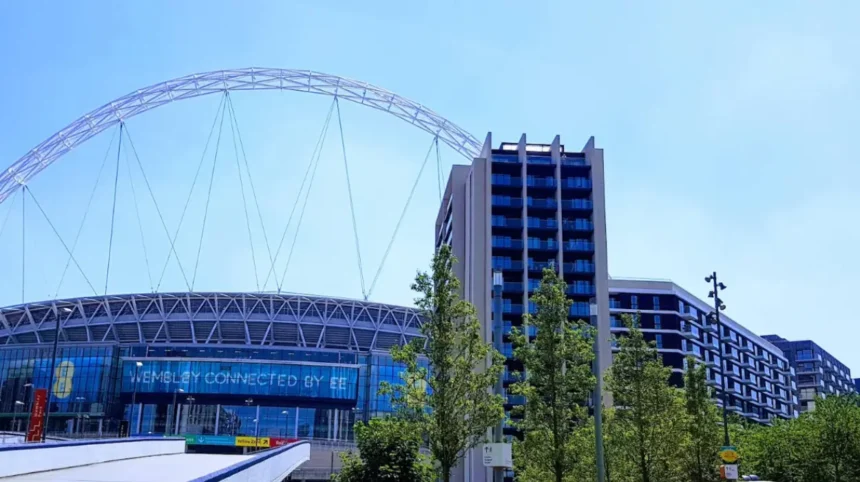
Brent features highly functional professional workspaces, primarily concentrated in the regenerated Wembley Park district, providing hot-desking, dedicated infrastructure, and flexible short-term day passes. Top facilities include Spaces Wembley Park, HQ Sabichi House, and flexible commercial hubs along Olympic Way and Wembley High Road.
The professional coworking landscape in Brent provides remote workers with high-grade, business-compliant environments that eliminate the inconsistencies of home or hospitality-based connections. Spaces Wembley Park sits at the centre of this operational ecosystem, occupying a prominent position near Wembley Stadium. This facility offers dynamic office environments, hot-desking options from £6 per person per day, and comprehensive executive suites for enterprise teams. The structural interior incorporates ergonomic task seating, acoustic insulation panels, and dedicated breakout lounges built to host client sessions or internal reviews.
Further western positions within the borough are supported by networks like HQ, which operates hubs such as Sabichi House on Wadsworth Road and the upcoming Brent Crescent installation in Park Royal. These locations provide crucial enterprise-grade amenities:
- Sound-insulated private phone booths for confidential video calls.
- On-site technical support staff handling hardware and network integration.
- Secure document processing stations with pay-as-you-go print, scan, and copy devices.
- Secure access control and continuous closed-circuit television (CCTV) monitoring.
For short-term business travellers executing projects under compressed timeframes, these operators supply flexible contract variants, including three-month leases, daily office passes, and hourly boardroom hire. The inclusion of full kitchen points, on-site refreshment options, and cycle storage facilitates long-duration work sessions without leaving the premises.
Which laptop-friendly cafés in Brent offer reliable Wi-Fi and power outlets?
Laptop-friendly artisan cafés in Brent are distributed across Wembley Park, Queen’s Park, and Willesden Green, providing free high-speed asymmetric Wi-Fi networks and distributed power sockets. Leading options include Black Sheep Coffee, Gail’s Bakery, and a variety of independent neighborhood coffee outlets.
As you explore the modern site, you are crossing land with a deep heritage. Read about the full [Historical Origins and Cultural Evolution of the London Borough of Brent] to understand its origins. This contextual backdrop influences the character of Brent’s distinct commercial neighborhoods, which now cater directly to the mobile digital workforce.
The local hospitality framework supports remote operations via specific, remote-work-friendly design choices. In Wembley Park, high-volume venues like Black Sheep Coffee provide long bench seating equipped with integrated UK standard Type-G power sockets and USB charging ports. The network infrastructure delivers sufficient bandwidth for video conferencing and large file transfers, operating alongside a steady retail environment suited to casual editing or administrative workflows.
Moving southward into residential districts like Willesden Green and Queen’s Park, the remote-work landscape transitions toward smaller neighborhood coffee shops and artisanal spaces such as Gail’s Bakery. These spaces balance consumer food operations with the requirements of the remote workforce:
- Acoustic Profiling: Moderate background noise levels allowing focused writing or programming tasks.
- Seating Configuration: Deep wooden tables and upholstered perimeter booths that accommodate laptop setups, notebooks, and reference texts.
- Illumination: Maximised natural daylight entry through wide glass storefronts, reducing optical fatigue over extended working sessions.
Operating from independent cafés requires compliance with local etiquette; workers must purchase refreshments at regular intervals to maintain their seating options during peak breakfast and lunch periods.
How efficient are the transport links connecting Brent to central London?
Brent maintains a highly efficient public transport infrastructure comprising three London Underground lines, London Overground services, National Rail routes, and an extensive 24-hour bus network. These multi-modal connections reduce travel times between major local hubs and central London terminals to under 20 minutes.
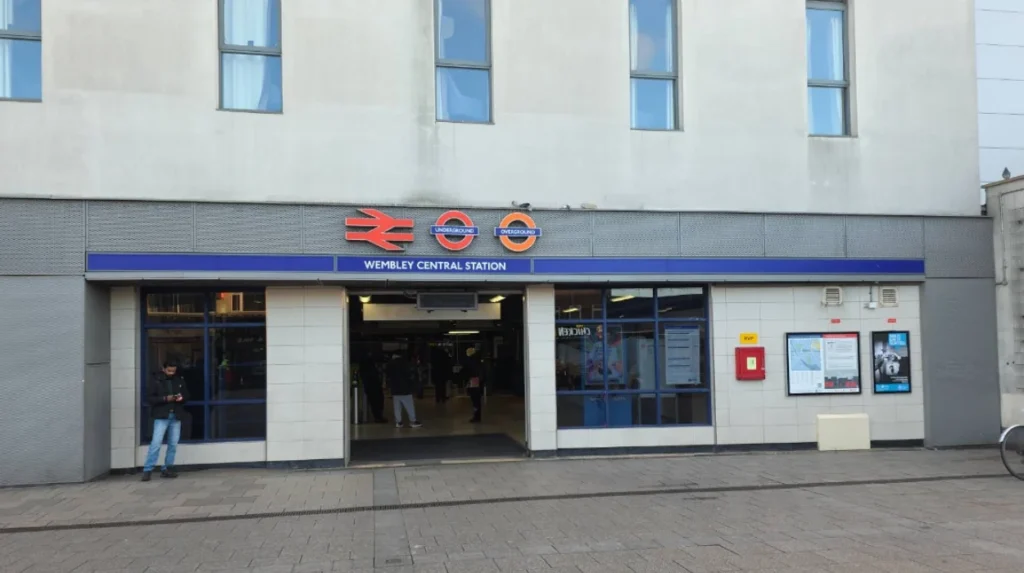
The transit architecture of Brent is designed around high-capacity transit pathways that link outer suburban zones to Zone 1 employment areas. Wembley Park station operates as the primary northern transport hub, served directly by the Metropolitan and Jubilee lines. The Metropolitan line provides non-stop express routes to Baker Street in 12 minutes and King’s Cross St. Pancras in less than 20 minutes, while the Jubilee line handles continuous north-south journeys through Bond Street, Waterloo, and the eastern financial complexes of Canary Wharf.
The southern and western margins of the borough are connected via the Bakerloo line and the London Overground network. Stations including Willesden Junction, Queen’s Park, and Harlesden connect users to the North London and West London Overground lines. This allows cross-capital orbital travel to Richmond, Stratford, and Clapham Junction without transiting through the central core. Willesden Junction serves as an important regional interchange, connecting local commuter flows to National Rail services.
Surface transport consists of an extensive network of London Bus routes operating 24 hours a day along major radial roads, including the A5 Edgware Road and the A404 Harrow Road. These routes link local commercial areas where underground access is distant. Micro-mobility networks have expanded to support these systems, featuring designated parking zones for dockless e-bikes, such as Lime bikes, alongside dedicated cycling paths that run parallel to major transport channels.
What accommodation options exist in Brent for short-term and extended stays?
Accommodation options in Brent range from budget-focused international hotel chains and specialized modern student residences to flexible extended-stay aparthotels and private residential lets. Key developments in Wembley Park and Willesden offer fully furnished living quarters featuring integrated workspaces and utilities.
The rapid transformation of Brent’s built environment has created a diverse selection of temporary housing tailored for visiting professionals and leisure travelers. At the center of this transformation is Wembley Park, which hosts a high concentration of build-to-rent projects and corporate hotel facilities, including Hilton, Novotel, and Premier Inn. These establishments provide functional business rooms equipped with spacious writing desks, data ports, and access to on-site fitness facilities and meeting rooms.
For longer stays, digital nomads and remote contractors utilize structured co-living spaces and premium student accommodations that pivot to private bookings outside academic terms, such as Scape Wembley. These properties are built with an all-inclusive pricing structure covering the following elements:
- Fully furnished studio apartments or private en-suite bedrooms.
- All utility charges, including electricity, water, heating, and building services.
- High-capacity, symmetrical Wi-Fi connections accessible across the entire property.
- Shared community spaces, including dedicated academic or corporate study zones, group kitchens, and private on-site cinema lounges.
In the borough’s southern residential areas, including Kilburn, Kensal Green, and Queen’s Park, the market relies on serviced apartments and private residential properties managed via short-term rental platforms. These options feature full domestic kitchens and multi-room layouts, providing an authentic neighborhood experience suited for families or business travelers on extended consulting projects.
What is the true cost of living in Brent for a remote worker or tourist?
The cost of living in Brent is moderately lower than in central London, with average monthly outgoings for a single professional ranging from £1,900 to £2,800 depending on accommodation choices. Retail groceries, transit costs, and workspace entry fees match standard London statutory pricing scales.
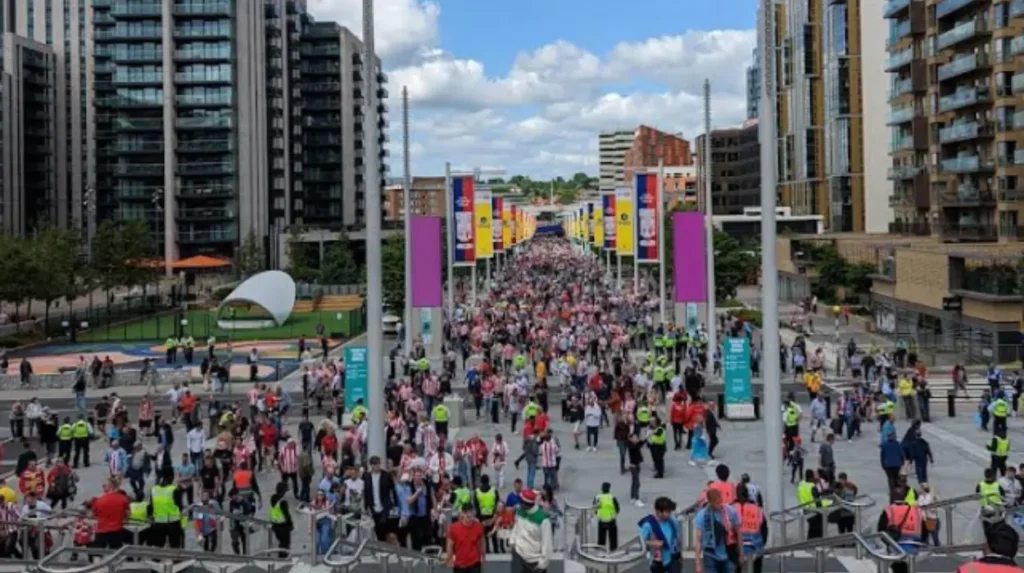
Operating financially within Brent requires a clear breakdown of daily, weekly, and monthly expenses. Housing represents the largest single expenditure, with a private one-bedroom serviced property or co-living studio averaging between £1,300 and £1,900 per month, compared to Zone 1 figures which routinely exceed £2,300. Short-term visitors can expect hotel rates to fluctuate heavily, ranging from £70 per night during off-peak periods to over £250 per night when major sporting events or concerts take place at Wembley Stadium.
| Expense Category | Daily / Unit Cost | Monthly Equivalent | Operational Detail |
| Co-living / Serviced Studio | £45 – £65 | £1,300 – £1,900 | Includes utilities and internet access |
| Mid-range Hotel Room | £70 – £250 | N/A | Highly dependent on Stadium events |
| Coworking Desk Pass | £6 – £17 | £150 – £300 | Varies by brand and access tier |
| Public Transport (Zones 2-4) | £3.40 – £5.30 per journey | £120 – £160 | Capped via Oyster/Contactless systems |
| Supermarket Groceries | N/A | £200 – £300 | Sourced from mid-tier retailers |
| Artisan Café Lunch & Coffee | £9 – £15 | N/A | Standard daily working expense |
Daily sustenance and commercial workspace access follow stable pricing structures. A standard daily hot-desk pass at a commercial coworking hub costs between £6 and £17, while a standard espresso beverage and artisan lunch item at a local café costs between £9 and £15.
Grocery shopping costs can be managed by utilizing mid-market supermarket chains like Lidl, Asda, and Sainsbury’s, which are located across major high streets in Willesden, Kilburn, and Wembley. Public transport costs are capped automatically by Transport for London (TfL) when using contactless payment cards or Oyster cards, making multi-stage travel throughout the day economical.
Which specific neighborhoods in Brent offer the best balance of leisure and remote work?
Wembley Park and Queen’s Park provide the best balance of remote work infrastructure and leisure options within Brent. Wembley Park features high-density corporate workspaces and major retail installations, while Queen’s Park provides a relaxed environment with independent commercial venues.
Choosing a neighborhood in Brent depends on an individual’s operational preferences and lifestyle choices. Wembley Park functions as a modern, master-planned urban district. For leisure, it features the Boxpark culinary and entertainment complex, the London Designer Outlet retail mall, and numerous modern restaurants. The area is highly pedestrianized, safe, and clean, appealing to business travelers who value proximity to transit lines and reliable corporate workspaces.
In contrast, Queen’s Park appeals to individuals seeking a traditional London neighborhood atmosphere. The area centers around Salusbury Road, which features independent boutiques, bookshops, organic grocery outlets, and a weekly farmers’ market. The historic 30-acre public park provides open green space, tennis courts, and quiet spots for outdoor work during the summer.
Willesden Green serves as a practical middle ground, combining lower residential accommodation costs with excellent transport links via the Jubilee line. The Willesden Green Library Centre acts as a multi-functional community anchor, providing free public study desks, regular art exhibitions, and a quiet working environment away from commercial spaces. This neighborhood allows remote workers to embed themselves within a diverse, multi-cultural London community while remaining closely connected to central London’s commercial districts.
What are the best coworking spaces in Brent for digital nomads and business travellers?
The best coworking spaces in Brent are concentrated around Wembley Park and include Spaces Wembley Park, HQ Sabichi House, and flexible office hubs near Olympic Way. These locations provide hot-desking, enterprise-grade Wi-Fi, meeting rooms, ergonomic seating, and flexible daily access for remote professionals.