Angel in Islington is famous for its independent shopping streets, historic markets, theatres, restaurants, cultural venues and lively social scene. Located in North London, Angel combines historic character with modern commercial activity, making it an important destination for tourists, residents and business visitors.
- What Is Angel in Islington Known For?
- Where Is Angel Located in North London?
- Why Is Angel Called Angel?
- What Makes Upper Street Famous?
- Why Is Camden Passage Famous?
- What Is Chapel Market Famous For?
- What Is Angel Central Famous For?
- Which Theatres and Cultural Venues Make Angel Famous?
- Why Is Sadler’s Wells Famous?
- What Is the Almeida Theatre Known For?
- What Makes King’s Head Theatre Different?
- Why Is Union Chapel an Important Cultural Venue?
- What Food and Restaurants Is Angel Famous For?
- Is Angel Famous for Its Historic Buildings and Architecture?
- What Is the Business Design Centre Famous For?
- Is Regent’s Canal Near Angel?
- What Is Angel Famous for in Shopping and Entertainment?
- Why Is Angel Popular with Tourists and Leisure Travellers?
- How Can Visitors Travel to Angel?
- Is Angel a Good Place for Digital Nomads and Remote Workers?
- What Other Attractions Are Near Angel in Islington?
- Why Is Angel Important to North London’s Identity?
- What Is Angel in Islington Famous For?
The neighbourhood sits within the London Borough of Islington, close to King’s Cross, Clerkenwell and the City of London. Its central location, excellent transport connections and varied attractions make it one of the most recognisable areas of North London.
Angel is particularly associated with Upper Street, Camden Passage, Chapel Market, Angel Central, Sadler’s Wells Theatre, the Almeida Theatre and Regent’s Canal. These destinations give the neighbourhood its distinctive identity as a place for shopping, entertainment, food, independent businesses and cultural activities.
Unlike a neighbourhood defined by one major landmark, Angel attracts visitors through its combination of different experiences. Visitors can explore antique shops, attend a theatre performance, discover historic buildings, enjoy international food and walk along nearby waterways within the same visit.
What Is Angel in Islington Known For?
Angel is known for its independent shops, historic street markets, restaurants, theatres, cultural attractions and lively nightlife. Its main destinations include Upper Street, Camden Passage, Chapel Market, Angel Central and Sadler’s Wells, creating a distinctive North London visitor experience.
Angel is a commercial and cultural centre in Islington. It attracts people interested in shopping, dining, entertainment, architecture and local history. The neighbourhood also serves as an important connection between residential North London and central London.
Its identity comes from several interconnected features. Upper Street provides a major shopping and dining destination. Camden Passage attracts antique collectors and vintage shoppers. Chapel Market maintains traditional street trading. Theatres and music venues support the area’s cultural reputation.
Angel also benefits from its proximity to the City of London and King’s Cross. This makes it accessible to international tourists, domestic visitors and professionals working in central London.
The area combines traditional businesses with contemporary retail and hospitality. Historic pubs operate alongside modern restaurants, while independent retailers occupy streets close to larger shopping developments.
Angel’s character is therefore based on its commercial diversity, cultural activity and historic urban environment.
Where Is Angel Located in North London?
Angel is located in the southern part of the London Borough of Islington, North London. The neighbourhood centres around Angel Underground station and the junction of Islington High Street, Pentonville Road and Upper Street, providing convenient access to central London.
Angel forms part of the wider Islington district in the London Borough of Islington. The area is positioned north of Clerkenwell and the City of London, with King’s Cross and Pentonville to the west.
Angel Underground station is the main public transport reference point for visitors. It is served by the Northern line, connecting the neighbourhood with destinations including King’s Cross St Pancras, Old Street, London Bridge and Leicester Square.
Upper Street extends northwards from Angel towards Islington Green and Highbury. This road forms one of the area’s most important commercial corridors.
The surrounding neighbourhood includes several recognisable streets and destinations:
- Islington High Street: The main historic commercial street around Angel.
- Upper Street: A major destination for restaurants, shops and entertainment.
- Pentonville Road: A significant road connecting Angel with King’s Cross.
- Essex Road: A local commercial and transport corridor.
- Liverpool Road: A street providing access to Chapel Market and nearby residential areas.
Angel’s location makes it suitable for visitors combining North London attractions with central London sightseeing.
Why Is Angel Called Angel?
Angel takes its name from the Angel Inn, a historic coaching inn associated with Islington High Street. The establishment gave its name to the surrounding locality, and its identity subsequently became associated with the Underground station and wider neighbourhood.
The name Angel has historical connections with the area’s former role as a stopping point for travellers entering London from the north.
Before modern transport networks developed, coaching inns provided accommodation, refreshments and services for people travelling between towns and cities. Islington’s position on important northern routes made it a useful stopping point.
The Angel Inn became an important local landmark. Its name survived changes in the surrounding streets and commercial landscape.
The neighbourhood later developed into a busy urban centre as London’s population expanded. Residential development, transport infrastructure and commercial growth transformed Islington from a village settlement into part of the capital’s continuous urban area.
Today, the name Angel appears across local businesses, retail developments, transport facilities and cultural organisations.
The history of the neighbourhood also explains its relationship with Islington’s wider development. As you explore the modern shopping streets and historic buildings, you are crossing land with a deep heritage. Read about the full [Historical Development of Islington and Angel in North London] to understand how the former settlement developed into today’s commercial and cultural neighbourhood.
What Makes Upper Street Famous?
Upper Street is famous for its restaurants, independent retailers, fashion shops, cafés, pubs and entertainment venues. It is one of Islington’s principal commercial streets, connecting Angel with Islington Green and providing visitors with a wide range of shopping and dining experiences.
Upper Street is one of the most recognisable streets in Angel and the wider Islington area. It attracts visitors throughout the day and evening because of its concentration of hospitality, retail and entertainment businesses.
The street features a mixture of independent shops, established restaurant brands, traditional pubs, coffee shops and specialist retailers. Its commercial character makes it a popular destination for people looking for shopping and dining outside London’s busiest central shopping districts.
Restaurants along Upper Street serve different cuisines, including Italian, Indian, Japanese, Mediterranean and contemporary British food. This diversity reflects Islington’s wider hospitality industry and its appeal to international visitors.
Upper Street also connects several important cultural destinations. The Almeida Theatre and nearby entertainment venues contribute to its evening economy. Visitors frequently combine shopping and restaurant visits with theatre performances.
The street is also useful for visitors who prefer exploring neighbourhood businesses rather than spending their entire day in major shopping centres.
What Types of Shops Can Visitors Find on Upper Street?
Upper Street features independent fashion retailers, homeware shops, specialist food businesses, beauty services and established high-street brands. The mix of businesses gives shoppers access to everyday products and more specialised retail experiences.
Independent businesses contribute significantly to the street’s identity. They provide alternatives to standard shopping-centre retail and support the area’s distinctive commercial environment.
Visitors can explore smaller boutiques, gift shops and specialist retailers while moving between Angel and Islington Green.
Why Is Upper Street Popular in the Evening?
Upper Street becomes an important social destination during the evening because of its restaurants, pubs, bars and cultural venues. Theatre audiences, local residents and visitors use the street for dining and entertainment.
Its concentration of hospitality businesses supports a lively evening economy. The combination of restaurants and theatres also makes Upper Street convenient for visitors planning a complete evening in Islington.
Why Is Camden Passage Famous?
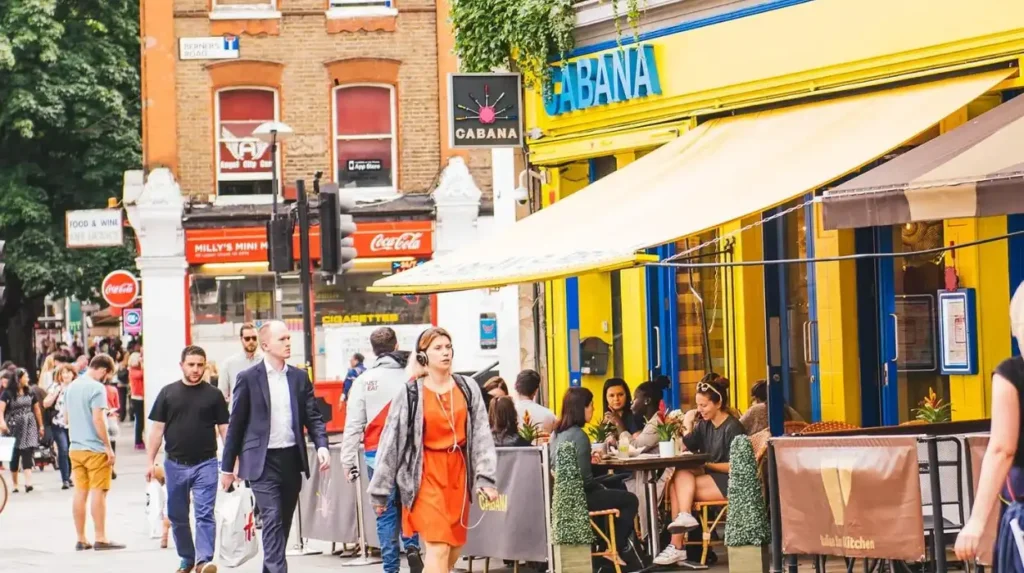
Camden Passage is famous for its antique shops, vintage clothing, collectables, independent boutiques and specialist market stalls. Located just off Upper Street, this pedestrianised shopping street is one of Angel’s best-known destinations for traditional antiques and independent retail.
Camden Passage is one of the most distinctive shopping destinations in Angel. It attracts antique collectors, vintage enthusiasts, tourists and people interested in independent retail.
The passage is a pedestrianised street containing specialist shops, cafés, restaurants and market trading areas. Its narrow layout and historic surroundings distinguish it from larger commercial streets.
The area developed a reputation as an antique-shopping destination during the 1950s. Over time, its retail offering expanded to include contemporary clothing, jewellery, artwork, collectables and specialist gifts.
Islington Council identifies three separate market areas within Camden Passage:
- Camden Passage itself: The main pedestrian street, with independent shops and outdoor stalls.
- Pierrepont Arcade: An indoor shopping area with specialist retailers.
- Charlton Place: An additional market area associated with independent trading.
The market is particularly associated with antiques and vintage products. Visitors can discover second-hand furniture, decorative objects, jewellery, old prints, collectables and vintage clothing.
When Is Camden Passage Market Open?
The main market days are Wednesday and Saturday, generally between 8 am and approximately 5 pm. Individual shops and additional stalls operate according to their own schedules.
The market experience varies depending on the day. Wednesday and Saturday are particularly suitable for visitors who want to explore the outdoor stalls.
Opening arrangements can change, so checking the market’s official information before travelling is advisable.
Is Camden Passage the Same as Camden Market?
No. Camden Passage is in Angel, Islington, while Camden Market is located in Camden Town. They are separate shopping destinations in different parts of North London.
This distinction is important for tourists planning their London itinerary. Camden Passage offers a more concentrated antique and independent-shopping experience, while Camden Market is associated with a much larger collection of markets and retail spaces.
The two destinations also have different transport arrangements and surrounding attractions.
What Is Chapel Market Famous For?
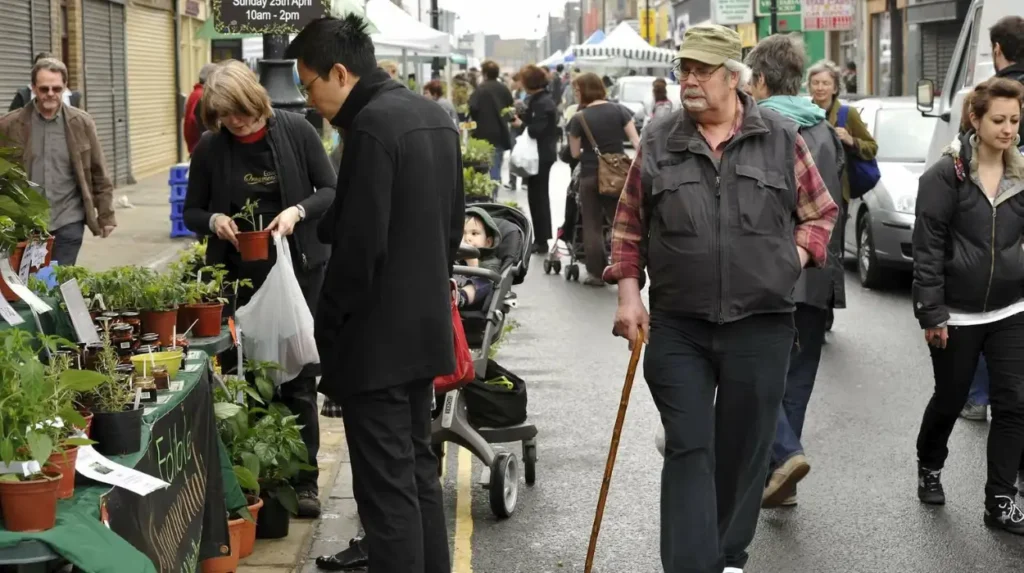
Chapel Market is famous for its traditional street trading, fresh food, household goods, clothing, jewellery and affordable everyday shopping. Located near Angel Underground station, it has served Islington’s local community for more than 150 years.
Chapel Market is one of the most important traditional markets in Islington. It provides a different shopping experience from the independent boutiques and antique shops of Camden Passage.
The market is particularly associated with everyday products and affordable shopping. Its stalls serve local residents as well as visitors exploring Angel.
Common products include:
- Fresh fruit and vegetables.
- Household goods and kitchen products.
- Clothing and accessories.
- Jewellery and personal items.
- Prepared food and takeaway products.
Islington Council describes Chapel Market as the heart of Angel and highlights its history of more than 150 years.
The market also demonstrates how traditional street trading remains relevant within a modern London neighbourhood. It supports small traders and provides accessible shopping opportunities.
What Are Chapel Market’s Opening Days?
Chapel Market generally operates from Tuesday to Sunday, with different opening times depending on the day.
Visitors should check current council information before travelling because individual trader attendance and market arrangements can vary.
Why Is Chapel Market Important to Angel?
Chapel Market supports Angel’s traditional retail identity. It provides everyday shopping services that complement the area’s restaurants, independent boutiques and larger commercial developments.
Its continued operation also connects the neighbourhood’s modern economy with its historic role as a local trading centre.
What Is Angel Central Famous For?
Angel Central is famous for its shopping facilities, restaurants, entertainment and convenient location beside Angel Underground station. It provides a modern retail destination within a neighbourhood otherwise recognised for traditional markets and independent shopping streets.
Angel Central is a major shopping and leisure destination in the neighbourhood. It offers visitors a convenient location for retail shopping, food and entertainment.
The development complements the independent businesses found along Upper Street and Camden Passage. Its modern commercial environment provides a different experience from Angel’s historic shopping streets.
The centre is particularly useful for visitors looking for familiar retail facilities, restaurants and leisure activities in one location.
Its position close to Angel Underground station also makes it accessible for people travelling from other parts of London.
How Does Angel Central Support Local Commercial Activity?
Angel Central contributes to the area’s retail economy by bringing different shopping and hospitality businesses together in a central location.
Its presence increases the variety of services available to local residents and visitors. People can combine shopping at the centre with visits to nearby markets, cafés and restaurants.
This concentration of commercial activity supports Angel’s reputation as an established North London shopping destination.
Which Theatres and Cultural Venues Make Angel Famous?
Angel and the surrounding Islington neighbourhood are famous for their theatres, live performances, independent arts organisations and music venues. Sadler’s Wells, the Almeida Theatre, King’s Head Theatre and Union Chapel contribute to the area’s cultural identity.
Culture is one of the strongest reasons visitors explore Angel and Islington. The neighbourhood provides access to established performing arts institutions and smaller independent venues.
Theatres, music venues and cultural organisations attract audiences from across London and beyond.
Why Is Sadler’s Wells Famous?
Sadler’s Wells Theatre is internationally recognised for dance and performing arts.
Its programme includes contemporary dance, ballet, flamenco and international productions. The venue has played an important role in presenting dance to London audiences.
Located on Rosebery Avenue, it is within walking distance of Angel Underground station.
Visitors interested in performing arts can check the theatre’s programme for scheduled performances, special events and ticket availability.
What Is the Almeida Theatre Known For?
Almeida Theatre is known for contemporary theatre, new writing and innovative productions.
The theatre presents plays involving established and emerging creative talent. Its relatively intimate performance environment provides audiences with a close connection to the stage.
The Almeida is an important part of Islington’s cultural reputation because it supports theatrical experimentation and new dramatic work.
What Makes King’s Head Theatre Different?
King’s Head Theatre is associated with independent theatre and intimate performances.
Its history is closely connected with pub theatre and smaller-scale dramatic productions. The organisation has continued to develop its programme and venue facilities, providing opportunities for new theatrical work.
It adds variety to Angel’s cultural landscape alongside larger performing arts institutions.
Why Is Union Chapel an Important Cultural Venue?
Union Chapel is a Grade I-listed Victorian Gothic church that also operates as a live music and events venue.
Its architecture and distinctive interior make it a notable Islington landmark. Concerts, talks and other cultural events bring audiences into the historic building.
Union Chapel demonstrates how historic religious buildings continue to contribute to contemporary cultural life.
What Food and Restaurants Is Angel Famous For?
Angel is famous for its diverse restaurant scene, independent cafés, traditional pubs, international cuisine and specialist food businesses. Upper Street, Camden Passage and nearby Exmouth Market provide several options for visitors seeking casual meals and established dining experiences.
Food is an important part of Angel’s commercial and social identity. The neighbourhood attracts people looking for everything from quick lunches to evening restaurant experiences.
Upper Street is particularly associated with its concentration of restaurants, cafés and bars. Visitors can find different cuisines, including Italian, Japanese, Indian, Mediterranean and British food.
The surrounding streets also contain independent cafés and smaller hospitality businesses. These establishments support the area’s daytime economy by attracting shoppers, workers, residents and tourists.
What Is Exmouth Market Famous For?
Exmouth Market is a popular food and dining destination close to Angel.
It is known for street food, independent restaurants, cafés and bars. Its pedestrian-friendly environment creates a concentrated hospitality area that attracts lunchtime visitors and evening diners.
The market has more than 20 designated trading pitches, according to Islington Council. Its food offering complements the restaurants and cafés found around Upper Street.
Exmouth Market is particularly useful for visitors who want to explore food businesses beyond the main Angel shopping streets.
Are There Traditional Pubs in Angel?
Yes. Angel and Islington have a strong pub culture. Traditional pubs operate alongside modern bars, restaurants and independent drinking establishments.
The area’s pubs provide spaces for socialising, dining and watching live entertainment. Some also occupy historic buildings that contribute to Islington’s architectural character.
Visitors interested in traditional London pub culture can explore establishments around Upper Street, Islington Green and the surrounding streets.
Is Angel Famous for Its Historic Buildings and Architecture?
Angel is famous for its historic streets, Georgian and Victorian buildings, traditional commercial architecture and surviving landmarks. Its architectural character reflects Islington’s development from a rural settlement into a densely populated London neighbourhood.
Angel’s architecture provides evidence of the neighbourhood’s historical development. Older buildings stand alongside modern commercial developments, creating a varied urban environment.
The area’s historic character is particularly visible around Islington Green, Camden Passage and sections of Upper Street.
What Is Islington Green Famous For?
Islington Green is a historic public green space near the northern end of Angel’s central commercial area.
It provides an open space surrounded by streets containing shops, restaurants and historic buildings.
The green has long been associated with Islington’s development as a village and later as an urban neighbourhood. It also provides a useful meeting point for visitors exploring Upper Street.
What Historic Features Can Visitors Discover?
Visitors can identify several architectural features while walking through Angel and Islington:
- Georgian residential buildings with traditional brick façades.
- Victorian commercial properties with decorative architectural details.
- Historic pubs and former coaching-house buildings.
- Traditional market streets and narrow pedestrian passages.
- Converted historic buildings now used for commercial and cultural activities.
These features help explain why Angel retains a recognisable historic identity despite extensive urban development.
What Is the Business Design Centre Famous For?
The Business Design Centre is famous for exhibitions, conferences, trade shows, business events and its historic Royal Agricultural Hall building. Located on Upper Street, it connects Angel’s commercial identity with London’s wider professional and exhibition industries.
Business Design Centre is an important commercial and exhibition venue in Angel.
Its history dates back to 1862, when the building opened as the Agricultural Hall. It was originally designed to accommodate the Smithfield Cattle Club Show.
The original building featured a large indoor exhibition space and an enormous single-span roof. It became a major venue for agricultural exhibitions and subsequently hosted different public events.
The venue’s historical importance is connected with London’s exhibition industry. During its earlier years, it hosted events including agricultural shows, circuses, military tournaments and motor shows.
The building experienced significant changes during the twentieth century. Following its use by the Post Office during the Second World War, it fell into neglect.
The Morris family acquired the site in the 1980s and restored the building. The Business Design Centre opened in October 1986.
Why Is the Business Design Centre Important Today?
The venue hosts exhibitions, conferences, trade events and professional gatherings. It attracts exhibitors, business owners, industry professionals and visitors from different sectors.
Its events contribute to Angel’s visitor economy. Exhibition attendees use nearby hotels, restaurants, transport facilities and retail businesses during their visits.
The centre also demonstrates how historic buildings can support modern commercial activity while retaining their architectural significance.
For domestic business travellers, the venue is an important reason to visit Angel. Its proximity to Angel Underground station and Upper Street provides convenient access to restaurants and accommodation.
Is Regent’s Canal Near Angel?
Regent’s Canal is accessible from Angel and provides visitors with opportunities for waterside walks, cycling, sightseeing and access to London’s historic canal network. The surrounding waterways offer a quieter recreational environment close to Angel’s busy commercial streets.
Regent’s Canal is an important historic waterway running through North London.
The canal forms part of London’s historic transport infrastructure. It originally supported the movement of goods and commercial activity between different parts of the capital.
Today, its towpaths provide recreational routes for walkers and cyclists. The waterway also supports residential developments, waterside businesses and leisure activities.
What Can Visitors Do Along Regent’s Canal?
Visitors can explore the canal environment through walking, photography and cycling.
Popular activities include:
- Walking along the towpath.
- Watching narrowboats and other canal traffic.
- Photographing waterside buildings and bridges.
- Visiting cafés and pubs near the water.
- Exploring nearby residential and commercial developments.
The canal offers a contrast with Angel’s busy shopping streets. Visitors can move from Upper Street’s restaurants and shops towards quieter waterside surroundings.
Why Is the Canal Historically Important?
Regent’s Canal formed part of the commercial transport system that supported London’s industrial growth.
Before modern road freight became dominant, canals provided an efficient method of transporting heavy materials and goods. Their development supported warehouses, manufacturing and trade.
The surviving canal infrastructure provides evidence of London’s industrial and commercial history.
What Is Angel Famous for in Shopping and Entertainment?
Angel is famous for combining traditional street markets, independent boutiques, modern shopping facilities, cinemas, theatres and evening entertainment. Its commercial streets serve different visitor interests, from antique collecting and fashion shopping to dining and live performances.
Angel’s retail and entertainment offering is one of its strongest attractions.
The neighbourhood provides different shopping environments within a relatively compact area. This gives visitors opportunities to explore traditional markets, specialist retailers and modern commercial developments.
The main destinations serve different purposes:
- Camden Passage: Antiques, vintage clothing, collectables and independent boutiques.
- Chapel Market: Traditional market shopping, fresh produce and everyday goods.
- Upper Street: Restaurants, fashion retailers, cafés and independent businesses.
- Angel Central: Modern shopping, restaurants and leisure facilities.
- Exmouth Market: Food businesses, cafés and hospitality venues.
This retail diversity supports Angel’s reputation as a destination for both practical shopping and leisure activities.
Entertainment is equally important. Theatre performances, independent music venues, restaurants and pubs contribute to the evening economy.
Visitors can therefore explore the neighbourhood during the day and return to its cultural and hospitality venues in the evening.
Why Is Angel Popular with Tourists and Leisure Travellers?
Angel attracts tourists and leisure travellers because it combines historic markets, cultural attractions, independent shopping, restaurants and accessible transport. Its location near central London also makes it suitable for visitors seeking neighbourhood experiences beyond traditional tourist landmarks.
Angel provides an alternative to London’s major sightseeing destinations. It allows visitors to experience a working North London neighbourhood with an established local identity.
Tourists can explore the markets, discover independent businesses and attend performances without travelling between distant parts of London.
The neighbourhood is also close to other important destinations, including King’s Cross, Clerkenwell and the City of London.
What Can Visitors Do During a Short Visit?
A short visit can focus on Angel’s central attractions.
Visitors can begin at Angel Underground station and explore Islington High Street before walking towards Camden Passage.
From there, they can visit Upper Street, explore independent shops and enjoy lunch at a nearby restaurant.
The afternoon can include Chapel Market or a walk towards Regent’s Canal. Visitors interested in performing arts can finish the day with a scheduled theatre performance.
Is Angel Suitable for Family Visits?
Angel offers shopping, food, public spaces and cultural attractions suitable for different age groups.
Families can explore street markets, visit cafés and discover nearby green spaces. Theatre and cultural organisations also provide performances and activities for different audiences.
Parents should check individual venue age guidance and event schedules before arranging a family visit.
How Can Visitors Travel to Angel?
Angel is easily accessible through the London Underground, local buses, cycling routes and nearby railway connections. Angel Underground station operates on the Northern line, connecting the neighbourhood with King’s Cross, Old Street, London Bridge and central London destinations.
Angel Underground station is the main transport hub for the neighbourhood. Its Northern line services make it convenient for visitors arriving from central London and other parts of the capital.
Other transport options include:
London Underground: Angel station provides Northern line connections towards central London and northern destinations.
Bus services: Several London bus routes serve Angel, Upper Street and nearby roads.
Rail services: Essex Road railway station provides access to services towards Moorgate and destinations outside central London.
Cycling: Visitors can use London’s cycling infrastructure and nearby cycle hire facilities.
Walking: Angel’s main shopping streets, markets and cultural venues are accessible on foot.
Angel’s location also makes it practical for visitors arriving through King’s Cross and St Pancras. These major transport stations provide national and international rail connections.
The London Borough of Islington’s retail and leisure study identifies Angel as an area with strong public transport accessibility. It also highlights the importance of Angel Underground station and the surrounding bus network to local commercial activity.
Is Angel a Good Place for Digital Nomads and Remote Workers?
Angel is suitable for remote workers because it offers independent cafés, restaurants, transport connections and commercial facilities. Its location near central London provides convenient access to professional services, meeting venues and business districts.
Angel attracts professionals who want to work outside traditional offices. Its cafés and hospitality businesses provide places to meet colleagues, take breaks and spend time between appointments.
The area’s location is particularly useful for professionals working with clients in the City of London, Clerkenwell and King’s Cross.
The Business Design Centre also provides an important professional destination for people attending exhibitions, conferences and industry events.
Remote workers should consider practical factors before choosing a café for extended working sessions. These include:
- Reliable Wi-Fi availability.
- Access to power sockets.
- Seating arrangements.
- Noise levels.
- Food and drink prices.
- Business opening hours.
Not every café provides dedicated coworking facilities. Visitors should check individual business arrangements before planning a full working day.
For business travellers, Angel also provides convenient access to restaurants, hotels and cultural venues, making it useful for combining professional commitments with leisure activities.
What Other Attractions Are Near Angel in Islington?
Angel is surrounded by several cultural, historical and recreational attractions in North London. Nearby destinations include King’s Cross, Clerkenwell, Highbury Fields, the London Canal Museum and Islington’s historic streets, offering additional activities within easy travelling distance.
Angel’s location makes it a useful starting point for exploring neighbouring districts.
Visitors interested in expanding their itinerary can explore several nearby destinations.
Highbury Fields
Highbury Fields is a large public green space north of Angel.
It offers walking areas, open grassland, sports facilities and opportunities for outdoor recreation. Its surrounding residential architecture also contributes to the character of Highbury.
London Canal Museum
London Canal Museum explores the history of London’s canals and inland waterways.
Its collections explain the development of canal transport, working boats and London’s commercial waterways. It is particularly relevant to visitors interested in the history of Regent’s Canal.
King’s Cross
King’s Cross is a major transport and commercial district west of Angel.
It is known for King’s Cross and St Pancras railway stations, shopping, restaurants, public spaces and cultural destinations.
Clerkenwell
Clerkenwell is located south of Angel.
It is recognised for historic buildings, design businesses, restaurants and its connections with London’s industrial and commercial history.
These nearby destinations allow visitors to expand an Angel visit into a wider North London and central London itinerary.
Explore More Area Guide
Best Places to Visit in Islington for International Tourists
How to Explore Islington on Foot: Best Walking Routes
Why Is Angel Important to North London’s Identity?
Angel is important to North London’s identity because it combines historic commercial streets, independent businesses, cultural institutions, traditional markets and modern developments. Its continued retail, hospitality and entertainment activity makes it an established neighbourhood destination.
Angel represents an important part of Islington’s wider identity.
Its commercial streets support local employment and independent businesses. Its markets preserve traditional forms of retail activity, while its theatres and cultural venues attract audiences from across London.
The neighbourhood also demonstrates how historic urban environments adapt to changing economic conditions.
The former Agricultural Hall now operates as the Business Design Centre. Historic shopping passages accommodate contemporary independent retailers. Traditional market streets continue to serve local communities alongside modern shopping developments.
These changes demonstrate the relationship between heritage, commercial activity and contemporary urban development.
Angel’s location also supports its continued importance. Its connections with King’s Cross, the City of London and central London make it relevant to tourism, business and residential activity.
The future identity of Angel will continue to depend on maintaining its historic character while supporting accessible retail, cultural investment and local businesses.
What Is Angel in Islington Famous For?
Angel in Islington is famous for its historic markets, independent shopping streets, restaurants, theatres, cultural venues and commercial activity. Upper Street, Camden Passage, Chapel Market, Angel Central and the Business Design Centre are among its most recognisable destinations.
The neighbourhood offers a combination of traditional London character and modern urban experiences. Its markets attract shoppers, its restaurants support a busy hospitality scene and its theatres contribute to London’s performing arts industry.
Regent’s Canal and nearby green spaces provide additional recreational opportunities, while Angel Underground station connects the area with central London.
For tourists, Angel offers an opportunity to explore a distinctive North London neighbourhood. For residents, it provides shopping, entertainment and everyday services. For professionals, its transport connections and exhibition facilities make it a convenient commercial destination.
Angel’s reputation ultimately rests on its ability to combine history, shopping, culture and modern city life within one accessible part of Islington.
What is Angel in Islington most famous for?
Angel is most famous for its independent shopping streets, historic markets, restaurants, theatres and cultural attractions. Camden Passage, Upper Street, Chapel Market and Sadler’s Wells Theatre are among its best-known destinations.