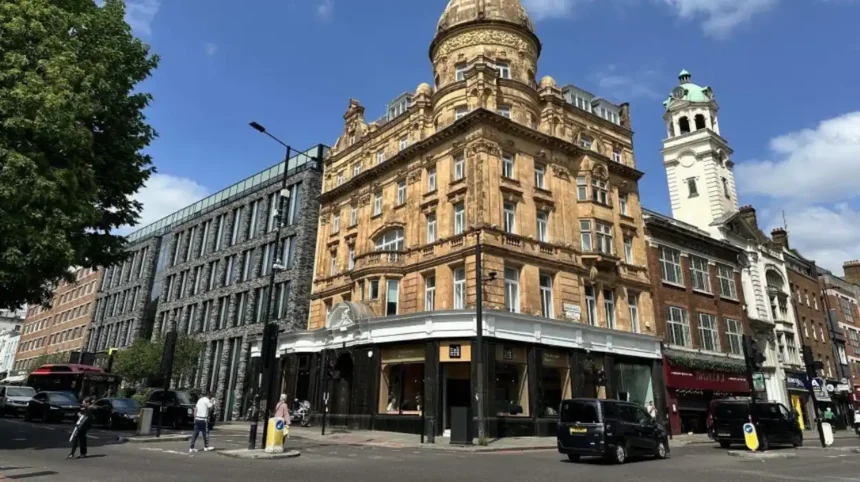
Islington is one of North London’s most rewarding neighbourhoods to explore on foot. Its combination of historic streets, Georgian architecture, independent shops, traditional markets, public gardens, cultural attractions and peaceful waterways makes walking an effective way to discover the borough. Visitors can move between Angel, Upper Street, Canonbury, Barnsbury, Highbury and Clerkenwell without relying on public transport for every journey.
- Why Is Islington a Good Place to Explore on Foot?
- Which Walking Route Should You Follow to Explore Angel and Upper Street?
- How Can You Discover Islington’s Historic Streets and Georgian Architecture?
- Where Can You Enjoy Green Spaces and Peaceful Walking Routes in Islington?
- How Can You Walk Along Regent’s Canal and the New River Walk?
- Which Cultural Attractions Can You Visit While Walking Around Islington?
- What Are the Best Walking Routes for Exploring Islington’s Neighbourhoods?
- How Long Does It Take to Explore Islington on Foot?
- How Can You Plan a Safe and Accessible Walking Tour of Islington?
- Where Can Digital Nomads and Business Travellers Walk in Islington?
- What Is the Best Time of Year to Explore Islington on Foot?
- How Does Walking Help You Experience Modern Islington?
Exploring Islington on foot also provides access to places that are easy to overlook when travelling by bus or underground. Narrow residential streets, hidden garden squares, historic buildings and independent shopping areas reveal different aspects of the borough’s identity. Walking allows visitors to experience these neighbourhoods at a manageable pace while connecting major attractions with smaller local destinations.
Islington is particularly suitable for tourists, leisure travellers, residents and business visitors with limited free time. A short walk around Angel introduces its shopping and dining culture, while a longer route through Canonbury and Barnsbury reveals historic architecture and green spaces. Regent’s Canal and the New River Walk provide quieter alternatives to the busy commercial streets.
The borough also has an established culture of active travel. Islington Council publishes self-guided historical walking routes covering several neighbourhoods, making it easier to explore independently. These routes provide practical starting points for visitors interested in architecture, local history and the relationship between Islington’s historic development and its modern urban environment. Islington Council+1
Why Is Islington a Good Place to Explore on Foot?
Islington is suitable for walking because its neighbourhoods contain closely connected attractions, historic streets, public gardens, markets and cultural venues. Its compact urban layout allows visitors to combine sightseeing, shopping, dining and outdoor recreation within individual walking routes.
Islington occupies an important position in North London, immediately north of the City of London. The London Borough of Islington includes neighbourhoods such as Angel, Barnsbury, Canonbury, Clerkenwell, Finsbury, Highbury and Holloway. Each area has a distinct character, architectural history and collection of local attractions.
Walking provides a practical way to understand these differences. Upper Street offers restaurants, theatres and independent shops, while Canonbury contains quieter residential streets and historic garden squares. Barnsbury is known for its Georgian terraces and landscaped squares. Clerkenwell connects Islington with London’s historic religious, commercial and industrial development.
The borough’s established pedestrian environment also supports independent exploration. According to Islington Council, 56% of residents walked and cycled in 2022/23, while 51% completed at least 20 minutes of active travel daily. These figures demonstrate the importance of walking and cycling in local transport habits.
Another advantage is the availability of public transport stations near important walking areas. Angel, Highbury & Islington, Essex Road and Farringdon provide convenient access to different parts of the borough. Visitors can begin a route at one station and finish near another without retracing the entire journey.
Walking also makes it easier to discover independent businesses. Small cafés, bookshops, galleries, bakeries and traditional pubs contribute to Islington’s local economy. These destinations are distributed throughout its main streets and residential neighbourhoods.
For visitors, the combination of accessible transport, historic attractions and neighbourhood diversity makes Islington a practical destination for half-day and full-day walking experiences.
Which Walking Route Should You Follow to Explore Angel and Upper Street?
Angel and Upper Street provide an accessible introduction to Islington through shopping streets, historic buildings, independent cafés and cultural venues. A walking route between Angel Station, Camden Passage and Upper Street combines major attractions with smaller neighbourhood destinations.
Angel is one of the best starting points for exploring Islington. Angel Underground Station is on the Northern line and connects visitors with central London and other North London destinations. Its surrounding streets contain restaurants, shops, markets and entertainment venues.
Begin at Angel Station and walk towards Islington High Street. This area provides access to several historic commercial buildings and connections to Upper Street. The route introduces visitors to the neighbourhood’s mixture of traditional architecture and modern businesses.
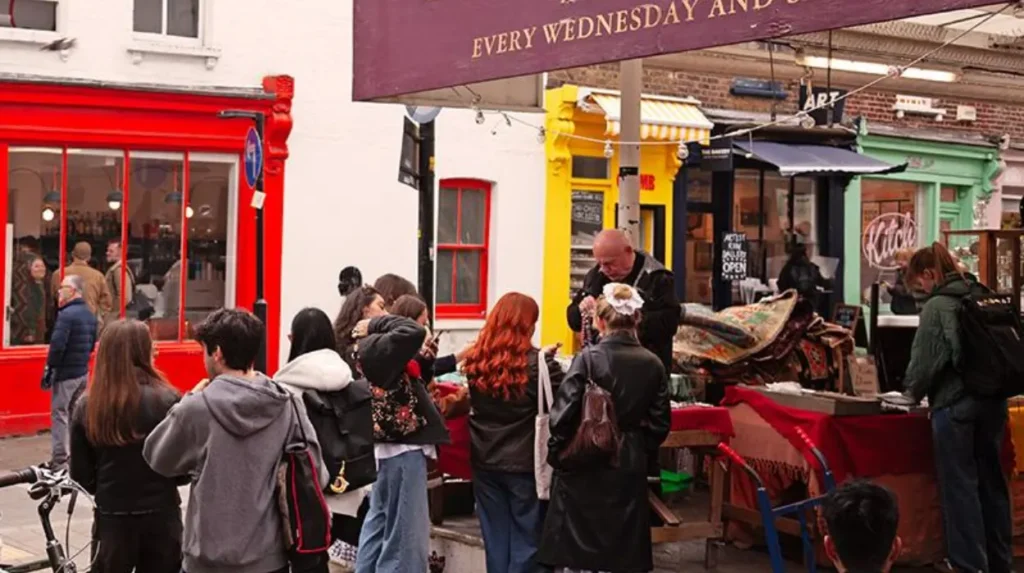
Camden Passage is one of Angel’s most recognisable pedestrian destinations. It is known for independent shops, vintage retailers, antiques and specialist businesses. The passage offers a different shopping environment from conventional high streets, with smaller premises and pedestrian-friendly sections.
Continue towards Upper Street, one of Islington’s principal commercial roads. The street contains restaurants, cafés, pubs, fashion shops and entertainment venues. Visitors can explore its independent businesses before continuing towards the Almeida Theatre or Union Chapel.
The Almeida Theatre is an established performing arts venue presenting contemporary and classical productions. Union Chapel is a historic church and live music venue recognised for its distinctive architectural character. Both destinations contribute to Islington’s cultural identity.
Visitors interested in food can also explore Chapel Market, located close to Angel. The market has a long-standing association with everyday shopping and local traders. Its stalls and surrounding businesses provide opportunities to experience the commercial character of the neighbourhood.
A useful walking sequence is:
- Angel Underground Station.
- Camden Passage.
- Islington High Street.
- Chapel Market.
- Upper Street.
- Almeida Theatre.
- Union Chapel.
The route can be adjusted according to available time. A shorter visit can focus on Angel, Camden Passage and Chapel Market, while a longer walk can include the cultural venues around Upper Street.
Visit London also identifies Camden Passage, Upper Street, Sadler’s Wells and Regent’s Canal among the main attractions in the Angel and Islington area.
How Can You Discover Islington’s Historic Streets and Georgian Architecture?
Islington’s historic streets are best explored through Barnsbury, Canonbury and the residential areas surrounding Upper Street. These neighbourhoods contain Georgian terraces, landscaped squares, historic churches and preserved architectural features that explain the borough’s transformation.
Islington developed from a rural settlement into an important residential district as London expanded northwards. During the 18th and 19th centuries, agricultural land and country estates gradually gave way to residential development. Georgian houses, garden squares and terraces became important features of the growing neighbourhood.
Canonbury is an excellent place to observe this architectural development. Canonbury Square was laid out around 1800 and is recognised as one of Islington’s earliest residential squares. Its surrounding houses, garden spaces and mature trees create a distinctive historic streetscape.
The square also has literary associations. Former residents included writers Evelyn Waugh and George Orwell, alongside artists Duncan Grant and Vanessa Bell. These connections contribute to Canonbury’s cultural significance.
Barnsbury provides another opportunity to explore historic residential architecture. Its streets contain Georgian terraces, garden squares and buildings associated with Islington’s 19th-century development.
Barnsbury Square is particularly useful for visitors interested in the relationship between architecture and public green space. The surrounding residential buildings demonstrate how landscaped squares formed part of planned urban neighbourhoods.
Compton Terrace offers another worthwhile stop. It was designed by Henry Leroux in 1805 and completed in 1830. The terrace developed around Union Chapel, whose present building dates from 1876–77. Its architectural setting reflects the importance of religious institutions in the development of residential communities.
A historic walking route can connect Canonbury Square, Compton Terrace, Barnsbury Square and the streets surrounding Upper Street. Visitors should respect private residential entrances and avoid entering enclosed gardens unless public access is clearly permitted.
Understanding these locations becomes easier when their architectural features are considered alongside the borough’s wider development. As you explore the modern neighbourhood, you are crossing land shaped by centuries of urban expansion. Read about the full [History of Islington and Its Transformation from a Rural Village into a North London Borough] to understand its origins.
The London Parks & Gardens Trust’s self-guided Islington walk provides detailed directions and historical information about Canonbury Square, Compton Terrace Gardens and other historic locations.
Where Can You Enjoy Green Spaces and Peaceful Walking Routes in Islington?
Islington’s green spaces provide quieter walking experiences away from busy commercial roads. Highbury Fields, Compton Terrace Gardens, Canonbury Square and Culpeper Community Garden offer accessible outdoor stops for visitors seeking relaxation, landscaped surroundings and local nature.
Although Islington is a densely developed urban borough, it contains several public green spaces that improve its walking environment. These locations provide opportunities to rest, observe local architecture and experience the neighbourhood beyond its main shopping streets.
Highbury Fields
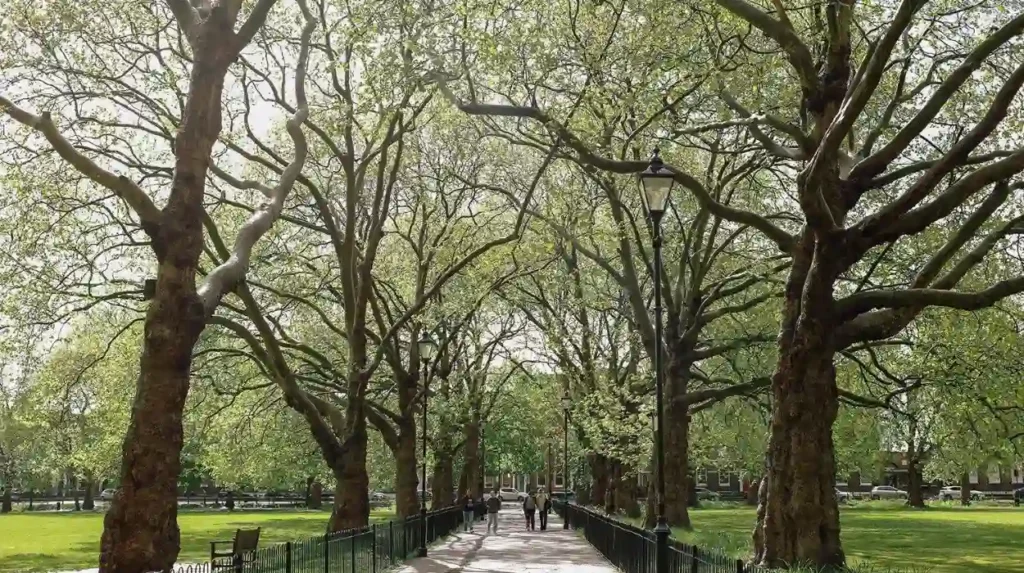
Highbury Fields is one of Islington’s best-known public parks. It offers open lawns, mature trees, walking paths and recreational facilities. The park is suitable for a relaxed walk, a short break or outdoor exercise.
Its location makes it particularly useful for visitors exploring Highbury and Upper Street. Walkers can connect the park with Highbury Corner and Highbury & Islington Station.
Culpeper Community Garden
Culpeper Community Garden is a community-managed green space near Angel. It contains planting areas, flowers, fruit and vegetables, ponds and wildlife habitats.
The garden includes 46 individual plots maintained by local people and groups. It provides a useful example of community participation in urban gardening.
Its location near Cloudesley Road makes it a practical addition to a walking route around Angel and Barnsbury.
Compton Terrace Gardens
Compton Terrace Gardens provides a small landscaped green space surrounded by historic buildings. Its location near Upper Street makes it suitable for visitors who want a short outdoor break without travelling away from central Islington.
The gardens form part of the historic residential environment associated with Compton Terrace and Union Chapel.
Canonbury Square Gardens
Canonbury Square contains landscaped garden space surrounded by historic residential architecture. The square provides a quieter setting for observing Georgian and later architectural details.
Access arrangements should be checked before visiting enclosed garden areas because not every residential square is freely accessible.
These green spaces demonstrate how smaller landscaped areas contribute to the wider pedestrian environment. Islington’s Annual Public Health Report 2025 also highlighted that most residents can reach a public park or green space within a 15-minute walk, despite the borough having limited green space per resident.
How Can You Walk Along Regent’s Canal and the New River Walk?
Regent’s Canal and the New River Walk offer two different waterside walking experiences in Islington. Regent’s Canal provides historic industrial scenery and connections towards neighbouring districts, while the New River Walk offers a quieter green route through Canonbury.
Waterways form an important part of Islington’s historic and modern landscape. They provide pedestrian routes that contrast with the busy roads around Angel, Upper Street and Finsbury.
Regent’s Canal
Regent’s Canal is a historic waterway connecting parts of North and East London with the Grand Union Canal network. Its construction began in the early 19th century, and it became an important route for transporting goods between industrial and commercial districts.
The canal passes through Islington and provides access to waterside walking sections, bridges, residential developments and former industrial sites.
Visitors can explore sections around City Road Basin and continue towards neighbouring areas. The route offers views of canal boats, waterside buildings and changing urban architecture.
The canal towpath is shared with other users in many locations. Walkers should keep to the appropriate side, avoid blocking the path and remain aware of cyclists.
New River Walk
New River Walk offers a quieter experience in Canonbury. The New River was constructed between 1609 and 1613 to transport fresh water from Hertfordshire towards London.
Despite its name, the New River is an artificial water supply channel rather than a conventional natural river.
The Canonbury section provides a green pedestrian environment with trees, shrubs, water features and historic structures. Visitors can also look for the historic watchman’s hut and ornamental landscaping.
The route runs parallel to Essex Road and provides a peaceful alternative to the surrounding commercial streets.
Connecting the two experiences
Visitors with additional time can combine waterside exploration with nearby residential neighbourhoods. A route can begin around Angel, continue towards Regent’s Canal and then move north towards Canonbury and New River Walk.
However, these waterways should be treated as separate walking experiences rather than one continuous riverside path. Their entrances, access points and surroundings differ.
Visit London’s Islington guide highlights New River Walk as a peaceful local destination and identifies its historical relationship with London’s early water supply system.
Which Cultural Attractions Can You Visit While Walking Around Islington?
Islington has several cultural attractions within walking distance of its main neighbourhoods. Sadler’s Wells, the Almeida Theatre, Union Chapel, the Estorick Collection and Emirates Stadium provide opportunities to combine architecture, performing arts, music and sporting heritage.
Cultural attractions make Islington particularly interesting for visitors who want more than conventional sightseeing. Its theatres, galleries, historic venues and sporting destinations are distributed across several neighbourhoods.
Sadler’s Wells Theatre
Sadler’s Wells is a major performing arts venue specialising in dance. Its location on Rosebery Avenue makes it accessible from Angel and Clerkenwell. Visitors interested in contemporary dance and international performances can include the theatre in a cultural walking itinerary.
Almeida Theatre
The Almeida Theatre is located close to Upper Street. It presents theatre productions and contributes to Islington’s reputation as an important cultural destination in London. Its relatively central location makes it easy to combine with Camden Passage and Angel’s independent businesses.
Union Chapel
Union Chapel is a historic Gothic Revival church in Islington. It operates as a functioning church and live music venue. Its distinctive architecture and performance programme make it a useful stop for visitors interested in historic buildings and music.
Estorick Collection of Modern Italian Art
The Estorick Collection is located on Canonbury Square and focuses on modern Italian art. Its collection includes works associated with Italian Futurism and other modern artistic movements.
The gallery provides a cultural reason to explore Canonbury beyond its residential architecture.
Emirates Stadium
Emirates Stadium is the home ground of Arsenal Football Club. It is located in the Holloway area and is an important destination for football supporters.
Visitors can admire the stadium’s exterior, visit the official club shop and check the availability of stadium tours. Matchdays involve larger crowds, so walkers should allow additional time when planning routes around the stadium.
These attractions offer different experiences throughout the year. Theatre performances, gallery opening times, music events and football fixtures follow individual schedules. Visitors should check official venue information before planning a specific visit.
A cultural route can start at Angel, continue towards Sadler’s Wells, return to Upper Street and finish at Union Chapel. Visitors with more time can extend their exploration towards Canonbury and the Estorick Collection.
What Are the Best Walking Routes for Exploring Islington’s Neighbourhoods?
The best Islington walking routes connect neighbourhoods according to their main attractions. Visitors can follow a short Angel shopping route, a historic Canonbury and Barnsbury route, a waterside walk or a longer cultural route connecting theatres and residential streets.
Islington Council provides several free self-guided local history walks. These routes offer a reliable foundation for independent exploration because they identify specific streets, buildings and heritage landmarks.
The following routes provide practical ways to organise a visit.
1. Angel and Upper Street walking route
This route is suitable for first-time visitors who want to explore Islington’s commercial centre.
Start at Angel Station and continue towards Camden Passage. Explore the independent shops before visiting Chapel Market. Walk north along Upper Street to discover restaurants, cafés, theatres and Union Chapel.
The route is particularly useful for visitors with limited time because it concentrates several attractions within one neighbourhood.
2. Canonbury and Barnsbury heritage route
This route focuses on historic architecture and landscaped squares.
Begin around Highbury & Islington Station and visit Compton Terrace Gardens. Continue towards Canonbury Square and explore the surrounding residential streets. Walk south towards Barnsbury Square and the historic terraces around Cloudesley Road.
This route is suitable for architecture enthusiasts, photographers and visitors interested in London’s residential history.
3. Islington gardens and green spaces route
A green-space route can connect Highbury Fields, Canonbury Square and Culpeper Community Garden.
Start near Highbury & Islington Station and walk towards Highbury Fields. Continue south towards Canonbury before moving towards Angel and Culpeper Community Garden.
The route combines larger public parkland with smaller landscaped spaces and community gardening projects.
4. Regent’s Canal and Angel route
This route suits visitors interested in London’s waterways and industrial history.
Start around Angel and find an appropriate canal access point. Follow the accessible towpath section towards City Road Basin, observing the canal bridges, waterside buildings and narrowboats.
Finish near Angel or continue towards another accessible station, depending on the section selected.
5. Clerkenwell heritage route
Clerkenwell provides another important walking experience within the London Borough of Islington.
The area contains historic religious buildings, former industrial premises and streets associated with London’s medieval development.
St John’s Gate is one of its most recognisable historic landmarks. The medieval gateway is associated with the Priory of the Order of St John and now forms part of the Museum of the Order of St John.
Other attractions include the historic streets around St John Street and the wider Farringdon area.
Islington Council’s official Clerkenwell historic trail covers approximately 2 miles and includes the medieval priory area, St John Street and other historic locations.
How Long Does It Take to Explore Islington on Foot?
The time required to explore Islington depends on the number of neighbourhoods, attractions and breaks included in the itinerary. A short Angel walk takes around one hour, while longer heritage and garden routes require several hours.
Walking durations depend on distance, pedestrian conditions, sightseeing stops and individual walking speeds. Visitors should distinguish between the time required to walk a route and the additional time spent exploring attractions.
The London Parks & Gardens Trust publishes a self-guided Islington walk of approximately 7 kilometres (4 miles). The route starts at Highbury & Islington Station and finishes at Angel Station. Its estimated completion time is two to three hours, depending on the time spent in gardens.
These distances make the council’s guides useful for visitors who prefer structured neighbourhood exploration.
A practical time allocation is:
- One hour: Explore Angel, Camden Passage and nearby streets.
- Two hours: Combine Upper Street, historic squares and a garden visit.
- Three hours: Follow the 7-kilometre Islington gardens walk.
- Half a day: Combine Angel, Canonbury, Highbury Fields and cultural attractions.
- Full day: Explore multiple neighbourhoods, waterways, markets and museums.
Visitors should avoid scheduling too many attractions into a short walking itinerary. Some museums and cultural venues require separate admission or advance reservations. Additional time is also necessary for food breaks and photography.
For business travellers, a one-hour walk around Angel provides a manageable way to explore the neighbourhood between appointments. Leisure travellers can allocate more time to Canonbury, Barnsbury and Clerkenwell.
How Can You Plan a Safe and Accessible Walking Tour of Islington?
A safe Islington walking tour requires route preparation, suitable footwear, awareness of traffic and consideration of pedestrian access. Visitors should use designated crossings, check attraction opening times and select paths according to their mobility requirements.
Planning improves the walking experience, particularly for visitors unfamiliar with London’s streets.
Check the route before departure
Use a reliable digital map or an official walking guide to identify the starting point, destination and intermediate stops. Islington Council’s local history routes provide neighbourhood-specific guidance and downloadable maps.
Visitors should check whether a route includes steps, narrow passages, busy road crossings or restricted garden access.
Choose appropriate footwear
Islington contains paved streets, historic surfaces, canal towpaths and landscaped paths. Comfortable walking shoes are suitable for most routes. Waterproof clothing is useful during periods of rain.
Use designated pedestrian crossings
Major roads around Angel, Highbury Corner and Upper Street experience regular traffic. Visitors should use traffic signals and marked pedestrian crossings rather than crossing between moving vehicles.
Consider accessibility
Not every historic location provides step-free access. Older buildings, narrow passages and garden entrances sometimes contain steps or uneven surfaces.
The London Parks & Gardens Trust states that the gardens on its published Islington walking route are wheelchair accessible and open to the public during daylight hours, unless otherwise stated. It also recommends using designated road crossings.
However, visitors should check the latest access information for individual attractions before travelling. Museum interiors, historic buildings and canal access points have different accessibility arrangements.
Check weather and daylight
Rain can make canal-side paths and some historic surfaces slippery. Visitors should check the weather forecast and allow sufficient daylight for longer walks.
Evening walks around commercial streets provide access to restaurants and entertainment venues, but quieter residential paths and gardens have different lighting conditions.
Respect residential communities
Islington’s historic squares and terraces are often located within residential neighbourhoods. Visitors should respect private property, avoid blocking entrances and keep noise levels appropriate.
These precautions help maintain a positive relationship between tourism and local communities.
Where Can Digital Nomads and Business Travellers Walk in Islington?
Digital nomads and business travellers can explore Islington through its independent cafés, public gardens, commercial streets and cultural spaces. Angel, Upper Street and Clerkenwell provide convenient walking destinations for visitors combining work commitments with leisure activities.
Islington is not only a sightseeing destination. Its cafés, restaurants, libraries and public spaces also support visitors who need to balance work and exploration.
Angel and Upper Street
Angel contains independent cafés, coffee shops and restaurants. Visitors can find places to take a break, read or work between meetings. Upper Street provides additional dining options and convenient connections to public transport.
Clerkenwell
Clerkenwell is useful for business travellers visiting central London. Its streets contain offices, restaurants, historic buildings and cultural attractions. A short walk around St John’s Gate and the surrounding streets provides a change of environment between professional commitments.
Highbury and Canonbury
Highbury and Canonbury offer quieter residential environments. Highbury Fields provides outdoor space for walking and taking breaks, while Canonbury’s streets offer a calmer alternative to the busier commercial areas.
Practical working arrangements
Visitors planning to work during their trip should check café seating policies, Wi-Fi availability, power sockets and opening times. Not every café provides facilities for extended laptop use.
Public gardens and parks are better suited to short outdoor breaks than confidential business calls. Visitors should also consider noise levels and respect businesses that prioritise dining customers.
A practical itinerary for a business visitor is to spend the morning around Angel, take a lunchtime walk along Upper Street and explore a nearby cultural attraction before returning to professional commitments.
Explore More Area Guide
Best Islington Locations for a Leisurely Day Out
Explore Upper Street: Islington’s Shops, Culture and Attractions
What Is the Best Time of Year to Explore Islington on Foot?
Islington can be explored throughout the year, although spring and summer generally provide longer daylight hours and more comfortable conditions for outdoor sightseeing. Autumn offers attractive residential streets, while winter suits shorter walks around markets and cultural venues.
Seasonal conditions influence the length and type of walking itinerary.
Spring
Spring is suitable for exploring Islington’s gardens and residential squares. Trees and seasonal flowers improve the appearance of green spaces, while longer daylight hours support extended sightseeing.
Highbury Fields, Canonbury Square and Culpeper Community Garden are useful destinations during this period.
Summer
Summer provides the longest daylight hours for walking. Visitors can combine canal-side routes, markets, outdoor dining and cultural attractions.
Upper Street and Camden Passage are particularly useful for combining shopping and outdoor exploration.
Autumn
Autumn provides opportunities to explore historic streets and landscaped gardens. Falling leaves create seasonal changes around Canonbury and Highbury.
Walkers should allow extra time during wet weather because some surfaces become slippery.
Winter
Winter walking itineraries should focus on shorter distances and attractions with indoor facilities. Angel’s independent shops, galleries, theatres and restaurants provide alternatives when weather conditions are unfavourable.
Visitors should check opening arrangements for gardens and cultural attractions before departure.
Regardless of the season, checking local weather conditions, daylight hours and public transport services makes route planning more reliable.
How Does Walking Help You Experience Modern Islington?
Walking reveals how Islington combines historic architecture, cultural destinations, residential communities and modern commercial activity. It also supports local businesses, reduces dependence on short motorised journeys and encourages visitors to explore neighbourhoods more closely.
Islington’s pedestrian environment contributes to the wider experience of North London. Walking connects destinations that otherwise appear separate on a conventional sightseeing itinerary.
A visitor travelling directly between Angel and Highbury might only notice the main roads. Walking through Canonbury and Barnsbury reveals historic residential architecture, garden squares and smaller community spaces.
Walking also provides economic benefits to neighbourhood businesses. Pedestrians encounter independent retailers, cafés, restaurants and market traders while moving between attractions. These visits contribute to local commercial activity.
Environmental considerations are another important part of active travel. Walking does not produce direct vehicle exhaust emissions during a journey. Replacing short car journeys with walking also helps reduce local traffic, noise and transport-related air pollution.
Islington Council identifies active travel as an important part of creating a healthier and more sustainable borough. Its published information highlights the health and environmental benefits of regular walking and cycling. Islington Council
The borough’s walking infrastructure also has wider relevance for visitors who prefer low-cost sightseeing. Public streets, accessible parks and council walking guides provide opportunities to explore without purchasing organised tour packages.
However, responsible pedestrian behaviour remains important. Visitors should respect local residents, follow access restrictions and share public paths considerately.
As Islington continues to develop its streets and public spaces, walking will remain an important way to connect its heritage, cultural attractions and neighbourhood businesses.
Is Islington a good place to explore on foot?
Yes. Islington is an excellent area for walking because it has historic streets, independent shops, public gardens, markets, theatres and waterside paths. Visitors can explore Angel, Canonbury, Barnsbury and Highbury through connected walking routes.