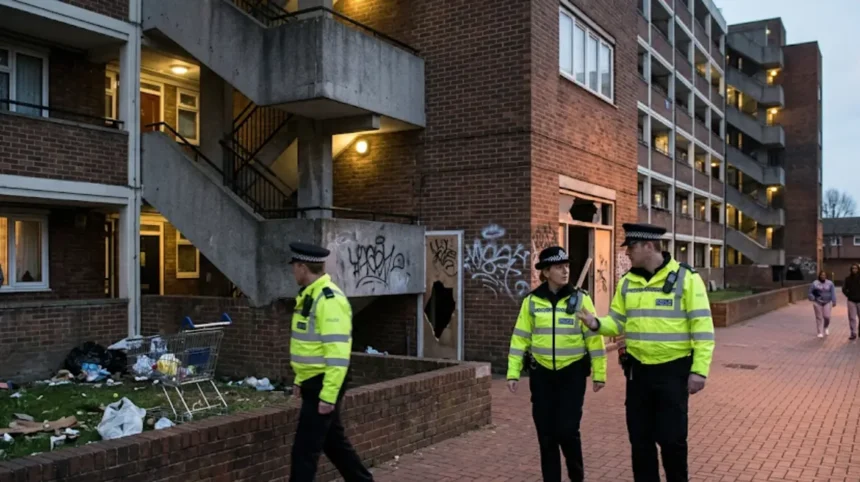
In Enfield housing estates, anti-social behaviour is any conduct that causes or is likely to cause harassment, alarm or distress to people not in the same household, or that causes nuisance or annoyance to residents in relation to their homes. This includes noise, intimidation, violence, drug activity, vandalism, pet problems and misuse of communal areas, provided it is housing-related or affects residents’ use of their homes.
- What is the legal definition of anti-social behaviour for Enfield housing?
- How does Enfield Council Housing define anti-social behaviour in practice?
- What specific types of behaviour are classed as anti-social on Enfield estates?
- Which behaviours related to noise count as anti-social in Enfield housing?
- How do drug activity and crime on Enfield housing estates fit into anti-social behaviour?
- What counts as anti-social behaviour involving pets and animals in Enfield?
- How does Enfield treat intimidation, harassment and violence as anti-social behaviour?
- What behaviour related to communal areas and estates is classed as anti-social in Enfield?
- How does Enfield decide whether behaviour is serious enough to be anti-social behaviour?
- What powers and tools does Enfield use to tackle anti-social behaviour on housing estates?
- How can residents report anti-social behaviour on Enfield housing estates?
- What impact does anti-social behaviour have on Enfield housing estates and residents?
- How does the definition of anti-social behaviour in Enfield fit with national law and guidance?
- What should residents understand about when behaviour is considered anti-social on Enfield housing estates?
What is the legal definition of anti-social behaviour for Enfield housing?
Anti-social behaviour is defined as conduct that has caused, or is likely to cause, harassment, alarm or distress to any person, or conduct capable of causing nuisance or annoyance to someone in relation to their occupation of residential premises, or housing-related nuisance or annoyance to any person.
This definition comes from the Anti-social Behaviour, Crime and Policing Act 2014 and is used by Enfield Council Housing and other social landlords in England. Enfield’s own Anti-Social Behaviour Policy 2023–2028 adopts this statutory definition and applies it to its tenants, leaseholders and anyone affecting Enfield-managed housing.
The law separates three elements:
- Conduct that causes or is likely to cause harassment, alarm or distress to any person
- Conduct capable of causing nuisance or annoyance to a person in relation to their occupation of residential premises
- Conduct capable of causing housing-related nuisance or annoyance to any person
Enfield treats conduct as “housing-related” when it directly or indirectly relates to the council’s housing management functions, including use of council homes, communal areas, estates and nearby residential premises. This means behaviour occurring on the estate, in corridors, lifts, shared gardens or nearby streets can fall under the policy if it affects residents’ use of their homes.
Enfield’s policy also references narrower definitions tied to the Housing Act 1996 and Anti-Social Behaviour Act 2003, which focus on conduct that unreasonably interferes with a resident’s normal use and enjoyment of their home, garden or neighbourhood, causes nuisance or annoyance to a reasonable person, or uses or threatens to use housing accommodation for unlawful purposes.
These definitions guide decisions on when Enfield will take enforcement action, offer mediation, or support victims.
How does Enfield Council Housing define anti-social behaviour in practice?
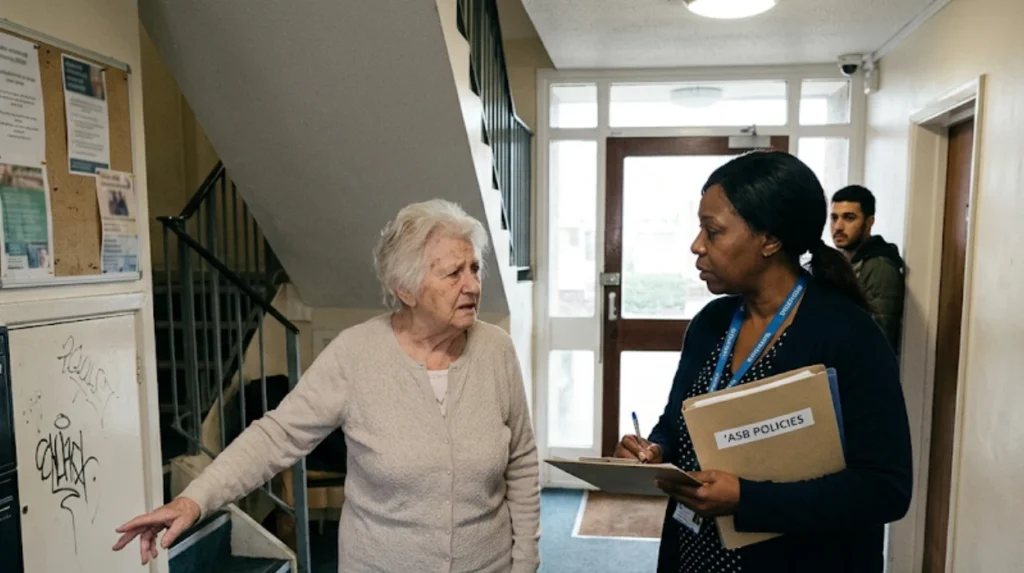
Enfield Council Housing defines anti-social behaviour as conduct that causes, or is likely to cause, harassment, alarm or distress to people not in the same household, or conduct that causes nuisance or annoyance to residents in relation to their homes.
Enfield links this definition to specific examples and categories of behaviour. Its policy lists conduct such as violence or threats of violence, abusive or insulting words or behaviour, and any behaviour aimed at harassing individuals or groups. The policy also includes noise, misuse of communal areas, vandalism, graffiti, and problems with animals as typical forms of ASB in housing estates.
Enfield distinguishes between levels of severity and response times. Priority A cases are those posing a significant risk of harm, such as violence, threats of violence, racial or other harassment, hate crime, or confirmed Class A drug dealing. Priority B cases include ongoing noise, misuse of communal areas, serious or ongoing intimidating behaviour, ongoing vandalism, and serious or ongoing problems with pets or animals.
This practical definition helps Enfield’s antisocial behaviour team decide whether to:
- Offer mediation or Acceptable Behaviour Agreements (ABAs)
- Issue Community Protection Warnings (CPWs) or Community Protection Notices (CPNs)
- Seek civil injunctions or criminal behaviour orders
- Support applications for demotion or termination of tenancies
What specific types of behaviour are classed as anti-social on Enfield estates?
Enfield counts as anti-social behaviour: violence or threats of violence, abusive or insulting behaviour, persistent noise, drug dealing or misuse, vandalism and graffiti, uncontrolled or noisy pets, harassment including hate incidents, littering, fly‑posting, dog fouling, and misuse of communal areas.
The council’s policy and related guidance list concrete examples of ASB. These include:
- Violence or threats of violence toward a person or their property
- Abusive or insulting words or behaviour
- Harassment, including racial or other hate-related conduct
- Drug dealing or substance misuse, especially Class A drugs
- Persistent or unreasonable noise, such as loud music, shouting, or drunken behaviour at night
- Misuse of communal areas, for example storing personal items in corridors or using shared rooms for parties
- Vandalism or graffiti on council property or residents’ homes
- Uncontrolled or noisy pets, including dogs that intimidate neighbours or cause persistent noise
- Dog fouling, rubbish dumping or fly-tipping in communal areas or on private property
- Littering, fly‑posting and other environmental nuisance
Enfield also treats vehicle nuisance as anti-social when vehicles are used to “cruise” the estate, cause disturbance, block access, or intimidate residents. This includes cars, motorbikes, electric bikes and skateboards used in ways that annoy or threaten others.
Behaviour that day-to-day living inevitably produces, such as occasional normal household noise, is not automatically ASB. The key is whether the conduct is unreasonable, persistent, and causes harassment, alarm, distress, or significant nuisance to others.
Which behaviours related to noise count as anti-social in Enfield housing?
Noise counts as anti-social behaviour in Enfield housing when it is persistent, unreasonable, or occurs at inappropriate hours, such as loud music, shouting, or drunken behaviour late at night, and it causes nuisance or distress to neighbours.
Enfield explicitly includes noise as a form of ASB, but it does not treat normal day-to-day living noise as anti-social. The council focuses on sound that unreasonably interferes with residents’ use and enjoyment of their homes.
Typical noise-related ASB examples include:
- Loud music or television, especially at night
- Shouting, arguing, or aggressive behaviour inside or outside homes
- Frequent parties or gatherings that continue late into the night
- Drunken behaviour causing disturbance on the estate
- Use of loud instruments, home appliances, or power tools at unreasonable hours
Resident guidance and ombudsman decisions show that Enfield expects complainants to keep a log of incidents with dates, times, and descriptions. This evidence helps the council decide whether noise is persistent and unreasonable, and whether formal action is appropriate.
When noise is linked to other behaviour, such as intimidation, drug activity, or violence, Enfield treats it as a higher priority case and may move more quickly to enforcement or multi-agency support.
How do drug activity and crime on Enfield housing estates fit into anti-social behaviour?
Drug dealing, substance misuse and associated crime on Enfield housing estates count as anti-social behaviour when they cause harassment, alarm, distress, or nuisance to residents, or when premises are used for unlawful purposes linked to housing.
Enfield’s policy lists confirmed Class A drug dealing as a priority A case, meaning it is treated as serious anti-social behaviour requiring rapid response. Drug-related nuisance, ongoing drug activity, and the use of homes or communal areas for selling or consuming drugs are also included under ASB.
Specific examples include:
- Operating a drugs shop or dealing from a council home
- Regular gatherings for drug use that disturb neighbours
- Violence or intimidation linked to drug activity on the estate
- Premises associated with persistent disorder or violence due to drug misuse
Enfield can use closure orders, injunctions, and criminal behaviour orders where drug activity is proven and other measures have failed. The council works closely with the police and other agencies to address serious drug-related ASB, including through joint investigations and enforcement.
What counts as anti-social behaviour involving pets and animals in Enfield?
Pet and animal behaviour counts as anti-social in Enfield when pets cause persistent noise, intimidation, fouling, or danger, or when animals are uncontrolled and nuisance-causing in communal areas or on the estate.
Enfield includes “uncontrolled and noisy pets” and “dog fouling” as recognised forms of ASB in its guidance and ombudsman-aligned support materials. The council’s policy specifically mentions “serious or on-going problems with pets/animals” as a priority B case, including situations where dogs are used to intimidate others.
Typical examples include:
- Dogs that bark persistently, especially at night or when owners are absent
- Dogs that chase, intimidate, or attack residents or their pets
- Owners failing to control dogs in communal areas, lifts, or stairwells
- Dog fouling in gardens, play areas, or outside homes that is not cleaned up
- Excessive numbers of animals causing nuisance, smell, or noise
Enfield may require tenants to take steps such as training dogs, using leads, cleaning fouling, or reducing numbers of animals. Failure to act can lead to formal warnings, community protection notices, or tenancy enforcement where the behaviour continues.
How does Enfield treat intimidation, harassment and violence as anti-social behaviour?
Intimidation, harassment and violence are core forms of anti-social behaviour in Enfield housing, including threats of violence, abusive language, hate incidents, and any conduct that causes fear or distress to residents.
Enfield lists violence or threats of violence toward a person or their property as a priority A case, alongside racial or other harassment and hate crime. The council treats abusive or insulting words or behaviour, and any conduct aimed at harassing individuals or groups, as anti-social behaviour regardless of whether physical harm occurs.
Examples include:
- Threatening residents, neighbours, or council staff
- Shouting abusive language at neighbours or passing people on the estate
- Racist, homophobic, disabled-related, or other hate-related harassment
- Systematic intimidation, such as following residents, blocking access, or staring aggressively
- Domestic abuse that affects neighbours through noise, violence, or fear
Where intimidation or violence is linked to drugs, gangs, or organised activity, Enfield works with police and uses stronger enforcement tools, including injunctions and criminal behaviour orders. Victims can request an antisocial behaviour case review if they feel the council’s response is inadequate.
What behaviour related to communal areas and estates is classed as anti-social in Enfield?
Misuse of communal areas and estates counts as anti-social behaviour in Enfield when residents store personal items, hold parties, dump rubbish, vandalise fixtures, or otherwise unreasonably interfere with others’ use of shared spaces.
Enfield’s policy and related guidance clearly identify “misuse of communal areas” as a form of ASB. This includes storing bikes, furniture, or other items in corridors, stairwells, or landings; using shared rooms for private parties; and leaving rubbish in communal bins or outside designated areas.
Typical examples include:
- Storing personal belongings in hallways, lifts, or stairwells, blocking access or creating fire risks
- Holding loud or frequent gatherings in shared rooms or on balconies that disturb neighbours
- Dumping furniture, packaging, or household waste in communal areas
- Vandalising communal doors, windows, lighting, or play equipment
- Painting graffiti on walls, fences, or shared facilities
Enfield may issue Community Protection Warnings or Notices, seek injunctions, or take tenancy action where such behaviour is persistent and causes nuisance or safety issues.
How does Enfield decide whether behaviour is serious enough to be anti-social behaviour?
Enfield decides behaviour is anti-social when it is unreasonable, persistent, and causes harassment, alarm, distress, or significant nuisance to residents, and when it is linked to housing or the estate.
The council uses a risk-based approach. Priority A cases involve significant risk of harm, such as violence, threats of violence, hate crime, or confirmed Class A drug dealing. These cases receive the fastest response and may lead to immediate enforcement or multi-agency action.
Priority B cases include ongoing noise, misuse of communal areas, serious or ongoing intimidation, ongoing vandalism, and serious or ongoing pet problems. These are still treated as ASB but may initially involve mediation, warnings, or community protection measures.
Enfield also looks at:
- Frequency and duration of incidents
- Impact on victims, including fear, distress, or disruption to daily life
- Evidence such as logs, witness statements, or police reports
- Whether behaviour is linked to drugs, gangs, or other criminal activity
Where behaviour is minor, isolated, or part of normal day-to-day living, Enfield may advise on informal resolution rather than formal ASB procedures.
Explore More Help & Resources
How to challenge Enfield controlled parking zone fines?
Why was a parking ticket issued in Enfield residential zones?
What powers and tools does Enfield use to tackle anti-social behaviour on housing estates?
Enfield uses mediation, Acceptable Behaviour Agreements, Community Protection Warnings and Notices, civil injunctions, criminal behaviour orders, dispersal powers, and tenancy enforcement to tackle anti-social behaviour on housing estates.
The council’s policy outlines a range of tools:
- Mediation: Informal or facilitated discussion to resolve disputes between neighbours
- Acceptable Behaviour Agreements (ABAs): Written agreements where individuals agree to stop specific behaviours
- Community Protection Warnings (CPWs) and Notices (CPNs): Formal warnings or notices requiring people to stop or prevent nuisance behaviour; failure to comply can lead to fines or prosecution
- Civil injunctions: Court orders requiring individuals to stop anti-social conduct
- Criminal behaviour orders (CBOs): Orders issued after criminal conviction, restricting behaviour and requiring positive actions
- Dispersal powers and Public Space Protection Orders (PSPOs): Tools to remove groups causing disorder from specific areas
- Tenancy action: Demotion of tenancies, termination of tenancies, or applications for possession where ASB breaches tenancy terms
Enfield’s antisocial behaviour team works with police, youth services, and other agencies to apply these tools in a coordinated way. Residents can request a case review if they feel the response is not adequate.
How can residents report anti-social behaviour on Enfield housing estates?
Residents can report anti-social behaviour on Enfield housing estates by contacting the Enfield Council Housing antisocial behaviour team via email or phone, or by reporting directly to the police for crimes or urgent risks.
Enfield advises residents to:
- Email the antisocial behaviour team at asbu@enfield.gov.uk
- Call 020 8379 4612 and leave name, address, telephone number and brief reason for the call on voicemail
- Report crimes or immediate risks to the police by calling 999
- Make non-urgent police reports by calling 101 or online via the police website
- Report anonymously to Crimestoppers on 0800 555111
Residents are encouraged to keep a log of incidents with dates, times and descriptions, and to inform Enfield if they need support. Housing association tenants should first report to their housing provider, and private renters should contact their landlord or managing agent.
Where residents feel Enfield has not handled their case properly, they can use the council’s complaint procedure and, if needed, bring a complaint to the Housing Ombudsman for investigation.
What impact does anti-social behaviour have on Enfield housing estates and residents?
Anti-social behaviour on Enfield housing estates reduces residents’ safety, wellbeing and quality of life, damages trust in the community, and can lead to higher costs for repairs, enforcement and support services.
Ongoing noise, intimidation, vandalism and drug activity make it harder for residents to use their homes, gardens and communal areas comfortably. Some residents report fear of going outside, avoiding shared spaces, or suffering stress and anxiety.
ASB can also:
- Damage property through vandalism, graffiti and break-ins
- Increase policing and council enforcement costs
- Reduce the attractiveness of estates, affecting rental values and demand
- Weaken community cohesion and willingness to support neighbours
Enfield’s policy aims to prevent ASB through estate inspections, community projects, and multi-agency work, while also taking firm enforcement action where behaviour persists.
How does the definition of anti-social behaviour in Enfield fit with national law and guidance?
Enfield’s definition of anti-social behaviour aligns with the national definition in the Anti-social Behaviour, Crime and Policing Act 2014 and statutory guidance from the Department for Levelling Up, Housing and Communities.
The 2014 Act defines ASB as conduct that:
- Has caused, or is likely to cause, harassment, alarm or distress to any person
- Is capable of causing nuisance or annoyance to a person in relation to their occupation of residential premises
- Is capable of causing housing-related nuisance or annoyance to any person
Enfield’s policy uses this exact wording and expands it with examples relevant to its estates. The council also follows the Regulator of Social Housing’s Neighbourhood and Community Standard, which requires clear ASB policies, fair procedures, and support for victims and witnesses.
National guidance encourages councils to:
- Publish clear ASB policies
- Use a range of tools from mediation to enforcement
- Work with police and other agencies
- Keep victims informed and support them through cases
Enfield’s approach reflects these requirements and is consistent with the practice of other London boroughs and housing providers.
What should residents understand about when behaviour is considered anti-social on Enfield housing estates?
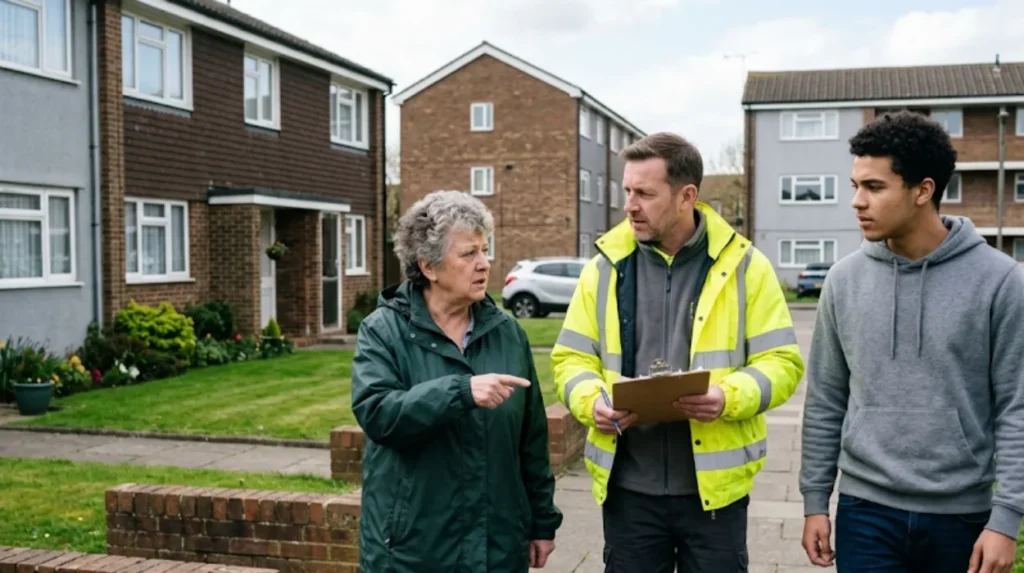
Residents should understand that behaviour is considered anti-social on Enfield housing estates when it is unreasonable, persistent, and causes harassment, alarm, distress or significant nuisance to others, and when it is linked to housing or the estate.
Normal day-to-day living noise or occasional minor disagreements do not automatically count as ASB. The key factors are:
- Whether the conduct is persistent or repeated
- Whether it causes more than minor inconvenience
- Whether it affects residents’ use and enjoyment of their homes or communal areas
- Whether it involves intimidation, violence, drugs, vandalism, or similar serious issues
Enfield expects residents to report concerns, keep incident logs, and work with the council to resolve issues. Where behaviour meets the statutory definition and affects the estate, Enfield can use mediation, warnings, injunctions and tenancy action to protect residents and maintain safe communities.
What is anti-social behaviour on Enfield housing estates?
Anti-social behaviour (ASB) is conduct that causes or is likely to cause harassment, alarm, distress, nuisance, or annoyance to other residents in connection with their homes or the surrounding housing estate.