Key Points
- A 19-year-old man has been arrested in Portsmouth over the attempted arson attack at Finchley Reform Synagogue in north London.
- The arrest is the third made in the investigation, following earlier arrests of a 38-year-old woman and a 46-year-old man on suspicion of arson endangering life.
- Police said the April 15 incident caused no damage to the building, and no injuries were reported.
- The case is being investigated by Counter Terrorism Policing London and has been treated as an antisemitic hate crime.
- The synagogue attack forms part of a wider counter-terrorism inquiry into attacks on Jewish sites in London since late March.
- Metropolitan Police have said there have been dozens of arrests in the wider series of investigations, with eight people charged.
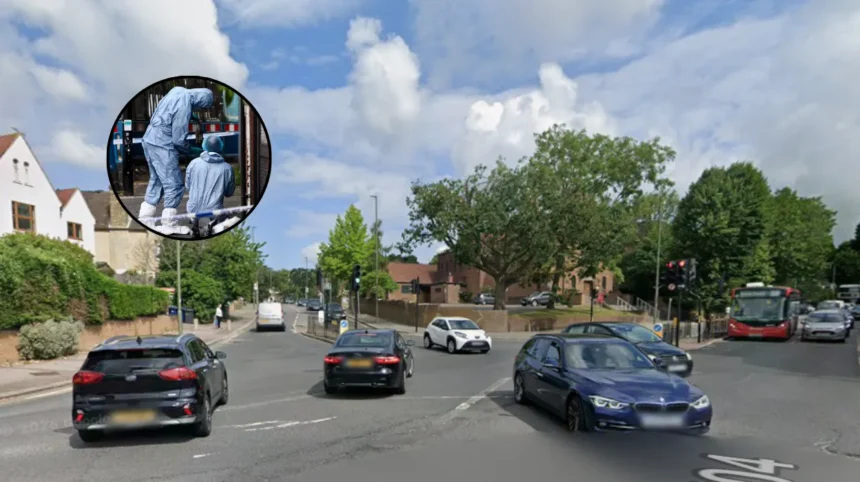
Finchley (North London News) May 8, 2026 – Police have made a third arrest in the attempted arson investigation at Finchley Reform Synagogue, with officers detaining a 19-year-old man in Portsmouth as inquiries continue into what the Metropolitan Police say was a hate-related incident at the north London synagogue.
Who was arrested in the Finchley synagogue case?
As reported by the BBC, the latest suspect is a 19-year-old man who was arrested at a home in Portsmouth and remains in custody.
Reuters also reported that the arrest was made by British counter-terrorism police and that the man is being held on suspicion of attempted arson.
Police said this is the third arrest linked to the incident. Earlier, a 38-year-old woman and a 46-year-old man were detained in the Watford area on suspicion of arson with intent to endanger life, and both were later released on bail until July.
What happened at Finchley Reform Synagogue?
The incident took place in the early hours of 15 April at Finchley Reform Synagogue on Fallow Court Avenue, according to the BBC and Metropolitan Police.
Police said two bottles, believed to contain petrol, were thrown at the building, and the case was immediately passed to Counter Terrorism Policing London.
The Met said the staff at the synagogue reported the incident at around 8.30 am. No damage was caused to the building and no injuries were reported. The attack was being investigated as an antisemitic hate crime, police said.
How are police treating the case?
Counter Terrorism Policing London is leading the inquiry, with the Metropolitan Police describing the incident as part of a wider set of attacks on Jewish sites in London.
The force said the investigation into Finchley is being handled alongside other related inquiries, including the arson attack on Hatzola ambulances in Golders Green.
According to the BBC, police have said 30 people have been arrested since March in connection with the broader series of investigations, and eight people have been charged. Reuters reported the case in the context of a wider wave of arrests over attacks on Jewish sites in London.
What else has happened in the wider investigation?
The Finchley case sits alongside a separate arson case in Golders Green, where four ambulances were set on fire in March.
The Crown Prosecution Service said three people were charged over that incident, including charges of arson with intent to damage property and recklessness as to whether life would be endangered.
The Met has also said other arrests have been made in the wider inquiry into attacks on Jewish community sites in London.
ITV reported that a 37-year-old man was arrested on suspicion of preparing terrorist acts, and police said the broader series has led to 26 arrests in that phase of the investigation.
What is the background to this development?
The Finchley arrest is part of a wider rise in police activity around attacks on Jewish institutions in London since late March.
The incidents have included the Golders Green ambulance fire, which led to charges, and the attempted arson at Finchley Reform Synagogue, which police say is being treated as an antisemitic hate crime.
In its earlier statement, the Metropolitan Police said there was no link between the Finchley incident and the Golders Green ambulance fire, even though both were being investigated within counter-terrorism policing structures. The force also said the Jewish community would understandably feel concern after the Finchley attack.
What could happen next for the audience?
For the Jewish community in north London, the likely immediate effect is continued concern around security at synagogues and other communal buildings. For local residents and faith groups, the case may lead to more visible policing, tighter safeguarding measures, and greater awareness of suspicious behaviour around places of worship.
For the broader public, the development may reinforce the role of counter-terrorism policing in hate crime cases and increase attention on antisemitic incidents in the capital. The investigation is still active, so further arrests, charges or court developments remain possible.