Key Points
- Strategic Expansion: Property developer in London, Gracie Group, is shifting gears and making the move from being a boutique housebuilder to an urban regeneration developer, as it files planning applications for two of its biggest projects ever.
- Macroeconomic Headwinds: Chief Executive of Gracie Group, Paul Godfrey, cited some tough macroeconomic conditions faced by the company such as increased costs of construction, slow planning process and problems with financial viability in terms of affordable housing regulations.
- Contrarian Outlook: Although the industry is retreating, Paul Godfrey has expressed optimism about a market correction due to the dire need for building houses in the capital region.
- Portfolio Scale: Previously operating with special purpose vehicles, Gracie Group has now been established as a group with a £550 million gross development value portfolio in London.
Camden (North London News) September 14, 2026 – Standing on the roof terrace of Gracie Group’s flagship Camden development, looking north over London’s patchwork of Victorian terraces and tree-lined streets, chief executive Paul Godfrey remains surprisingly optimistic amidst a volatile housing sector.
The wider property market continues to face significant operational friction. Construction costs remain stubbornly elevated, local planning authority approvals are moving at a sluggish pace, and the financial viability of affordable housing quotas is under unprecedented pressure across the capital. Yet, while many private developers are scaling back operations or pausing land acquisitions, Gracie Group is actively preparing to submit planning proposals for two of its largest urban regeneration projects to date. Explaining the firm’s strategic timing, Godfrey noted:
“We feel quite positive about the future because no one’s really building now. At some point, there’s going to be some correction.”
Godfrey’s underlying confidence comes despite what he characterizes as an increasingly hostile development landscape for medium-sized housebuilders in Greater London.
Why Is Gracie Group Choosing to Expand Amidst Industry Headwinds?
The decision to scale up development activity coincides with a wider contraction across the UK residential construction space. Elevated interest rates, combined with strict regulatory compliance frameworks—such as updated Building Safety Act mandates and Biodiversity Net Gain requirements—have squeezed developer margins. These factors have forced several boutique builders to exit the market or restrict their operations to smaller, low-risk infill developments.
However, Gracie Group’s leadership views the current macroeconomic pause as a strategic window of opportunity. By advancing planning applications while competitors delay pipeline projects, the company aims to position its large-scale delivery precisely when the anticipated supply shortage drives structural market demand.
As detailed in industry reporting by The Intermediary, Gracie Group formally unified its operations under a single brand identity backed by a £550 million portfolio. Prior to this consolidation, the business operated primarily through individual Special Purpose Vehicles (SPVs) on a project-by-project basis since 2012. The corporate rebrand signals a deliberate shift toward pursuing larger, multi-phase regeneration schemes requiring long-term institutional backing and higher capital deployment.
The company’s existing footprint already includes landmark mixed-use infrastructure. As highlighted on Gracie Group’s official project portfolio, its landmark development, The Clay Yard in West Hampstead (Camden), encompasses a 1.12-hectare site featuring an 11-storey residential tower, 106 apartments, and 40,000 square feet of dedicated commercial space delivered in partnership with the London Borough of Camden’s Community Investment Programme.
Background of the Particular Development After the News
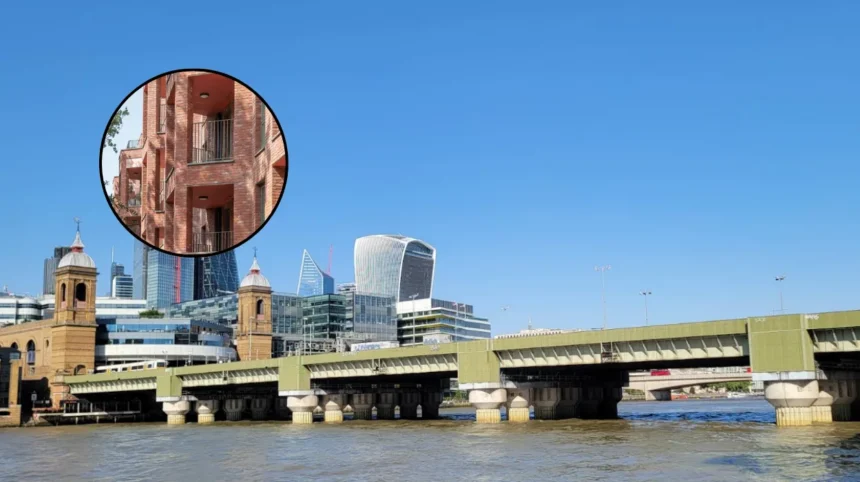
Historically, boutique property developers in London have operated within a specific niche: delivering high-end, low-density residential schemes in prime postcodes like Hampstead, Highgate, and Barnet. Gracie Group built its initial operational foundation on this model, delivering schemes such as 39 Fitzjohn’s Avenue, Netherhall Gardens, and St Augustines Road in Camden. These early projects navigated distinct localized challenges, such as building over complex Thames Water infrastructure and Network Rail high-speed rail lines, establishing the firm’s technical expertise in constrained urban environments.
However, the structural dynamics of the London land market have changed significantly over the past five years:
- Planning System Gridlock: Section 106 obligations, lengthy public inquiries, and slow statutory consultee responses have extended pre-construction phases significantly, increasing holding costs for smaller sites.
- Affordable Housing Viability: Local councils increasingly enforce strict 35% to 50% affordable housing thresholds. For small-scale developments, meeting these mandates while maintaining financial viability has proven exceptionally difficult without significant scale.
- Institutional Capital Requirements: Lenders and equity partners have progressively pivoted toward larger mixed-use urban regeneration schemes that offer ESG-compliant space, commercial integration, and long-term placemaking potential over standalone luxury units.
These structural shifts driven by local planning policy have pushed mid-market developers to either pivot into larger regeneration plays or face diminishing returns on small-scale luxury schemes.
Explore More Camden News
Commercial Cooking Tops PM2.5 Air Pollution in Camden 2026
Camden High Street Air Pollution Falls 27% In Camden 2026
Prediction: How This Development Can Affect London Homebuyers, Local Councils, and Mid-Sized Developers
This strategic pivot by mid-sized developers like Gracie Group is expected to have far-reaching implications across the London property ecosystem:
- For London Homebuyers and Renters: If Gracie Group’s contrarian approach succeeds, it will bring vital new housing stock to market at a time when delivery figures across London are projected to hit historic lows. However, because construction costs remain inflated, the ultimate sales and rental pricing of these new units will likely remain high, offering limited relief to entry-level buyers unless subsidized by substantial Section 106 affordable allocations.
- For Local Planning Authorities and Councils: Borough councils facing severe housing target deficits may welcome developers willing to undertake complex, high-density brownfield regeneration. Projects modeled on The Clay Yard—where commercial space and affordable housing units are handed back to local authorities—provide a blueprint for public-private partnerships. Conversely, councils will face added pressure to process large-scale planning submissions efficiently to prevent developer capital from stalling.
- For Mid-Sized and Boutique Housebuilders: Gracie Group’s transition serves as a critical test case for the wider sector. If the firm successfully navigates the planning pipeline and secures viability on its upcoming large-scale projects, it may encourage other boutique developers to consolidate SPVs, seek institutional land funds, and scale up into full-fledged regeneration players. If viability issues persist, it will reinforce a bifurcated market dominated exclusively by global tier-one contractors or micro-infill builders.