Key Points
- More than 1,500 bus drivers employed by Arriva North London are participating in industrial action.
- The dispute involves staff from eight bus garages across the capital.
- A total of 43 bus routes are affected by the walkouts, primarily serving north and east London.
- Unite the Union cites poor working conditions, specifically a lack of protection for drivers during extreme heat, as the primary catalyst for the strikes.
- The industrial action spans 26 separate dates between August and October 2026.
- Today, Saturday, August 15, marks the second day-long strike in this series of planned walkouts.
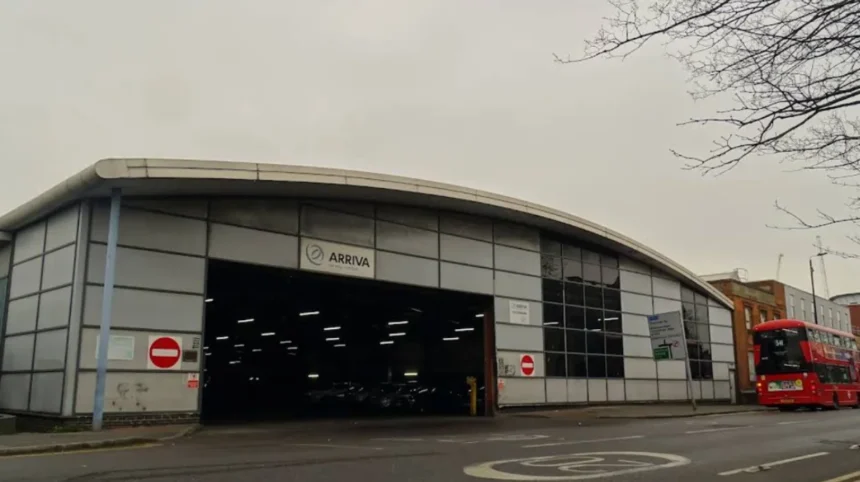
North London (North London News) August 15, 2026 — More than 1,500 bus drivers across eight garages in North and East London have walked out today, Saturday, August 15, as part of a significant programme of industrial action targeting Arriva North London. The strike, organised by Unite the Union, has resulted in the suspension or severe disruption of 43 bus routes, leaving thousands of commuters to seek alternative transport across the capital. This escalation follows a protracted dispute regarding workplace health and safety standards, with drivers specifically highlighting the failure of management to mitigate the effects of extreme temperatures within vehicle cabs.
Why are Arriva bus drivers striking in London?
The primary driver behind the industrial action is a formal dispute over working conditions, which Unite the Union describes as hazardous during periods of intense summer heat. Drivers report that the ventilation systems and cabin cooling measures currently in place are inadequate for prolonged shifts in high temperatures.
As stated by regional officers from Unite the Union, the workforce has repeatedly raised grievances regarding the lack of effective climate control in driver cabs.
The union claims that Arriva North London has consistently failed to address these safety concerns, leaving staff vulnerable to heat exhaustion and dehydration while navigating busy urban routes.
According to union representatives, the company’s inability to implement “reasonable adjustments” to protect staff wellbeing has left drivers with no choice but to withdraw their labour to force a resolution.
Which areas and bus routes are affected by the strike?
The strike action significantly impacts the transport infrastructure of North and East London. The affected services are operated from eight specific bus garages: Ash Grove, Barking, Edmonton, Enfield, Palmers Green, Stamford Hill, Tottenham, and Wood Green.
Passengers relying on the following key corridors should expect service cancellations or heavily reduced frequencies:
- North London: High-frequency routes connecting Wood Green, Tottenham, and Enfield to central transit hubs.
- East London: Services originating from the Barking and Ash Grove depots, affecting commuters travelling toward Stratford and the City.
- Specific Route Numbers: While 43 individual routes are listed as impacted, the disruption is most pronounced on high-density lines that rely on the eight aforementioned garages for fleet maintenance and driver staffing.
Transport for London (TfL) has advised passengers to check the status of their specific route via the official TfL Go app or website before travelling, noting that even non-Arriva services in the vicinity may experience indirect congestion as passengers shift to alternative modes of transport.
What are the dates of the planned strike action?
The industrial action is scheduled to take place over a ten-week period. Unite the Union has confirmed a total of 26 strike days between August and October 2026. Following the initial walkout, today, August 15, serves as the second major day of disruption.
Further industrial action is planned for:
- August: Intermittent dates throughout the latter half of the month.
- September: A series of rolling strikes intended to maintain pressure on Arriva management.
- October: Final scheduled walkouts concluding in the second half of the month unless a formal agreement is reached through the Advisory, Conciliation and Arbitration Service (ACAS).
What has Arriva North London said regarding the dispute?
In response to the union’s claims, Arriva North London has maintained that it takes the health and safety of its employees “extremely seriously.”
A spokesperson for the operator stated that the company is “disappointed” by the decision to strike and emphasized that they have been in ongoing discussions with union representatives to find a viable solution.
The operator noted that they are currently reviewing cabin temperature data and evaluating potential upgrades to air filtration and cooling systems across their fleet.
However, Arriva maintains that a complete overhaul of the cooling systems in older buses—as demanded by some union members—is not financially or operationally feasible within the short term.
The company has urged union leadership to return to the negotiating table to prevent further inconvenience to the travelling public.
Explore More Local North London News
Former Volvo Cars Site to Become 139 Homes in Barnet 2026
Mina Smallman Slams Met Police Over Simon Levy Case London 2026
Background of the dispute
Labour relations within the London bus network have become increasingly strained over the past 24 months. While previous disputes centred on pay parity and inflation-linked salary adjustments, the 2026 summer season has shifted the focus toward climate adaptation in the workplace.
Bus driving involves long periods of stationary idling in traffic, which, combined with the greenhouse effect of large glass windshields in modern bus designs, can cause cabin temperatures to exceed ambient outdoor heat significantly.
Although standard health and safety regulations dictate maximum workplace temperatures for office environments, the enforcement of these standards in mobile vehicle cabs remains a legal grey area.
Unite the Union is attempting to use this industrial action to set a precedent for “extreme weather protocols” that would mandate mandatory breaks or air-conditioned vehicle rotation during heatwaves.
Prediction: How will this affect London commuters?
The persistent nature of the 26-day strike schedule is likely to have a cumulative effect on London’s public transport reliability. For the average commuter, the most immediate impact will be “transport desert” conditions in outer London boroughs where alternative bus routes are limited.
- Increased Reliance on Rail: Passengers in North and East London will likely flock to the London Underground and Overground networks, potentially causing platform overcrowding at key interchanges such as Seven Sisters, Tottenham Hale, and Stratford.
- Economic Disruption: Small businesses located along the affected bus corridors may see a decline in foot traffic, particularly on the scheduled strike days in September and October.
- Pressure on Local Authorities: If the strikes continue, local councils may face increased pressure to provide temporary shuttle services or demand that the Mayor of London’s office intervene directly in the private contract dispute.
Ultimately, if Arriva and Unite remain deadlocked, this dispute may lead to a broader review of TfL’s procurement policies, potentially favouring operators that demonstrate superior climate-control infrastructure for their staff. For now, residents in the affected zones should prepare for a volatile autumn commute.