Barnet is one of North London’s most varied destinations for a short visit. The London Borough of Barnet combines historic market-town streets, museums, green spaces, conservation areas, family attractions, cultural venues, shopping areas and transport connections within one large borough.
- What makes Barnet suitable for a day trip?
- How does Barnet’s history make it attractive to visitors?
- Which Barnet attractions are best for a one-day itinerary?
- Why are Barnet’s parks and green spaces important for visitors?
- How does Barnet combine heritage with modern attractions?
- Is Barnet easy to explore during a short visit?
- What can families and different types of visitors do in Barnet?
- Why is Barnet different from a typical central London day trip?
- What does Barnet’s visitor appeal mean for the future?
- Why should visitors choose Barnet for a North London day trip?
Its appeal comes from variety rather than a single landmark. A visitor can explore medieval history in High Barnet, walk through Monken Hadley, visit the Royal Air Force Museum in Colindale, spend time in a park, enjoy food and shopping, or combine several activities in one day.
Barnet also has an unusual geographical position. It sits on the northern edge of Greater London and connects urban neighbourhoods with open landscapes and historic settlements. Barnet Council describes its parks and open spaces as including formal parks and gardens, wild landscapes, Green Belt areas and leafy river valleys.
This combination explains why Barnet works particularly well for visitors seeking a day trip rather than a long holiday. The borough provides enough attractions for a full itinerary while remaining suitable for shorter visits.
For travellers researching North London, Barnet also provides a useful alternative to concentrating exclusively on central London. Its attractions represent several categories of visitor interest, including heritage, aviation, nature, family recreation, arts, sport, shopping and local food.
What makes Barnet suitable for a day trip?
Barnet suits day trips because its historic towns, museums, parks, family attractions, cultural venues, shopping areas and transport links create varied experiences within one London borough. Visitors can combine several activities without needing an overnight stay or a long-distance journey.
The basic strength of a day-trip destination is concentration. Visitors need enough things to see and do without spending most of the day travelling between attractions.
Barnet meets this requirement through a broad collection of destinations. Visit London lists attractions including the Royal Air Force Museum London, Barnet Museum, Artsdepot, Belmont Children’s Farm, Chickenshed Theatre, Go Ape Cockfosters, Phoenix Cinema, Brent Cross Shopping Centre and Stephens House and Gardens.
This diversity supports different types of itineraries. A history-focused visitor can concentrate on museums and heritage streets. A family can combine a museum with an outdoor attraction. A leisure visitor can choose parks, cafés, shopping and cultural venues.
Barnet is also large enough to offer distinct neighbourhood experiences. High Barnet has a historic market-town character. Colindale has major aviation heritage. Monken Hadley contains historic buildings, common land and conservation landscapes. Finchley provides cultural and leisure attractions.
The result is a destination that supports both planned itineraries and flexible visits.
A visitor does not need to treat Barnet as a single attraction. It functions as a collection of connected local destinations within North London.
How does Barnet’s history make it attractive to visitors?
Barnet’s history gives visitors access to medieval, Tudor, Georgian, Victorian and modern heritage within one borough. High Barnet developed around an important route north, while Monken Hadley preserves historic buildings, commons and landscapes linked to centuries of settlement.
Barnet has deep historical roots. Barnet Council records that the settlement existed before the Norman Conquest, although it did not appear in the Domesday Survey. By the 11th century, an important route from London towards St Albans passed through Barnet, helping a town develop around the route.
High Barnet is particularly important. The area is recognised as the oldest town in Barnet, while the name “Chipping Barnet” reflects its historic market. The market has existed in different forms and locations since at least the 12th century.
The market developed because Barnet occupied an important northbound route. Historical records show the market received a charter from King John in August 1199, while an earlier livestock market is also recorded as a possibility by Barnet Council.
The borough’s heritage also includes the Battle of Barnet in 1471. The battle formed part of the Wars of the Roses and took place in the vicinity of Hadley. Monken Hadley remains closely associated with this history, including Hadley Green and the historic church of St Mary the Virgin.
As you explore the modern borough, you are crossing land shaped by centuries of settlement, trade and conflict. Read about the full [Insert Anchor Text for History Article Here] to understand its origins.
The historical landscape remains visible in buildings and street patterns. St John the Baptist Church in High Barnet stands at the junction around which Barnet Town developed. Barnet Council records that the current church is the third building on the site, with the first dating to the 11th century.
Monken Hadley adds another layer of heritage. Its conservation area contains historic buildings, common land, winding lanes and mature trees. The church of St Mary the Virgin acts as a focal point within the area.
For visitors, this makes Barnet particularly useful for combining sightseeing with historical interpretation.
Which Barnet attractions are best for a one-day itinerary?
The strongest Barnet day-trip attractions include the Royal Air Force Museum, Barnet Museum, Monken Hadley, Barnet Market, Stephens House and Gardens, Belmont Children’s Farm, Go Ape Cockfosters and Barnet’s parks and open spaces.
The Royal Air Force Museum in Colindale is one of Barnet’s most significant visitor attractions. Established in 1972, the museum holds around 1.3 million objects in trust for the UK public. Its collection covers aviation history, technology, society and the development of the Royal Air Force.
The museum is especially relevant to visitors seeking an indoor attraction. Its exhibitions provide a substantial experience without depending on weather conditions.
Barnet Museum provides a different type of historical experience. It focuses specifically on the borough and presents artefacts and exhibitions connected with local history. Its collections cover subjects ranging from medieval events to local cultural traditions.
High Barnet itself functions as an outdoor heritage attraction. Visitors can walk along the High Street, explore historic buildings and connect the modern town centre with the former coaching and market economy.
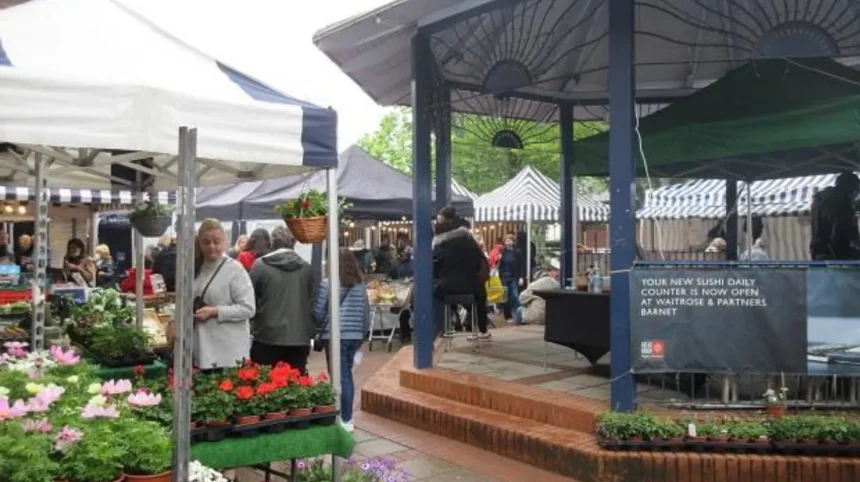
Barnet Market provides another way to experience the historic town centre. Its history extends back at least to the medieval period and forms an important part of High Barnet’s identity.
Stephens House and Gardens provides a different setting. Visit London identifies it as a historic site and house within Barnet’s visitor offer.
Families have additional options. Belmont Children’s Farm provides an animal-focused attraction, while Go Ape Cockfosters offers outdoor adventure activities. Both are listed among Barnet attractions by Visit London.
Cultural visitors can also consider Artsdepot, Chickenshed Theatre and Phoenix Cinema. These venues demonstrate that Barnet’s visitor economy extends beyond heritage and outdoor recreation.
This variety is important because day trips often involve different interests within the same travelling group. A family, couple or group of friends can choose different activities without leaving the borough.
Why are Barnet’s parks and green spaces important for visitors?
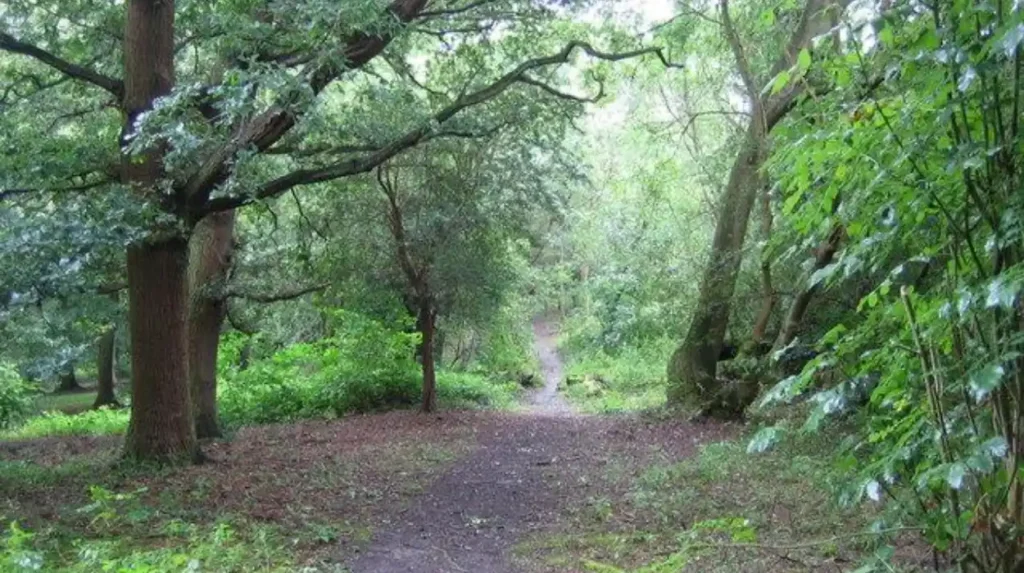
Barnet’s green spaces provide walking, recreation, family activities and quieter breaks between attractions. The borough contains formal parks, open landscapes, Green Belt areas and wooded environments, making outdoor experiences a major part of its day-trip appeal.
Barnet Council identifies parks and open spaces as an important part of the borough’s green and family-friendly character. The council’s directory currently lists 160 park and open-space results, including Barnet Gate Wood, Barnet Hill Open Space and Barnet Memorial Woodland.
This extensive green infrastructure gives visitors options beyond conventional tourist attractions.
Hadley Common is particularly significant for visitors interested in landscapes and heritage. The area was formerly part of Enfield Chase, a large hunting landscape associated with Tudor monarchs. After the enclosure of Enfield Chase in 1777, 240 acres in the parish of Monken Hadley became Hadley Common.
Hadley Common has retained a largely wooded character. This creates a direct connection between environmental recreation and local history.
The area is also unusual in terms of ownership. The common is not public property. Its freehold is vested in the churchwardens of Monken Hadley Church in perpetuity for the benefit of commoners. Public recreation takes place within this historic legal framework.
Visitors should therefore respect access arrangements, grazing rights, gates and local rules.
Barnet’s parks also support active recreation. The council states that the borough has seven weekly health walks, 11 outdoor gyms, more than 50 tennis courts and free skate parks.
These facilities broaden the visitor experience. A day trip does not need to consist entirely of museums or formal attractions.
A walking itinerary through Monken Hadley, Hadley Green and nearby historic streets can provide a slower-paced experience. It also gives visitors opportunities to observe architecture, mature trees, open common land and historic landmarks.
The green-space network is therefore one of Barnet’s strongest distinguishing characteristics.
How does Barnet combine heritage with modern attractions?
Barnet combines historic market streets, churches, conservation areas and commons with museums, theatres, cinemas, restaurants, shopping centres and recreational attractions. This mixture gives visitors access to both historic and contemporary experiences during the same North London day trip.
Barnet’s visitor appeal does not depend entirely on preserving old buildings. The borough has developed a modern leisure economy alongside its heritage.
The Royal Air Force Museum illustrates this combination clearly. Its subject is historical, but its exhibitions and visitor facilities create a modern museum experience. The museum also provides an all-weather attraction.
The borough’s cultural offer extends into contemporary arts. Artsdepot provides an arts venue, while Chickenshed Theatre offers theatre programming. Phoenix Cinema adds independent cinema to the visitor landscape. These venues are identified by Visit London as part of Barnet’s attraction base.
Shopping also contributes to the day-trip structure. Brent Cross Shopping Centre provides a major retail destination in the borough. Visitors can therefore combine shopping with food, entertainment or cultural activities.
Barnet’s public art programme adds another contemporary layer. The Barnet Legends public art trail features 21 commemorative ceramic artworks celebrating influential figures connected with the borough, including George Michael and Amy Winehouse.
A new heritage attraction also demonstrates how Barnet continues to reinterpret its past. In August 2026, Barnet Council announced the Waylamps of Barnet: A Heritage Discovery Trail, linking Colindale to North Finchley through four permanent sculptural landmarks, a free illustrated map and a field guide. The trail follows the 125 bus route.
This project connects public art, transport, local history and walking. It also demonstrates the continuing development of Barnet as a visitor destination.
The combination of old and new makes the borough suitable for repeat visits. Different itineraries can focus on different aspects of the area.

Is Barnet easy to explore during a short visit?
Barnet is practical for short visits because attractions are distributed across established neighbourhoods with public transport connections, local town centres and walkable heritage areas. Visitors can select one geographical section rather than attempting to cover the entire borough in one day.
Barnet is a large London borough, so efficient planning matters. A day visitor should not attempt to visit every attraction.
The most effective approach is to group attractions geographically.
A High Barnet itinerary can focus on the historic town centre, Barnet Market, Barnet Museum and nearby heritage locations. Visitors interested in Monken Hadley can then concentrate on the conservation area, St Mary the Virgin, Hadley Green and Hadley Common.
A Colindale itinerary can centre on the Royal Air Force Museum and nearby attractions.
A Finchley-focused itinerary can combine cultural venues, parks, shopping and local food.
Cockfosters and the northern parts of the borough provide access to outdoor recreation and attractions such as Go Ape Cockfosters.
This geographical structure makes Barnet particularly useful for visitors with limited time. Instead of crossing the entire borough, travellers can choose a compact cluster.
The historic development of Barnet also explains its transport-oriented structure. The settlement developed along an important route north from London towards St Albans. The Great North Road later became an important route through the area, passing through Chipping Barnet and Hadley before continuing north.
Modern visitors experience a different transport network, but the geographical principle remains important. Barnet developed as a connected North London settlement rather than an isolated attraction.
Visitors should check current public transport services before travelling because routes, timetables and engineering works change.
For digital nomads and business travellers, this connectivity also creates practical opportunities to combine work commitments with leisure. A visitor can schedule a cultural attraction, walk or meal around meetings rather than requiring a dedicated holiday.
What can families and different types of visitors do in Barnet?
Barnet accommodates families, history enthusiasts, outdoor visitors, culture seekers, shoppers and business travellers through attractions that cover museums, farms, parks, theatres, cinemas, heritage areas, shopping and sport. Its varied offer allows different visitor groups to build separate itineraries.
Families have several options within the borough. Belmont Children’s Farm provides an attraction focused on animals and family recreation. Parks and playgrounds provide additional outdoor opportunities. Barnet Council also highlights Fair Play Barnet as an accessible and inclusive playground designed for children and adults.
History enthusiasts have a different route. Barnet Museum, High Barnet, Monken Hadley and the Battle of Barnet landscape provide several connected historical themes.
Aviation enthusiasts have a major specialist attraction in the Royal Air Force Museum.
Outdoor visitors can use parks, commons, woodland and active recreation facilities. Barnet’s seven weekly health walks, 11 outdoor gyms and more than 50 tennis courts create a broad recreational infrastructure.
Culture seekers can choose Artsdepot, Chickenshed Theatre, Phoenix Cinema and public art.
Shoppers can incorporate Brent Cross Shopping Centre or High Barnet’s town-centre retail offer.
Sport also forms part of the borough’s identity. StoneX Stadium is associated with the Saracens rugby organisation and hosts sports and wellbeing activities through the Saracens Foundation.
Business travellers benefit from this diversity because leisure time can be fitted around professional commitments. A short walk, museum visit, meal or cultural event provides a defined activity without requiring an overnight itinerary.
Domestic visitors also benefit from the same flexibility. Barnet works for a half-day, full-day or repeat short visit.
This adaptability is a major reason the borough appeals to such a broad audience.
Why is Barnet different from a typical central London day trip?
Barnet offers a different London day-trip experience by combining metropolitan accessibility with historic market-town character, conservation areas, commons, woodland and neighbourhood attractions. Visitors can experience London’s urban infrastructure while exploring landscapes and settlements with distinctly North London identities.
Central London is dominated by internationally recognised attractions. Barnet provides a more localised visitor experience.
The borough’s historic areas retain evidence of older settlement patterns. Monken Hadley, for example, contains winding lanes, mature trees, common land and historic buildings. Barnet Council identifies these features as important elements of the area’s character.
The conservation framework reinforces this identity. Barnet currently identifies conservation areas including Monken Hadley, Totteridge, Mill Hill, Golders Green, Hampstead Garden Suburb, Hendon Church End and Wood Street, among others.
These designations recognise areas with special architectural or historic interest.
The borough therefore provides opportunities for visitors interested in architecture and urban history without requiring a trip outside London.
Barnet also retains evidence of its former role as a market and coaching town. Historical records describe the High Street as the main shopping area since at least the 18th century, while inns along the northbound road served coaches travelling through the town.
The historic market reinforces this identity. By the late Tudor period, Barnet’s market had become an important centre for meat trading, with London butchers travelling to the town to purchase cattle.
Today, the physical economy has changed, but the town-centre structure remains part of the visitor experience.
This combination of London accessibility and local historical identity gives Barnet a distinct position within North London’s tourism landscape.
Explore More Area Guide
Sustainable Barnet Visitor Guide: Green Travel & Parks 2026
Barnet Local Food Specialities: Jewish, Persian & Asian Cuisine
What does Barnet’s visitor appeal mean for the future?
Barnet’s future visitor appeal rests on its combination of heritage conservation, green infrastructure, cultural programming, public art, family attractions and transport-connected neighbourhoods. New projects such as the Waylamps heritage trail show continued investment in visitor-oriented interpretation.
Barnet’s visitor offer is not static. The borough continues to develop ways of presenting local history and public spaces.
The 2026 Waylamps of Barnet project is a clear example. Announced by Barnet Council on 24 August 2026, the heritage trail connects Colindale with North Finchley through four permanent sculptural landmarks and a free illustrated guide.
The project uses public art to connect places and stories. It also encourages visitors to travel through neighbourhoods rather than concentrating on one landmark.
Heritage protection remains another important factor. Barnet’s conservation areas and Local Heritage List provide formal mechanisms for identifying and protecting buildings and areas with local significance. The council’s Local Heritage List was approved in 2020, with further additions approved in 2022.
Green infrastructure also remains central. Barnet Council describes parks and open spaces as an important component of the borough’s green and family-friendly character.
This matters for day-trip tourism because outdoor areas increase the number of activities available without requiring major visitor infrastructure.
The future visitor proposition is therefore based on variety. Barnet does not need to rely on one attraction.
Its museums provide heritage. Its conservation areas provide architecture. Its parks provide outdoor recreation. Its cultural venues provide entertainment. Its shopping centres provide retail. Its restaurants provide food experiences. Its public art projects provide contemporary interpretation.
That combination gives Barnet a strong foundation as a North London day-trip destination.
Why should visitors choose Barnet for a North London day trip?
Visitors choose Barnet because it provides an unusually broad North London day-trip mix: medieval history, aviation heritage, market-town character, green spaces, family attractions, culture, shopping and modern public art within one London borough.
Barnet’s main advantage is its range.
A visitor interested in history can explore High Barnet and Monken Hadley. Someone seeking aviation heritage can spend substantial time at the Royal Air Force Museum. Families can choose Belmont Children’s Farm, parks or outdoor attractions. Culture-focused visitors can use theatres, cinemas and arts venues.
The borough also provides a strong outdoor component. Hadley Common, parks, woodland and open spaces create opportunities for walking and recreation alongside indoor attractions.
Its historical depth adds further value. Barnet developed around major routes north from London and has retained evidence of its medieval market-town role. High Barnet’s market has a documented history extending back at least to the 12th century.
The modern visitor experience builds on this historical foundation rather than replacing it. Conservation areas protect distinctive landscapes and architecture, while contemporary projects introduce new ways to interpret local identity.
For tourists, this creates a practical one-day destination with multiple itinerary options.
For London residents, it provides a change of environment without leaving the capital.
For domestic business travellers, it offers defined leisure activities that fit around work schedules.
For digital nomads, cafés, cultural venues, parks and transport-connected neighbourhoods create options for combining work and downtime.
Barnet therefore stands out because it is not dependent on a single type of tourism. Its appeal comes from the interaction between heritage, nature, culture, recreation, family entertainment and urban convenience.
That broad offer explains why Barnet remains an effective choice for visitors seeking a rewarding North London day trip rather than a conventional central London sightseeing itinerary.
Why do visitors choose Barnet for day trips?
Visitors choose Barnet because it combines historic sites, museums, parks, family attractions, cultural venues, shopping and restaurants. The borough offers enough variety for a full-day itinerary without requiring an overnight stay.