Barnet’s shopping areas reflect the borough’s historic market towns, multicultural communities, independent businesses and established suburban high streets. Located in North London, the London Borough of Barnet contains a network of shopping destinations that serve residents, visitors and commuters. Each centre has a different combination of shops, food businesses, public spaces and transport connections.
- What Makes a Shopping Area in Barnet Distinctive?
- Why Does Chipping Barnet Have One of the Strongest Historic Shopping Identities?
- What can visitors find along Chipping Barnet High Street?
- How does Barnet Market contribute to local character?
- What role does The Spires play?
- What Makes Golders Green Different from Other Barnet Shopping Areas?
- Which shopping experiences define Golders Green?
- How does local culture influence the retail environment?
- What else can visitors do nearby?
- Why Is Finchley Central Worth Exploring for Independent Shopping?
- Does East Finchley Offer a More Neighbourhood-Focused Shopping Experience?
- How Does Mill Hill Compare with Barnet’s Busier Shopping Centres?
- Why Should Visitors Include Whetstone and North Finchley in a Barnet Shopping Guide?
- Is Edgware Better for Convenience Shopping Than Independent High-Street Browsing?
- Which Smaller Shopping Areas Reveal Barnet’s Local Character?
- What makes Temple Fortune worth exploring?
- How does New Barnet differ from High Barnet?
- Why include East Barnet in a shopping itinerary?
- How Can Visitors Choose the Best Shopping Area in Barnet?
- Which shopping areas are best for independent retailers?
- Where should visitors go for food shopping and dining?
- Which centres are best for a relaxed high-street visit?
- How should visitors plan transport and opening times?
- How Does Barnet’s Shopping Network Support Local Communities?
- Which Barnet Shopping Areas Have the Strongest Local Character Overall?
The strongest local character is found in places where shopping connects with community identity, architectural heritage, specialist businesses and everyday social activity. Chipping Barnet stands out for its historic market tradition and traditional High Street. Golders Green has a distinctive international food and retail scene. Finchley Central combines independent businesses with cultural attractions, while East Finchley and Mill Hill offer established neighbourhood shopping environments.
Barnet Council recognises 30 town centres across the borough, divided into main, district, local and neighbourhood centres. These places perform different commercial and community functions rather than offering an identical shopping experience.
Understanding these differences helps visitors select shopping areas that match their interests, whether they want traditional market stalls, independent retailers, specialist food shops, convenient everyday services or a relaxed high-street visit.
What Makes a Shopping Area in Barnet Distinctive?
A distinctive shopping area combines independent retailers, recognisable local heritage, specialist food businesses, community facilities and an identifiable high-street environment. In Barnet, these characteristics appear differently across historic Chipping Barnet, multicultural Golders Green, established Finchley centres and smaller neighbourhood shopping streets.
Local character describes the features that make a place recognisable beyond its basic retail offer. These features include the types of businesses operating there, the history of its commercial streets, the surrounding buildings and the ways people use public spaces.
Independent retailers contribute to this identity because they often provide specialist products, personal services and locally relevant merchandise. Examples include independent bookshops, traditional butchers, bakeries, florists, tailors and delicatessens. Their presence gives a shopping street a different character from a centre dominated by standardised chain stores.
Historic features also influence how visitors experience Barnet. Chipping Barnet retains a long-established market tradition, while older commercial streets in Finchley reflect the development of North London as residential communities expanded.
Food businesses provide another important distinction. Golders Green has a diverse range of food retailers and restaurants that reflect its cosmopolitan population. In other centres, cafés, traditional shops and everyday services create a neighbourhood-focused atmosphere.
The physical arrangement of a shopping area matters as well. A traditional high street encourages visitors to move between individual shopfronts, whereas a shopping centre groups businesses within one managed complex. Both formats serve useful purposes, but they offer different experiences.
Barnet Council’s town-centre framework recognises these differences and aims to support centres according to their individual characteristics and community needs.
For visitors, the most useful way to assess local character is to look beyond the number of shops. The mix of businesses, the relationship between shops and public spaces, and the area’s historical identity provide a clearer picture.
Why Does Chipping Barnet Have One of the Strongest Historic Shopping Identities?
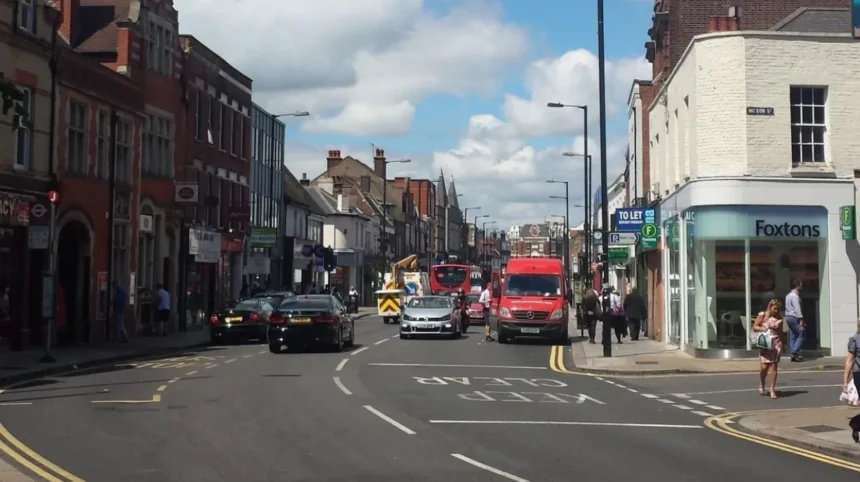
Chipping Barnet has a particularly strong historic shopping identity because its market tradition dates to 1199. Barnet Market, the High Street, independent retailers and The Spires Shopping Centre combine traditional trading activity with contemporary shopping, cafés and everyday services.
Chipping Barnet, commonly known as High Barnet, is one of the borough’s most recognisable historic commercial centres. Its position on the northern edge of London contributes to its distinct identity as a traditional town centre with established connections to surrounding communities.
The area’s history is closely associated with Barnet Market. According to Barnet Council, the market began in 1199 and continues to operate today. The term Chipping refers to a market or marketplace, reflecting the settlement’s long-established commercial function.
What can visitors find along Chipping Barnet High Street?
The High Street contains independent shops, cafés, restaurants, bars and established retail businesses. This mixture creates opportunities to combine shopping with eating, browsing and exploring the surrounding streets.
Independent retailers are particularly important to the area’s identity. Local businesses selling specialist products, gifts, books, flowers and other goods provide alternatives to standard high-street shopping. Traditional services, including hairdressers and beauty businesses, also support the area’s everyday commercial activity.
Visitors should allow time to explore individual shopfronts rather than concentrating exclusively on larger retailers. The character of the street emerges from the combination of different businesses operating alongside one another.
How does Barnet Market contribute to local character?
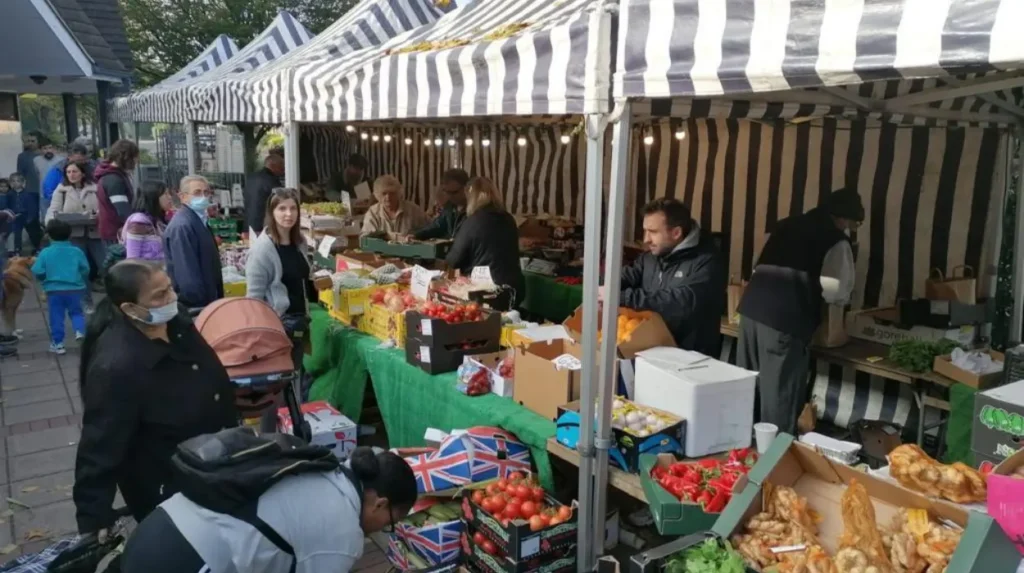
Barnet Market provides a direct connection between contemporary shopping and the area’s historic trading traditions. Market stalls create a different retail experience from permanent shops because traders present their goods in a shared, open trading environment.
The market is promoted as operating on Wednesdays and Saturdays, with trading generally advertised from 8 am to 3 pm. Visitors should check current arrangements before travelling because individual traders, operating hours and special events change.
Market shopping also gives visitors an opportunity to discover specialist produce and products while supporting small businesses. The experience complements the permanent shops around the High Street.
What role does The Spires play?
The Spires Shopping Centre adds a modern retail component to the historic centre. It brings together high-street brands, independent businesses, cafés, food outlets and everyday services.
This combination is significant because Chipping Barnet is not simply a historic street preserved for visitors. It remains a functioning commercial centre serving local residents and people travelling from surrounding neighbourhoods.
Best for: Visitors interested in historic shopping streets, traditional markets, independent shops and a combination of modern retail with established town-centre character.
As you explore the modern shopping streets, you are also encountering a place shaped by centuries of trade. Read the full [History of Chipping Barnet and Its Historic Market Town Heritage] to understand how its origins influenced the commercial centre that exists today.
What Makes Golders Green Different from Other Barnet Shopping Areas?
Golders Green stands out for its cosmopolitan retail environment, diverse food businesses, independent shops and strong public transport connections. Its commercial streets serve residents and visitors seeking specialist food products, international cuisine, everyday shopping and a lively North London neighbourhood atmosphere.
Golders Green occupies a distinctive position within Barnet’s shopping network. Its commercial identity reflects the area’s diverse population and the variety of businesses serving local communities.
Barnet Council identifies Golders Green as a vibrant, cosmopolitan town centre with extensive independent retail provision. The council also highlights its Underground station, bus connections, library and access to Golders Hill Park as important local features.
Which shopping experiences define Golders Green?
Food shopping is an important part of the area’s appeal. Specialist food shops, bakeries, delicatessens and other food businesses give visitors opportunities to find products associated with different culinary traditions.
Restaurants and cafés add another dimension. Visitors can combine shopping with a meal or refreshments, making the area suitable for a longer visit rather than a quick shopping trip.
The area’s identity also depends on its everyday services. Independent retailers and established local businesses serve people who live nearby, creating regular shopping activity beyond the needs of tourists.
How does local culture influence the retail environment?
Golders Green’s cultural diversity contributes to the range of products, food businesses and services found in the area. This influence is visible in the variety of food retail and dining options available along its commercial streets.
Visitors should approach the area as a functioning neighbourhood rather than a purpose-built tourist attraction. Its local character comes from the relationship between businesses, residents, community institutions and daily commercial activity.
The centre also benefits from strong transport connections. Golders Green Underground station serves the Northern line, while local bus services connect the area with other parts of North London. Visitors should check live transport information before travelling.
What else can visitors do nearby?
Golders Hill Park provides a green-space option for visitors who want to combine shopping with time outdoors. The park is managed by the City of London Corporation and includes landscaped gardens and other recreational attractions.
Golders Green Library and the area’s transport connections add practical value for visitors planning a broader North London itinerary. These facilities demonstrate how shopping centres function as community hubs rather than purely commercial destinations.
Best for: Specialist food shopping, international dining, independent retailers and visitors who want to experience the cultural diversity of North London.
Why Is Finchley Central Worth Exploring for Independent Shopping?
Finchley Central combines independent shops, restaurants, established residential streets and cultural attractions. Its commercial centre serves everyday shopping needs while providing access to green spaces, local services and public transport, making it a practical destination for visitors exploring North London’s suburban high streets.
Finchley Central has a different character from historic Chipping Barnet and the multicultural commercial streets of Golders Green. Its identity comes from the combination of local retail, residential surroundings, transport connections and nearby recreational attractions.
Barnet Council describes Finchley Central as a vibrant centre with cultural attractions, historic character and independent shops. Its retail provision covers more than 33,410 square metres of retail floorspace, according to the council’s town-centre information.
Retail floorspace measures the area available for commercial use. It provides an indication of the scale of a shopping centre, although it does not measure the number of independent businesses or the strength of local identity.
What types of shops define Finchley Central?
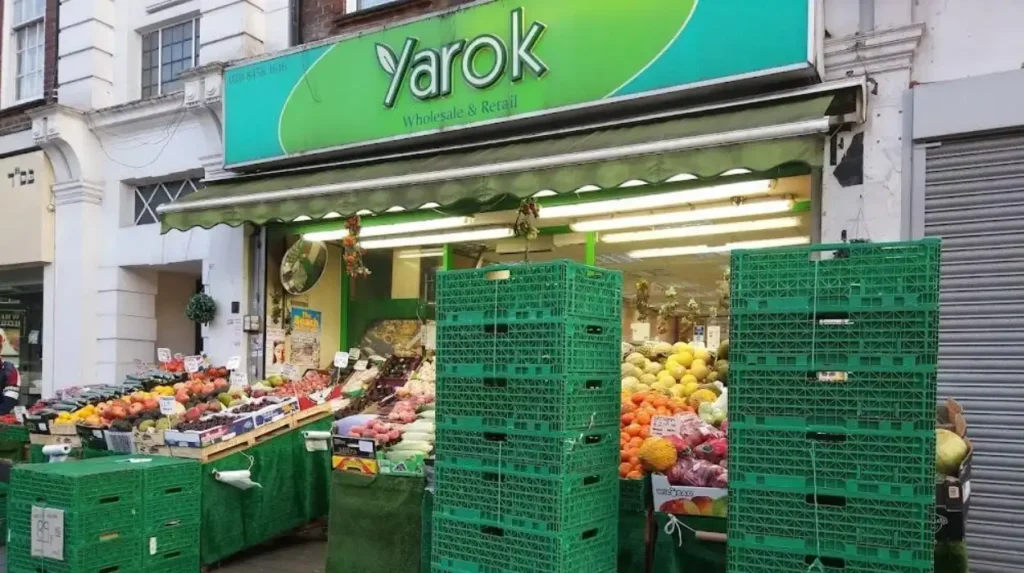
Finchley Central’s shopping environment includes independent retailers, restaurants and businesses providing everyday services. This mix supports both planned shopping trips and casual browsing.
Visitors can explore the commercial streets, stop at local cafés and discover businesses that serve the surrounding residential community. Independent cafés contribute to the area’s social character by providing places for refreshments and informal meetings.
The best approach is to explore the centre on foot. Walking between businesses makes it easier to notice individual shopfronts, compare services and identify places that are less prominent than larger retail destinations.
How do green spaces add to Finchley Central’s appeal?
Nearby green spaces provide an additional reason to visit. Victoria Park offers an outdoor setting within reach of the commercial centre, while Stephens House and Garden provides access to landscaped grounds and a café.
Stephens House is a Grade II listed building. A Grade II listing identifies a building of special architectural or historic interest in England. The designation recognises the building’s heritage significance and supports its consideration within the planning system.
The proximity of these attractions creates an opportunity to combine shopping with a walk or a cultural visit.
Finchley Central Underground station provides a convenient transport connection for visitors travelling from central London and other parts of the Northern line network. Its transport accessibility also supports local businesses by connecting the commercial centre with a wider customer base.
Best for: Independent shopping, café stops, everyday retail, access to green spaces and visitors who prefer an established suburban high street to a large shopping complex.
Does East Finchley Offer a More Neighbourhood-Focused Shopping Experience?
East Finchley offers a neighbourhood-focused shopping environment where local shops, food businesses and everyday services support the surrounding residential community. Its character is best explored through its established commercial streets, independent businesses and connections with the wider Finchley area.
East Finchley is recognised by Barnet Council as a district town centre. District centres generally serve local shopping needs and provide services for nearby communities rather than functioning solely as regional retail destinations.
This role helps explain East Finchley’s appeal. Visitors encounter a functioning neighbourhood high street where shopping is closely connected to everyday life.
What gives East Finchley its local identity?
The area’s local character comes from the relationship between its shops, food businesses and residential surroundings. Independent retailers and service businesses contribute to the distinctive appearance and function of the commercial streets.
Food shopping is an important part of a neighbourhood centre’s everyday role. Examples include bakeries, convenience stores, specialist food retailers and businesses selling prepared meals. Their presence helps residents access essential goods without travelling to a larger shopping destination.
Visitors looking for local character should pay attention to the variety of individual businesses rather than expecting a concentrated luxury-shopping district.
How should visitors explore East Finchley?
A walking visit provides the best way to experience the area’s retail environment. Visitors can browse individual shops, stop at a café and explore nearby streets before continuing to another North London destination.
East Finchley also benefits from Underground connections on the Northern line. The station makes the area accessible to visitors who want to explore local shopping streets without driving.
For tourists, East Finchley works particularly well as part of a wider itinerary that includes other Barnet centres. Comparing it with Finchley Central reveals differences in shopfronts, commercial activity and the relationship between shopping and nearby residential areas.
For residents and business travellers, its practical retail offer provides a useful alternative to larger centres when the objective is to find everyday goods, local services or a convenient place to stop for refreshments.
Best for: Neighbourhood shopping, everyday services, independent businesses and visitors interested in the ordinary commercial life of North London.
How Does Mill Hill Compare with Barnet’s Busier Shopping Centres?
Mill Hill offers an established suburban shopping environment with local retailers, food businesses and everyday services. Its appeal lies in its neighbourhood scale and practical shopping offer, providing an alternative to the historic market atmosphere of Chipping Barnet and the busier streets of Golders Green.
Mill Hill is one of Barnet’s recognised district town centres. Its commercial area serves the surrounding residential community, making it relevant to visitors seeking everyday shopping rather than a destination retail experience.
What can visitors expect from Mill Hill Broadway?
Mill Hill Broadway is a useful starting point for exploring the area’s commercial activity. Its shops and services support routine purchases, food shopping and local errands.
A neighbourhood high street typically includes businesses serving frequent, practical needs. Examples include convenience stores, cafés, pharmacies, hairdressers and small food retailers. The exact mix varies between streets and changes as businesses open, close or relocate.
Mill Hill’s character is therefore best understood through its everyday commercial functions and the way businesses serve nearby residents.
Who benefits most from visiting Mill Hill?
Visitors staying in North London can use Mill Hill for convenient shopping without travelling to a larger retail centre. Its local services also suit business travellers who need refreshments or everyday essentials between appointments.
Digital nomads and remote workers should assess individual cafés for seating, Wi-Fi availability, power sockets and acceptable working arrangements. These facilities differ by business, so visitors should confirm them directly rather than assume every café supports laptop working.
Mill Hill also fits into a wider exploration of Barnet’s suburban centres. A comparison with East Finchley or Whetstone helps visitors understand how local shopping areas differ in scale, business mix and surrounding environment.
Best for: Convenient local shopping, neighbourhood cafés, everyday services and visitors seeking a less destination-focused retail experience.
Why Should Visitors Include Whetstone and North Finchley in a Barnet Shopping Guide?
Whetstone and North Finchley provide established high-street shopping, independent businesses, restaurants and everyday services. Both serve residential communities, but visitors should explore their individual commercial streets to compare shop types, dining options and the different roles these centres play across Barnet.
Whetstone and North Finchley are both recognised within Barnet’s network of town centres. North Finchley is one of the borough’s seven main town centres, while Whetstone is classified as a district centre.
These classifications reflect their different positions within the borough’s shopping network. They do not establish a definitive ranking of local character, but they help explain differences in the range and function of retail provision.
What makes North Finchley distinctive?
North Finchley has an established commercial centre serving local residents and visitors from surrounding neighbourhoods. Its retail streets provide access to shops, food businesses and services.
The area is suitable for visitors who want to explore a working North London high street rather than concentrate on a single shopping complex. Restaurants and cafés also allow visitors to combine errands with a meal or a break.
For a more complete visit, explore the main commercial streets on foot. Individual shopfronts and the variety of businesses provide a clearer impression of local identity than a list of national retail brands.
What distinguishes Whetstone?
Whetstone offers a district-centre shopping environment with local retail and service businesses. Its commercial area supports daily needs for surrounding residential communities.
Visitors can explore its shops and cafés as part of a wider itinerary through North London. The centre is especially useful for comparing the character of a district high street with the larger commercial areas of North Finchley and Chipping Barnet.
The two centres demonstrate that local character does not depend on historic buildings or a famous market alone. A consistent mix of neighbourhood businesses, recognisable streets and services used by local residents also creates a distinct commercial identity.
Best for: Visitors comparing suburban high streets, exploring local shops and restaurants, and discovering shopping centres beyond Barnet’s best-known destinations.
Is Edgware Better for Convenience Shopping Than Independent High-Street Browsing?
Edgware provides a larger shopping centre with a broad range of retail businesses, food outlets and everyday services. Its commercial scale makes it useful for practical shopping, while visitors seeking historic market character or smaller independent shops should compare it with Chipping Barnet and neighbourhood centres.
Edgware occupies an important position in Barnet’s retail network. Barnet Council identifies it as one of the borough’s main town centres, reflecting its role in serving a wider shopping catchment. Its main commercial streets include Station Road and High Street.
A shopping catchment is the geographical area from which a centre attracts customers. Larger centres generally serve a broader population than smaller neighbourhood shopping streets.
What makes Edgware useful for visitors?
Edgware is suitable for people who want to complete several shopping tasks in one visit. Its established commercial centre offers access to retail businesses, food outlets and services, reducing the need to travel between separate neighbourhoods.
The area’s transport connections also make it a practical destination for visitors travelling across North London. Edgware Underground station is the northern terminus of the Northern line’s Edgware branch.
Visitors should distinguish convenience from local character. A centre with a broad range of shops can be highly useful without necessarily providing the same historic atmosphere as a traditional market town.
How does Edgware compare with Chipping Barnet?
Chipping Barnet has a stronger documented connection to historic market trading, with Barnet Market dating to 1199. Edgware’s appeal rests more on its role as a substantial commercial centre with a broad shopping offer.
The choice depends on the purpose of the visit. People seeking a traditional market and historic High Street should start with Chipping Barnet. Visitors prioritising a wider range of practical shopping options should consider Edgware.
Both centres serve local communities and attract shoppers from beyond their immediate neighbourhoods. They demonstrate how Barnet’s town-centre network accommodates different shopping needs rather than following a single retail model.
Best for: Practical shopping, everyday essentials, transport accessibility and visitors who prioritise retail convenience over historic atmosphere.
Which Smaller Shopping Areas Reveal Barnet’s Local Character?
Smaller centres such as Temple Fortune, Brent Street, New Barnet and East Barnet reveal Barnet’s neighbourhood character through local retailers, cafés, food shops and everyday services. They offer a different experience from major shopping destinations by focusing on the needs of nearby communities.
Barnet’s local identity extends beyond its best-known commercial centres. The council recognises eight district town centres and 15 local and neighbourhood centres alongside its seven main town centres. Examples include Temple Fortune, Brent Street, New Barnet and East Barnet.
This network matters because smaller shopping streets provide convenient access to everyday goods and services. They also help sustain local business activity close to residential areas.
What makes Temple Fortune worth exploring?
Temple Fortune is a district centre with a local shopping environment shaped by the needs of nearby residents. Its commercial streets provide an alternative to the larger shopping areas of Golders Green and Finchley.
Visitors can look for independent retailers, food businesses and everyday services while exploring the surrounding area. Its value lies in its neighbourhood scale rather than a single major attraction.
Temple Fortune is particularly relevant to visitors interested in comparing different commercial environments within the same borough. A short visit reveals how local shopping centres function as practical community hubs.
How does New Barnet differ from High Barnet?
New Barnet and High Barnet are separate areas with different shopping environments and transport connections. High Barnet is associated with Chipping Barnet’s historic market and High Street, while New Barnet forms a separate district centre.
New Barnet’s commercial area serves surrounding residential neighbourhoods with local shops and services. Visitors should check their destination carefully when planning a journey because the similar names refer to different places.
Why include East Barnet in a shopping itinerary?
East Barnet offers a local-centre experience focused on everyday shopping and community services. Smaller centres such as this are important to residents because they reduce the need to travel to larger retail destinations for routine purchases.
For visitors, the value comes from seeing a different side of North London. Rather than concentrating exclusively on major shopping streets, exploring smaller centres provides a broader understanding of Barnet’s commercial geography.
Best for: Neighbourhood exploration, local services, independent businesses and visitors who want to understand how everyday shopping supports Barnet’s residential communities.
How Can Visitors Choose the Best Shopping Area in Barnet?
The best shopping area depends on whether visitors prioritise historic markets, international food shops, independent retailers or convenient everyday shopping. Chipping Barnet suits heritage-focused visits, Golders Green offers cultural diversity, Finchley Central combines shopping with recreation, and Edgware provides broader retail convenience.
Choosing a shopping destination becomes easier when visitors identify their main interests before travelling. Barnet’s centres offer different combinations of retail, dining, transport and leisure facilities.
Which shopping areas are best for independent retailers?
Chipping Barnet is a strong starting point because its historic High Street combines independent businesses with Barnet Market and The Spires Shopping Centre. Finchley Central also offers independent retailers and restaurants within an established town centre.
Visitors should check individual business listings before travelling if they are looking for a particular product or specialist shop. Independent businesses have different opening hours, and retail directories do not always reflect recent changes.
Where should visitors go for food shopping and dining?
Golders Green is a strong option for visitors interested in specialist food shopping and international dining. Its cosmopolitan retail environment distinguishes it from centres with a more conventional suburban shopping offer.
Chipping Barnet also offers restaurants, cafés and market shopping. Finchley Central provides another option for visitors who want to combine independent retail with refreshments and nearby green spaces.
Which centres are best for a relaxed high-street visit?
East Finchley, Mill Hill and Whetstone are useful options for visitors interested in established neighbourhood shopping environments. Their local businesses and everyday services offer a different experience from larger retail destinations.
The ideal choice depends on the individual street and the businesses operating there. Visitors should allow time to explore on foot rather than judging a centre solely by its size.
How should visitors plan transport and opening times?
Visitors travelling by Underground should check routes and service information before leaving. High Barnet, Finchley Central, East Finchley, Golders Green and Edgware have Underground stations serving different parts of the borough.
Shopping hours vary between permanent shops, markets and shopping centres. Barnet Market, for example, has advertised Wednesday and Saturday trading, while individual businesses follow their own schedules. Checking current opening information reduces the risk of arriving when a particular attraction is closed.
Visitors should also consider accessibility, parking arrangements and walking distances when selecting a destination. These practical details influence the overall experience, especially when combining shopping with restaurants, parks or cultural attractions.
Explore More Area Guide
Shopping in Barnet: History, High Streets and Retail Trends
Specialist Food Shops in Barnet: Bakeries, Delis and Grocers
How Does Barnet’s Shopping Network Support Local Communities?
Barnet’s shopping network supports local communities by providing everyday goods, employment, independent businesses and places for social interaction. Its 30 recognised town centres serve different local needs, from historic market trading in Chipping Barnet to convenient neighbourhood shopping in smaller district centres.
Shopping areas contribute to local economies by connecting customers with businesses that provide products and services. Retailers, cafés, restaurants and personal-service businesses also generate employment and help sustain activity on commercial streets.
Barnet Council’s approach recognises the importance of maintaining a network of town centres with distinct identities. Its placemaking framework aims to support thriving, healthy and safer centres while responding to their different characteristics and cultures.
Why do independent businesses matter?
Independent businesses help differentiate shopping streets because they provide products, services and experiences that reflect local demand. Examples include specialist food retailers, independent cafés, florists, tailors and small gift shops.
Their presence also gives visitors more opportunities to discover locally operated businesses instead of relying exclusively on national chains. Supporting these businesses helps maintain variety across Barnet’s commercial centres.
However, independent retail is only one part of local character. Public spaces, community facilities, transport connections, restaurants and historic buildings also influence how people use and recognise a shopping area.
How are Barnet’s shopping areas changing?
Shopping habits continue to evolve as customers combine physical shopping with online purchases, home delivery and digital business directories. High streets increasingly serve several purposes beyond retail, including dining, leisure, professional services and community activities.
Barnet’s town-centre framework reflects the importance of responding to these changes while preserving the distinctive qualities of individual places.
For visitors, these developments mean that the best shopping experiences are not necessarily found in the largest centres. Smaller high streets remain relevant because they provide convenient services, local businesses and direct connections with the surrounding community.
Future changes in transport, commercial property, business occupancy and consumer behaviour will continue to influence individual centres. Their long-term character depends on how businesses, communities and local authorities respond to these pressures.
Which Barnet Shopping Areas Have the Strongest Local Character Overall?
Chipping Barnet, Golders Green and Finchley Central are particularly strong choices for visitors seeking distinctive shopping experiences. Chipping Barnet offers historic market heritage, Golders Green has a cosmopolitan food scene, and Finchley Central combines independent retail with cultural and recreational attractions.
Barnet does not have a single shopping area that defines the entire borough. Its commercial identity comes from the variety of centres serving different communities and visitor interests.
Chipping Barnet is the strongest choice for a combination of historic character, market trading and independent shopping. Barnet Market’s origins in 1199 provide a clear connection between the town’s past and its present commercial life.
Golders Green stands out for its cosmopolitan environment, specialist food businesses and varied dining options. Its transport connections and nearby recreational attractions also make it a practical destination for a longer visit.
Finchley Central offers a balanced experience that combines independent shops, restaurants, transport access and nearby green spaces. It is particularly suitable for visitors who want to explore a suburban high street without limiting their visit to shopping alone.
East Finchley, Mill Hill and Whetstone provide useful alternatives for neighbourhood shopping. North Finchley and Edgware serve broader commercial needs, while Temple Fortune, New Barnet and East Barnet demonstrate the importance of smaller centres within Barnet’s network.
The most effective shopping itinerary depends on the experience a visitor wants. Heritage-focused visitors should begin in Chipping Barnet, food enthusiasts should explore Golders Green, and people interested in independent shopping with access to green spaces should consider Finchley Central.
Ultimately, Barnet’s strongest local character lies in the differences between its shopping areas. These centres combine historic trading traditions, independent businesses, cultural diversity and everyday community services to create a varied shopping landscape across North London.
Which shopping areas in Barnet have the strongest local character?
Chipping Barnet, Golders Green and Finchley Central are among Barnet’s most distinctive shopping areas. Chipping Barnet is known for its historic market, Golders Green offers diverse food shops and restaurants, and Finchley Central combines independent retailers with local attractions.