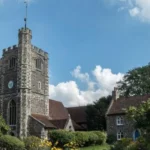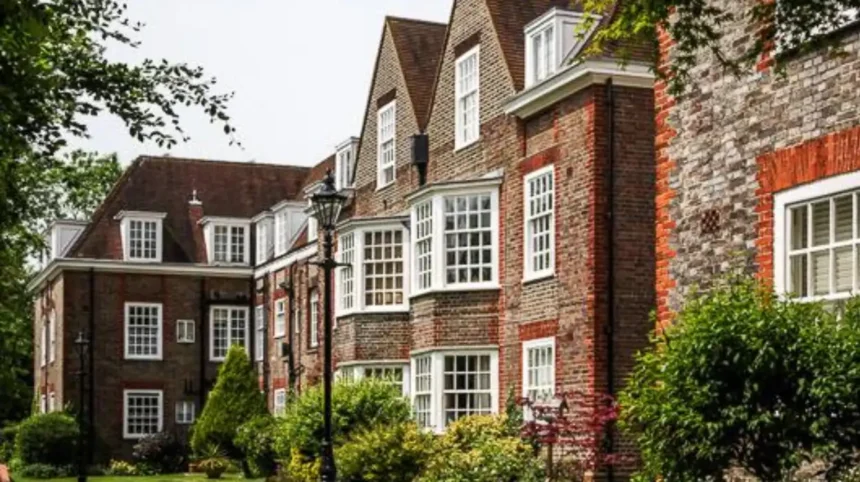
Barnet offers a varied photography landscape across northern London. The borough combines historic villages, conservation areas, woodland, open countryside, landscaped gardens, streams, parks and distinctive residential architecture. This variety gives photographers opportunities for landscape, architectural, nature, street, heritage and seasonal photography within one London borough.
- What makes Barnet a good photography destination?
- Which Barnet locations are best for scenic landscape photography?
- Where can photographers find the best historic architecture in Barnet?
- Is Hampstead Garden Suburb one of the best photography locations in Barnet?
- Which woodland locations are best for nature photography in Barnet?
- Where can photographers capture long-distance views in Barnet?
- What are the best Barnet locations for Instagram photography?
- When is the best time to photograph Barnet?
- How should photographers plan a Barnet photography day?
- What photography subjects can visitors find in Barnet?
- What are the best photography locations in Barnet for different photography styles?
- Why are Barnet’s photography locations important for the future?
- Which Barnet photography locations should visitors prioritise?
For visitors, Barnet provides a quieter alternative to London’s heavily photographed central landmarks. Its strongest photographic locations include Monken Hadley, Hadley Green, Totteridge, Hampstead Garden Suburb, Stephens House and Gardens, Scratchwood, Arrandene Open Space and the Dollis Valley Greenwalk.
Barnet Council’s parks directory lists around 160 parks and open spaces across the borough, demonstrating the scale of the green infrastructure available to visitors and residents.
Photography in Barnet also benefits from the borough’s historic landscape. Barnet contains conservation areas including Monken Hadley, Totteridge, Hampstead Garden Suburb, Mill Hill, Golders Green and Wood Street. Conservation areas are designated because of special architectural or historic interest, making them particularly relevant for heritage photography.
The borough also contains registered historic parks and gardens. Barnet Council identifies five nationally registered historic parks and gardens within Barnet, including Stephens House and Gardens, East Finchley Cemetery and St Marylebone Crematorium, Golders Green Crematorium, St Pancras and Islington Cemetery and Crematorium, and Hoop Lane Jewish Cemetery.
What makes Barnet a good photography destination?
Barnet is a strong photography destination because it combines historic architecture, protected landscapes, woodland, open fields, village greens and long-distance views. Photographers can move between urban, rural, heritage and nature subjects without leaving the London borough, creating varied visual portfolios.
The main photographic advantage is geographical variety. Barnet extends across a large northern section of Greater London and includes landscapes that retain strong connections with earlier rural settlement.
Historic villages provide architectural subjects. Open spaces provide landscapes. Woodland provides wildlife and seasonal images. Conservation areas provide streetscapes and architectural details.
The borough’s landscape also contains elevated ground. Totteridge sits along a higher gravel ridge, while parts of High Barnet provide elevated perspectives across surrounding areas. Barnet Council describes Totteridge as having long-distance views and a countryside setting, with open land forming part of London’s Green Belt.
This combination makes Barnet suitable for different photography disciplines. Landscape photographers can concentrate on fields, woodland and green corridors. Architecture photographers can focus on conservation areas. Nature photographers can work around woodland and open spaces. Street photographers can document village centres, transport routes and changing urban landscapes.
The borough is also suitable for photographers working with seasonal changes. Spring brings woodland flowers. Summer provides longer daylight and strong vegetation. Autumn introduces foliage and lower-angle light. Winter exposes architectural forms and tree structures.
Which Barnet locations are best for scenic landscape photography?
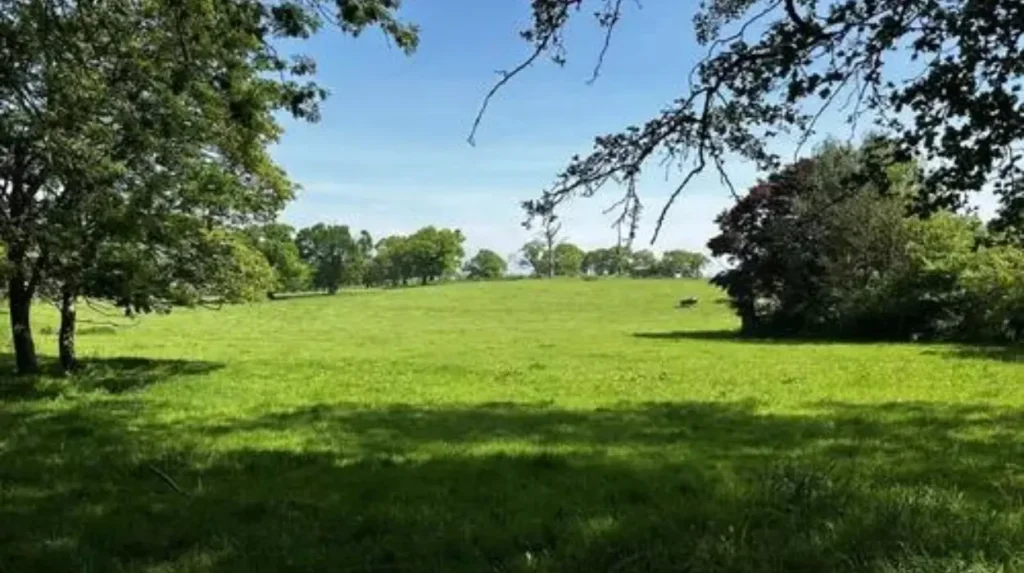
The strongest landscape photography locations in Barnet include Totteridge, Hadley Green, Monken Hadley Common, Barnet Hill, Arrandene Open Space, Scratchwood and the Dollis Valley Greenwalk, each offering different combinations of fields, woodland, trees, paths, valleys and distant views.
Totteridge is particularly important for landscape photography because its elevated position and surrounding open land create a countryside character within London. Barnet Council describes the conservation area as sitting on a gravel ridge with land descending towards Dollis Brook and Folly Brook.
Totteridge Green provides a useful starting point for village and landscape compositions. The surrounding lanes, mature vegetation and open land create opportunities for wide-angle photographs and detailed environmental compositions.
Hadley Green provides another strong landscape setting in High Barnet. Barnet Council lists Hadley Green as a public open space on the Great North Road. Nearby locations include Hadley Common and Hadley High Stone.
Monken Hadley Common adds woodland and heath-like landscape characteristics. Its combination with Hadley Green allows photographers to create contrasting images within a relatively compact area.
Arrandene Open Space in Mill Hill is another useful location for open-space photography. Barnet Council identifies wildlife interest at the site and places it on Wise Lane in Mill Hill.
Scratchwood provides a more enclosed woodland environment. Barnet Council identifies Scratchwood and Moat Mount as the largest area of woodland in Barnet. Scratchwood contains areas of ancient woodland dominated by oak and hornbeam, with bluebells and wood anemones appearing during spring.
The Dollis Valley Greenwalk provides a broader landscape photography route rather than a single viewpoint. The route extends for 10 miles from Moat Mount in Mill Hill through Barnet towards Hampstead Heath. Barnet Council states that the walk can take up to six hours and is mostly flat with hard surfaces.
Its length creates opportunities to photograph changing landscapes rather than repeatedly photographing one scene. Brook corridors, trees, open spaces, footpaths and residential edges create different compositions along the route.
Where can photographers find the best historic architecture in Barnet?
Monken Hadley, Totteridge, Hampstead Garden Suburb and High Barnet provide some of Barnet’s strongest historic photography subjects, combining listed buildings, traditional streetscapes, village greens, churches, historic routes, mature trees and carefully preserved architectural character.
Monken Hadley is one of the most significant historic photography areas in Barnet. The conservation area lies in the north-east of the borough, close to Hertfordshire and Enfield. The historic Great North Road passed through Chipping Barnet, Hadley Green and Hadley Highstone before continuing northwards.
St Mary the Virgin Church forms a major visual focal point in Monken Hadley. Barnet Council’s conservation appraisal identifies the church as the focal point of the area and notes that views from this location reveal much of the area’s historic character.
The wider Monken Hadley landscape contains winding lanes, mature native trees, historic buildings and common land. These elements support both wide compositions and close architectural studies.
Hadley Green provides another important heritage setting. Barnet Council records that the village area developed around St Mary the Virgin and that Hadley Green lies west of the village. Hadley has documented connections extending back many centuries.
Totteridge offers a different architectural character. Its village form is set within open countryside and contains a church, village hall, public house, residential buildings and a working farm. The combination of buildings and surrounding fields creates photographs that combine architecture with landscape.
Hampstead Garden Suburb provides a more planned architectural environment. The conservation area was designated in 1968. It covers approximately 1,009 acres, including roughly 136 acres of open space. The suburb was developed between 1907 and 1938 on a greenfield site using a formal plan influenced by the existing woodland and agricultural landscape.
The area’s architecture and landscape work particularly well for architectural photography. Central Square, residential roads, gardens, mature trees and open spaces provide different subjects within the same planned environment.
As you explore these modern photographic settings, you are crossing landscapes with centuries of development behind them. Read about the full [historical background of Barnet’s heritage and historic places here] to understand their origins.
Is Hampstead Garden Suburb one of the best photography locations in Barnet?
Hampstead Garden Suburb is one of Barnet’s most distinctive photography areas because its planned architecture, landscaped surroundings, mature trees, open spaces and historic conservation status create consistent subjects for architectural, street, garden and heritage photography.
The suburb was planned in the early twentieth century and developed between 1907 and 1938. Its layout was influenced by existing woodland and agricultural land, creating an integrated relationship between buildings and landscape.
For photographers, this planned environment is important because the composition does not depend on one landmark. Streets, buildings, gardens, trees and open spaces work together as photographic subjects.
Central Square is particularly relevant for architectural photography because its planned form creates strong geometric relationships between buildings, roads and landscaping. Residential streets provide opportunities to photograph architectural details such as windows, brickwork, rooflines, gates and mature planting.
The suburb also contains several character areas documented by Barnet Council. These include Central Square, the Artisans’ Quarter, Market Place and Lyttelton Road, Northway, Middleway and Southway, Ingram Avenue and Spaniards End.
Photographers should remember that Hampstead Garden Suburb is a residential conservation area. Conservation status protects architectural and environmental character. Barnet Council also identifies Article 4 directions within parts of the suburb, which restrict certain development rights.
Photography from public areas is distinct from entering private property. Visitors should remain on public paths and respect residential privacy. Tripods should not obstruct pavements, entrances or roads.
Which woodland locations are best for nature photography in Barnet?
Scratchwood, Moat Mount, Arrandene Open Space, Big Wood and other wildlife-focused green spaces provide strong nature photography opportunities through woodland habitats, wildflowers, mature trees, birds, changing vegetation and seasonal landscapes across Barnet’s extensive green infrastructure.
Scratchwood is one of the strongest choices for woodland photography. Barnet Council identifies ancient woodland within the site, with oak and hornbeam forming much of its woodland character. Spring flowers include bluebells and wood anemones. The council also identifies muntjac deer and woodland birds as wildlife present in the area.
The nearby Moat Mount landscape creates additional variety. The two areas are separated by the A1, but together they form a major woodland area within Barnet. Moat Mount contains extensive woodland and areas associated with former ornamental gardens.
Arrandene Open Space is another wildlife-focused location. Barnet Council lists wildlife interest as a facility and identifies the site at Wise Lane in Mill Hill.
Big Wood in Hampstead Garden Suburb provides another woodland option. Barnet Council lists it among locations with wildlife interest.
Nature photography requires a different approach from architectural photography. Longer focal lengths are useful for birds and distant wildlife. Macro or close-focusing equipment suits flowers, leaves and textures. Wider lenses work well for woodland paths and large tree structures.
Early morning photography provides lower visitor numbers and softer natural light. Spring is particularly useful for woodland flower photography at Scratchwood because the council specifically identifies bluebells and wood anemones as seasonal features.
Wildlife should not be disturbed for photographs. Photographers should remain on established paths where required and avoid damaging vegetation.
Where can photographers capture long-distance views in Barnet?
Totteridge, Barnet Hill, Hadley Green and sections of the Dollis Valley landscape provide opportunities for long-distance photography, particularly where elevated ground, open fields, valleys and unobstructed horizons create broader views across Barnet and surrounding parts of London.
Totteridge is one of the clearest examples. Its position along a higher ridge creates views across surrounding open land. Barnet Council specifically describes the area as having attractive long-distance views and a network of bridleways.
Barnet Hill also provides an elevated setting. Barnet Council lists Barnet Hill open space on the A1000 in High Barnet.
Hadley Green provides a different type of long-distance composition. The open green creates visual space around mature trees, historic buildings and roads. The nearby Hadley Highstone and Monken Hadley Common expand the range of photographic subjects.
The Dollis Valley Greenwalk is useful when the objective is to photograph a sequence of changing perspectives. Its 10-mile route connects multiple open spaces, beginning at Moat Mount and continuing through the borough towards Hampstead Heath.
London’s wider planning system also recognises the importance of strategic views. The London View Management Framework protects designated views that contribute to London’s character and skyline. The framework includes public-space viewpoints and considers landmarks, urban landscapes and wider panoramas.
Barnet’s viewpoints should not be confused with London’s formally designated strategic views. A location can provide an excellent photographic panorama without being part of the formal strategic-view framework.
This distinction matters when photographers describe viewpoints online. Terms such as “panoramic view” and “London viewpoint” should describe the physical photographic experience rather than imply official strategic-view designation.
What are the best Barnet locations for Instagram photography?
The most visually varied Instagram photography locations in Barnet include Monken Hadley, Hampstead Garden Suburb, Totteridge Green, Stephens House and Gardens, Scratchwood and the Dollis Valley Greenwalk because they provide recognisable architecture, greenery, pathways, historic details and seasonal subjects.
Social photography benefits from visual variety. Barnet’s strongest locations provide multiple compositions rather than a single landmark.
Monken Hadley works well for heritage-focused images. The church, village environment, historic buildings, trees and winding lanes provide distinctive visual elements. Barnet Council identifies the area’s rural character and historic road network as important parts of its identity.
Hampstead Garden Suburb suits clean architectural compositions. Its planned streets, formal spaces and landscaped environment create structured backgrounds. The area’s conservation status reinforces the importance of its architectural character.
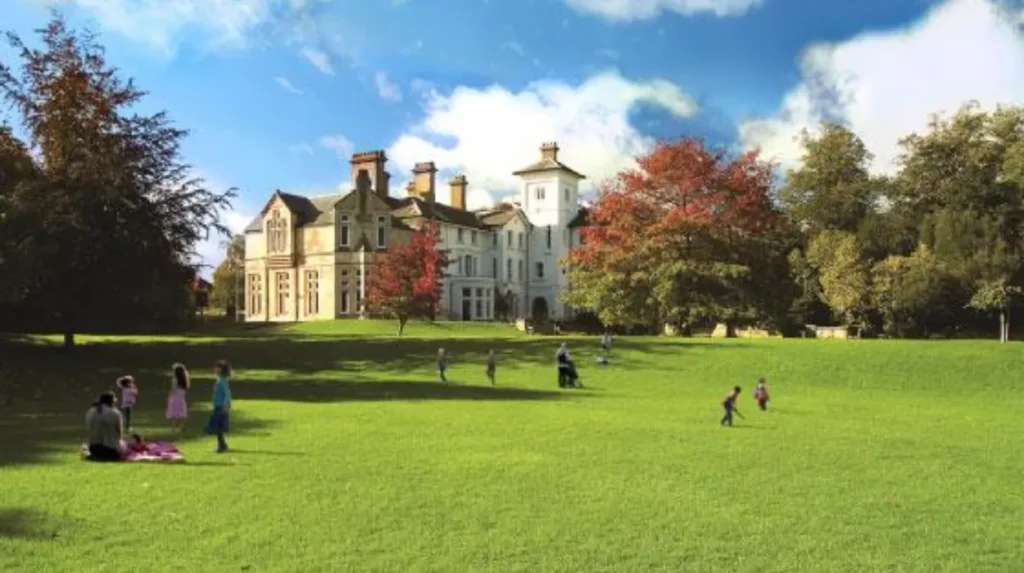
Stephens House and Gardens provides a different photographic setting. The property is located on East End Road in Finchley. Barnet Council identifies Avenue House Grounds, now known as Stephens House and Gardens, as a Grade II registered historic park and garden.
Garden photography at Stephens House benefits from combining buildings, planting and formal landscape elements. The location also provides a useful option for visitors interested in heritage photography without concentrating exclusively on streets.
Totteridge Green is appropriate for countryside-style images within an urban borough. The surrounding green fields, village buildings and quiet landscape create strong environmental compositions.
Scratchwood provides a more natural visual identity. Oak and hornbeam woodland, seasonal flowers and wildlife create subjects that change throughout the year.
The Dollis Valley Greenwalk is useful for content creators who want multiple images during one walk. Its 10-mile route connects several green spaces and provides different environments along the journey.
When is the best time to photograph Barnet?
The best time depends on the subject: spring suits woodland flowers, summer suits gardens and greenery, autumn suits woodland colour, and winter suits architecture, open landscapes and silhouettes. Early morning provides quieter conditions and softer natural light throughout the year.
Spring is particularly suitable for Scratchwood because Barnet Council records bluebells and wood anemones as woodland flowers visible during the season. This makes spring useful for close-up nature photography and wider woodland compositions.
Summer provides longer daylight for walking routes and garden photography. Stephens House and Gardens and Hampstead Garden Suburb benefit from mature vegetation during this period.
Autumn creates strong opportunities in woodland and open-space locations. Scratchwood, Big Wood, Arrandene Open Space and the Dollis Valley landscape contain trees and vegetation that provide seasonal changes in colour and texture.
Winter provides clearer architectural compositions because reduced foliage exposes building forms, rooflines, church structures and mature tree branches.
Time of day also affects photography. Early morning reduces pedestrian activity and provides softer light. Late afternoon provides longer shadows and greater texture across buildings and landscapes.
Weather is another photographic variable. Cloud cover produces diffuse light that works well for architectural detail and woodland scenes. Clear conditions provide stronger shadows and defined horizons.
The best approach is to match the location to the intended subject. Nature photography benefits from seasonal planning. Architectural photography benefits from controlled light and quieter streets. Landscape photography benefits from visibility and suitable weather.
How should photographers plan a Barnet photography day?
A successful Barnet photography day starts with a defined subject, a practical route and awareness of access conditions. Combining nearby heritage, landscape and woodland sites creates efficient coverage while allowing enough time for composition, walking, changing light and responsible photography.
Barnet is large, so planning reduces unnecessary travel. A northern itinerary can focus on High Barnet, Monken Hadley, Hadley Green and Totteridge. A Mill Hill itinerary can combine Arrandene Open Space, Scratchwood and Moat Mount. A southern itinerary can concentrate on Hampstead Garden Suburb and Stephens House and Gardens.
The Dollis Valley Greenwalk provides a separate full-day option. Barnet Council states that the complete 10-mile route can take up to six hours. It is mostly flat and has hard-surfaced sections, although weather can make some parts muddy or icy.
Photographers should check opening arrangements for managed sites before travelling. Public open spaces differ from privately managed gardens, historic properties and ceremonial venues.
Equipment should reflect the planned locations. A wide-angle lens suits landscapes and architecture. A standard lens works for streets and environmental portraits. A telephoto lens supports wildlife photography. A tripod supports low-light landscapes and architectural compositions where permitted.
Public access is important. Barnet contains conservation areas where trees, buildings and streets receive additional protection. Conservation status does not prevent ordinary photography from public places, but it reinforces the importance of respecting the built and natural environment.
Photographers should avoid blocking footpaths, entering private gardens, climbing structures or disturbing wildlife. Commercial shoots, organised photography and professional equipment sometimes require permission depending on the location and activity.
What photography subjects can visitors find in Barnet?
Visitors can photograph landscapes, historic architecture, village scenes, woodland, wildlife, gardens, churches, open spaces, streetscapes and seasonal vegetation in Barnet. This range supports travel photography, architectural photography, nature photography, social media content and personal documentary projects.
Landscape photography is particularly strong in Totteridge, Hadley Green and the Dollis Valley. These locations provide fields, valleys, green corridors, mature vegetation and open horizons.
Heritage photography is strongest around Monken Hadley, Hadley Green and the conservation areas. Monken Hadley contains historic buildings and St Mary the Virgin Church, while Hadley has documented connections to medieval routes and settlement.
Architectural photography works particularly well in Hampstead Garden Suburb. Its planned development between 1907 and 1938 created a distinctive relationship between buildings, streets, landscape and open space.
Nature photography is strongest at Scratchwood, Moat Mount, Arrandene Open Space and Big Wood. Scratchwood’s ancient woodland and seasonal flowers create particularly identifiable nature subjects.
Garden photography has a strong location at Stephens House and Gardens, which Barnet Council identifies as a Grade II registered historic park and garden.
Street photography can focus on village centres, historic roads and residential environments. Totteridge and Monken Hadley are especially useful because their village character remains visually distinct from denser urban environments.
This diversity gives Barnet strong value for photographers who want several subject categories during one London visit.
What are the best photography locations in Barnet for different photography styles?
Landscape photographers should prioritise Totteridge and Dollis Valley; heritage photographers should visit Monken Hadley; architecture photographers should explore Hampstead Garden Suburb; nature photographers should choose Scratchwood; and garden photographers should consider Stephens House and Gardens.
For landscape photography, Totteridge provides elevated ground, open land and long-distance views. The Dollis Valley Greenwalk provides a longer route with changing green-space environments.
For heritage photography, Monken Hadley is a leading choice. Its historic church, roads, trees and buildings form part of a designated conservation area.
For architectural photography, Hampstead Garden Suburb offers planned streets, residential architecture and landscaped spaces. Its conservation designation recognises the architectural and environmental significance of the area.
For nature photography, Scratchwood offers ancient woodland, oak and hornbeam trees, spring flowers and wildlife interest.
For garden photography, Stephens House and Gardens provides a historic landscaped environment. The grounds have Grade II status on the national Register of Historic Parks and Gardens.
For village photography, Totteridge and Monken Hadley provide traditional settlement patterns surrounded by green space. Their character differs from the dense urban environment found elsewhere in London.
For walking photography, the Dollis Valley Greenwalk is particularly practical because it connects multiple green spaces over a 10-mile route.
Explore More Area Guide
Best Scenic Drives Around Barnet and North London (2026)
How Green Is Barnet Compared with London? Barnet 2026
Why are Barnet’s photography locations important for the future?
Barnet’s photography value rests on the continuing relationship between protected heritage, green infrastructure and public access. Conservation areas, historic parks, woodland and walking routes preserve visual diversity while providing opportunities for future visitors to document London’s changing northern landscape.
Barnet’s conservation framework protects areas with special architectural and historic interest. The borough currently identifies conservation areas including Hampstead Garden Suburb, Monken Hadley, Totteridge, Mill Hill and Wood Street.
Historic landscape protection also contributes to long-term photographic value. Barnet contains five nationally registered historic parks and gardens, demonstrating the importance of designed landscapes within the borough’s heritage structure.
Green infrastructure provides another long-term resource. Barnet’s parks directory records around 160 parks and open spaces, ranging from small local spaces to major woodland and landscape areas.
The Dollis Valley Greenwalk demonstrates how green infrastructure can connect different environments. The 10-mile route links open spaces through Barnet and continues towards Hampstead Heath, providing a continuous recreational landscape.
For photographers, this protection creates continuity. Historic buildings retain their architectural context. Woodland remains an important natural subject. Village greens continue to provide open space. Walking routes preserve connections between different landscape types.
London’s wider planning framework also recognises the importance of views and visual character. The London View Management Framework protects designated strategic views and supports the recognition of important landmarks and urban landscapes.
Barnet’s photography locations therefore have value beyond social media imagery. They document architecture, landscape, biodiversity, settlement patterns and changes in London’s northern environment.
Which Barnet photography locations should visitors prioritise?
Visitors with limited time should prioritise Monken Hadley for heritage, Totteridge for landscape, Hampstead Garden Suburb for architecture, Scratchwood for woodland and Stephens House and Gardens for historic gardens, creating a balanced introduction to Barnet’s photographic character.
Monken Hadley provides the strongest combination of heritage buildings, historic roads, church architecture and rural landscape. Its conservation status gives the area a clearly defined historic identity.
Totteridge provides the strongest countryside setting. Its ridge, open land, long-distance views and village environment create a distinct landscape within London.
Hampstead Garden Suburb provides the strongest planned architectural environment. Its 1,009-acre conservation area includes approximately 136 acres of open space and reflects twentieth-century garden-suburb planning principles.
Scratchwood provides the strongest woodland setting. Ancient woodland, oak and hornbeam trees, spring flowers and wildlife interest create a natural photography environment.
Stephens House and Gardens provides the strongest historic-garden option. Its grounds hold Grade II status on the national Register of Historic Parks and Gardens.
For visitors who want an extended walking photography experience, the Dollis Valley Greenwalk provides the broadest route. Its 10-mile length connects multiple green spaces and allows photographers to document changing landscapes rather than one fixed location.
Barnet therefore offers a substantial photography itinerary without requiring a journey into central London. Its combination of conservation areas, woodland, open land, historic gardens and walking routes provides a broad range of subjects for both casual photographers and experienced practitioners.
For search purposes, Barnet is geographically a North London borough, rather than East London. This article targets Barnet photography searches specifically while retaining the requested broader East London editorial context.
What are the best photography locations in Barnet?
The best photography locations in Barnet include Monken Hadley, Totteridge, Hampstead Garden Suburb, Scratchwood, Stephens House and Gardens, Hadley Green, Arrandene Open Space and the Dollis Valley Greenwalk. Each offers different architectural, landscape, nature or heritage subjects.